
 English
 Español
 عربى
عربى

Content
- 1 The Direct Answer: Yes, a Dead Motorcycle Cylinder Is Often Fixable — But It Depends on the Cause
- 2 What "Dead Cylinder" Actually Means on a Motorcycle
- 3 How to Diagnose a Dead Cylinder on a Motorcycle
- 4 Fixable Causes: When the Repair Is Straightforward
- 5 When the Motorcycle Cylinder Itself Is the Problem
- 6 Repair Methods for a Damaged Motorcycle Cylinder
- 7 When to Replace the Motorcycle Cylinder Rather Than Repair It
- 8 The Cost of Fixing a Dead Motorcycle Cylinder: What to Expect
- 9 What Happens If You Keep Riding with a Dead Cylinder
- 10 Preventing Motorcycle Cylinder Problems Before They Start
The Direct Answer: Yes, a Dead Motorcycle Cylinder Is Often Fixable — But It Depends on the Cause
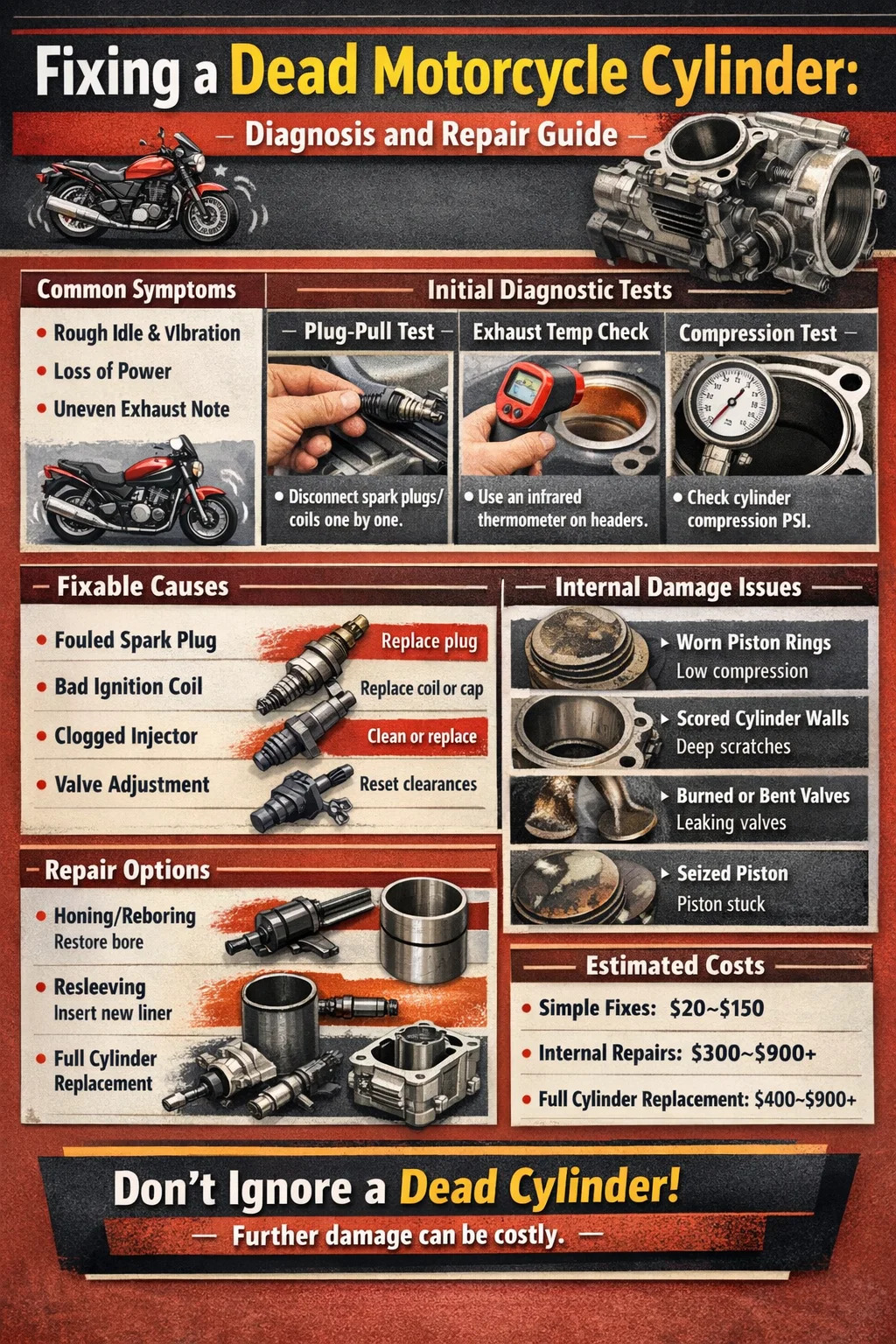
If you are staring at a bike that is running rough, shaking at idle, or refusing to pull hard out of corners, the question burning in your head is a simple one: can this actually be fixed, or is it time to start looking for a new engine? The good news is that in a significant number of cases, a dead motorcycle cylinder is absolutely fixable without replacing the entire engine. The less encouraging news is that the answer depends almost entirely on why the cylinder died in the first place.
A motorcycle cylinder that has gone dead due to a fouled spark plug, a clogged fuel injector, a failed ignition coil, or a minor valve adjustment issue can be brought back to life with relatively straightforward and inexpensive repairs. On the other end of the spectrum, a cylinder that has suffered a scored bore, a cracked barrel, a seized piston, or severe ring wear will require more involved mechanical work — including potential cylinder replacement or reboring. The point is that "dead cylinder" is not a single diagnosis. It is a symptom that traces back to many different root causes, each carrying its own repair path and cost.
Before writing off the engine, you need to understand exactly what is wrong with that motorcycle cylinder. This guide walks through every major cause of a dead cylinder, how to identify which one you are dealing with, and what the realistic fix looks like for each scenario.
What "Dead Cylinder" Actually Means on a Motorcycle
On a motorcycle, a dead cylinder means one combustion chamber has stopped contributing to engine power. In a single-cylinder motorcycle, this means the engine cannot run at all. On a parallel twin, V-twin, or inline-four, the remaining cylinders keep the engine alive, but the bike will feel noticeably weaker, vibrate more than usual, and the exhaust note will sound uneven or lopsided.
A cylinder becomes "dead" when one of three things fails: it is not receiving spark, it is not receiving adequate fuel, or it cannot hold compression. These three elements — ignition, fuel delivery, and mechanical integrity — are what keep a cylinder firing. Remove any one of them and that cylinder stops doing its job.
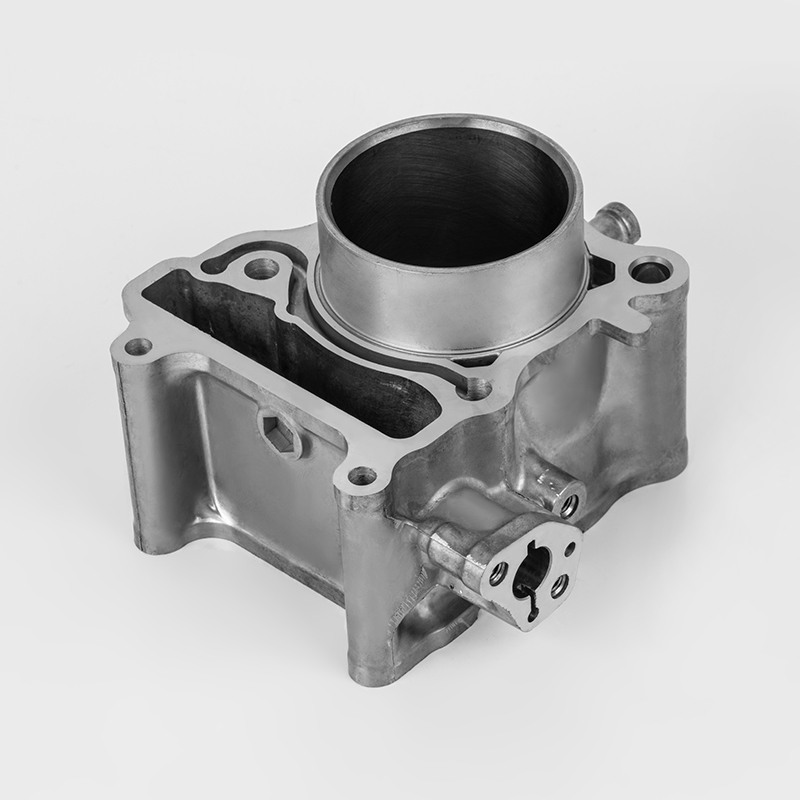
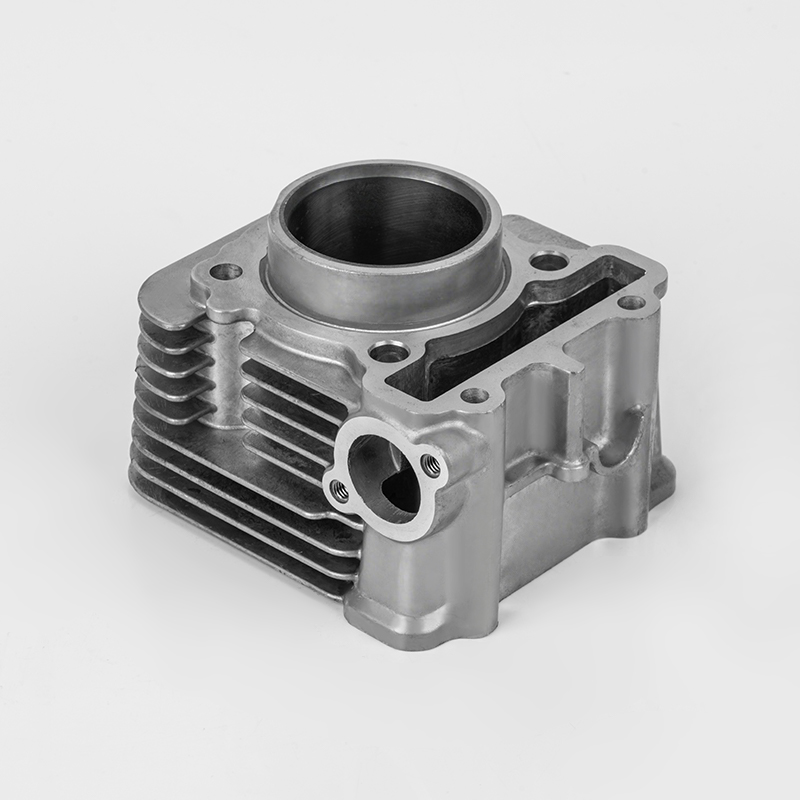
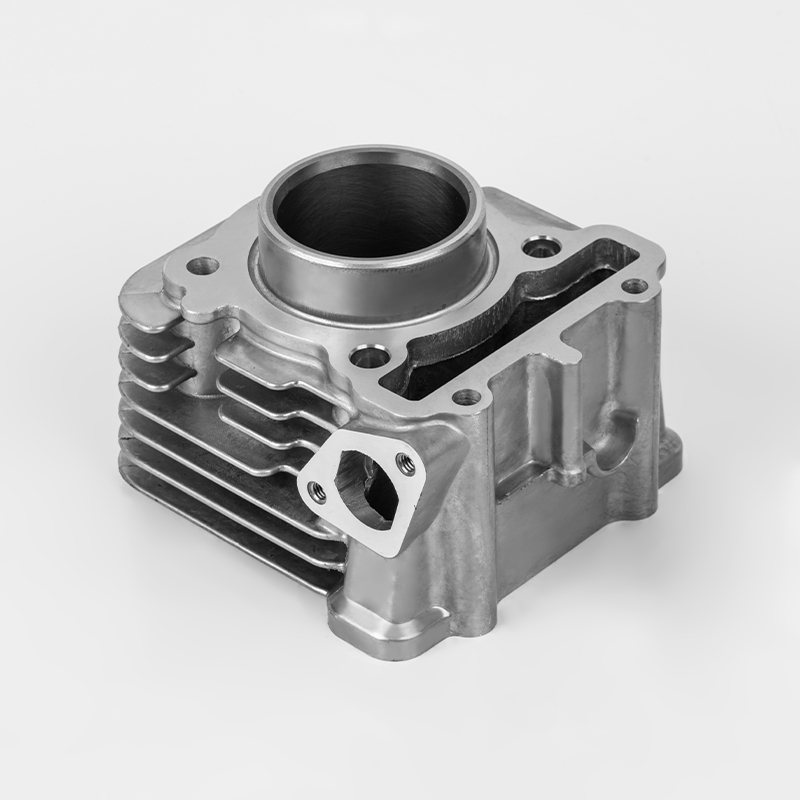
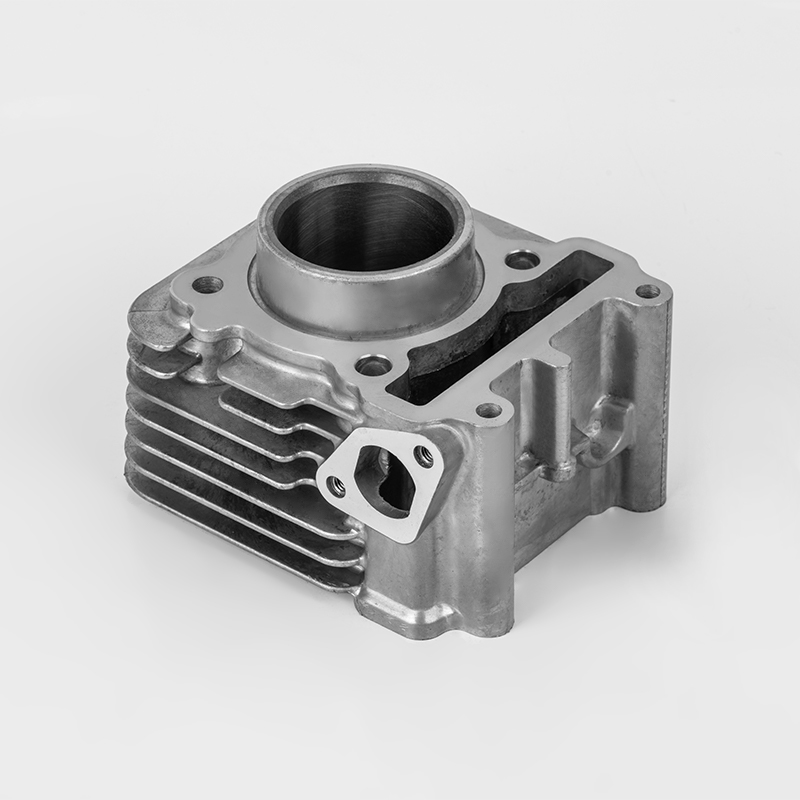
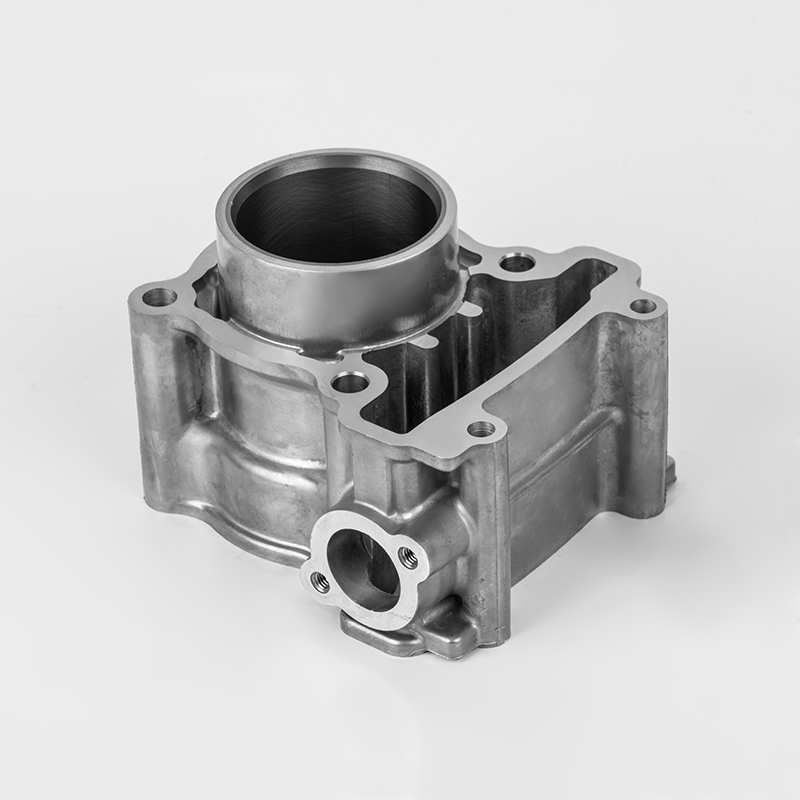
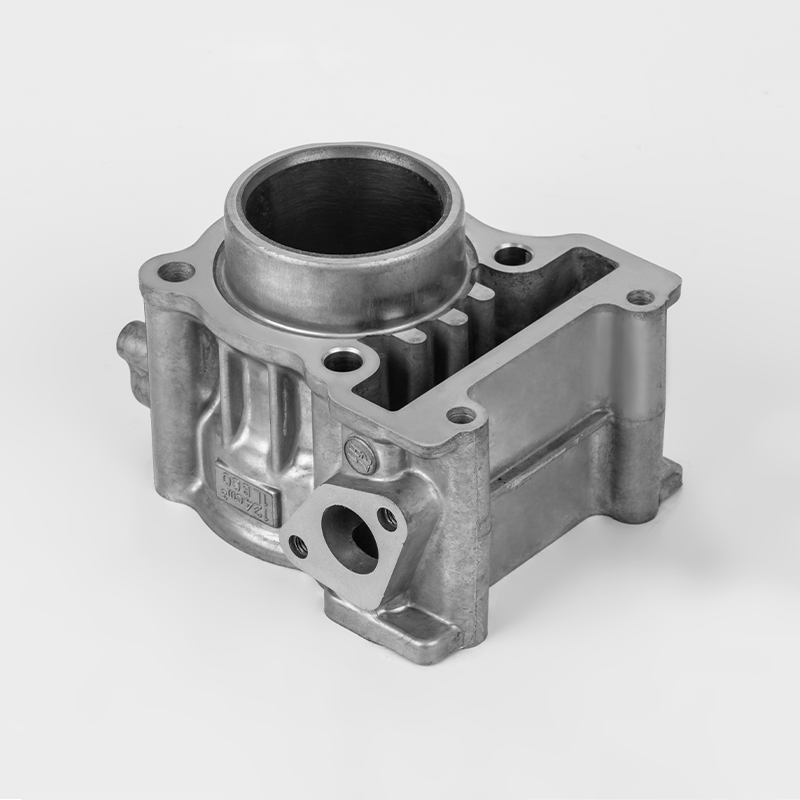
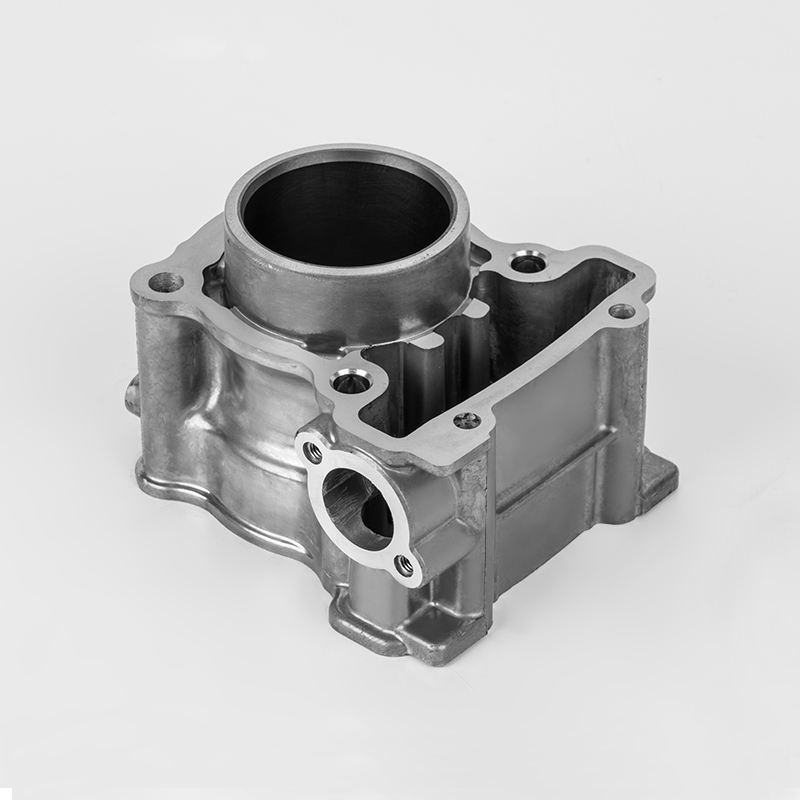
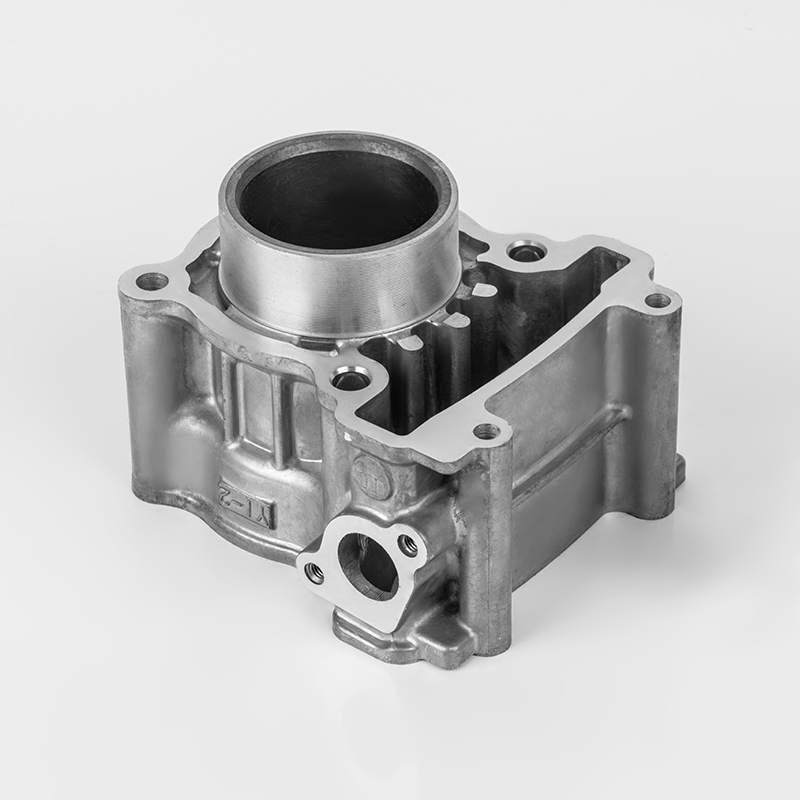
The motorcycle cylinder itself — sometimes called the cylinder barrel — is the physical sleeve that surrounds the piston. It forms the walls of the combustion chamber, guides piston travel, and plays a critical role in maintaining the compression your engine needs to produce power. When mechanics and riders refer to a dead cylinder, they may be talking about a problem with the cylinder itself or with any of the supporting components that keep it firing. Clarifying this distinction is the first step toward a useful repair plan.
How to Diagnose a Dead Cylinder on a Motorcycle
Diagnosing which cylinder is dead, and why, follows a logical sequence. Jumping straight to expensive mechanical work without running through the basics wastes time and money.
The Plug-Pull Test
On a multi-cylinder motorcycle, you can identify a dead cylinder by removing spark plug wires or disconnecting fuel injectors one at a time while the engine idles. The cylinder that produces no change in idle quality when disconnected is the one not contributing. A healthy cylinder, when cut out, will cause a noticeable RPM drop and roughening of the idle. A dead one will show almost no change because it was not firing to begin with.
Exhaust Temperature Check
Using an infrared temperature gun on the exhaust headers shortly after startup can reveal a cold pipe. A header that is significantly cooler than the others — often by 100°F or more — indicates the cylinder feeding it is not firing. This is a quick non-invasive check that can be done before touching any mechanical components.
Compression Test
The compression test is the single most important mechanical diagnostic for a dead motorcycle cylinder. Remove the spark plug, thread in a compression gauge, hold the throttle wide open, and crank the engine through several revolutions until the gauge reading stabilizes. Most healthy four-stroke single-cylinder motorcycles read between 120 and 180 psi, though the exact range varies by manufacturer and should be confirmed against the service manual. A reading below 90 psi, or a reading of zero, signals a serious mechanical problem — typically worn rings, burned or bent valves, or a blown head gasket.
Leak-Down Test
A leak-down test goes further than a compression test by telling you where the compression is escaping. With the piston at top dead center, compressed air is introduced into the cylinder through the spark plug hole. By listening carefully and checking specific locations, you can identify the failure point: air hissing from the air filter or intake means an intake valve is leaking; air heard at the exhaust pipe indicates a leaking exhaust valve; bubbling in the coolant reservoir points to a blown head gasket; and air at the oil fill cap or dipstick suggests worn piston rings. A healthy cylinder should show less than 10% leakdown. Anything above 25% indicates a significant problem requiring mechanical repair.
Spark and Fuel Checks
If compression is normal, the problem is almost certainly in the ignition or fuel delivery system. Remove the spark plug and inspect its condition. A plug coated in black carbon indicates a rich mixture or misfiring; a white or blistered plug indicates overheating. Test for spark by reconnecting the plug lead, grounding the plug body against the engine, and cranking — you should see a strong blue spark. A weak orange spark or no spark at all points to the plug, ignition coil, or associated wiring.
Fixable Causes: When the Repair Is Straightforward
The majority of dead cylinder cases on motorcycles trace back to causes that are entirely fixable without opening the engine cases. These are the scenarios to rule out first before assuming the worst.
Worn or Fouled Spark Plug
This is the most common and least expensive cause of a dead cylinder. Spark plugs have a service life — typically 10,000 to 20,000 miles for standard plugs, and up to 30,000 miles for iridium or platinum tipped plugs — and beyond that interval they lose their ability to produce reliable ignition. A fouled plug coated in oil, fuel deposits, or carbon can kill a cylinder's firing completely. Replacement cost is typically under $20 for most motorcycle spark plugs, and the job takes under 30 minutes on most bikes.
Faulty Ignition Coil or Plug Cap
The ignition coil generates the high-voltage pulse sent to the spark plug. A coil that has failed internally may still allow the bike to start but will cut out under load, or it may stop producing spark entirely in one cylinder. Plug caps — the resistor caps that fit over the plug — can also fail and prevent spark delivery. These components are usually priced between $30 and $150 and can be swapped out in under an hour.
Clogged or Faulty Fuel Injector
On fuel-injected motorcycles, a clogged injector can prevent adequate fuel delivery to one cylinder, effectively killing it. Fuel left sitting in an injector during extended storage periods can varnish and clog the nozzle. Professional ultrasonic injector cleaning typically costs between $15 and $30 per injector and frequently restores full function. In cases where cleaning fails, replacement injectors can range from $50 to $200 depending on the model.
Valve Clearance Out of Specification
Motorcycle engines require periodic valve clearance inspections — most manufacturers recommend checking every 12,000 to 24,000 miles. When valve clearances drift too tight, the valve can stay slightly open during the compression stroke, allowing pressure to bleed out. The result can feel identical to a dead cylinder. Valve adjustment is an accessible job for home mechanics with basic tools and a service manual, and it costs nothing beyond the time invested if clearances just need shimming or screw adjustment.
Blown Head Gasket
A head gasket failure allows combustion gases to leak past the sealing surface, dropping compression in the affected cylinder. The diagnosis is confirmed by white exhaust smoke, milky oil on the dipstick, or coolant that drops without any visible external leak. Head gasket replacement requires pulling the cylinder head but does not necessarily mean the barrel itself is damaged. If the head and barrel surfaces are flat and undamaged, a new gasket and proper torque sequence restores full compression. On most single-cylinder motorcycles, this is a half-day job for an experienced mechanic.
When the Motorcycle Cylinder Itself Is the Problem
Once ignition and fuel delivery checks come back normal, and compression is confirmed to be severely low or zero, the issue lies inside the engine itself. The following are the mechanical conditions that affect the cylinder barrel and require more involved repairs.
Worn Piston Rings
Piston rings seal the gap between the piston and the cylinder wall. Over time and mileage, rings wear and lose their ability to maintain compression. The classic diagnostic is to add a small amount of motor oil to the spark plug hole and perform a second compression test. If the reading climbs significantly after adding oil, the rings are the culprit — the oil temporarily seals the ring-to-wall gap. Worn rings require pulling the engine, removing the piston, and fitting a new ring set. While this does not necessarily require a new cylinder if the bore is still within tolerance, a bore measurement should be taken at the same time. A worn bore paired with new rings will produce a short-lived repair.
Scored or Damaged Cylinder Walls
Cylinder wall scoring happens when lubrication fails, debris enters the combustion chamber, or a seized piston drags across the bore surface. Deep scoring disrupts the seal between the rings and the wall, killing compression. Light scoring can sometimes be addressed by honing the cylinder to re-establish a proper crosshatch finish and fitting new rings. A professional cylinder hone job typically runs $50 to $75 for a single motorcycle cylinder — a fraction of the cost of replacement. Severe scoring, where the walls are deeply grooved or material has been removed unevenly, requires either reboring to the next oversize with a matching oversized piston, or full cylinder replacement.
Burned or Bent Valves
Valves that have burned through (typically from running too lean or from detonation), bent from a timing chain failure, or no longer seating properly will not seal the combustion chamber during compression. Leak-down testing confirms this because air will be heard escaping through the intake or exhaust. Valve replacement requires removing the cylinder head and disassembling the valve train. Damaged valves and seats can be replaced independently — the cylinder barrel itself may be completely undamaged. A full valve job on a single-cylinder head, including seat grinding and new valves, typically runs from $200 to $600 in labor depending on the shop.
Seized Piston
A seized piston occurs when the piston expands beyond its operating clearance and welds itself to the cylinder wall due to heat and friction. This typically happens from inadequate lubrication, coolant loss leading to overheating, or running a two-stroke engine with incorrect oil-to-fuel mixture. When a motorcycle seizes while riding, the rear wheel can lock suddenly — a serious safety hazard. Damage assessment after a seizure requires full disassembly. In many cases the piston is destroyed and needs replacement, and the cylinder will show significant scoring. Whether the barrel can be saved depends on the depth of damage. Mild seizures caught early sometimes allow the cylinder to be honed and reused with a new piston; severe seizures frequently destroy the cylinder's liner and require a new barrel or resleeving.
Cracked Cylinder Barrel
A physically cracked cylinder barrel is the most severe scenario. Cracks can result from severe overheating, impact damage, or freeze damage if coolant was not used correctly. Aluminum cylinders with structural cracks are generally not worth repairing — the cost of welding, machining, and re-sleeving typically approaches or exceeds the cost of a new replacement cylinder. Cast iron cylinders can sometimes be crack-welded by a skilled machinist, but the repair's longevity depends heavily on where the crack sits relative to the bore and coolant passages.
Repair Methods for a Damaged Motorcycle Cylinder
When the cylinder barrel itself needs work, several mechanical options exist. The right choice depends on the material, the type of damage, the availability of oversize pistons, and your budget.
| Repair Method | Best Suited For | Approximate Cost | Cylinder Material |
|---|---|---|---|
| Honing | Light wear, surface glazing, minor scoring | $50–$75 | Iron or aluminum with iron sleeve |
| Reboring (overbore) | Moderate wear beyond hone tolerance | $80–$150 + oversize piston cost | Cast iron cylinders primarily |
| Resleeving | Worn-out bore where wall is still structurally sound | $100–$250 | Any cylinder with sufficient wall thickness |
| Nikasil Recoating | Worn Nikasil bores, restoration of OEM spec | $200–$400+ | Aluminum with Nikasil coating |
| Full Cylinder Replacement | Cracked barrel, damage beyond machining tolerances | $150–$600+ (part only) | All types |
Honing
Honing is the least invasive and most affordable cylinder repair option. A machinist uses a honing tool to re-establish the proper crosshatch finish on the cylinder wall, which helps piston rings seat correctly and maintain an effective oil film. Honing does not remove significant material and is suitable for cylinders where the bore diameter is still within the manufacturer's service limit. When the cylinder is taken in for honing, the machinist should also measure bore diameter and out-of-roundness before proceeding. If the bore is already at its service limit, honing will only delay the next repair.
Reboring to Oversize
When a cylinder bore is worn beyond its standard service limit, a machinist can bore it out to the next oversize — typically in increments of 0.25mm or 0.010 inch — and a matching oversize piston is fitted. This is a well-proven repair method that has been used on iron-sleeved and bare cast iron cylinders for decades. The catch is that oversize pistons must still be available for your model. For common motorcycles with active parts supplies, this is rarely an issue. For older or rare bikes, it can be difficult or impossible to source an oversize piston, pushing the solution toward resleeving or full replacement.
Resleeving
Resleeving involves boring the cylinder out wider and pressing in a new iron liner, which is then honed to the correct bore diameter for a standard piston. This is an effective way to restore an aluminum cylinder that has worn through its original liner or suffered damage too deep for a standard overbore. The outer barrel structure must have sufficient wall thickness to accommodate the new sleeve without compromising structural integrity. A skilled machine shop can perform this work at significantly lower cost than a new cylinder in many cases.
Nikasil Recoating
Many modern aluminum motorcycle cylinders use a Nikasil (nickel-silicon carbide) bore coating instead of an iron sleeve. This coating is extremely hard and wear-resistant, but it cannot be rebored in the traditional sense — once worn, the cylinder must either be recoated or replaced. Nikasil recoating is a specialist service involving stripping the worn coating and re-applying a fresh layer to the original bore diameter. The result is effectively a cylinder restored to factory specifications, running on the original piston size. Turnaround time varies by shop, and the service typically runs $200 to $400 or more.
When to Replace the Motorcycle Cylinder Rather Than Repair It
There are specific situations where repair stops making practical or economic sense and replacement becomes the right call.
- The bore is cracked through a structural section or adjacent to coolant passages in a way that welding cannot reliably address.
- The cylinder has already been bored to its maximum oversize, leaving no further material to remove.
- The outer wall is too thin to accept a resleeve due to original bore size or prior machining work.
- A Nikasil-coated cylinder has worn to a point where the coating is gone and the aluminum itself is damaged.
- The combined cost of machining, sleeves, pistons, rings, and labor exceeds the cost of a quality replacement cylinder.
- Oversize pistons for the specific model are no longer manufactured or available, removing the rebore option from the table.
For single-cylinder motorcycles, replacing the cylinder barrel is a well-defined and manageable job. The engine is simpler than multi-cylinder designs — there is one barrel, one piston, one set of rings, one head — which keeps the labor scope contained. On parallel twins, V-twins, and inline fours, replacing one cylinder out of the set is technically possible but requires careful attention to the condition of the remaining cylinders. If one barrel is worn or damaged due to a shared lubrication or cooling fault, the others may not be far behind.
When ordering a replacement motorcycle cylinder, always verify the bore diameter, stud hole pattern, and port layout against the original. On older bikes or models with multiple production variants, there may be small dimensional differences between years that make a "compatible" part not directly interchangeable. Using the OEM part number as a reference eliminates this risk.
The Cost of Fixing a Dead Motorcycle Cylinder: What to Expect
Cost varies enormously depending on what actually killed the cylinder. The range runs from under $20 for a spark plug to several hundred dollars for a full cylinder replacement with labor. The following gives a realistic picture of what different repair scenarios actually cost.
| Cause of Dead Cylinder | Estimated Repair Cost | DIY Friendly? |
|---|---|---|
| Fouled spark plug | $5–$25 | Yes |
| Failed ignition coil | $40–$180 | Yes, with basic tools |
| Clogged fuel injector (cleaning) | $20–$60 | Possible with ultrasonic cleaner |
| Valve clearance adjustment | $0–$150 (shims) + labor | Yes, with service manual |
| Head gasket replacement | $80–$300 parts + labor | Experienced DIY only |
| Valve replacement / valve job | $250–$700 | Shop work recommended |
| Piston and ring replacement + hone | $200–$500 | Experienced DIY possible |
| Cylinder rebore + oversize piston | $300–$600 | Machine shop required |
| Full cylinder replacement | $400–$900+ (parts + labor) | Experienced DIY possible |
These figures represent typical ranges for single-cylinder or simple multi-cylinder motorcycles at independent shops. Dealer labor rates, premium or hard-to-source parts, and additional damage discovered during disassembly can push costs higher. Always request a firm quote after diagnosis before authorizing repair work.
What Happens If You Keep Riding with a Dead Cylinder
On a multi-cylinder motorcycle, it is technically possible to keep riding with one dead cylinder. The bike will still move, and the remaining cylinders will keep the engine running. However, continuing to ride in this condition accelerates damage in ways that turn a manageable repair into a far more expensive one.
When one cylinder stops firing, unburned fuel from that cylinder can wash down into the crankcase, diluting the oil and degrading its ability to lubricate the engine's bearings and moving parts. On two-stroke motorcycles, a dead cylinder means the bike is still drawing oil but not burning it in combustion, which can cause rich deposits to accumulate in the crankcase. On liquid-cooled engines, a dead cylinder due to a head gasket failure means coolant may be entering the combustion chamber or oil passages — continuing to run with contaminated oil will cause bearing damage that multiplies the cost of the original repair many times over.
Beyond mechanical damage, riding a motorcycle with a dead cylinder is an unpredictable experience. Power delivery becomes uneven, the bike vibrates more than designed, and handling can feel inconsistent. On a single-cylinder motorcycle, a dead cylinder means the bike simply does not run — there is no choice but to address it before riding again.
Preventing Motorcycle Cylinder Problems Before They Start
Most dead cylinder failures are preventable with consistent maintenance. The mechanical conditions that kill cylinders — worn rings, scored walls, burned valves, seized pistons — almost always develop gradually and give warning signs before causing a complete failure. Addressing them early is far cheaper than rebuilding after the fact.
- Change oil on schedule. Fresh oil at the correct viscosity maintains the film between the piston, rings, and cylinder wall that prevents metal-to-metal contact. Most motorcycles call for oil changes every 3,000 to 6,000 miles, depending on the engine type and oil used.
- Check valve clearances at manufacturer-recommended intervals. Tight valves are one of the most overlooked causes of premature cylinder wear and compression loss. This is especially true on high-revving single-cylinder and parallel-twin engines.
- Replace spark plugs before they foul. A plug running past its service life creates incomplete combustion, which washes the cylinder walls with unburned fuel and degrades the oil film on the bore surface.
- Monitor coolant levels on liquid-cooled engines. Overheating is one of the leading causes of warped heads, blown gaskets, and seized pistons. Keep the coolant at the correct level and replace it at the intervals specified in the owner's manual.
- Never ignore early warning signs. Rough idle, a slight miss at low RPM, a check engine light for a specific cylinder misfire, or a faint exhaust note change are all signs worth investigating promptly. What starts as a minor misfire can progress to a scored cylinder if ignored long enough.
- Store the bike properly during off-seasons. Fuel left in carburetors and injectors varnishes and clogs. Use fuel stabilizer and run the engine briefly to distribute it through the fuel system before long-term storage.
A well-maintained motorcycle cylinder can last the life of the machine without ever needing more than a hone and a ring set. The engines that end up needing full cylinder replacement or major internal work are usually the ones that have been run low on oil, overheated repeatedly, or ignored at the early signs of trouble. Consistent attention to the basics keeps the motorcycle cylinder doing exactly what it is supposed to do — convert fuel into forward motion, reliably, mile after mile.