
 English
 Español
 عربى
عربى

Content
- 1 How Long Is the Motorcycle Break In Period
- 2 What Happens Inside the Motorcycle Cylinder During Break In
- 3 Recommended Mileage and RPM Guidelines by Break In Stage
- 4 How Break In Guidance Differs Across Motorcycle Brands
- 5 Why Varying RPM Matters More Than Total Mileage
- 6 Oil Selection and the First Oil Change
- 7 Break In Differences by Engine Configuration
- 8 Break In Considerations for Two-Stroke Motorcycles
- 9 Cold Weather and High Altitude Break In Adjustments
- 10 Common Break In Mistakes That Damage the Cylinder and Piston Rings
- 11 Break In After a Rebuild: Cylinder Honing and Crosshatch Angle
- 12 Tires, Brakes, and Other Components That Also Need Break In
- 13 Break In Myths Worth Retiring
- 13.1 "Modern engines with tight tolerances do not need break in at all"
- 13.2 "Ride it as hard as possible from the first mile to seat the rings fastest"
- 13.3 "The break in period is only about the engine"
- 13.4 "Once the odometer passes the stated mileage, the engine is fully broken in and nothing more needs to change"
- 14 Signs of a Properly Broken In Engine Versus a Poorly Broken In Engine
- 15 Post Break In Maintenance Checklist
- 16 Frequently Asked Questions
- 16.1 Do modern motorcycle engines with tighter manufacturing tolerances still need a break in period
- 16.2 Is it true that riding hard from the start seats the rings better
- 16.3 What happens if I accidentally exceed the RPM limit briefly during break in
- 16.4 Can I use full synthetic oil during the break in period
- 16.5 How many heat cycles should a new motorcycle go through before hard riding
- 16.6 Does the break in period apply to the transmission and clutch as well as the cylinder
- 16.7 Should I avoid highway riding entirely during break in
- 16.8 Is track riding or racing appropriate during the break in period
- 16.9 Does break in matter for electric motorcycles
- 16.10 Will skipping break in void my warranty
How Long Is the Motorcycle Break In Period
Most manufacturers set the motorcycle break in period at 500 to 1,000 miles (800 to 1,600 km), with the first 150 to 200 miles being the most critical stretch for the engine. During this window the piston rings, cylinder walls, valve train, and transmission gears are still mating to each other's exact machined surfaces, and how the bike is ridden in these early miles has a lasting effect on compression, oil consumption, and long-term reliability. The short version: keep RPM below roughly 4,000 to 5,000 (or whatever ceiling the owner's manual states), vary engine speed constantly instead of holding a steady throttle, avoid full-throttle starts, and change the oil early, typically around 500 to 600 miles.
That is the summary. Everything below explains why each of these rules exists, what is physically happening inside the motorcycle cylinder while it happens, how the requirements shift between manufacturers and engine types, and how to handle break in in cold weather, at altitude, and after a rebuild. Because so much of a motorcycle's long-term compression, oil consumption, and resale value trace back to these first several hundred miles, it is worth treating this stage with the same care most riders reserve for their first oil change or first valve inspection.
It also helps to understand that break in is not a single event that finishes and is forgotten. It is a gradual transition made up of several overlapping processes: the piston rings seating against the cylinder wall, the valve train wearing into its running clearances, the transmission gears polishing their contact faces, the clutch plates bedding in, the wheel and swingarm bearings settling, and even the tires curing their mold-release compound off the tread surface. Treating break in as "just an engine thing" misses several of these parallel processes, which is why the sections further down cover components beyond the cylinder as well.
What Happens Inside the Motorcycle Cylinder During Break In
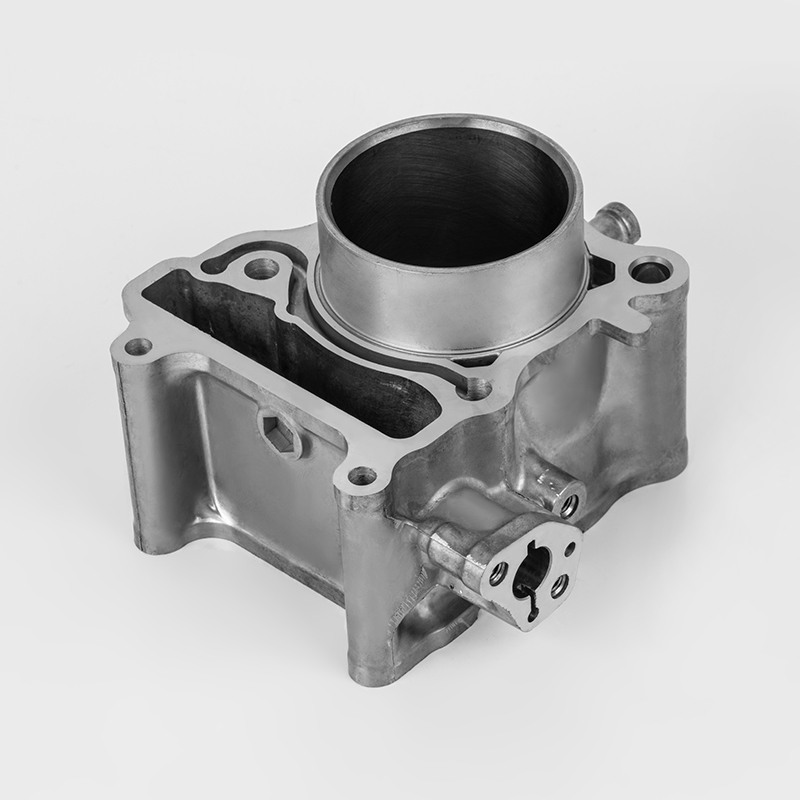
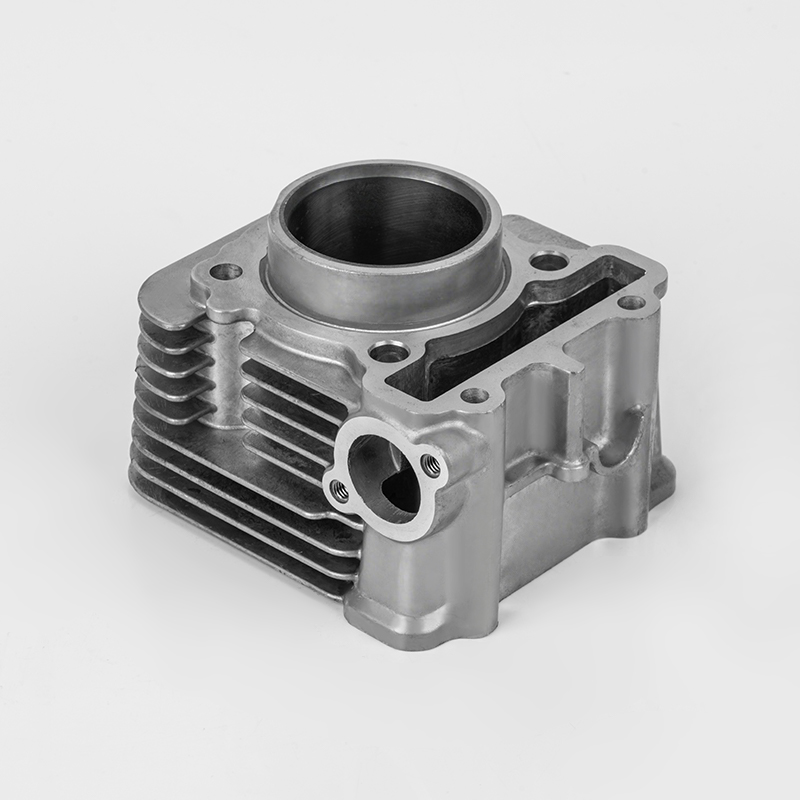
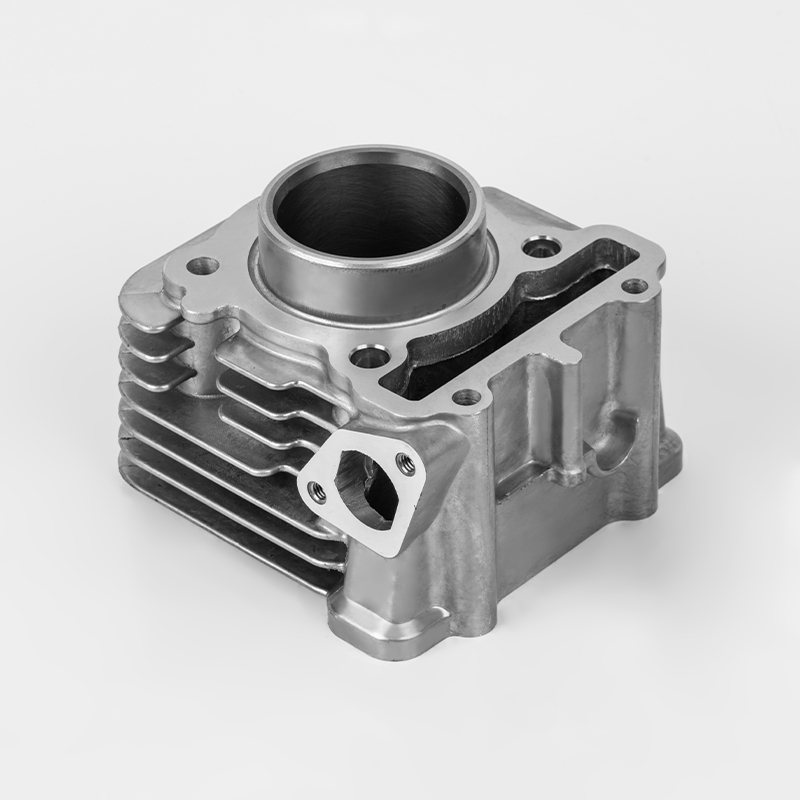
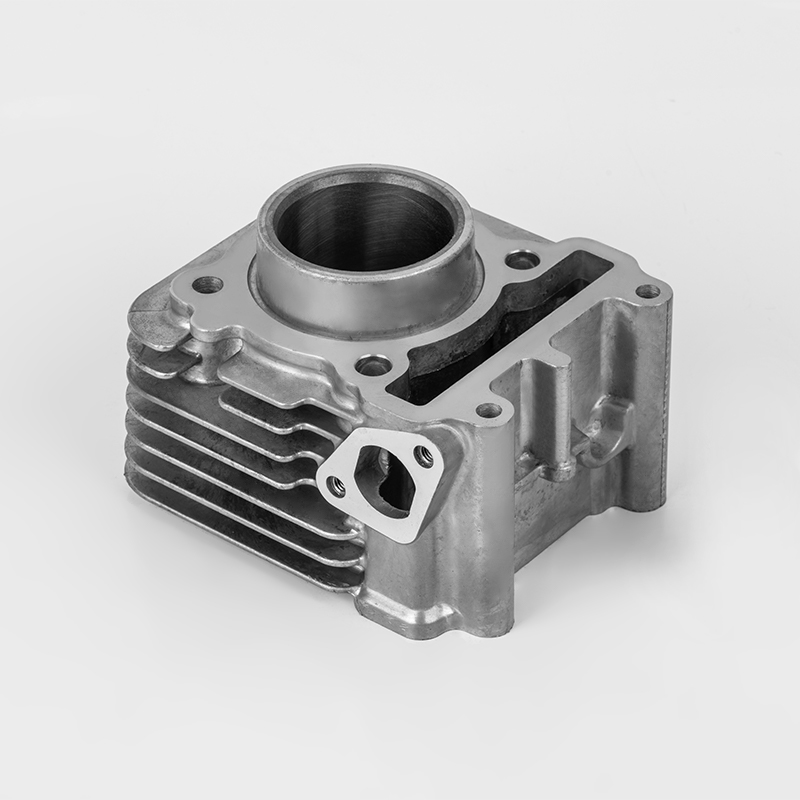
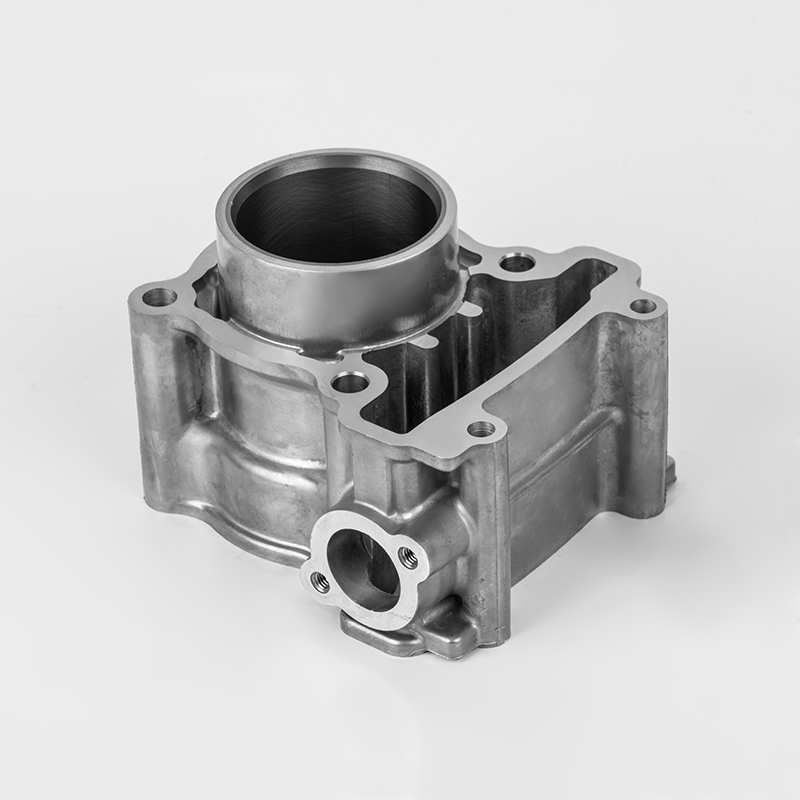
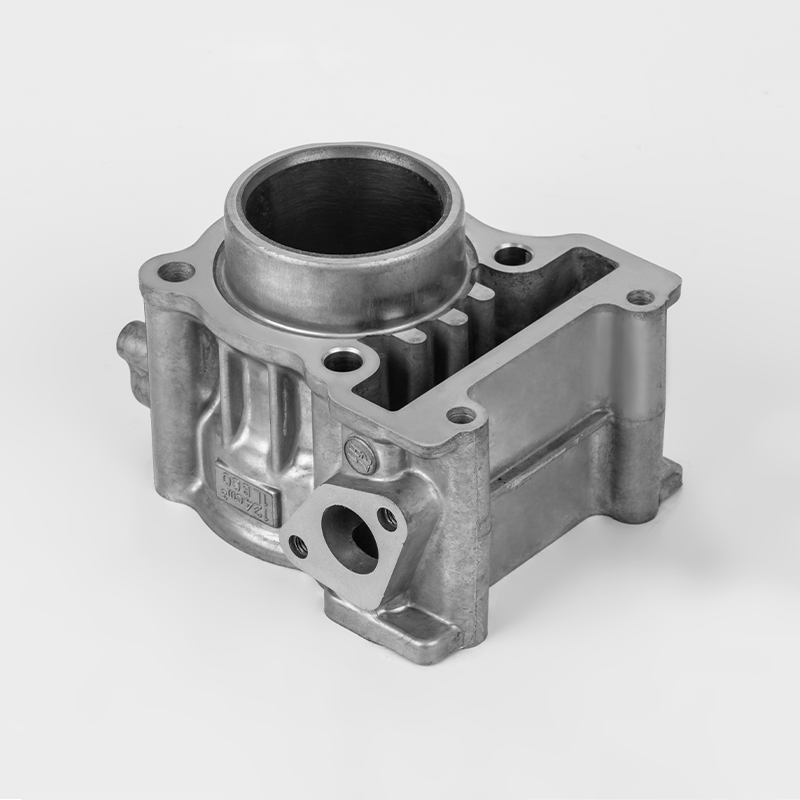
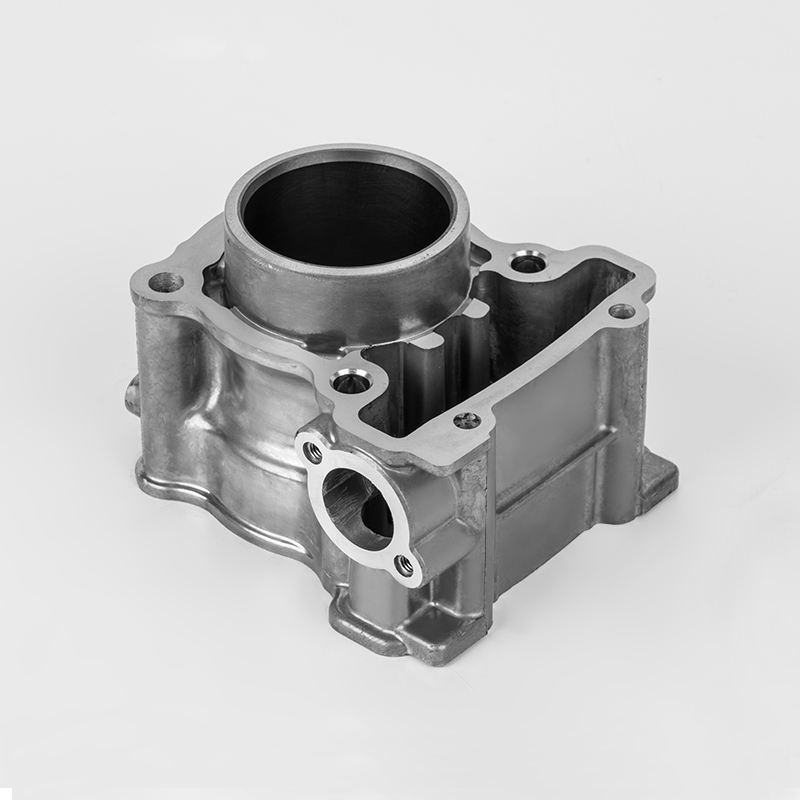
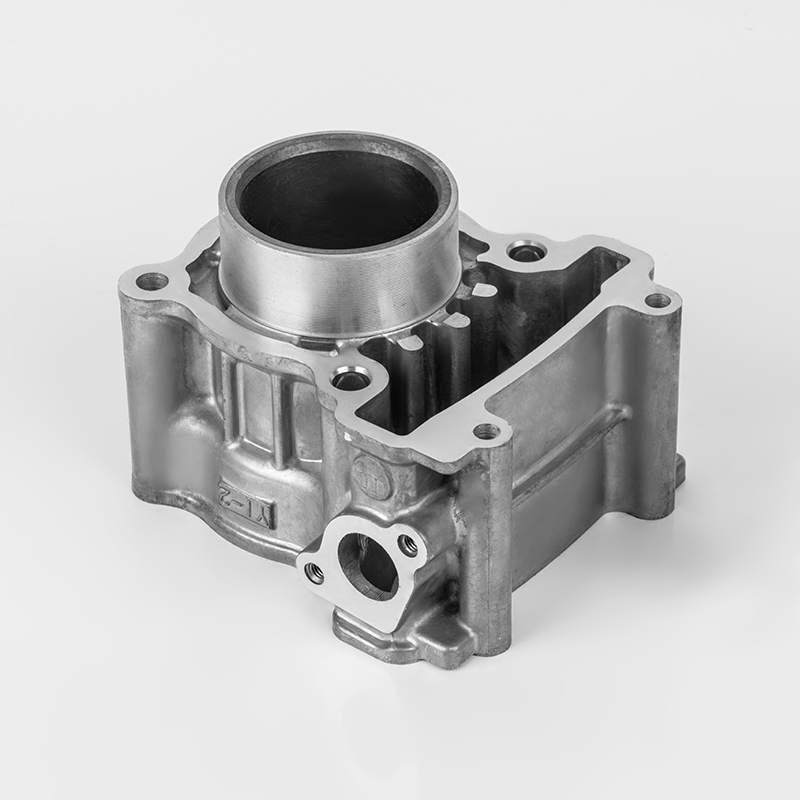
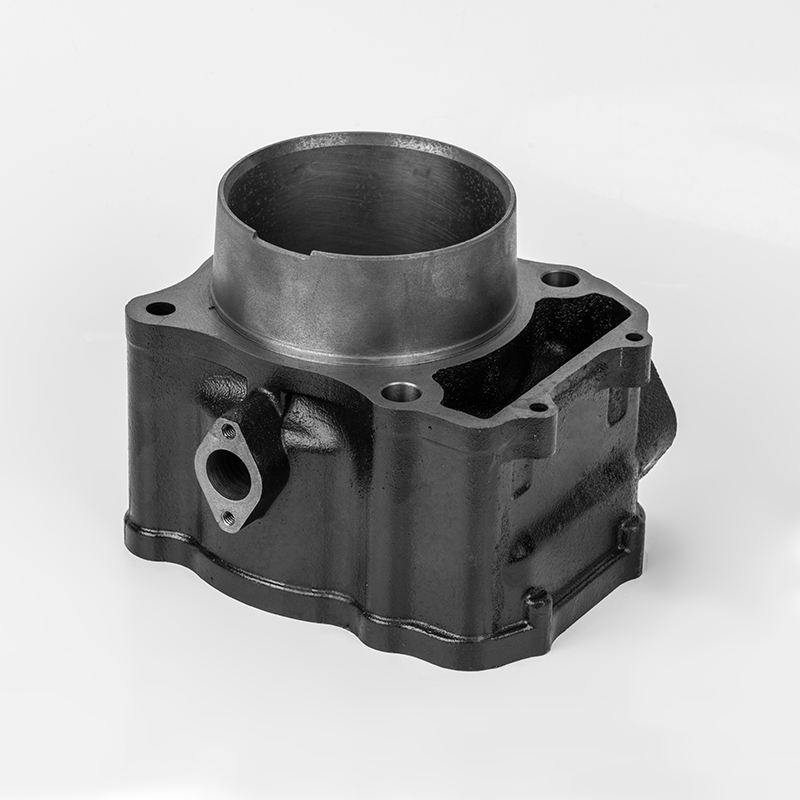
A new motorcycle cylinder is not a perfectly smooth tube. Machinists finish the bore with a honing tool that carves a fine crosshatch pattern into the cylinder wall, usually at a 45 degree angle. That crosshatch is not a cosmetic detail; it is a network of microscopic valleys designed to hold a thin film of oil while the peaks between the valleys make first contact with the piston rings.
When the engine first runs, those peaks are still sharp. Combustion pressure pushes the piston rings outward against the cylinder wall, and the rings gradually wear down the highest points of the crosshatch until the ring face and the cylinder wall share a matching contour. This process is called ring seating, and it is the single most important mechanical event of the entire break in period. Once the rings have seated, they form a near-complete seal against the cylinder wall, which is what gives the engine its full compression, its correct oil control, and its rated horsepower.
If the engine is babied with light throttle and low load for the entire break in period, the rings never see enough cylinder pressure to wear into the crosshatch properly. The result is a permanent gap between the ring face and the cylinder wall, which shows up later as high oil consumption, blue exhaust smoke, and reduced compression that no amount of extra mileage can fully correct. If the engine is instead thrashed at full throttle and high load from mile one, the rings can wear unevenly or overheat the cylinder wall before the crosshatch has had a chance to do its job gradually. The correct approach sits between these two extremes, which is exactly what the mileage and RPM table below is built around.
There is also a metallurgical dimension to this. Cylinder bores in modern motorcycles are made from a range of materials, including plain cast iron sleeves, nickel-silicon carbide coatings such as Nikasil, and ceramic composite coatings depending on the manufacturer and displacement class. Each of these surfaces holds a slightly different crosshatch geometry and reacts differently to heat, and this is part of why the exact RPM ceilings and mileage figures vary between brands rather than being identical across the industry. A nickel-silicon carbide bore, for example, tends to be harder and more heat resistant than an iron sleeve, but it can still be damaged by extended overheating during break in if the engine is lugged at low RPM under heavy load, which generates more heat per revolution than a freely revving engine at moderate RPM.
Recommended Mileage and RPM Guidelines by Break In Stage
The table below reflects the guidance found across major manufacturer owner's manuals for four-stroke motorcycles between 250cc and 1000cc. Smaller displacement bikes and high-revving sport engines may allow a slightly higher RPM ceiling; large twins and cruisers typically sit at the lower end of each range. Always defer to the specific figures printed in your bike's manual when they differ from the ranges shown here.
| Mileage Covered | Maximum RPM | Riding Behavior |
|---|---|---|
| 0 to 150 miles | Below 4,000 RPM | Short trips, gentle acceleration, no sustained highway cruising |
| 150 to 500 miles | Below 5,000 to 6,000 RPM | Varied throttle, occasional brief acceleration bursts, mixed roads |
| 500 to 600 miles | Manual specified limit | First oil and filter change, inspection of drive chain or belt tension |
| 600 to 1,000 miles | Progressively opening to redline | Full throttle in short bursts allowed, gradual return to normal riding |
These stages are deliberately overlapping rather than sharp cutoffs. A rider does not need to watch the odometer obsessively and switch riding style the instant it clicks over from 149 to 150 miles. The point of dividing break in into stages is to establish a general direction: start conservative, gradually increase both RPM ceiling and throttle openness, and use the first service interval as a checkpoint rather than a finish line.
How Break In Guidance Differs Across Motorcycle Brands
While the broad strokes of break in are consistent across manufacturers, the specific numbers in the owner's manual can vary meaningfully depending on the brand's engineering philosophy, typical displacement range, and target market. The comparison below is a general guide to how different manufacturer families have historically approached break in, intended to help set expectations rather than to replace the figures in a specific bike's manual.
| Manufacturer Family | Typical Break In Length | Notable Emphasis |
|---|---|---|
| Japanese sport and standard models | 600 to 1,000 miles | Staged RPM ceilings, early oil change, dedicated break in oil on some models |
| American V-twin cruisers | 500 miles | Avoiding sustained high load given large displacement and low compression per cylinder |
| European sport and adventure models | 600 miles | Varying throttle position frequently rather than a strict RPM ceiling |
| Indian and Southeast Asian commuter models | 500 to 800 miles (roughly 800 to 1,300 km) | Speed caps around 50 to 60 km/h rather than RPM figures, given widespread lower-displacement single-cylinder engines |
A rider moving between brands, for example switching from a Japanese inline-four sportbike to an American V-twin cruiser, should not assume the previous bike's break in habits automatically transfer. A V-twin cruiser typically has larger individual cylinders producing more torque at lower RPM, so a rider who reflexively short-shifts at 4,000 RPM out of habit from a high-revving sportbike may unintentionally lug the cruiser's engine under load, which is its own form of improper break in.
Why Varying RPM Matters More Than Total Mileage
A common misunderstanding is that break in is purely about accumulating a certain number of miles at low speed. In reality, the variable that matters most is how often the engine speed changes, not how slowly the bike travels. Holding a constant 3,500 RPM on a flat highway for an hour is worse for ring seating than fifteen minutes of stop-and-go city riding with frequent acceleration and deceleration, because a constant load wears one narrow band of the cylinder wall while leaving the rest of the crosshatch untouched.
Riders who commute exclusively on the highway during their bike's first tank of fuel are the group most likely to report high oil consumption later on. The fix is simple: on any ride during the break in period, deliberately roll the throttle on and off, shift through the gears rather than lugging the engine in a tall gear, and mix urban riding with open road riding whenever possible. This uneven load pattern is what allows the piston rings to make contact with the full circumference and full stroke length of the cylinder bore, rather than just one repetitive section of it.
- Accelerate briskly through the gears, then let off the throttle, rather than holding one speed
- Avoid interstate cruising for more than 20 to 30 minutes at a stretch during the first 150 miles
- Use engine braking on descents instead of coasting in neutral
- Let the engine reach full operating temperature before pushing RPM toward the upper limit
- Ride a mix of routes with hills, stop signs, and open stretches rather than one repetitive loop
- Change gears earlier than usual in the first 150 miles so the engine spends time across a wider spread of RPM
An easy mental model is to think of the cylinder wall as a surface that needs to be visited evenly by the piston rings at every point along its stroke, at a range of pressures, rather than a single groove that only needs to be worn in once. A constant-speed ride effectively visits only a narrow slice of that surface repeatedly, while a varied ride visits the whole surface across a spread of pressures and speeds, which produces a more uniform seal once the crosshatch has worn down.
Oil Selection and the First Oil Change
Fresh piston rings and a freshly honed cylinder wall generate more metal particles during break in than they will at any other point in the engine's life. Those particles come from the rings and crosshatch wearing into each other, and while this is a normal and expected part of the process, that metallic debris needs to be removed from the engine before it can cause abrasive wear elsewhere. This is the entire reason manufacturers specify an early oil change, typically at 500 to 600 miles, well before the interval used for every oil change after that.
During break in, use the exact oil grade and specification listed in the owner's manual rather than a premium or synthetic oil purchased independently, unless the manual specifically calls for synthetic from the factory. Some manufacturers, including Honda, formulate a dedicated break in oil with additive packages tuned to help the rings seat rather than to minimize friction, which is the opposite goal of a fully broken in engine's oil. Switching to a slicker, lower-friction synthetic oil too early can actually interfere with ring seating by reducing the controlled friction the rings need against the cylinder wall.
Many motorcycles use a shared wet clutch and transmission oil sump rather than a separate automotive-style engine oil circuit, and this adds another reason to respect the manufacturer's oil specification during break in. Automotive oils, and some motorcycle-specific synthetics marketed primarily on reduced friction, often contain friction modifiers designed to improve fuel economy in a car engine. In a shared-sump motorcycle, those same friction modifiers can cause a wet clutch to slip, which is an unrelated problem but one that becomes more likely if the wrong oil is chosen during this early, particle-heavy stage of the engine's life.
| Service | Break In Schedule | Standard Schedule |
|---|---|---|
| Oil and filter change | 500 to 600 miles | 3,000 to 5,000 miles |
| Valve clearance check | 600 to 1,000 miles | 8,000 to 16,000 miles |
| Drive chain tension | Every ride under 300 miles | Every 500 to 600 miles |
| Spoke or wheel bearing check | 600 to 1,000 miles | Every 6,000 to 8,000 miles |
Break In Differences by Engine Configuration
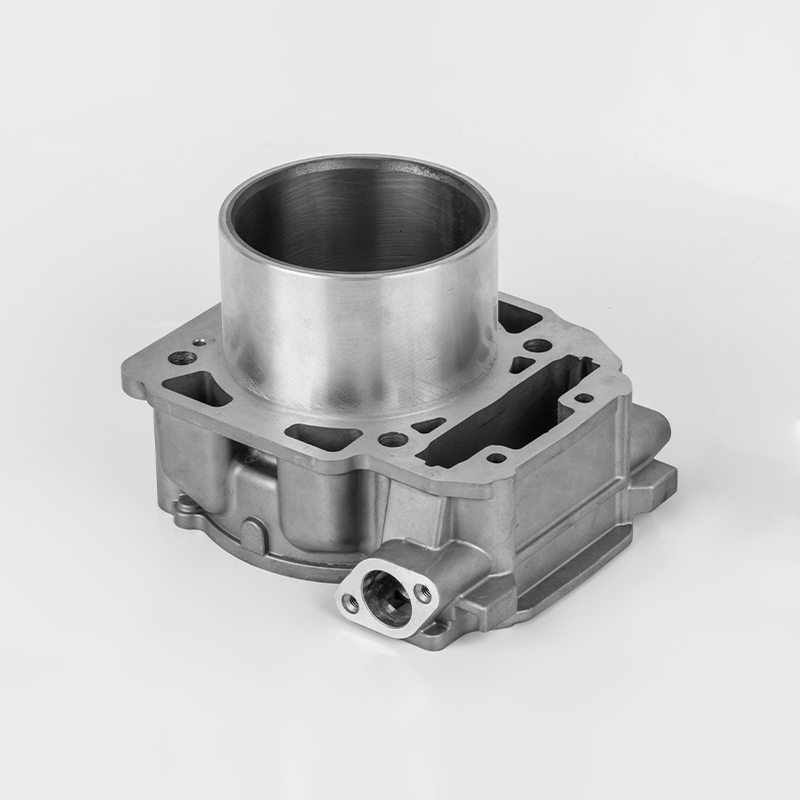
Not every motorcycle engine seats its rings the same way, and the number of cylinders changes how the same total break in mileage is distributed across the engine.
Single-cylinder engines
A single-cylinder engine fires once every two crankshaft revolutions and typically has a larger individual bore than one cylinder of a multi-cylinder engine of similar displacement. Because there is only one piston and one set of rings doing all the work, single-cylinder engines are comparatively forgiving to break in correctly, but they are also less tolerant of sustained high load, since there is no other cylinder to share the heat and mechanical stress.
Parallel-twin and V-twin engines
Twin-cylinder engines split the load across two pistons, which generally means each individual cylinder sees somewhat less peak stress than a single-cylinder engine of equivalent total displacement. However, V-twins in particular often carry larger bore sizes per cylinder than an equivalent inline engine, and their firing intervals can produce more pronounced torque pulses, both of which reward the same varied-throttle approach described earlier rather than steady, unchanging RPM.
Inline-three and inline-four engines
Multi-cylinder engines with three or four smaller-bore cylinders tend to rev more freely and produce comparatively less stress per individual cylinder at a given RPM, since the total combustion load is spread across more, smaller pistons. This is part of why high-revving inline-four sportbikes are often given a slightly higher break in RPM ceiling relative to their redline than large-bore singles or twins of similar displacement, since each cylinder wall in a multi-cylinder engine handles a comparatively smaller share of the mechanical work at any given moment.
Break In Considerations for Two-Stroke Motorcycles
Two-stroke motorcycle engines break in differently from four-strokes because the piston, rings, and cylinder wall interact with the fuel and oil mixture on every single crankshaft revolution rather than once every two revolutions, and because most two-stroke motorcycles rely on premix or injected oil rather than a wet sump.
For two-stroke break in, manufacturers commonly recommend running a richer than normal oil-to-fuel premix ratio for the first tank or two of fuel, since the extra lubrication helps protect the piston skirt and rings while they are still seating against the freshly honed bore. As with four-strokes, sustained constant RPM should be avoided, but two-strokes are additionally sensitive to prolonged idling and low-speed lugging, since the reduced airflow at low RPM can allow the engine to run hotter than intended for its cooling design, particularly on air-cooled models. A two-stroke engine that overheats during break in is more likely to seize than a four-stroke in the same situation, because there is comparatively less oil film protecting the piston at those elevated temperatures.
If the bike has an exhaust port or transfer ports, as most two-stroke motorcycles do, deep carbon buildup during break in can also affect performance, so it is worth inspecting or cleaning the exhaust port and spark arrestor slightly earlier than the standard maintenance schedule would otherwise suggest, particularly if the bike has been ridden gently rather than with the varied throttle pattern recommended above.
Cold Weather and High Altitude Break In Adjustments
Ambient conditions change how quickly an engine reaches operating temperature and how much oxygen is available for combustion, both of which affect break in.
Cold weather riding
In cold ambient temperatures, an engine takes longer to reach its designed operating temperature, and the oil itself is thicker and slower to circulate until it warms up. During break in in cold weather, extend the warm up period slightly longer than usual before riding, and be more conservative with throttle for the first mile or two of any cold start, since the piston-to-wall clearance is at its widest when the engine is cold and tightens as the aluminum cylinder and piston expand with heat. Riding hard on a cold engine risks excessive piston slap and uneven wear before the clearances have settled to their running values.
High altitude riding
At higher elevations, the thinner air reduces the amount of oxygen available for combustion, which for a carbureted motorcycle can produce a richer than intended air-fuel mixture unless the carburetor has been rejetted, and for a fuel-injected motorcycle is usually compensated automatically by the engine control unit. Regardless of fueling, thinner air also means the engine typically produces somewhat less power for a given throttle position at altitude, so riders sometimes unconsciously hold the throttle open longer or use more RPM to make the same progress. Being aware of this tendency helps avoid inadvertently exceeding the intended break in RPM ceiling simply because the bike feels less responsive than expected.
Common Break In Mistakes That Damage the Cylinder and Piston Rings
Most break in problems trace back to one of a small handful of habits, and nearly all of them are avoidable once a rider understands what is happening mechanically inside the motorcycle cylinder.
Riding too gently for too long
Treating the bike like glass for the entire first tank of fuel, keeping RPM under 2,500 and throttle inputs minimal, prevents the rings from ever seeing enough cylinder pressure to wear into the crosshatch. This is the single most common cause of permanently high oil consumption in an otherwise healthy engine.
Holding a constant highway speed
As covered above, a fixed RPM for extended periods wears a narrow ring of the cylinder bore while leaving the rest of the crosshatch pattern largely untouched, producing uneven sealing around the bore.
Delaying the first oil change
Metal particles generated during ring seating stay suspended in the oil until it is changed. Skipping the early oil change, or stretching it out to a standard 3,000 mile interval, allows that debris to keep circulating through the oil pump, bearings, and valve train.
Full throttle from a cold start
Cylinder walls and piston skirts expand at different rates as they warm up. Wide open throttle before the engine reaches operating temperature can cause the piston to make harder contact with a cylinder wall that has not yet reached its designed running clearance, accelerating wear in the process.
Prolonged idling
Letting a new engine idle for many minutes at a stop produces very low cylinder pressure and poor lubrication circulation compared with actually riding, and it does nothing to help the rings seat. A brief warm up before riding is enough.
Carrying heavy loads or a passenger too soon
Adding a passenger, luggage, or a top box during the first rides increases load on an engine, transmission, and drive chain that have not yet finished settling into their running clearances, and it increases the load on tires that have not yet cured their mold-release compound off the tread. Most manufacturers recommend waiting until at least the first service before carrying significant additional weight.
Ignoring unusual noise or vibration because "it is new"
A genuinely new engine should not knock, rattle, or vibrate abnormally. Assuming that any odd noise is simply part of being new, rather than having it checked, risks continuing to ride on a developing mechanical problem through the exact mileage window when damage is easiest to prevent and hardest to reverse.
Break In After a Rebuild: Cylinder Honing and Crosshatch Angle
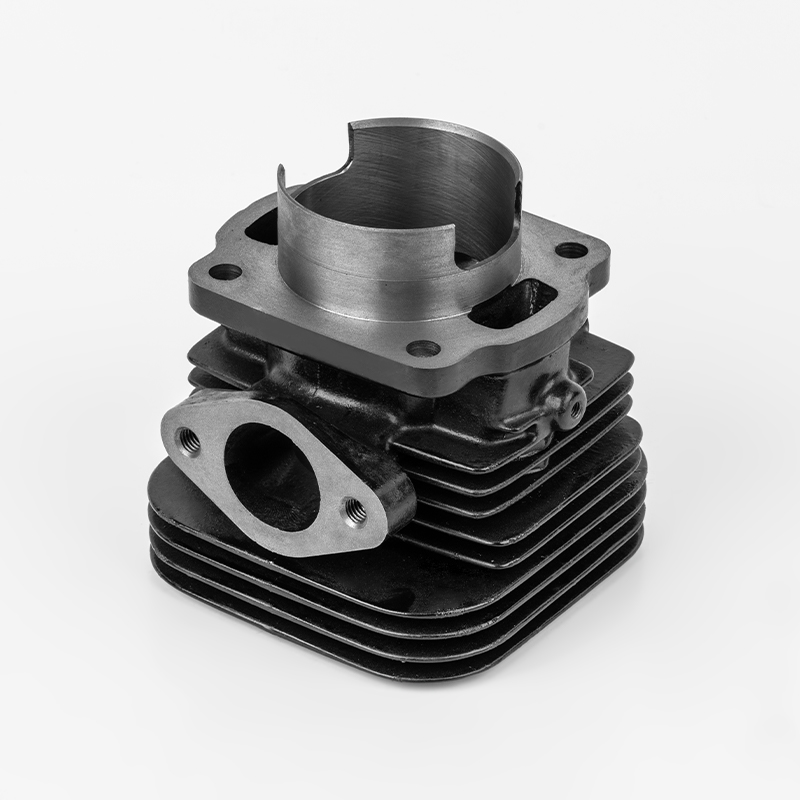
The rules change slightly, and become more technical, when the break in period follows an engine rebuild rather than a factory new purchase. A rebuilt engine's break in success depends heavily on how the cylinder was prepared before reassembly.
- 1. Confirm the cylinder was honed after boring, or deglazed if the original bore was reused, since new rings cannot seat against a glazed, mirror-smooth wall.
- 2. Check that the honing left a consistent 45 degree crosshatch pattern; too shallow a crosshatch starves the rings of oil, too aggressive a crosshatch wears the rings prematurely.
- 3. Verify piston to wall clearance and ring end gap against the specifications supplied with the piston kit before final assembly.
- 4. Clean the cylinder thoroughly with solvent followed by soap and water, since abrasive honing grit left inside the bore will damage new rings within the first few miles.
- 5. Once reassembled, follow a break in throttle pattern similar to a factory new engine, using brisk but brief acceleration to generate the cylinder pressure needed for the new rings to wear into the fresh crosshatch quickly, since the honing pattern itself is at its most effective in the first few miles before it begins to naturally smooth with use.
A properly honed and broken in rebuild should show even, consistent compression across all cylinders within the first 100 to 200 miles. Uneven compression readings after that point usually point back to inconsistent honing rather than anything wrong with the rings themselves.
It is also worth noting the difference between a hand-held flex hone and a fixed torque plate honing setup used by professional machine shops. A torque plate bolts to the top of the cylinder during honing to simulate the distortion the cylinder head and head gasket introduce once torqued down in a running engine, which produces a more accurate, more perfectly round bore than honing an unclamped cylinder by hand. For a performance rebuild or a bike that will be pushed hard shortly after reassembly, a torque plate hone from a machine shop is generally considered a meaningfully better starting point for ring seating than a hand hone performed at home, even though a careful hand hone can still produce acceptable results for a moderately used street engine.
Tires, Brakes, and Other Components That Also Need Break In
The engine gets the most attention during break in, but it is not the only system on a new or rebuilt motorcycle that benefits from a careful first several hundred miles.
| Component | What Happens | Typical Duration |
|---|---|---|
| Tires | Mold-release compound wears off the tread surface, improving grip | First 100 to 150 miles |
| Brake pads and rotors | Pad material transfers evenly onto the rotor surface, improving stopping power and reducing vibration | First 150 to 200 miles |
| Drive chain | Links stretch slightly as they seat, requiring more frequent tension checks | First 300 to 500 miles |
| Clutch plates | Friction material and steel plates bed in against each other for consistent engagement | First 300 to 500 miles |
New tires deserve particular caution. The tread compound leaves the factory with a thin, slightly slick mold-release layer that reduces grip until it wears away through normal riding. Aggressive lean angles or hard braking in the first several miles on a new set of tires, especially in cold temperatures, is a common and avoidable cause of low-speed slide-outs that have nothing to do with the rider's skill and everything to do with an untreated tread surface.
Break In Myths Worth Retiring
A few pieces of break in advice circulate widely among riders despite being outdated, oversimplified, or specific to a narrow set of circumstances that do not generalize to most engines.
"Modern engines with tight tolerances do not need break in at all"
Manufacturing precision has genuinely improved over the decades, and it is true that break in matters somewhat less than it did fifty years ago. However, the piston rings still need to wear into the cylinder's crosshatch pattern to seat properly, and that mechanical process has not been eliminated by tighter tolerances, only made slightly less forgiving of a poorly executed break in.
"Ride it as hard as possible from the first mile to seat the rings fastest"
Cylinder pressure does help seat the rings, which is the kernel of truth in this myth, but sustained maximum load before the engine has reached stable operating temperature and before other components such as bearings and valve train have settled risks uneven wear, overheating, and in extreme cases scuffing the cylinder wall. Brisk, varied throttle inputs achieve the same goal with far less risk than sustained abuse.
"The break in period is only about the engine"
As the tables above show, tires, brakes, the clutch, and the drive chain all go through their own settling process during the same mileage window, and neglecting them while focusing exclusively on RPM limits is a common oversight.
"Once the odometer passes the stated mileage, the engine is fully broken in and nothing more needs to change"
Ring seating is largely complete by the end of the stated break in mileage, but other components, particularly valve train clearances and the drive chain, continue to settle gradually over the following few thousand miles, which is why manufacturers schedule a valve clearance check and a more thorough inspection at the first major service rather than only at the break in oil change.
Signs of a Properly Broken In Engine Versus a Poorly Broken In Engine
Once the break in mileage has been completed, a few simple checks indicate whether the process went well.
| Indicator | Properly Broken In | Poorly Broken In |
|---|---|---|
| Exhaust color under load | Clear to light haze | Persistent blue-gray smoke |
| Oil consumption between changes | Minimal, within manual spec | Noticeably needs topping up |
| Throttle response by mile 1,000 | Smooth, consistent power delivery | Flat spots or inconsistent pull |
| Compression test result | Matches manufacturer spec, even across cylinders | Below spec or uneven between cylinders |
| Idle stability when warm | Steady, consistent idle speed | Hunting or fluctuating idle |
If several of these poorly broken in indicators appear together rather than in isolation, a compression test and a visual inspection of the spark plugs are the most useful next diagnostic steps, since plug color and compression readings together can usually tell whether the cause is genuinely incomplete ring seating or an unrelated issue such as a fueling or ignition problem that happened to surface during the same mileage window.
Post Break In Maintenance Checklist
Once the stated break in mileage is complete, a short round of checks confirms the engine and drivetrain have settled correctly before returning to normal riding and normal service intervals.
- Change the oil and filter if this was not already done at the manufacturer's specified break in mileage
- Recheck and adjust drive chain or belt tension, since initial stretch is usually complete by this point
- Recheck spoke tension on wire-spoked wheels, which commonly loosen slightly during early break in
- Inspect fasteners, particularly engine mount bolts and exhaust clamps, for any that have loosened from vibration
- Confirm there are no oil, coolant, or fuel leaks that have developed as gaskets have settled under heat cycling
- Schedule the valve clearance check called for in the manual, even if it falls slightly later than the oil change
Completing this checklist marks the practical end of the break in period. From this point forward, standard maintenance intervals apply, and the engine can be ridden across its full RPM range and load range as the manufacturer intended.
Frequently Asked Questions
Do modern motorcycle engines with tighter manufacturing tolerances still need a break in period
Yes. Computer-controlled machining has improved tolerances significantly compared to engines built decades ago, but the piston rings still need to wear into the cylinder's crosshatch pattern to form a complete seal. Manufacturers continue to publish break in guidelines because the mechanical process has not changed, only the starting precision has improved.
Is it true that riding hard from the start seats the rings better
This idea has some truth in a controlled context, since cylinder pressure is what drives ring seating, but sustained high RPM and full load from the very first mile risks uneven wear and overheating before the engine has stabilized. A better approach is brisk, brief acceleration mixed with deceleration, not sustained thrashing.
What happens if I accidentally exceed the RPM limit briefly during break in
A brief, momentary excursion above the stated RPM limit, for example during an emergency maneuver, is not something that noticeably affects break in outcomes. The concern is sustained high RPM held for extended periods, not a one or two second spike.
Can I use full synthetic oil during the break in period
Follow the oil type specified in the owner's manual for the break in interval specifically. Some manufacturers ship the bike with a break in specific oil formulation and recommend switching to full synthetic only after the first service. Switching to a very low friction synthetic too early can slow down ring seating.
How many heat cycles should a new motorcycle go through before hard riding
There is no fixed number, but allowing the engine to fully warm up and cool down naturally a handful of times over the first 100 to 150 miles, rather than one continuous long ride, helps components settle at operating temperature gradually.
Does the break in period apply to the transmission and clutch as well as the cylinder
Yes. Gear teeth, clutch plates, and wheel bearings all go through a similar mating process during the same mileage window, which is part of why manufacturers recommend varied riding rather than one riding style for the entire break in period.
Should I avoid highway riding entirely during break in
Not entirely. Highway riding is fine in moderation as long as speed and RPM are varied rather than held constant for long stretches. The concern is sustained, unchanging engine speed, not highway riding itself.
Is track riding or racing appropriate during the break in period
Most manufacturers and race organizers recommend completing the full break in mileage on the street before the first track day, since a track session involves sustained high RPM and high load that is more appropriate once the rings have already seated and the engine has already been through its early heat cycles.
Does break in matter for electric motorcycles
Electric motorcycles do not have a piston, cylinder, or rings, so the combustion-related break in process does not apply. However, many manufacturers still recommend a gentle initial period for the drive belt or chain, suspension, and tires to settle, even though there is no engine break in involved.
Will skipping break in void my warranty
Warranty terms vary by manufacturer and region, so check the specific documentation for the bike in question. Even where a skipped break in period would be difficult to prove after the fact, poor break in habits genuinely increase the likelihood of the kind of oil consumption and compression problems that warranty claims are filed for in the first place.