
 English
 Español
 عربى
عربى

Content
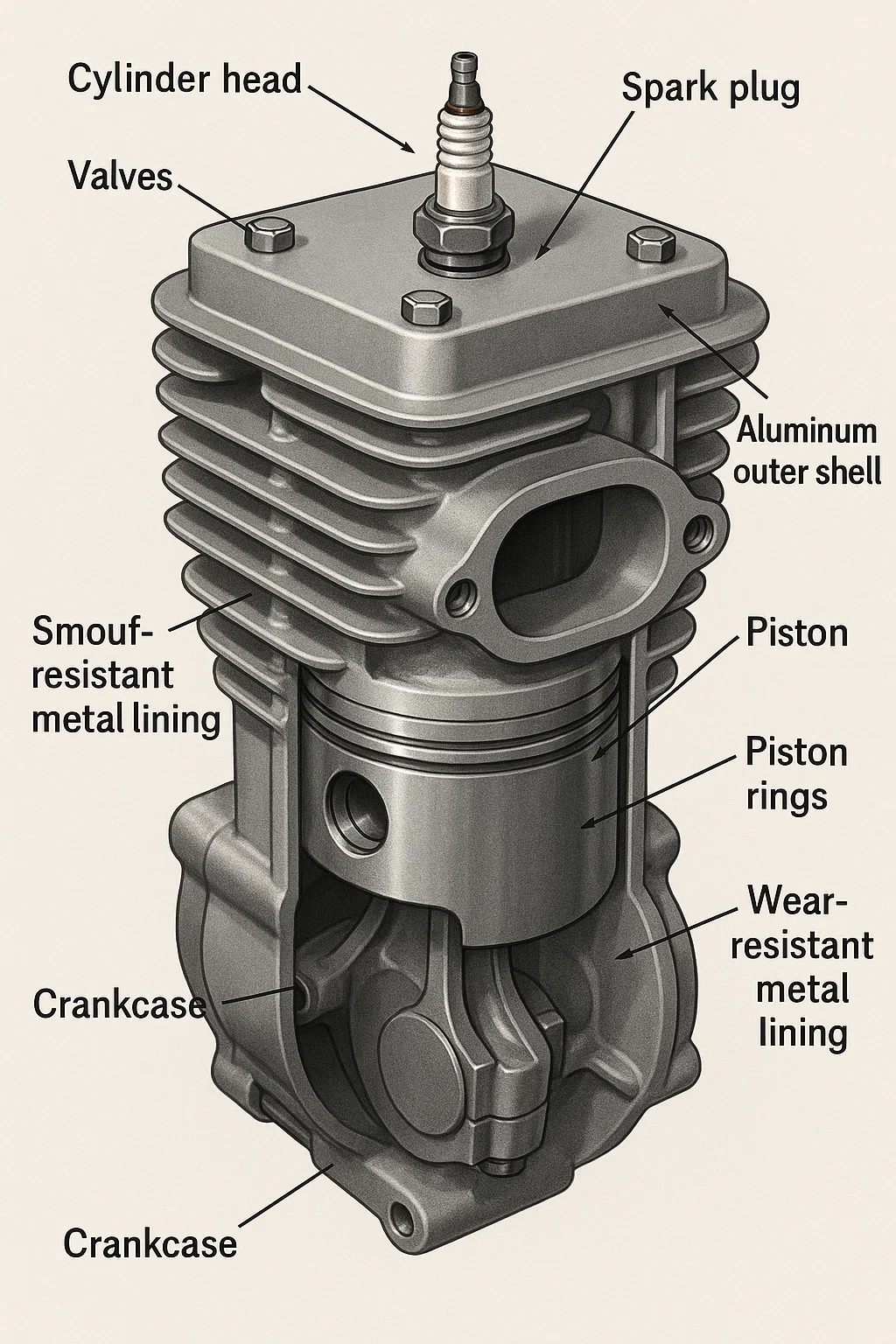
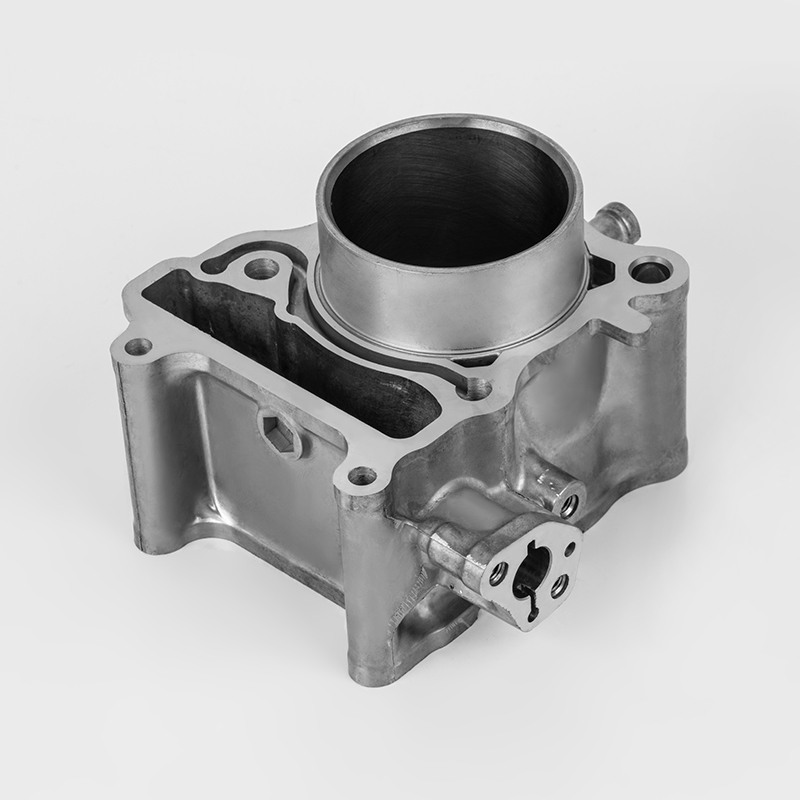
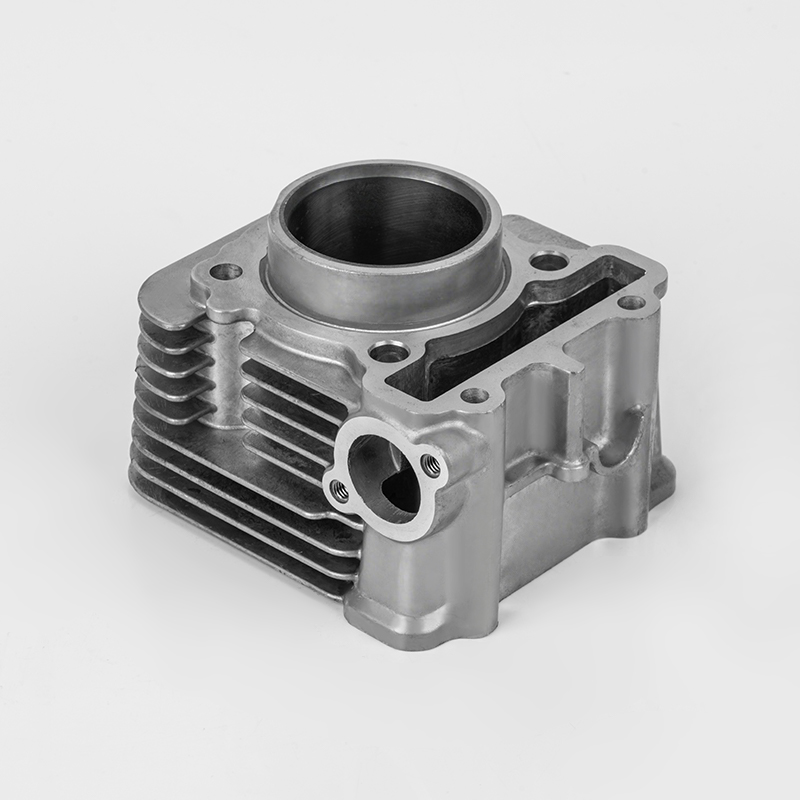
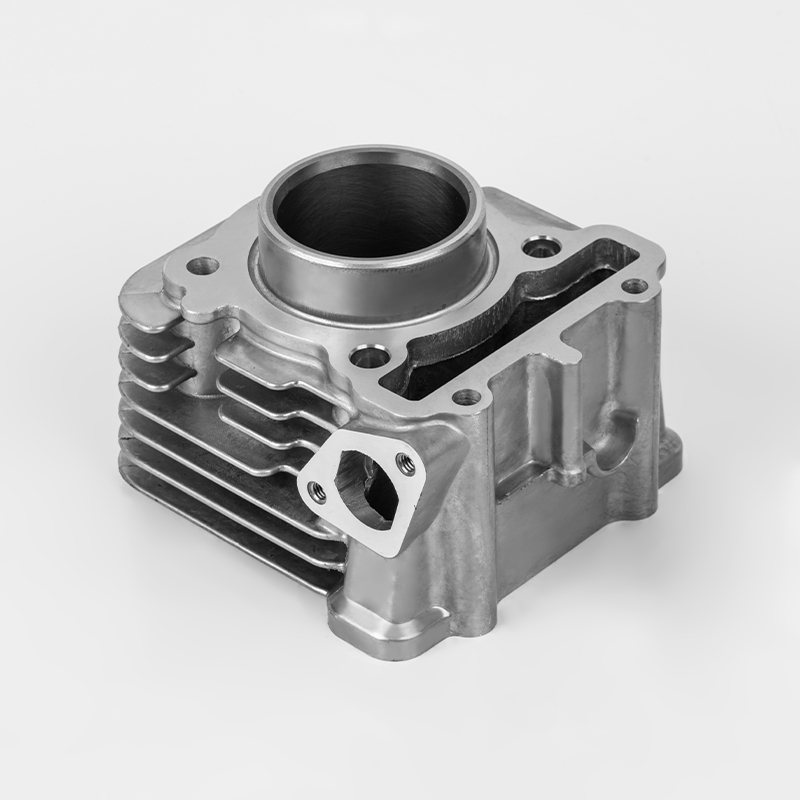
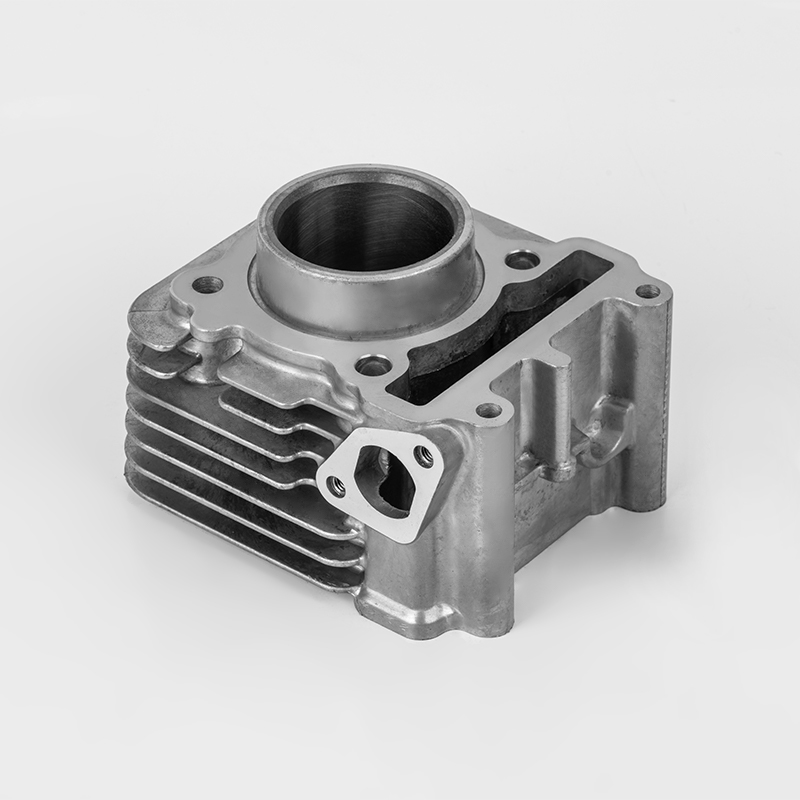
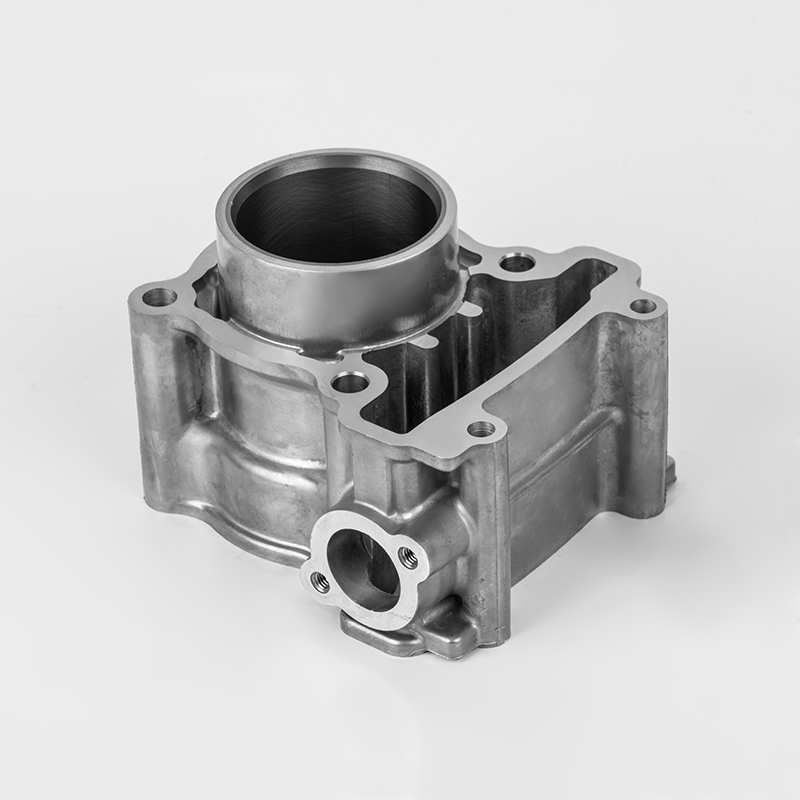
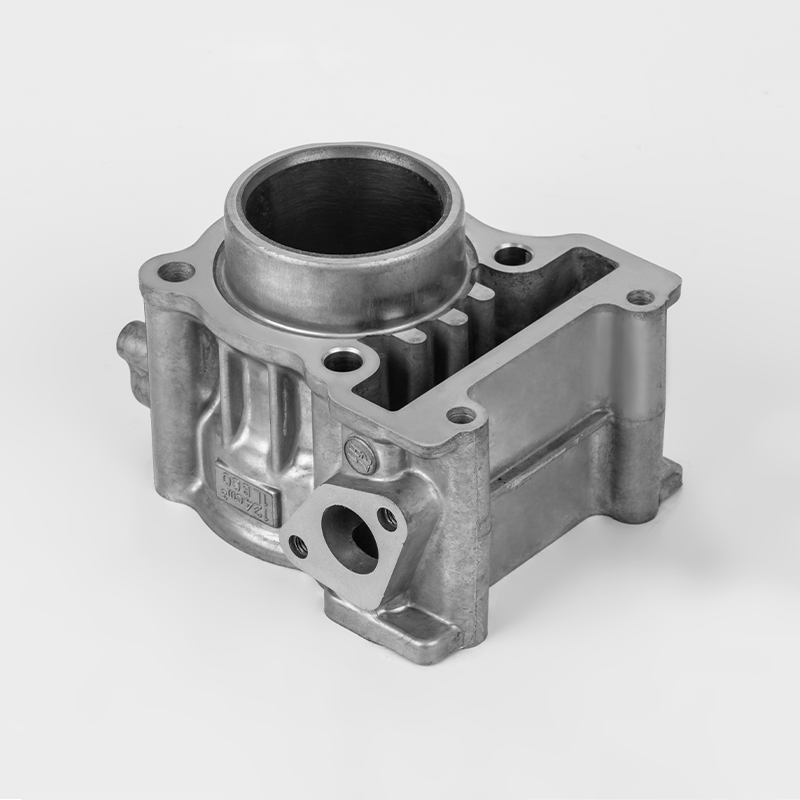
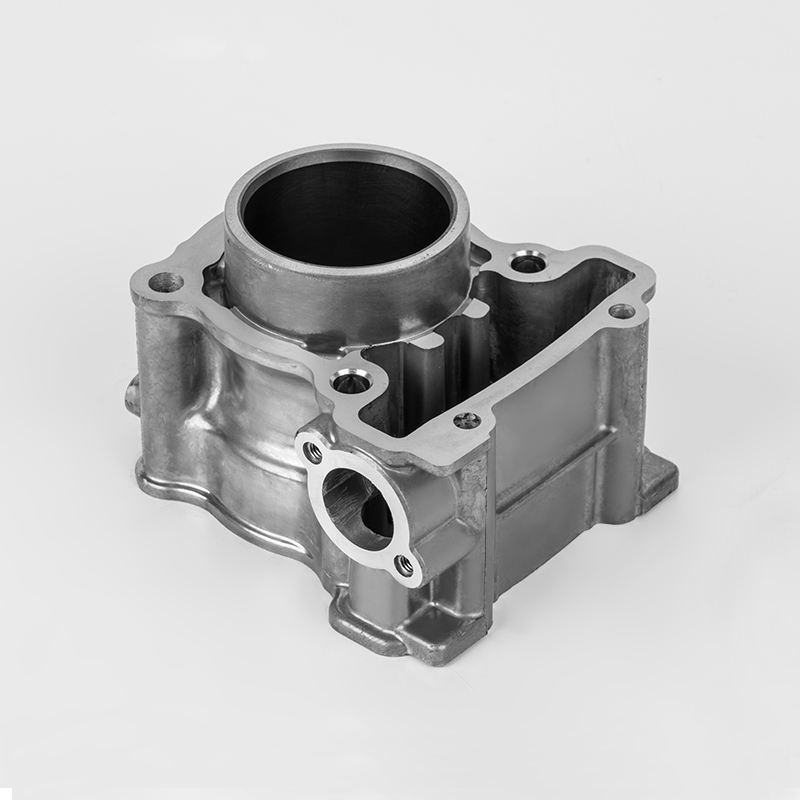
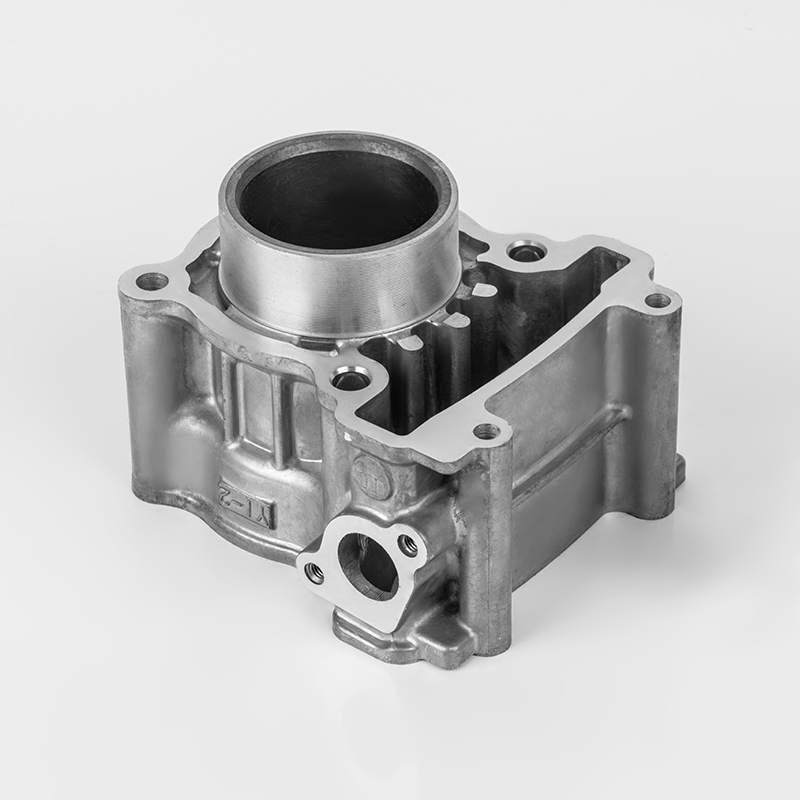
The motorcycle cylinder is the cylindrical "power workshop" inside the engine, where the piston moves up and down rapidly, converting the explosive energy of gasoline into the rotational force of the wheels.
I. Looks like an iron can, but there's more to it than meets the eye
• Location:
Directly connected to the cylinder head (which has the spark plug and valves), and sits on top of the crankcase.
Multi-cylinder engines (such as twin-cylinder and four-cylinder) have several "iron cans" working side by side.
• Material:
Commonly has an aluminum outer shell (lightweight + fast heat dissipation), with a wear-resistant metal lining inside (such as a nickel-silicon coating or iron liner) to prevent wear from the piston.
II. Core Task: Converting Explosion into Power
• The Piston's Race Track:
The piston moves rapidly up and down inside the cylinder, like the rod of a bicycle pump.
The inner wall of the cylinder must be smooth as a mirror to reduce friction (otherwise it will overheat and seize).
• Four-Step Transformation:
Intake: The piston moves down, drawing in the fuel-air mixture.
Compression: The piston moves up, compressing the fuel-air mixture into a "bomb."
Combustion: The spark plug ignites the mixture, the "bomb" explodes, pushing the piston downwards (this is the source of power!).
Exhaust: The piston moves back up, pushing the exhaust gases out through the exhaust pipe.
• In short: The cylinder is a "closed battlefield" where the gasoline explosion has room to exert force, forcing the piston to move and drive the wheels.
III. Additional Skills: Heat Resistance and Durability
• Excellent Heat Dissipation:
The cylinder has cooling fins (air-cooled, like fish scales) or a water jacket (water-cooled, containing coolant) to prevent high temperatures from melting the parts.
Is it hot to the touch after riding for a while? That's normal, after all, there's an "explosion" happening inside.
• Tight Seal:
The piston is fitted with piston rings (small iron rings) that tightly scrape against the cylinder wall, preventing air and oil leaks.
What happens if it leaks? → The engine loses power, burns oil, and emits blue smoke from the exhaust (we've discussed the symptoms of a "dead cylinder" before).
IV. Why is it considered the heart of the engine?
No cylinder = No power: It's the starting point of the engine's power generation; if the cylinder fails, the vehicle is paralyzed. Wear and tear is the arch-enemy: the pistons constantly rub against the cylinder walls, and over time this causes grooves to form, leading to oil burning and reduced engine power.
It's sensitive to heat and prone to cracking: overheating can cause deformation, and cold starts in winter can scratch the cylinder walls (especially for those who frequently drive short distances at high speeds).