
 English
 Español
 عربى
عربى

Content
The Verdict: Choosing Based on Your Riding Soul
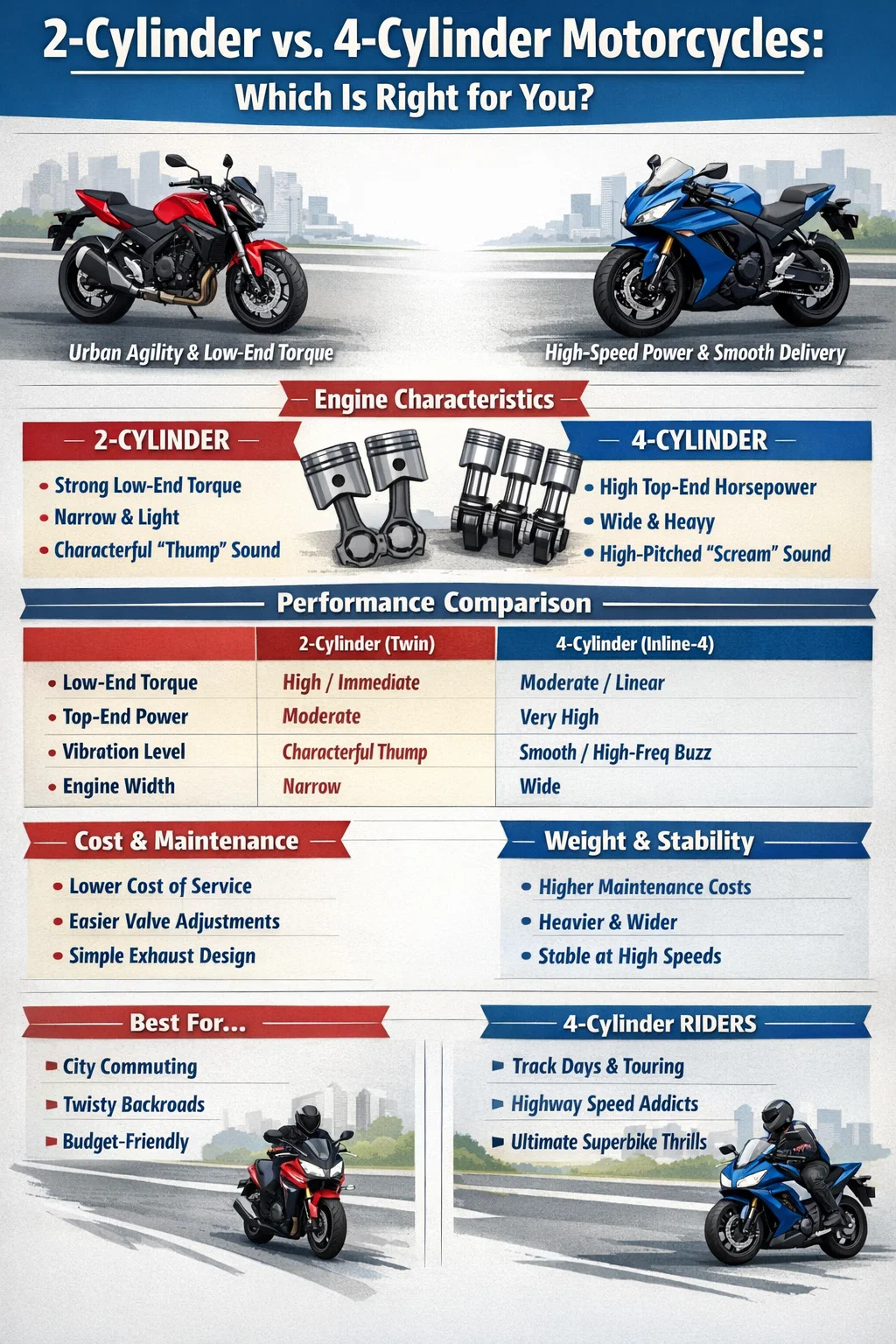
The question of whether a 2-cylinder or 4-cylinder motorcycle is "better" has no universal answer, but the functional distinction is clear: A 2-cylinder motorcycle is superior for low-end torque, urban agility, and narrow ergonomics, while a 4-cylinder motorcycle is the undisputed king of high-speed stability, top-end horsepower, and smooth power delivery. If your riding consists of city commuting and tight mountain twisties, two cylinders often provide a more engaging experience. However, if you crave the scream of a high-revving engine and spend your time on tracks or long highways, four cylinders are worth the extra weight and cost.
The Character of the Motorcycle Cylinder: Torque vs. Horsepower
The fundamental difference lies in how the engine breathes and moves. In a 2-cylinder setup (often a Parallel-Twin or V-Twin), each individual motorcycle cylinder is larger. Larger pistons have more mass and a longer stroke, which translates to a massive punch of torque at low RPMs. This "grunt" allows you to pull away from stoplights with authority without needing to dance on the gear shifter.
Conversely, a 4-cylinder engine divides the total displacement into smaller portions. Because the pistons are smaller and lighter, they can move up and down at much higher speeds. This allows 4-cylinder bikes to reach astronomical redlines, often exceeding 14,000 RPM, where they generate massive amounts of peak horsepower. While they may feel "gutless" or sleepy at low speeds, they transform into missiles once the needle hits the power band.
Performance Comparison Table
| Feature | 2-Cylinder (Twin) | 4-Cylinder (Inline-4) |
|---|---|---|
| Low-End Torque | High / Immediate | Moderate / Linear |
| Top-End Power | Moderate | Very High |
| Vibration Level | Characterful Thump | Smooth / High-Freq Buzz |
| Engine Width | Narrow | Wide |
Weight and Handling Dynamics
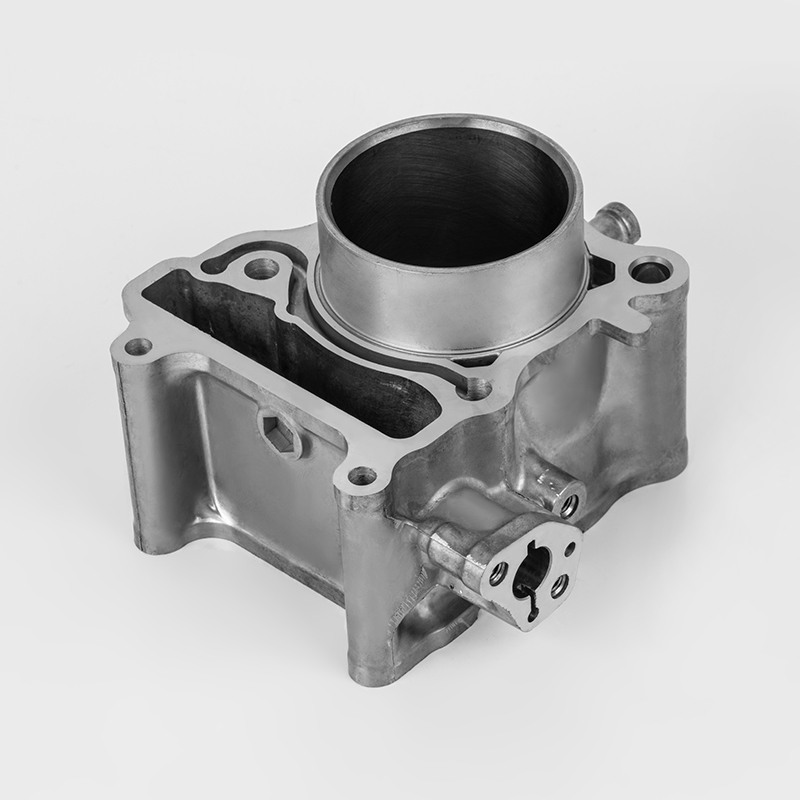
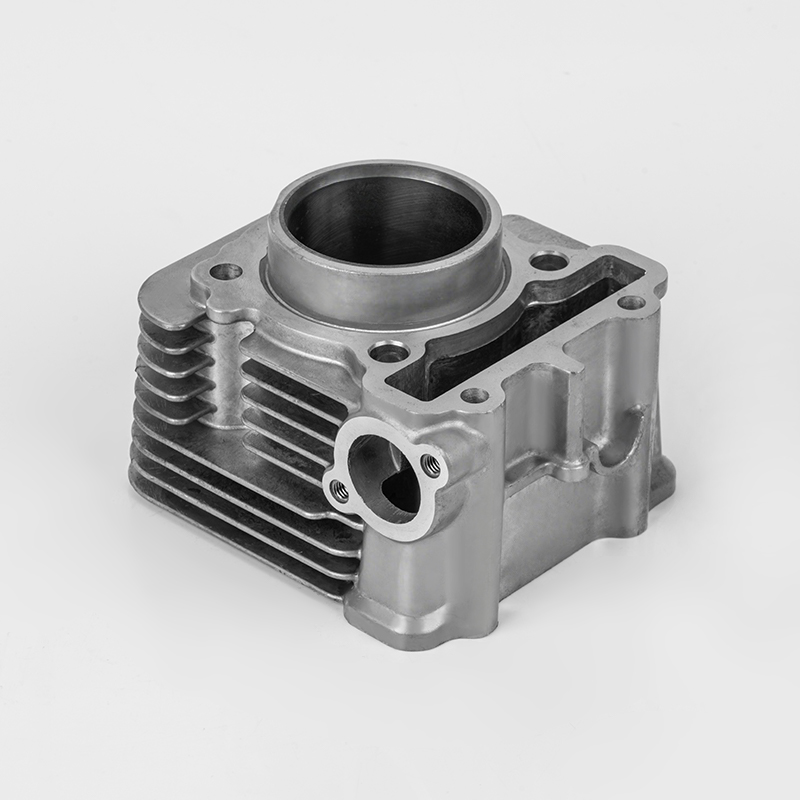
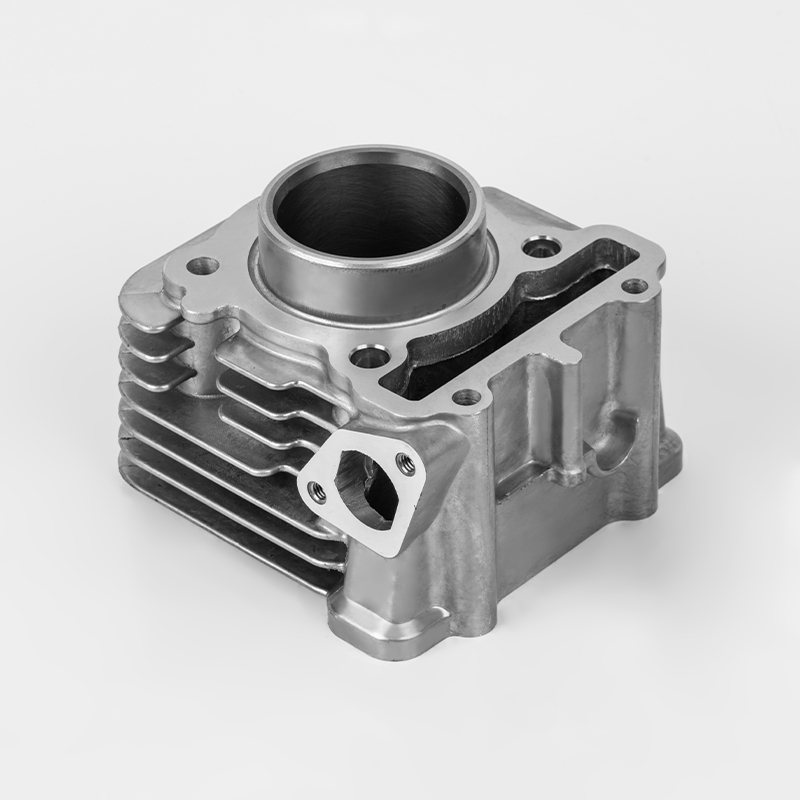
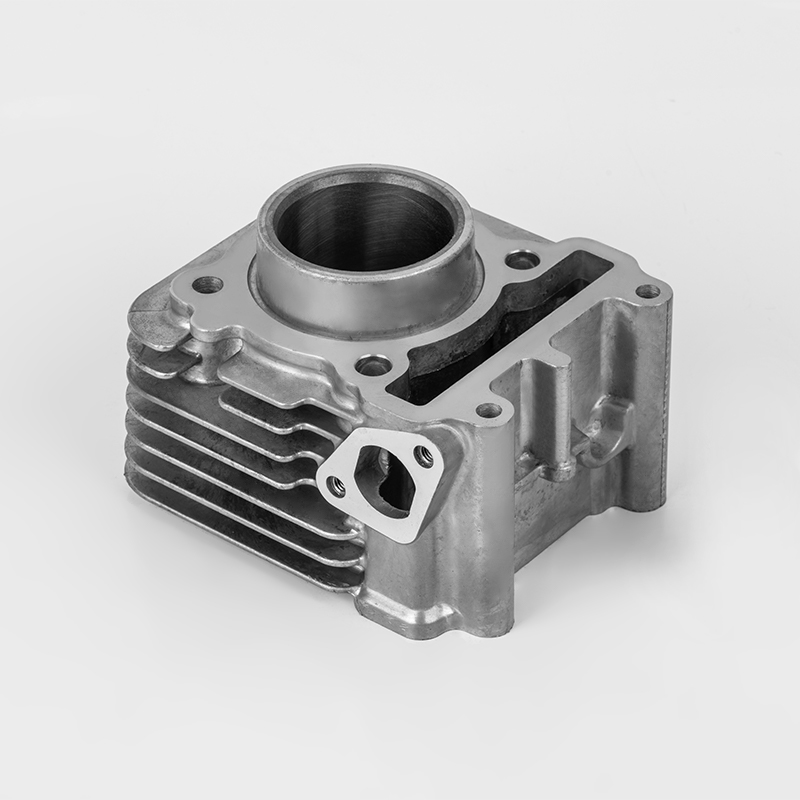
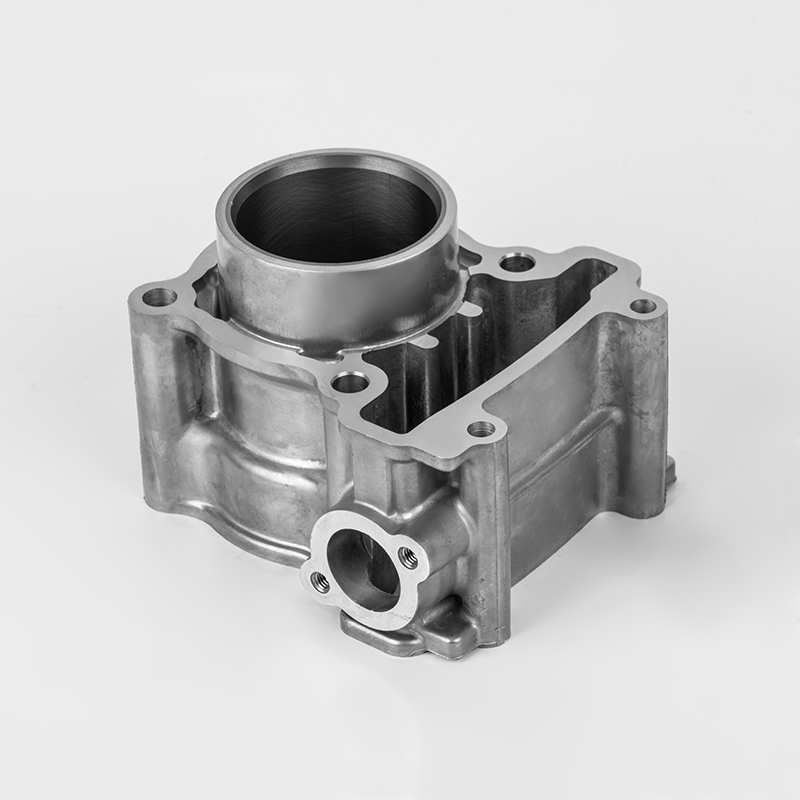
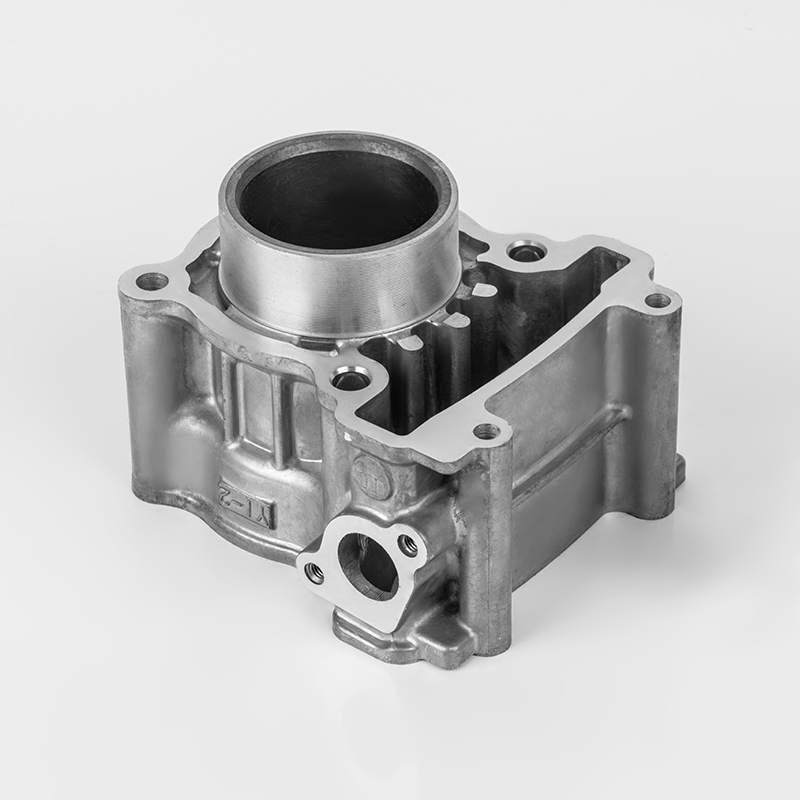
The physical footprint of the motorcycle cylinder head significantly impacts how the bike handles. A 2-cylinder engine is inherently narrower. This allows the motorcycle frame to be slimmer between the rider's knees, making it much easier for shorter riders to touch the ground and for sport riders to lean the bike over quickly in corners. Many modern 650cc twins weigh significantly less than their 4-cylinder counterparts, often by as much as 15 to 25 kilograms.
Four-cylinder engines are wider and heavier. This extra mass acts like a gyroscope, which actually aids in high-speed stability. On a windy highway at 120 km/h, a heavy 4-cylinder bike will feel more "planted" and less affected by crosswinds than a light, flickable twin. However, in heavy traffic, the width of a four-cylinder can make lane filtering more nerve-wracking.
Cost of Ownership and Maintenance Realities
When we talk about the long-term relationship with your bike, the motorcycle cylinder count directly dictates your service bill. Maintenance on a 2-cylinder bike is almost always cheaper and simpler.
- You only have half the number of spark plugs to replace during a tune-up.
- Valve clearance adjustments—one of the most expensive services—take much less time because there are fewer valves to measure and shim.
- The exhaust systems for twins are simpler, requiring less material and fewer headers, which lowers the cost of aftermarket upgrades.
A 4-cylinder bike is a precision instrument. It requires four of everything: four fuel injectors, four spark plugs, and often 16 individual valves. While these engines are incredibly reliable if maintained, the labor costs at a professional shop will reflect the complexity of the machine.
The Emotional Factor: Sound and Feel
Statistics don't tell the whole story; the "soul" of the engine matters. The sound produced by the motorcycle cylinder firing order creates the bike's identity. Twins often have a "heartbeat"—a rhythmic, pulsing vibration that many riders find charismatic. Whether it's the 270-degree crank of a modern parallel-twin or the classic rumble of a V-Twin, the sensation is visceral and raw.
The 4-cylinder engine offers the "Formula 1" experience. The sound is a smooth, jet-like whine at low speeds that evolves into a haunting, high-pitched scream as you approach the redline. This engine type is virtually vibration-free at cruising speeds, making it far superior for long-distance touring where engine buzz can cause numbness in the hands and feet.
Final Practical Considerations
When to buy a 2-Cylinder:
- You are a new rider looking for manageable power.
- You ride mostly in the city or on technical, curvy backroads.
- You are on a budget for both purchase price and maintenance.
When to buy a 4-Cylinder:
- You love high-speed track days or highway touring.
- You prefer a smooth, vibration-free engine character.
- You want the ultimate mechanical performance and the classic "superbike" sound.