
 English
 Español
 عربى
عربى

Content
The Short Answer: Yes, a Dead Cylinder is Fixable
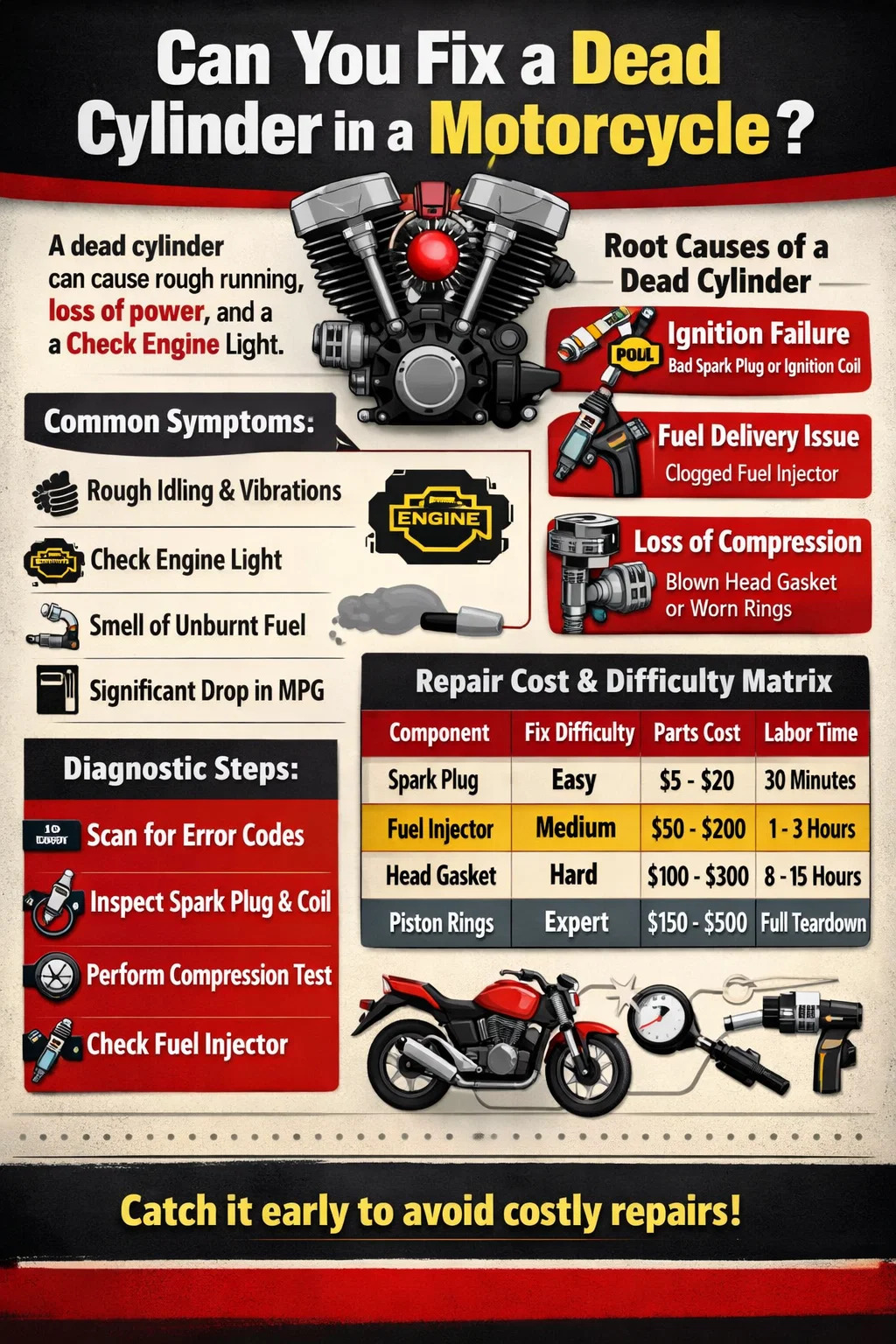
A "dead cylinder" is not necessarily a death sentence for your engine, but the complexity of the fix depends entirely on what caused the failure. Yes, a dead cylinder can almost always be fixed, ranging from a simple 10-minute spark plug swap to a complete engine teardown involving machining the engine block. The path to recovery depends on whether the issue is "external" (fuel or spark) or "internal" (mechanical failure and compression loss).
Identifying the Symptoms of a Dead Cylinder
Before diving into the tools, you must confirm that a cylinder has actually stopped firing. A dead cylinder creates a distinct "hiccup" or rhythmic vibration because the engine's balance is thrown off. For a rider on a motorcycle cylinder setup, this is often felt as a significant loss of power and a change in the exhaust note, which may sound muffled or "choppy."
Common signs include:
- Severe engine shaking at idle.
- A "Check Engine" light flashing (usually indicating a P0300 to P0304 misfire code).
- The smell of unburnt raw fuel coming from the tailpipe.
- A massive drop in fuel economy, sometimes by 25% to 30% depending on the total cylinder count.
Root Causes and Their Respective Fixes
To fix the problem, we categorize the failure into three main pillars: Spark, Fuel, and Compression. Understanding these helps determine if you are looking at a $20 repair or a $2,000 overhaul.
1. Ignition Failure (The Easiest Fix)
If the spark plug is fouled or the ignition coil has failed, the mixture in that specific motorcycle cylinder won't ignite. Replacing a spark plug is the most common solution. If the coil is dead, swapping it with a coil from a working cylinder is a great way to test if the "death" moves to the new location.
2. Fuel Delivery Issues
A clogged fuel injector will starve the cylinder. While fuel additives sometimes help, a dead injector usually requires replacement. In older carbureted motorcycles, a blocked jet in one part of the carb can kill a single cylinder's performance at specific RPMs.
3. Loss of Compression (The Serious Scenario)
This is when the cylinder can no longer hold the pressure required for combustion. This is usually caused by a blown head gasket, burnt valves, or worn piston rings. Fixing this requires removing the cylinder head.
Repair Cost and Difficulty Matrix
The following table outlines what you might expect when dealing with a dead cylinder repair across different components.
| Problem Component | Fix Difficulty | Parts Cost Est. | Labor Intensity |
|---|---|---|---|
| Spark Plug | Low | $5 - $20 | 30 Minutes |
| Fuel Injector | Medium | $50 - $200 | 1 - 3 Hours |
| Head Gasket | High | $100 - $300 | 8 - 15 Hours |
| Piston Rings | Expert | $150 - $500 | Full Teardown |
When Internal Damage is the Culprit
If you perform a compression test and find that one motorcycle cylinder reads significantly lower than the others (usually a difference of more than 10-15%), the fix gets invasive. For example, if a valve is "burnt," it means the edge of the valve has melted or chipped, preventing it from sealing against the cylinder head. To fix this, the head must be sent to a machine shop to have the valve seats reground.
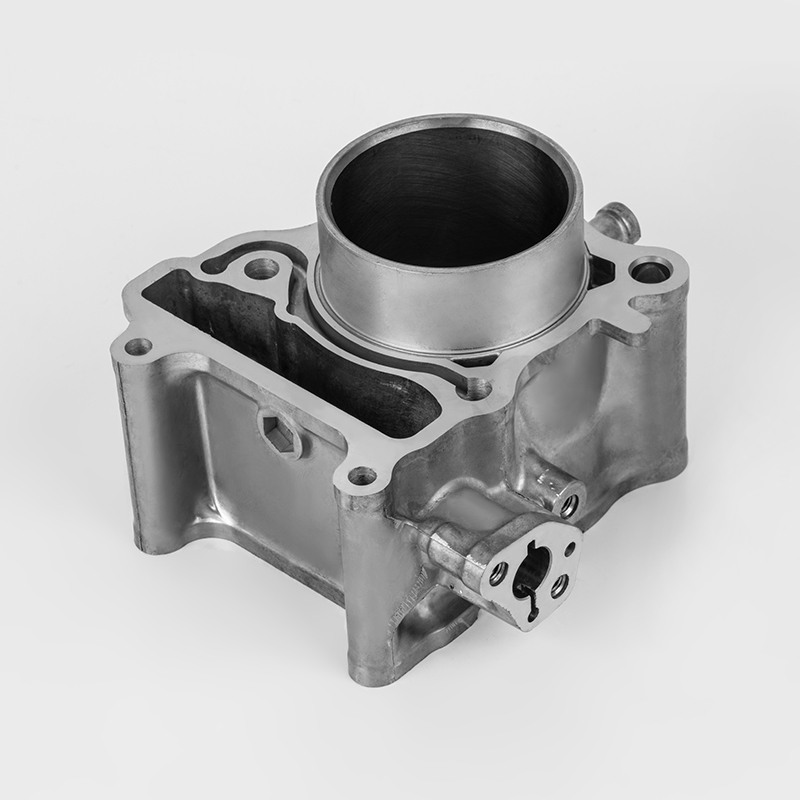
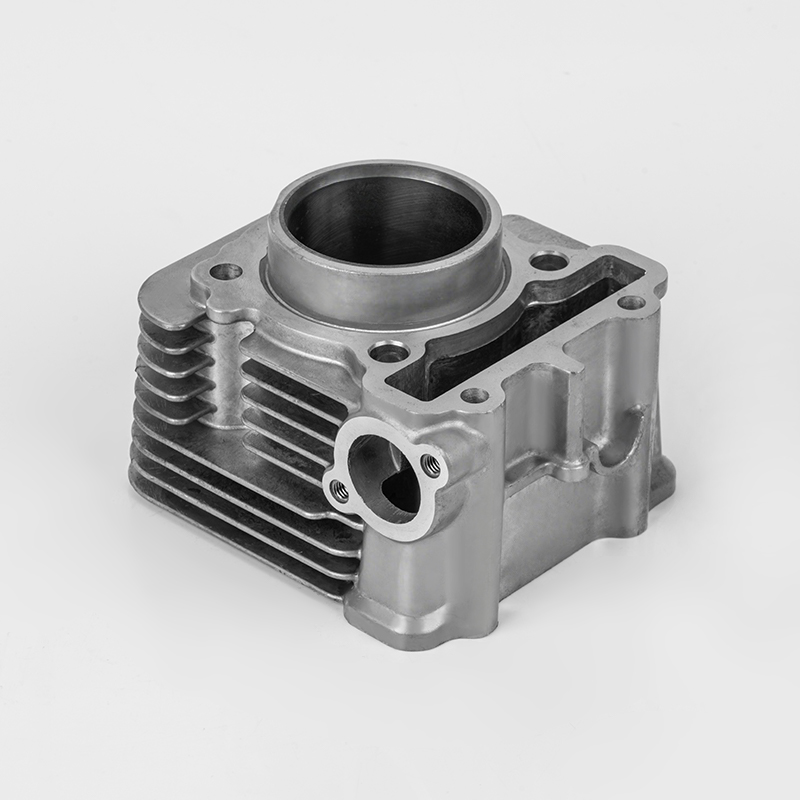
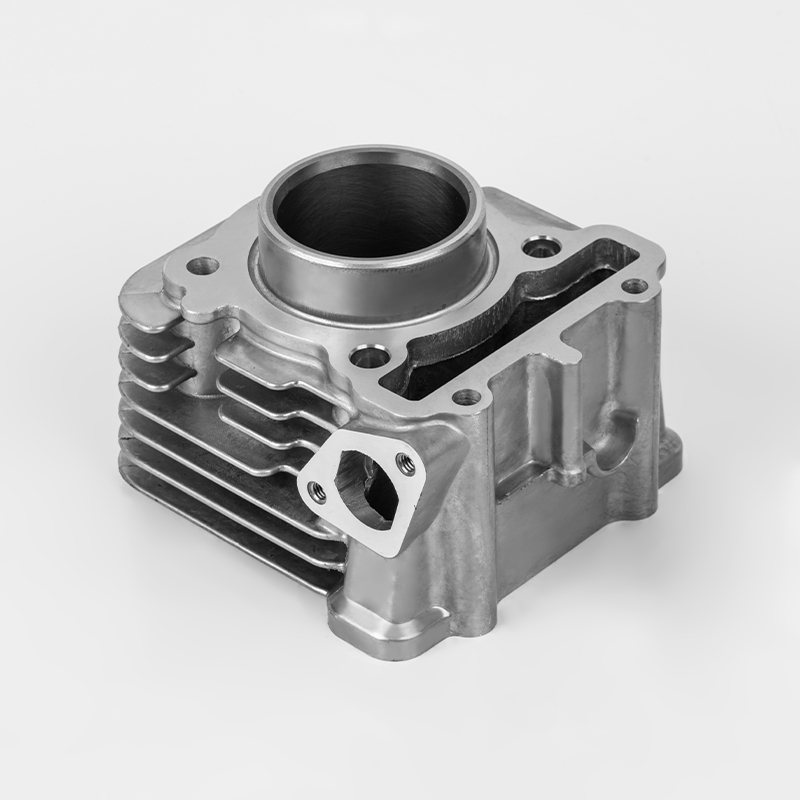
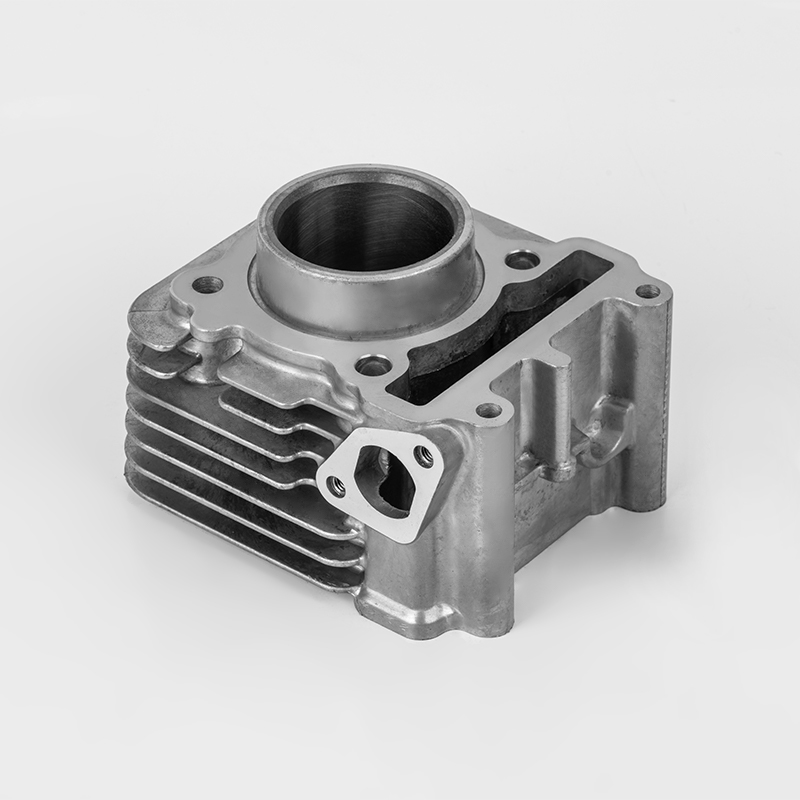
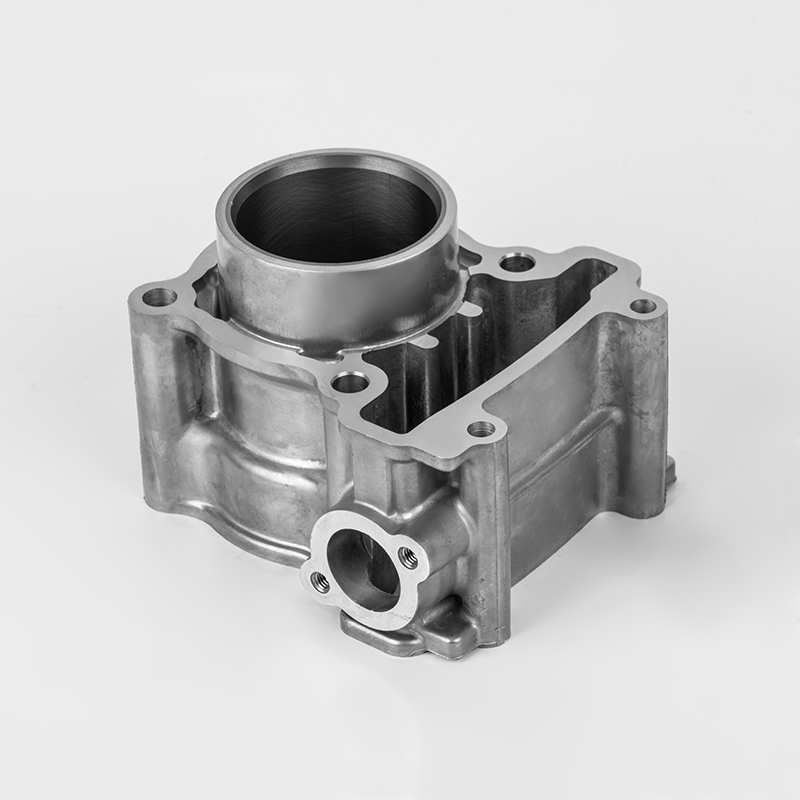
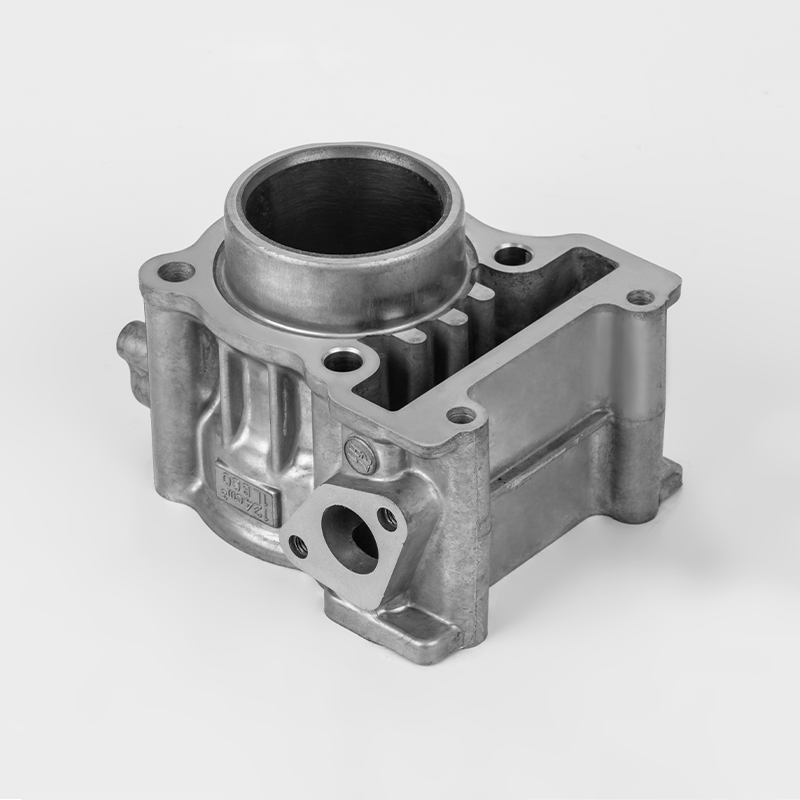
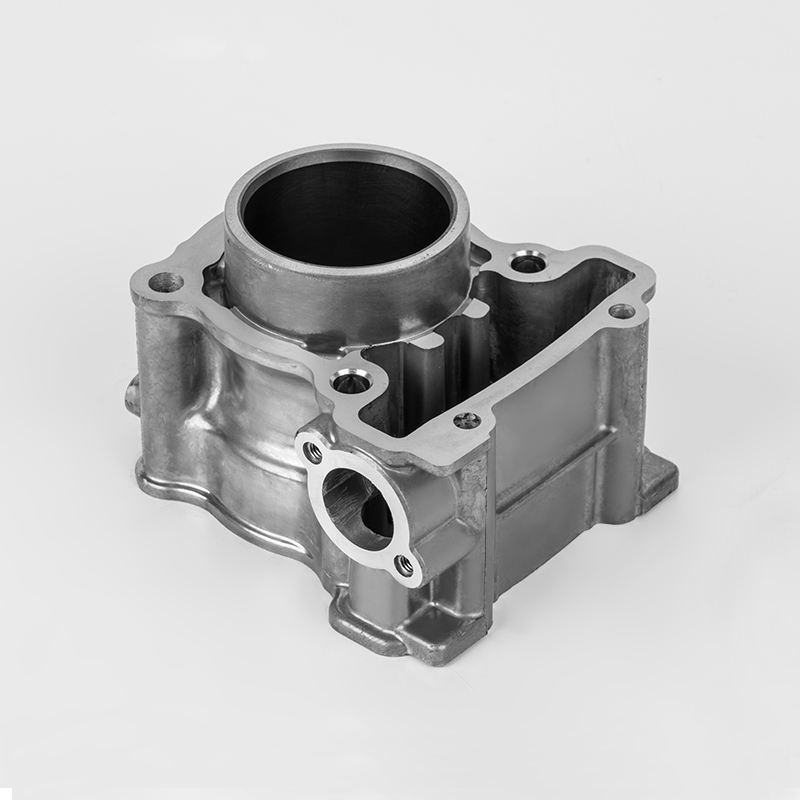
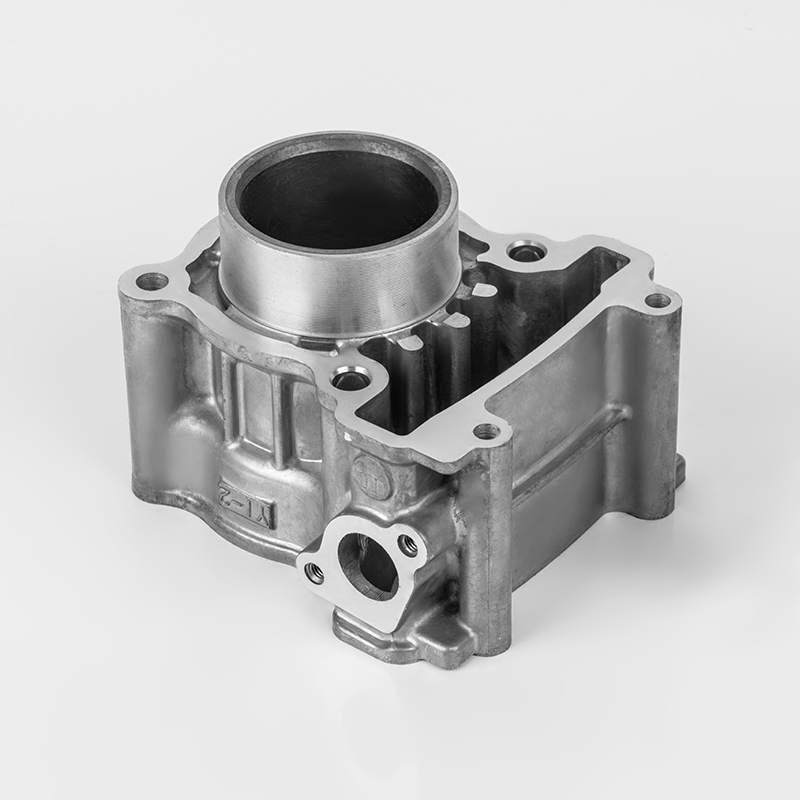
In cases of "scoring" (scratches on the cylinder wall), the cylinder may need to be honed or bored out. On many modern engines with specialized coatings, a damaged cylinder wall might require a complete block replacement or the insertion of a new sleeve, which is often the point where owners consider a used engine swap instead of a repair.
Steps to Take When You Suspect a Dead Cylinder
Follow this logical progression to avoid overspending on unnecessary repairs:
- Scan the ECU for error codes to identify the specific cylinder.
- Check the spark plug for color; a wet, black plug suggests it isn't firing.
- Swap the ignition coil with the adjacent cylinder to see if the misfire moves.
- Perform a compression test to rule out mechanical "death."
- Listen to the fuel injector using a mechanic's stethoscope for a consistent clicking sound.
Fixing a dead cylinder is a matter of process. If you catch it early, you prevent the unburnt fuel from washing the oil off your cylinder walls or clogging your expensive catalytic converter, which could lead to even more costly repairs down the road.