
 English
 Español
 عربى
عربى

Content
- 1 Honda CB 300R Specifications: What You Need to Know Before You Buy
- 2 Engine Specifications and Performance Figures
- 3 Chassis, Frame, and Suspension Specifications
- 4 Braking System and Safety Features
- 5 Dimensions, Weight, and Ergonomics
- 6 Cylinder Construction: Why Aluminum Alloy Matters in Small-Displacement Performance
- 7 Honda CB 300R vs. Key Competitors: Specification Comparison
- 8 Fuel Economy and Real-World Range
- 9 Electrical System and Instrumentation
- 10 Maintenance Schedule and Service Intervals
- 11 Who the Honda CB 300R Is Actually For
Honda CB 300R Specifications: What You Need to Know Before You Buy
The Honda CB 300R is a lightweight naked street motorcycle built around a 293cc single-cylinder, liquid-cooled, fuel-injected engine that produces approximately 30.9 horsepower at 8,500 rpm and 27.5 Nm of torque at 6,500 rpm. It weighs just 143 kg wet, making it one of the most nimble bikes in the entry-level segment. If you are researching honda cb 300r specifications for a buying decision or a technical comparison, the short answer is this: the CB 300R delivers modern performance in a compact, well-engineered package that punches above its displacement class — and its engine architecture is a key reason why.
Introduced globally in 2018 and refreshed for select markets afterward, the CB 300R sits in Honda's Neo Sports Café design language. It draws from the CB1000R's styling DNA but scales the hardware down to a category accessible to new riders and commuters without sacrificing engineering quality. Below, every major specification is broken down with context so you can understand not just the numbers but why they matter.
Engine Specifications and Performance Figures
The heart of the CB 300R is a 293cc DOHC single-cylinder engine with a bore and stroke of 76.0 mm × 64.5 mm — an oversquare configuration that favors high-rpm power delivery over low-end torque. This is a deliberate engineering choice that keeps the engine rev-happy and responsive in urban riding scenarios where quick throttle response matters more than pulling power at low speeds.
Core Engine Data at a Glance
| Parameter | Specification |
|---|---|
| Displacement | 293cc |
| Engine Type | Single-cylinder, DOHC, liquid-cooled |
| Bore × Stroke | 76.0 mm × 64.5 mm |
| Compression Ratio | 10.7:1 |
| Max Power | 30.9 hp @ 8,500 rpm |
| Max Torque | 27.5 Nm @ 6,500 rpm |
| Fuel System | PGM-FI (Programmed Fuel Injection) |
| Transmission | 6-speed, manual |
| Final Drive | Chain |
| Starter | Electric |
The 10.7:1 compression ratio sits at the upper edge of what 91-octane (RON 95) pump fuel can sustain without knock, extracting maximum thermal efficiency from the displacement. Honda's PGM-FI system ensures precise fueling under variable throttle inputs, which is noticeable in real-world riding: the CB 300R has minimal flat spots in its power delivery between 3,000 and 8,500 rpm, which is the range you use most in city traffic and flowing secondary roads.
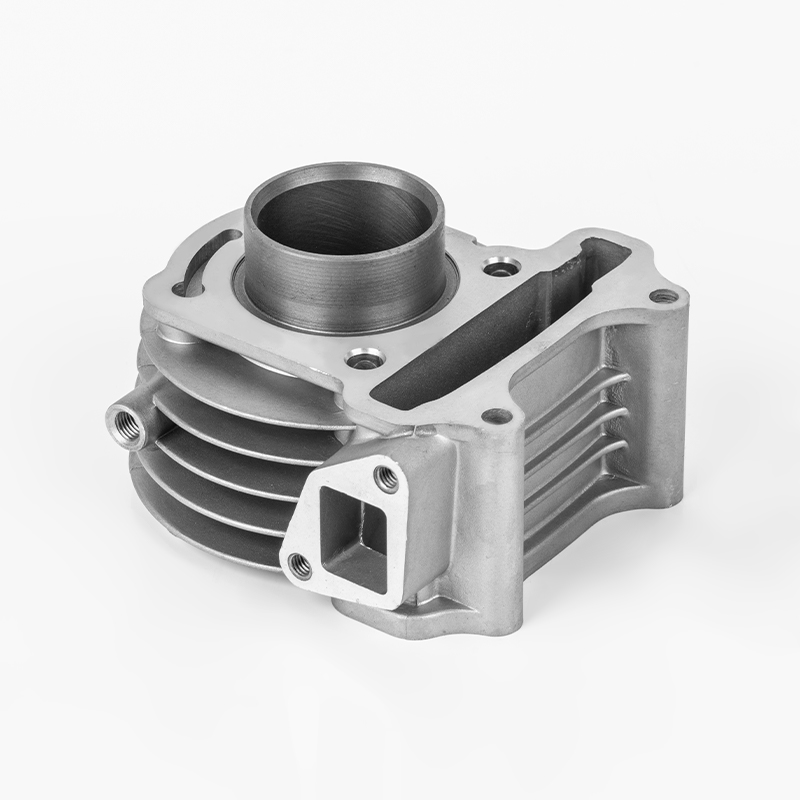
The Role of the Honda Aluminum Alloy Motorcycle Cylinder
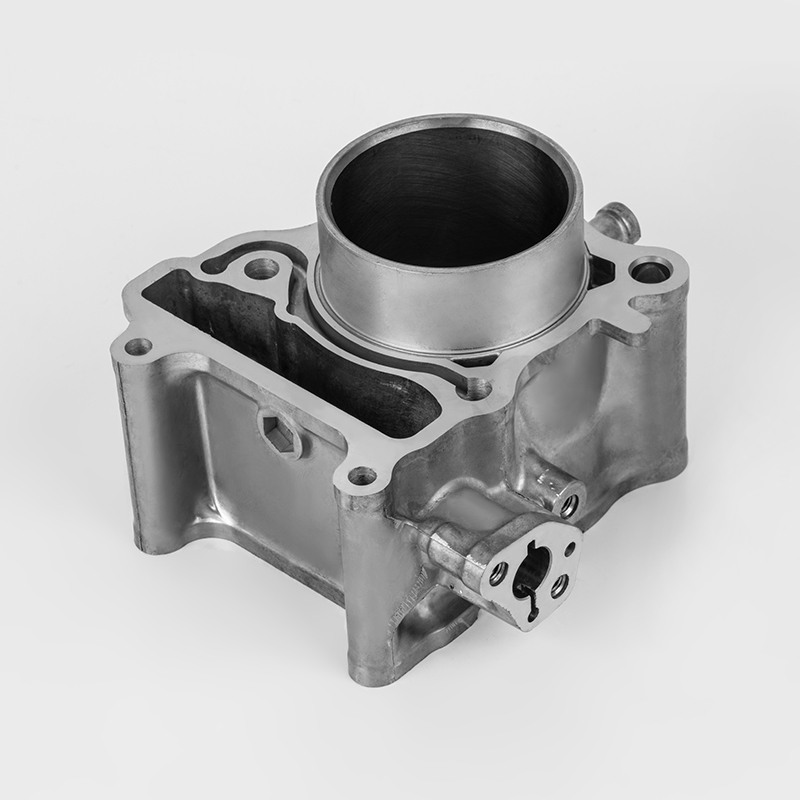
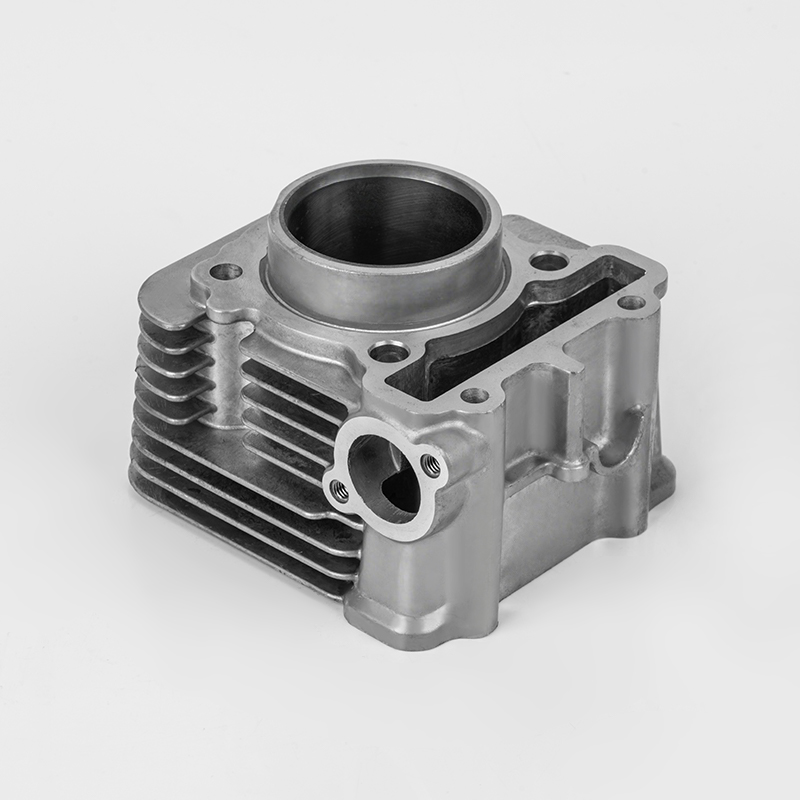
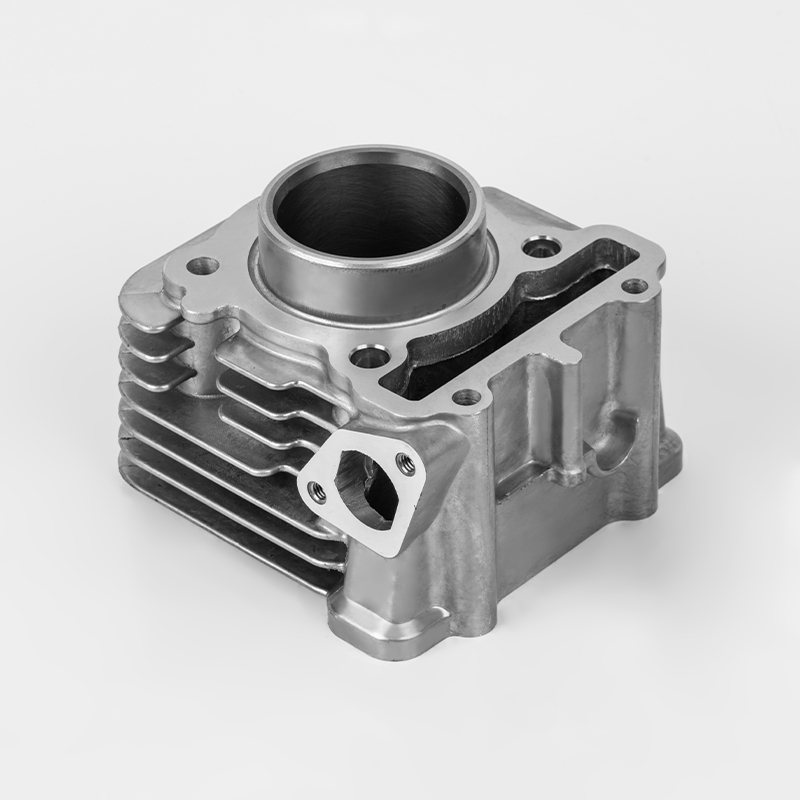
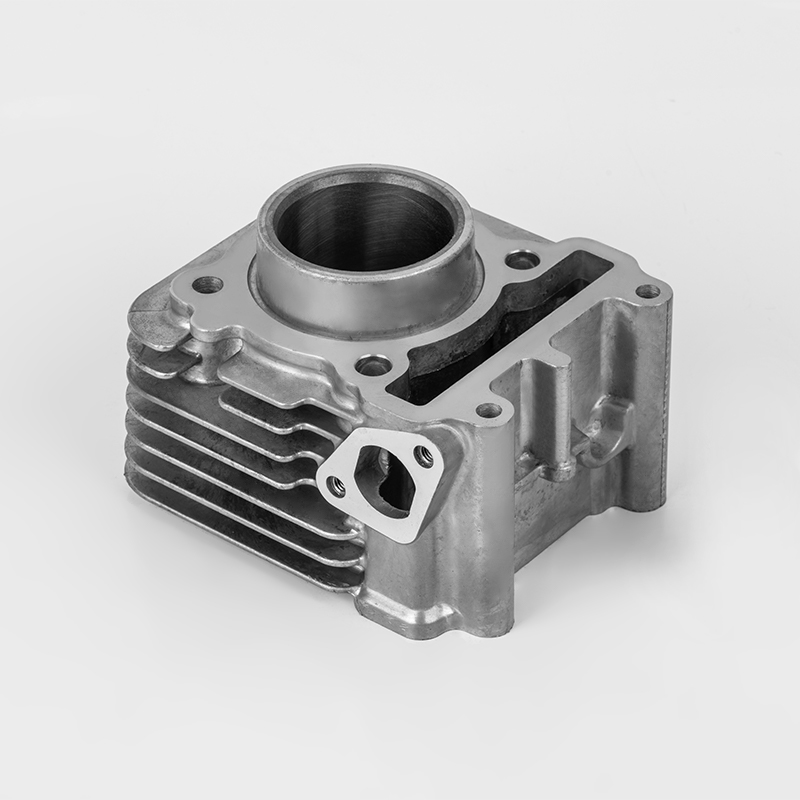
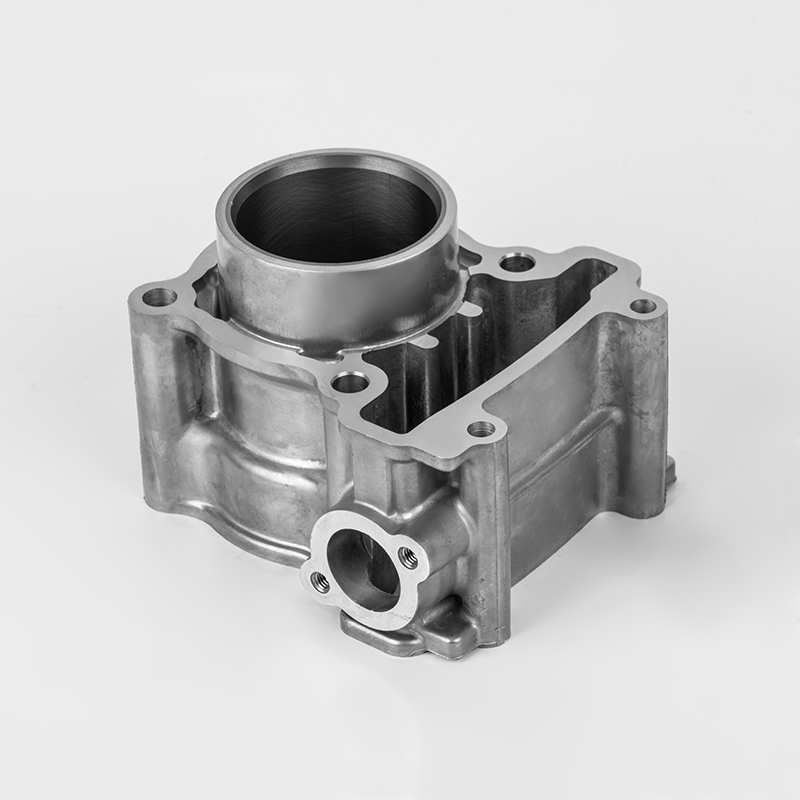
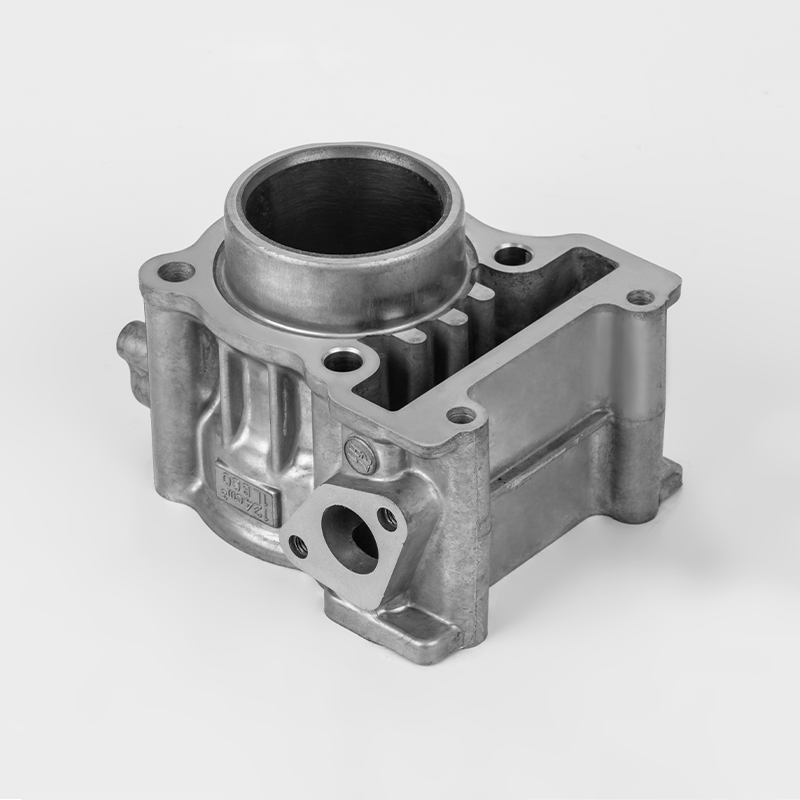
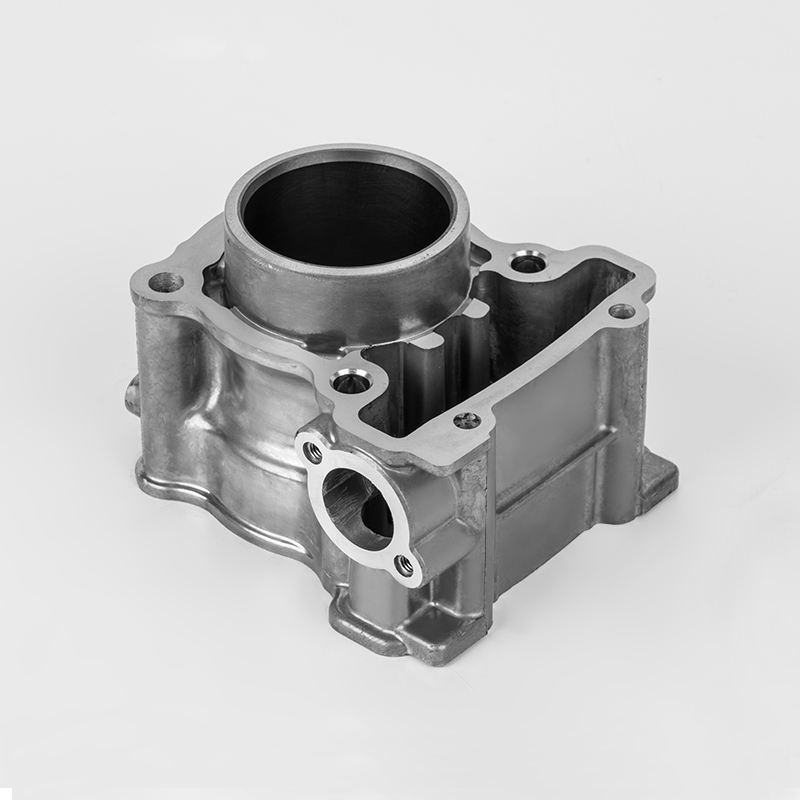
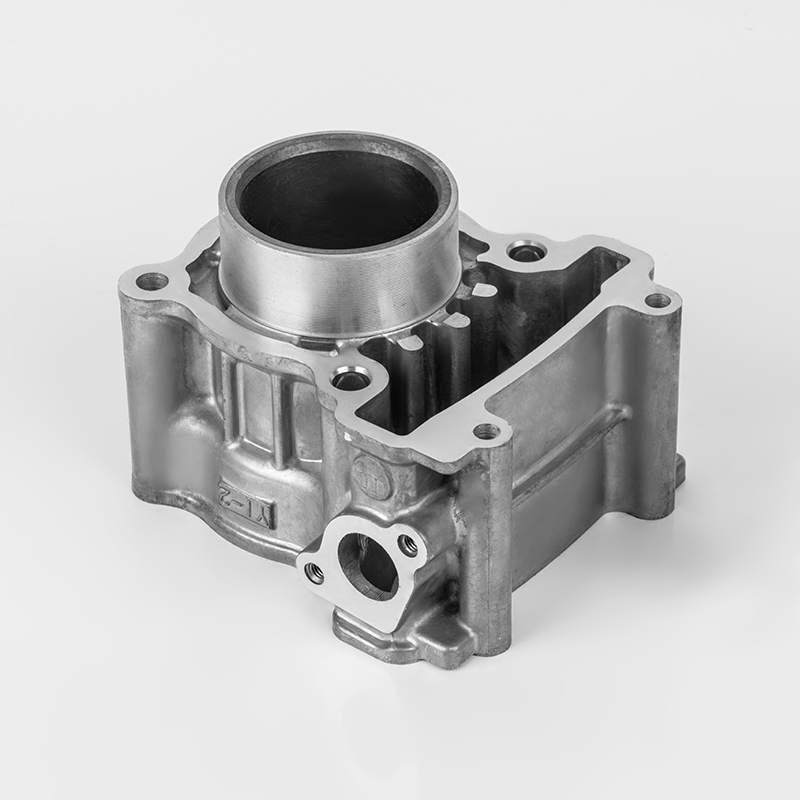
One of the engineering details that distinguishes this engine from budget-segment competitors is its use of a Honda aluminum alloy motorcycle cylinder with a Nikasil-style composite bore lining. Rather than using a cast-iron sleeve pressed into an aluminum block — the older approach — Honda uses a composite plating process on the bore walls of the aluminum cylinder. This is the same basic technology Honda developed for higher-displacement road and racing engines, scaled down to the 293cc format.
The practical benefits of an aluminum alloy cylinder in this application are significant. Aluminum dissipates heat roughly three to five times faster than cast iron, which keeps operating temperatures more stable across riding conditions. The lower mass of the cylinder assembly also contributes to the CB 300R's competitive weight figure. A comparable iron-sleeved single-cylinder of the same displacement would typically add 2–4 kg to the powertrain mass alone, which is not trivial on a 143 kg motorcycle.
The bore coating also allows for tighter manufacturing tolerances on piston-to-wall clearance, which reduces blowby and oil consumption over the engine's service life. In long-term ownership terms, this translates to more consistent compression readings and lower oil top-up frequency compared to engines with traditional wet-liner construction.
Chassis, Frame, and Suspension Specifications
The CB 300R uses a steel diamond frame — not a twin-spar aluminum unit as found on larger Honda models — but the geometry is calibrated for agility rather than straight-line stability. The 65-degree rake angle and 98 mm trail give the bike quick steering responses that suit urban environments and winding B-roads equally well.
Suspension Setup
- Front: 41 mm USD (upside-down) telescopic forks with 130 mm of travel — non-adjustable but well-damped for the segment
- Rear: Monoshock with 5-step preload adjustment and 120 mm of wheel travel
The USD fork on a sub-300cc street bike is worth noting because most competitors in this price band still use conventional right-side-up forks. USD forks are stiffer and more resistant to flex under braking loads because the larger, lower tube acts as the structural member rather than the thinner upper tube. This improves front-end feedback under hard braking, which matters when you are sharing road space with cars.
Wheel and Tire Specifications
| Position | Wheel Size | Tire Size |
|---|---|---|
| Front | 17-inch cast aluminum | 110/70 R17 |
| Rear | 17-inch cast aluminum | 150/60 R17 |
Both wheels are radial-tire compatible, which means you have access to a wider range of performance rubber when it comes time to replace the OEM fitment. The 150/60 rear section is relatively wide for the displacement class and contributes to the bike's planted feel in corners.
Braking System and Safety Features
Honda equipped the CB 300R with a dual-channel ABS system as standard across most markets — a safety feature that was optional or unavailable on many rivals at a similar price point when the bike launched. The braking hardware itself is substantial for the class.
- Front brake: Single 296 mm floating disc with a radially mounted 2-piston caliper
- Rear brake: Single 220 mm disc with a single-piston caliper
- ABS: Dual-channel (standard on most market variants)
A radially mounted front caliper on a 300cc bike is uncommon. Radial mounting aligns the caliper's clamping force directly with the disc rotation axis, which reduces flex in the caliper body and improves feedback at the lever. In braking performance terms, the CB 300R can achieve stopping distances competitive with some 500cc-class machines that use axially mounted hardware.
The ABS calibration on the CB 300R is worth separate mention. Honda tuned it to intervene less aggressively than some competitors, which means experienced riders can feel the system working without the feedback being cut off entirely. It is a more natural-feeling ABS than you typically encounter in this price segment.
Dimensions, Weight, and Ergonomics
The CB 300R's physical dimensions define its character as much as the engine numbers do. At 143 kg wet, it is among the lightest motorcycles in the modern 300cc class. For context, the KTM Duke 390 weighs approximately 163 kg and the Kawasaki Z400 comes in around 167 kg — both significantly heavier despite being in the same broad category.
| Dimension | Measurement |
|---|---|
| Overall Length | 2,025 mm |
| Overall Width | 790 mm |
| Overall Height | 1,055 mm |
| Wheelbase | 1,337 mm |
| Seat Height | 800 mm |
| Ground Clearance | 145 mm |
| Fuel Tank Capacity | 10 liters |
| Kerb Weight | 143 kg |
The 800 mm seat height is accessible for most adult riders without being excessively low. Shorter riders may need to tip-toe, but the narrow seat profile helps because you can slide forward and get a foot down without fighting the tank width. The upright riding position — flat bars, mid-set footpegs — places the rider in a neutral triangle that works for both commuting and longer stints on open roads.
The 10-liter fuel tank is the one specification that draws criticism. At Honda's claimed fuel consumption figure of approximately 27–30 km/liter in mixed conditions, a full tank gives you 270–300 km of range before hitting reserve. For a bike marketed partly as a touring-capable commuter, this requires more frequent stops than competitors like the Z400 with its 14-liter tank. If long-distance riding is part of your use case, factor in the fueling stop frequency.
Cylinder Construction: Why Aluminum Alloy Matters in Small-Displacement Performance
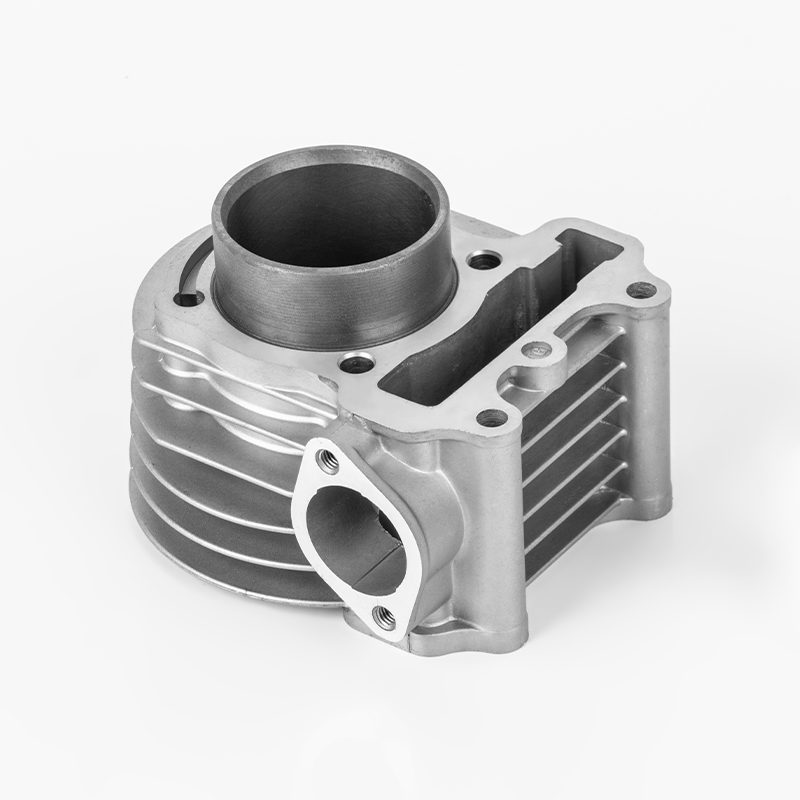
The choice to use a Honda aluminum alloy motorcycle cylinder in the CB 300R's engine reflects a broader trend in modern motorcycle engineering. Cast iron cylinders, while cheap to manufacture and easy to bore out during overhauls, are increasingly being phased out of performance-focused applications. Honda has been producing aluminum alloy cylinders with composite bore linings across its lineup — from the CBR series to the CRF off-road range — for decades, and the CB 300R benefits from that accumulated manufacturing experience.
Heat Management Advantages
Single-cylinder engines generate heat in a concentrated area because all combustion events occur at a single point in the engine. A Honda aluminum alloy motorcycle cylinder manages this by spreading thermal load through its structure more quickly than iron can. In stop-and-go city riding — exactly the conditions the CB 300R is designed for — this prevents localized hot spots from forming around the bore. Localized heat causes differential expansion between the piston and bore, which under sustained load can accelerate wear. Aluminum's superior thermal conductivity keeps the bore and piston operating within a tighter temperature band, which preserves running clearance and extends service intervals.
Weight Reduction and Its Effect on Handling
Engine mass distribution affects motorcycle handling in ways that are easy to overlook in a spec sheet comparison. A lower, more centralized engine mass lowers the center of gravity, which reduces the effort required to initiate a lean and makes the bike feel lighter to flick through direction changes than its wet weight alone would suggest. By using an aluminum alloy cylinder instead of a heavier cast-iron alternative, Honda removes mass from a component that sits relatively high in the engine block — which has a disproportionate positive effect on the bike's dynamic center of gravity. This is part of why the CB 300R feels more agile in real-world riding than its mass suggests.
Bore Coating Technology
The bore surface of the aluminum alloy cylinder in the CB 300R is treated with a composite coating that provides hardness comparable to cast iron while maintaining the thermal benefits of aluminum. This coating — a silicon-carbide-infused or similar electroplated compound depending on the production run — is applied to a thickness of approximately 0.08–0.15 mm. It creates a wear surface that, under normal riding conditions and with regular oil changes, can sustain the designed life of the engine without re-boring. Unlike iron sleeves, which can corrode if the bike sits unused for extended periods in humid conditions, the coating on an aluminum bore is not susceptible to rust formation.
One servicing note for owners: if the bore ever requires reconditioning after significant wear, an aluminum alloy cylinder with composite bore coating cannot simply be overbored and fitted with a larger piston the way an iron-sleeved cylinder can. It requires re-plating or sleeve replacement. This is a valid long-term consideration, though for a properly maintained CB 300R it is unlikely to be relevant within normal ownership periods of 5–10 years and 50,000–80,000 km.
Honda CB 300R vs. Key Competitors: Specification Comparison
Understanding where the CB 300R stands against the alternatives clarifies its strengths and trade-offs. The main competitors in most markets are the KTM Duke 390, Kawasaki Z400, and Yamaha MT-03. Here is how the specifications compare on the most decision-relevant metrics.
| Model | Displacement | Power (hp) | Wet Weight (kg) | Seat Height (mm) | ABS Standard |
|---|---|---|---|---|---|
| Honda CB 300R | 293cc | 30.9 | 143 | 800 | Yes (dual-channel) |
| KTM Duke 390 | 373cc | 43.5 | 163 | 830 | Yes (dual-channel) |
| Kawasaki Z400 | 399cc | 44.8 | 167 | 785 | Yes (dual-channel) |
| Yamaha MT-03 | 321cc | 41.4 | 168 | 780 | Yes (dual-channel) |
The CB 300R gives up 10–15 horsepower to most competitors, which is a real difference on a motorcycle. However, it is 20–25 kg lighter than the Z400 and MT-03, which partially compensates in real-world acceleration feel and completely dominates in maneuverability at lower speeds. Its power-to-weight ratio of approximately 0.216 hp/kg is lower than the Duke 390's 0.267 hp/kg but the lighter feel is noticed immediately when filtering through traffic or parking in tight spaces.
The CB 300R's advantage is build quality consistency. Honda's manufacturing tolerances and long-term reliability record across its aluminum alloy engine components — including the cylinder construction — translate into lower long-term maintenance costs and more predictable service intervals than some rivals.
Fuel Economy and Real-World Range
Honda's official fuel consumption figure for the CB 300R is approximately 27–33 km/liter depending on the riding mode and market test standard. In real-world mixed riding — a combination of city stop-and-go and open road cruising — most owners report figures in the 28–32 km/liter range, which aligns well with Honda's claims.
At 32 km/liter from a 10-liter tank, usable range before reserve is approximately 290–300 km. The reserve capacity is roughly 1.5–2 liters, adding another 45–60 km. For daily urban commuting of 30–60 km per day, this means filling up approximately every 4–5 days — acceptable for city use but limiting compared to rivals with larger tanks if you plan extended trips.
The fuel efficiency is partly attributable to the aluminum alloy cylinder's thermal management. Because the engine reaches and maintains its optimal operating temperature more quickly than an iron-bore design, it spends less time running rich during warm-up, which reduces fuel waste in short-trip applications. In practice this means the CB 300R's real-world fuel economy is closer to its official figure in urban use than some competitors whose consumption figures are measured under highway test conditions.
Electrical System and Instrumentation
The CB 300R runs a 12V / 6Ah sealed maintenance-free battery with a 168W alternator. The electrical system supports the full LED lighting suite — headlight, taillight, and turn signals are all LED — which keeps the load on the charging system manageable. Full LED lighting is now standard on the CB 300R across most markets, which is a meaningful improvement over the halogen lighting that was common in this class before 2018.
The instrument panel is a fully digital LCD unit displaying speed, rpm (via bar graph), gear position indicator, fuel level, odometer, trip meters A and B, and a clock. There is no Bluetooth connectivity, turn-by-turn navigation, or ride mode switching — the CB 300R's electronics package is functional rather than feature-rich, which is consistent with its positioning as a focused, light urban naked bike rather than a technology showcase.
Maintenance Schedule and Service Intervals
Honda specifies the following primary service intervals for the CB 300R:
- Engine oil change: Every 6,000 km or 12 months, whichever comes first (use 10W-30 or 10W-40 JASO MA2-rated oil)
- Valve clearance check: Every 16,000 km — a relatively long interval for a DOHC engine, partly a result of the stable bore geometry provided by the aluminum alloy cylinder construction
- Air filter: Inspect every 8,000 km, replace every 24,000 km or as needed
- Spark plug: Check every 8,000 km, replace every 16,000 km (NGK CPR8EA-9 or equivalent)
- Coolant: Replace every 3 years regardless of mileage
- Drive chain: Lubricate every 500–1,000 km; inspect and adjust every 6,000 km
- Brake fluid: Replace every 2 years
The 16,000 km valve check interval is noteworthy. Many single-cylinder engines in this displacement range require valve inspection at 8,000–12,000 km. Honda's extended interval for the CB 300R reflects confidence in the engine's dimensional stability, which in turn relates directly to the precision manufacturing tolerances enabled by the Honda aluminum alloy motorcycle cylinder construction and its consistent bore geometry across thermal cycles.
Total annual maintenance costs for a CB 300R covering 8,000–10,000 km per year — the typical urban commuter profile — are generally in the range of USD 150–300 depending on labor rates and whether the owner performs any work themselves. Oil and filter changes are straightforward enough for a mechanically inclined owner to do independently, reducing the most frequent service cost to under USD 30 in parts.
Who the Honda CB 300R Is Actually For
Based on the honda cb 300r specifications analyzed above, the bike makes most sense for the following rider profiles:
- New riders transitioning from a 125cc: The CB 300R's power output is approachable without being intimidating, and the light weight makes low-speed maneuvers and parking far less stressful than on a 400cc+ machine
- Urban commuters prioritizing agility over outright performance: The 20+ kg weight advantage over rivals is more meaningful in stop-and-go traffic than a 10 hp power advantage
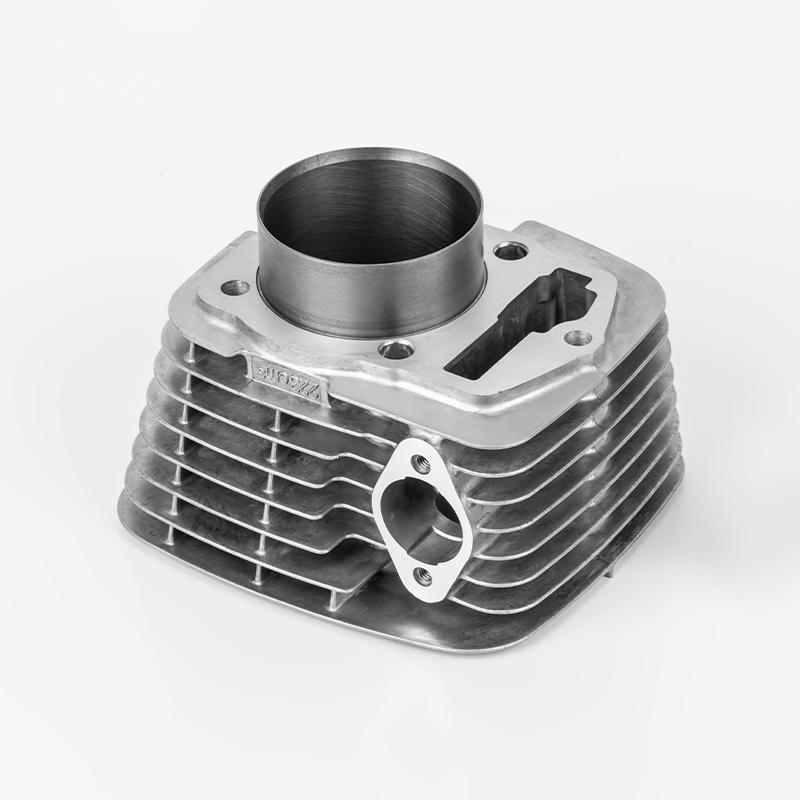
- Riders who prioritize build quality and long-term reliability: Honda's manufacturing standards for engine components, including the aluminum alloy cylinder and its bore treatment, are consistently among the industry's highest in this category
- Buyers with markets restricting learner riders to specific power-to-weight ratios: In regions like Australia (LAMS) or the UK (A2 category), the CB 300R's power output and weight combination qualifies comfortably
It is a less obvious choice for riders who plan to do significant highway mileage — the 10-liter tank and relatively limited top speed (approximately 140–145 km/h) make sustained highway use less comfortable than alternatives. And if outright performance is the primary criterion, the Duke 390 and Z400 deliver meaningfully more power for a modest weight and price penalty.
The CB 300R occupies a specific and coherent niche: a well-engineered, lightweight, low-maintenance naked street bike that reflects Honda's engineering standards without artificial cost-cutting on the components that matter most to long-term ownership satisfaction. Its aluminum alloy engine construction is one of several areas where that philosophy is visible in the hardware rather than just the marketing copy.