
 English
 Español
 عربى
عربى

Content
- 1 What a Weak Cylinder Actually Means
- 2 The Most Common Symptoms of a Weak Cylinder
- 3 How to Diagnose a Weak Motorcycle Cylinder
- 4 Root Causes Behind a Weak Motorcycle Cylinder
- 5 Sounds That Indicate Cylinder Problems
- 6 How Cylinder Weakness Differs Across Engine Types
- 7 Steps to Take After Identifying a Weak Cylinder
- 8 Preventing Cylinder Weakness Before It Starts
What a Weak Cylinder Actually Means
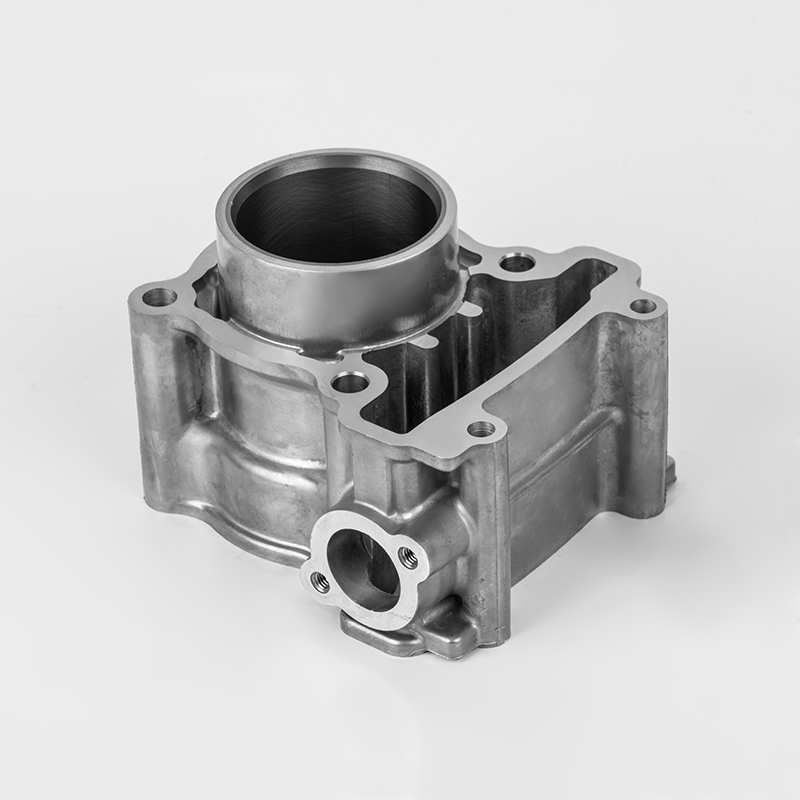
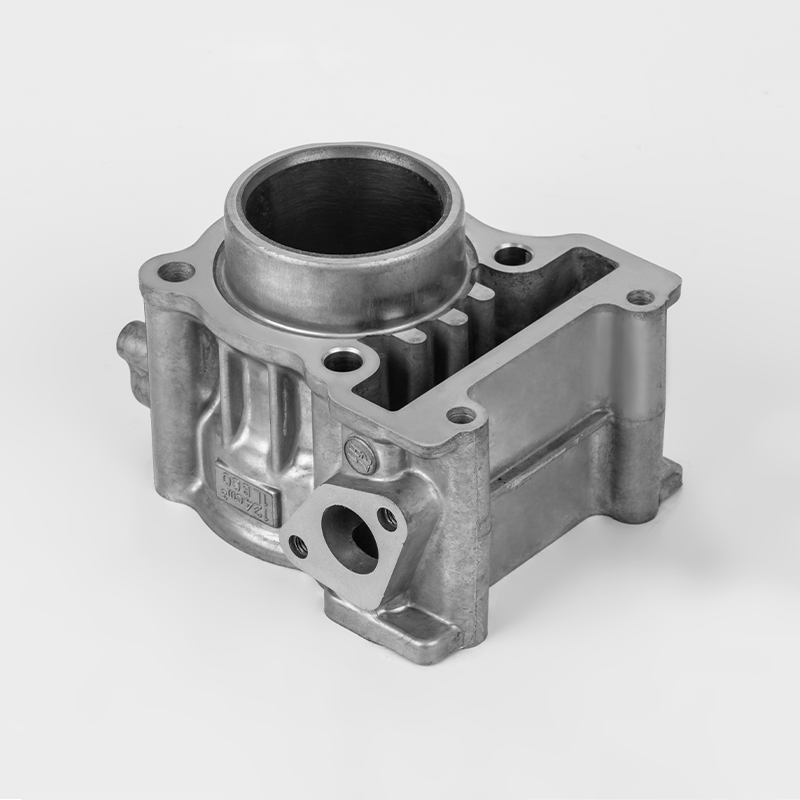
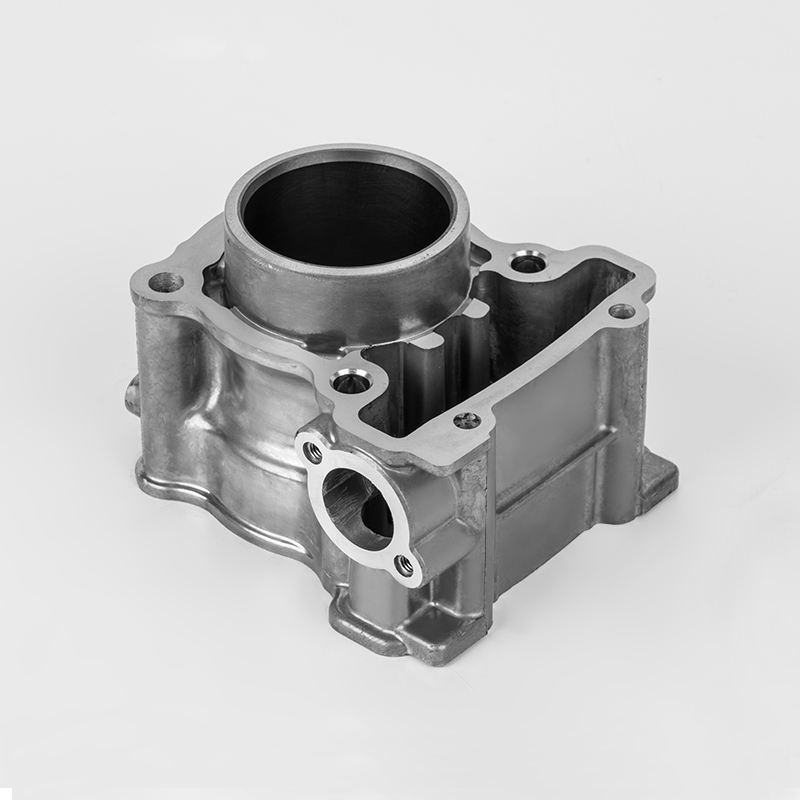
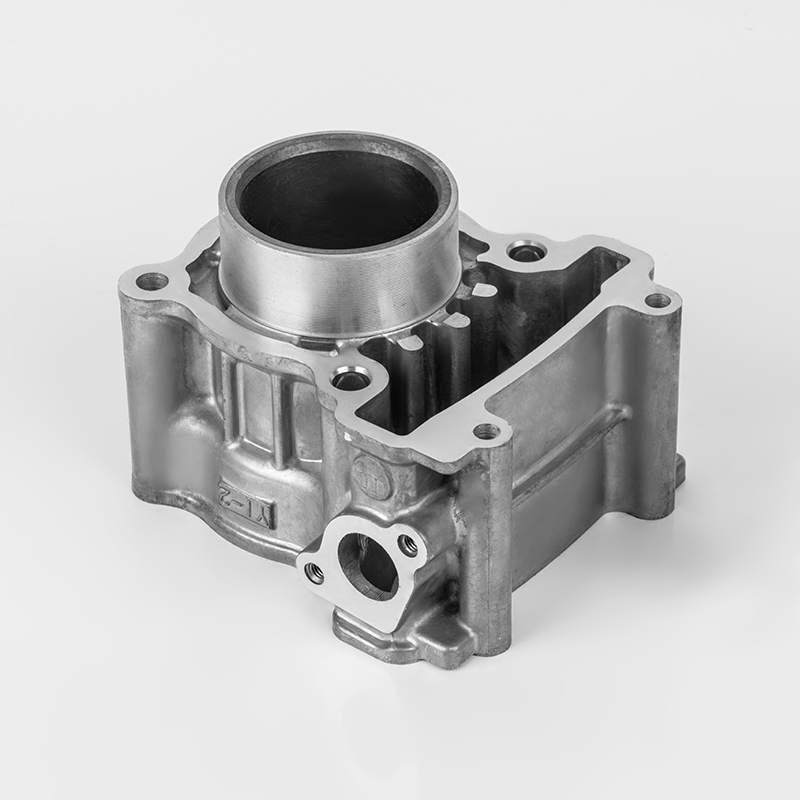
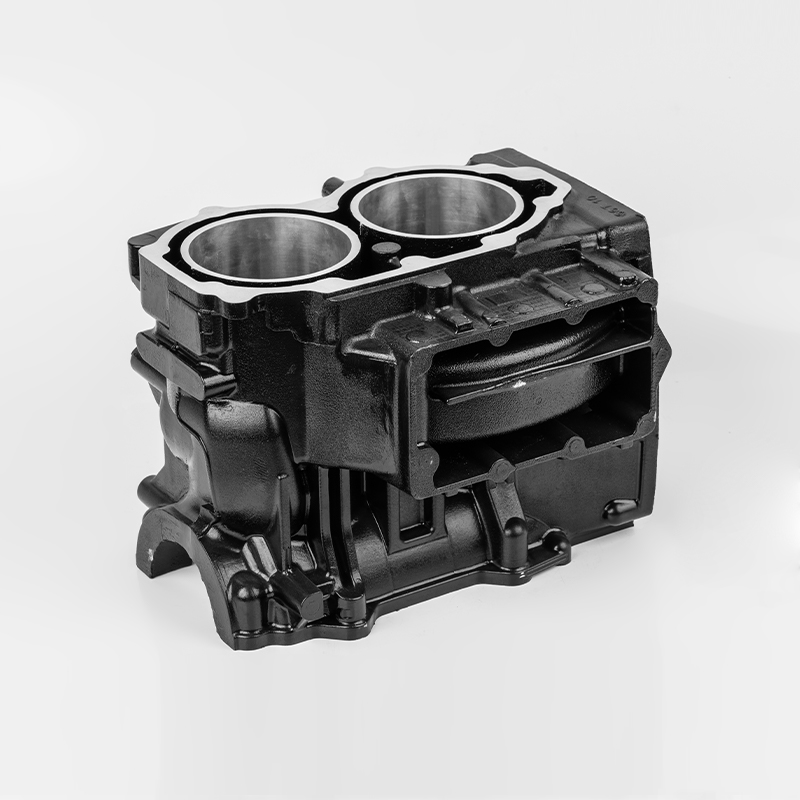
A weak cylinder in a motorcycle engine means one or more combustion chambers are not generating the expected compression or power output. The result is an engine that runs unevenly, lacks acceleration, burns more fuel, and—if ignored long enough—eventually causes serious internal damage. The core issue almost always comes down to one of three things: compression loss, improper fuel-air combustion, or mechanical wear inside the motorcycle cylinder itself.
On a single-cylinder engine, there is no "healthy" cylinder to compensate, so the symptoms are immediately noticeable. On multi-cylinder bikes, a weak cylinder can hide behind the other functioning ones for weeks before it becomes obvious—by which point the damage is usually deeper. Recognizing the warning signs early can mean the difference between a cheap fix and a full engine rebuild.
The Most Common Symptoms of a Weak Cylinder
These are the clearest indicators that your motorcycle cylinder is underperforming. Not all symptoms will appear at once, and some overlap with other mechanical issues, but a combination of two or more from this list is a strong signal to investigate further.
Noticeable Loss of Power or Acceleration
This is usually the first thing riders notice. The bike feels sluggish pulling out of corners, struggles at highway speeds, or simply doesn't respond the way it used to under hard throttle. On a four-cylinder engine, losing one cylinder means a 25% reduction in power output. On a twin, that number jumps to 50%. The bike may still run, but the performance gap is hard to ignore once compression drops below around 90 PSI on most street bikes—a range where combustion efficiency starts to deteriorate measurably.
Rough Idle and Engine Misfires
A healthy engine idles smoothly. When a cylinder is weak, the firing sequence becomes irregular. You might feel a rhythmic stumble or vibration through the handlebars and footpegs at idle, or notice the RPM needle bouncing slightly rather than sitting steady. Misfires occur when the air-fuel mixture fails to ignite properly inside the motorcycle cylinder—often because compression is too low to generate sufficient heat for ignition. This can sound like a faint pop or stutter from the exhaust at low RPM.
Unusual Exhaust Smoke
The color and consistency of exhaust smoke tells a specific story about what is happening inside the engine:
- Blue or bluish-gray smoke indicates oil burning inside the cylinder—a sign of worn piston rings or cylinder wall scoring that allows oil to enter the combustion chamber.
- White smoke (especially when persistent after warm-up) points to coolant leaking into the cylinder through a failed head gasket.
- Black smoke suggests the cylinder is running excessively rich, often tied to a weak spark or low compression causing unburned fuel to pass through.
A few puffs of white smoke on a cold morning is normal condensation. Persistent or heavy smoke is not.
Increased Fuel Consumption
When a cylinder is not burning fuel efficiently, the ECU or carburetor compensates by delivering more fuel to maintain power output. The result is a measurable drop in fuel economy. If your bike previously averaged around 50 miles per gallon and you are suddenly getting 38–40 without any change in riding habits, a weak cylinder is one of the first things to check. This is a subtle symptom that many riders chalk up to seasonal changes or fuel quality, which is why it often gets overlooked until other symptoms appear.
Excessive Engine Vibration
Engines are balanced around the assumption that each cylinder contributes equally to power delivery. When one cylinder drops out or fires inconsistently, that balance breaks. The uneven power strokes create vibration that travels through the frame and can be felt through the handlebars, seat, and footpegs—particularly at certain RPM ranges. On inline-four engines, this vibration often appears most prominently between 2,500 and 4,000 RPM, where the imbalance is most noticeable before the engine smooths out at higher speeds.
Difficulty Starting the Engine
A weak cylinder significantly reduces the engine's ability to build compression during cranking. Compression is what allows the engine to fire reliably, especially from cold. If the motorcycle cranks longer than usual, requires excessive choke, or occasionally fails to start on the first attempt when it previously did, low cylinder compression is a likely contributor. This symptom is especially pronounced in single-cylinder engines, where there is no redundancy.
Oil Consumption Without Visible Leaks
If you are regularly topping up the oil but cannot find any external leaks on the ground or on the engine casing, the oil is likely being burned inside the cylinder. Worn or broken piston rings are a common culprit. This internal consumption can accelerate wear on the cylinder walls, creating a feedback loop where the problem progressively worsens. A loss of more than 200–300 ml of oil per 1,000 km without external leaks warrants a closer inspection of the cylinder and piston assembly.
How to Diagnose a Weak Motorcycle Cylinder
Symptoms point you in the right direction, but these two tests give you actual data to work with.
Compression Test
A compression test is the most direct way to evaluate the health of a motorcycle cylinder. Remove the spark plug from each cylinder, thread in a compression gauge, and crank the engine for about 5 seconds. A healthy cylinder on most four-stroke street bikes should produce between 120 and 200 PSI, depending on the engine's compression ratio. What matters most is consistency across cylinders. A reading 15–20% lower than the others on a multi-cylinder engine strongly suggests that cylinder is weak. A reading below 90 PSI on any cylinder is a serious red flag.
If compression is low, follow up with a wet compression test: add a small amount (about a teaspoon) of engine oil into the cylinder through the spark plug hole, then retest. If compression rises significantly, the rings are worn. If compression stays low, the issue is likely with the valves or head gasket.
Leak-Down Test
A leak-down test goes further by pressurizing the cylinder with compressed air at TDC (top dead center) and measuring how much pressure escapes. A healthy cylinder should hold within 5–10% of the applied pressure. Anything over 20% indicates a significant leak. More importantly, you can listen to where the air is escaping:
- Air at the oil filler cap = worn piston rings or cylinder walls
- Air at the intake = leaking intake valve
- Air at the exhaust pipe = leaking exhaust valve
- Bubbles in the coolant reservoir = failed head gasket
This information is critical for planning the correct repair, as each location points to a different component that needs attention.
Root Causes Behind a Weak Motorcycle Cylinder
Understanding what causes cylinder weakness helps prevent the problem from recurring after a repair.
| Cause | Typical Symptom | Repair Approach |
|---|---|---|
| Worn piston rings | Blue smoke, low compression | Ring replacement, cylinder hone |
| Scored cylinder walls | Oil burning, loss of power | Rebore or new cylinder sleeve |
| Burnt or bent valves | Misfire, hard starting | Valve replacement, seat grinding |
| Failed head gasket | White smoke, coolant loss | Head gasket replacement |
| Carbon buildup | Rough idle, detonation | Chemical decarbonizing, top-end clean |
| Incorrect valve clearance | Ticking noise, power loss | Valve adjustment per spec |
Worn Piston Rings
Piston rings seal the combustion chamber and prevent oil from entering from below. As they wear—typically after 40,000 to 80,000 km depending on the engine and maintenance history—they lose their ability to maintain a tight seal against the cylinder wall. The result is compression blow-by, where combustion gases escape downward into the crankcase, and oil being drawn upward into the chamber. Both effects reduce cylinder efficiency.
Cylinder Wall Scoring or Wear
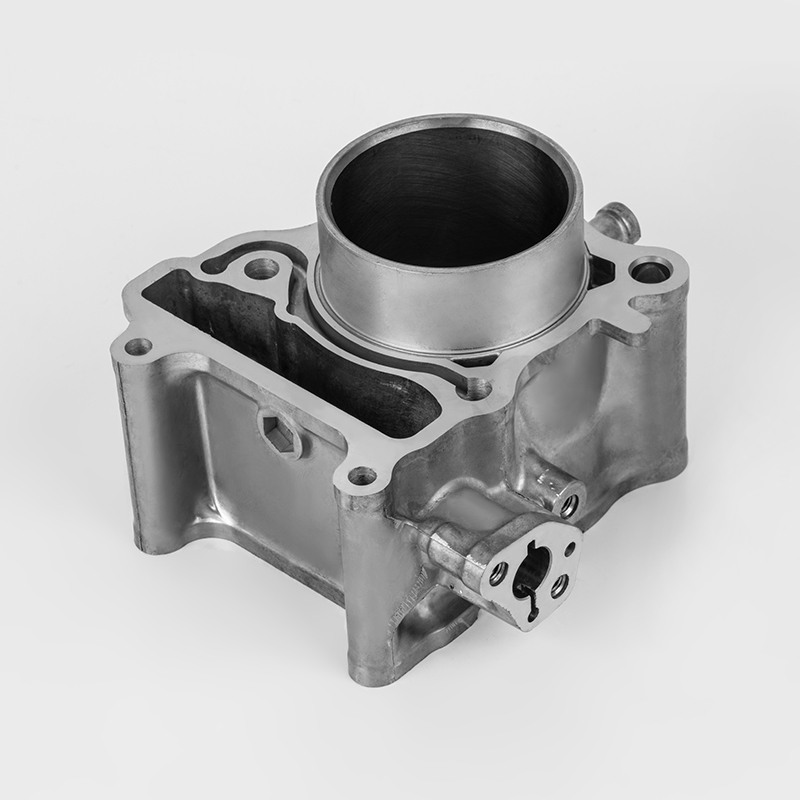
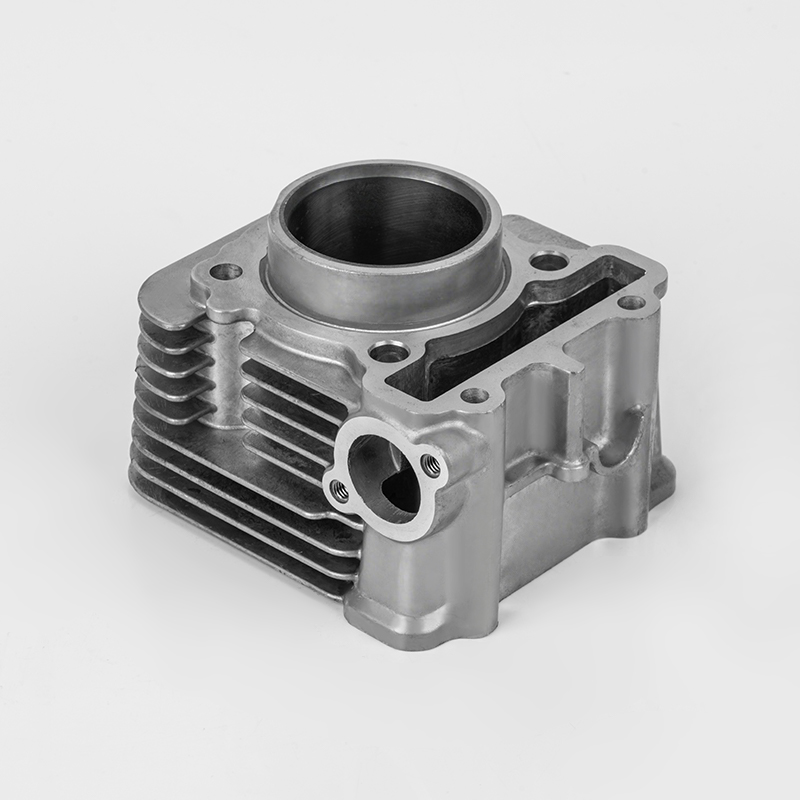
The interior surface of a motorcycle cylinder is precisely machined to extremely tight tolerances, often within a few microns. Running low on oil, overheating, using the wrong oil viscosity, or allowing abrasive debris into the engine can score or scratch these walls. Once the cylinder wall is damaged, no amount of ring replacement will restore proper compression—the cylinder itself needs to be bored or resleeved.
Valve Problems
Valves are responsible for sealing the combustion chamber at the top during compression and power strokes. A valve that is burnt, bent, or simply not seating correctly due to improper clearance will allow compression to leak past it. High-performance engines running lean mixtures are particularly prone to burnt exhaust valves. Valve clearances should be checked according to the manufacturer's service interval—typically every 12,000 to 24,000 km on most modern four-stroke engines—because clearances tighten over time as the valve seats wear in, eventually preventing full valve closure.
Head Gasket Failure
The head gasket seals the joint between the cylinder head and the engine block. Overheating is the most common cause of head gasket failure on motorcycles. A blown head gasket can allow combustion pressure to escape between cylinders, allow coolant into the combustion chamber, or allow oil and coolant to mix—each with distinct and damaging consequences. The classic tell is milky oil (coolant contamination) visible on the dipstick or oil filler cap, combined with persistent white exhaust smoke.
Sounds That Indicate Cylinder Problems
Experienced mechanics often diagnose cylinder issues by ear before reaching for a gauge. These are the most recognizable sounds associated with cylinder problems in motorcycle engines:
- Ticking or tapping at a frequency tied to engine RPM usually indicates incorrect valve clearance or a worn camshaft lobe. The sound is most prominent at idle and low speeds.
- Knocking or pinging under load—especially during acceleration—often indicates detonation (pre-ignition) inside the cylinder, which can rapidly destroy piston rings and cylinder walls if left unaddressed.
- Slapping noise (a loose, hollow sound on each power stroke) can indicate excessive piston-to-cylinder wall clearance, which happens when the piston or cylinder is badly worn.
- Hissing from the crankcase breather suggests excessive blow-by from worn rings, as combustion gases are being forced past the piston into the crankcase at high pressure.
- Backfiring through the intake on a multi-cylinder bike points to a cylinder that is not firing and is pushing unburned fuel back into the intake manifold, where it ignites.
How Cylinder Weakness Differs Across Engine Types
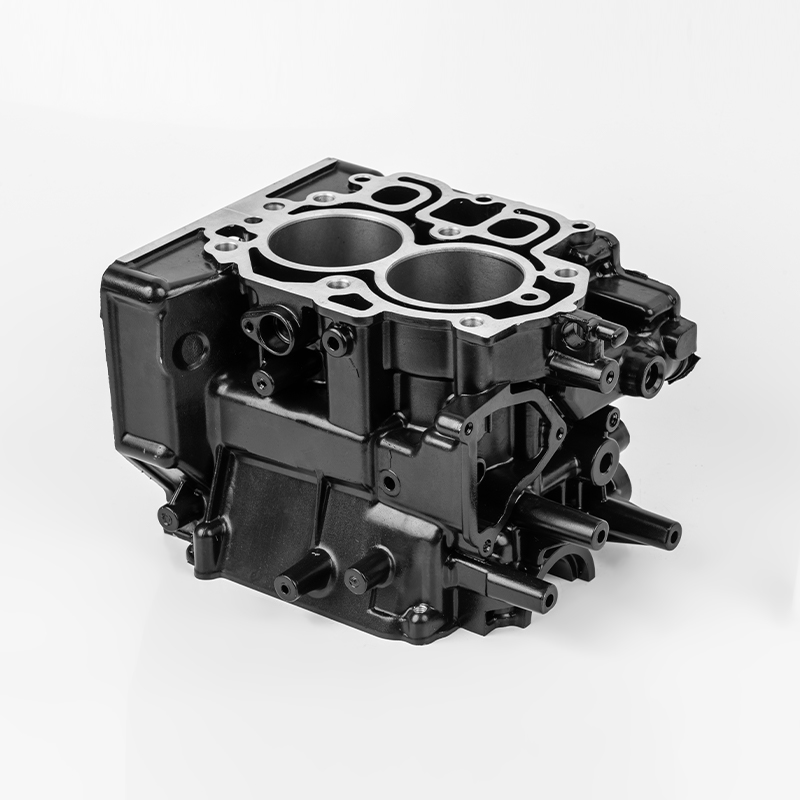
The way a weak cylinder presents itself depends significantly on the engine configuration of the motorcycle.
Single-Cylinder Engines
There is no masking a weak cylinder on a single. Every power stroke comes from the same motorcycle cylinder, so any drop in compression or efficiency is immediately felt. Expect hard starting, a choppy idle, and dramatic power loss. Compression below 100 PSI on most singles means the bike will barely run under load.
Parallel Twins and V-Twins
On a twin-cylinder engine, one weak cylinder means a 50% reduction in optimal performance. The bike may still ride reasonably at moderate speeds, but high-RPM power delivery becomes uneven and the exhaust note changes noticeably—often from a crisp pop to an irregular burble. Vibration is more apparent on twins because the firing intervals are already wider than on four-cylinder engines.
Inline-Four and Multi-Cylinder Engines
A weak cylinder on an inline-four is the hardest to notice in normal riding. The three remaining healthy cylinders can carry the load surprisingly well at low to moderate RPM. The symptoms tend to show up at high RPM and under hard acceleration: a subtle flat spot in the power band, a slight roughness, and maybe a small drop in top speed. Experienced riders often recognize a weak cylinder on a four because the exhaust pipe from the affected cylinder runs notably cooler than the others—a quick and revealing check with an infrared thermometer.
Steps to Take After Identifying a Weak Cylinder
Once you confirm a cylinder is weak, the next steps depend on what the diagnosis reveals. Here is a practical sequence:
- Run a compression test on all cylinders and record the numbers. Compare them against manufacturer specifications, which are usually found in the service manual.
- Follow up with a wet compression test if any cylinder reads low, to determine whether the issue is rings or valves.
- Perform a leak-down test to pinpoint exactly where compression is escaping.
- Check valve clearances if they are due for inspection or if the leak-down test points to a valve issue.
- Inspect the spark plug from the affected cylinder. Heavy black deposits suggest rich running or oil burning; white or chalky deposits may indicate a lean condition or coolant contamination.
- If internal wear is confirmed, decide between a top-end rebuild (rings, valves, head gasket) or a full engine rebuild based on overall mileage and condition.
- Do not continue riding the motorcycle hard with a confirmed weak cylinder. Doing so accelerates wear on the remaining components and can turn a manageable repair into a complete engine failure.
When to Rebuild vs. When to Replace
A top-end rebuild—replacing rings, valves, and head gasket—is generally cost-effective when the cylinder walls are still within the manufacturer's wear limit, typically expressed as a maximum bore diameter oversize of 0.05 to 0.10 mm. If the cylinder walls are scored or out-of-round beyond that spec, the cylinder needs to be bored to the next oversize (usually 0.25 mm or 0.50 mm over standard), with matching oversized pistons installed. If the bore is beyond the maximum allowable oversize, a new cylinder or sleeve is the only option. At that stage, total repair cost needs to be weighed honestly against the market value and age of the motorcycle.
Preventing Cylinder Weakness Before It Starts
Most cases of premature cylinder wear are preventable with consistent maintenance and informed riding habits.
- Change oil on schedule. Fresh oil forms a protective film across the cylinder walls and piston rings. Running degraded oil—particularly past the manufacturer's recommended interval—accelerates wear dramatically. Most modern motorcycle engines specify oil changes every 5,000 to 10,000 km, with some high-performance engines requiring changes as frequently as every 3,000 km.
- Use the correct oil viscosity. The wrong viscosity—too thin or too thick—compromises the oil film between the piston rings and cylinder wall. Always use the grade specified in the owner's manual for your ambient temperature range.
- Warm up the engine before riding hard. Cold engines run with tighter clearances and less effective oil circulation. Giving the engine two to three minutes to reach operating temperature before applying full throttle significantly reduces wear on the cylinder and piston assembly.
- Maintain the cooling system. Overheating is one of the leading causes of head gasket failure and cylinder damage. Check coolant levels regularly on liquid-cooled engines, and ensure adequate airflow on air-cooled bikes by not idling for extended periods in hot conditions.
- Check valve clearances at service intervals. Letting valve clearances go too tight causes valves to remain slightly open during compression, reducing cylinder sealing and leading to burnt valve faces over time.
- Address minor issues promptly. A slightly rough idle or an unusual exhaust note investigated early almost never turns into an expensive repair. The same symptom ignored for 5,000 km often does.