
 English
 Español
 عربى
عربى

Content
- 1 Honda CBR1000RR vs BMW S1000RR: Which Superbike Actually Wins in the Real World?
- 2 Engine Architecture: Two Very Different Approaches to Making 200 Horsepower
- 3 Chassis, Suspension, and Handling: Where These Bikes Feel Most Different
- 4 Electronics Package: BMW's Edge in Raw Technology
- 5 Braking Performance: Similar Results Through Different Engineering
- 6 Maintenance Costs and Long-Term Ownership: Honda's Clear Advantage
- 7 Ergonomics and Daily Usability
- 8 Track Day Performance: Where the S1000RR Has a Genuine Edge
- 9 Purchase Price and Depreciation
- 10 Which Bike Should You Actually Buy?
Honda CBR1000RR vs BMW S1000RR: Which Superbike Actually Wins in the Real World?
The short answer: the BMW S1000RR wins on raw performance numbers, but the Honda CBR1000RR wins on long-term reliability, mechanical durability, and total cost of ownership. Both bikes are genuine 1000cc superbikes capable of sub-2-minute Nürburgring lap times in the right hands, but they represent fundamentally different engineering philosophies. If you are a track-day warrior who wants the last tenth of a second, the S1000RR is hard to argue against. If you are a road rider who wants 100,000 km without opening the engine, the CBR1000RR — built around an aluminum alloy cylinder block and Honda's obsessive manufacturing tolerances — is the smarter machine.
This article breaks down every major dimension: engine architecture, power delivery, chassis dynamics, electronics, maintenance costs, and long-term ownership experience. The comparison uses production specification data from 2024 model years unless stated otherwise.
Engine Architecture: Two Very Different Approaches to Making 200 Horsepower
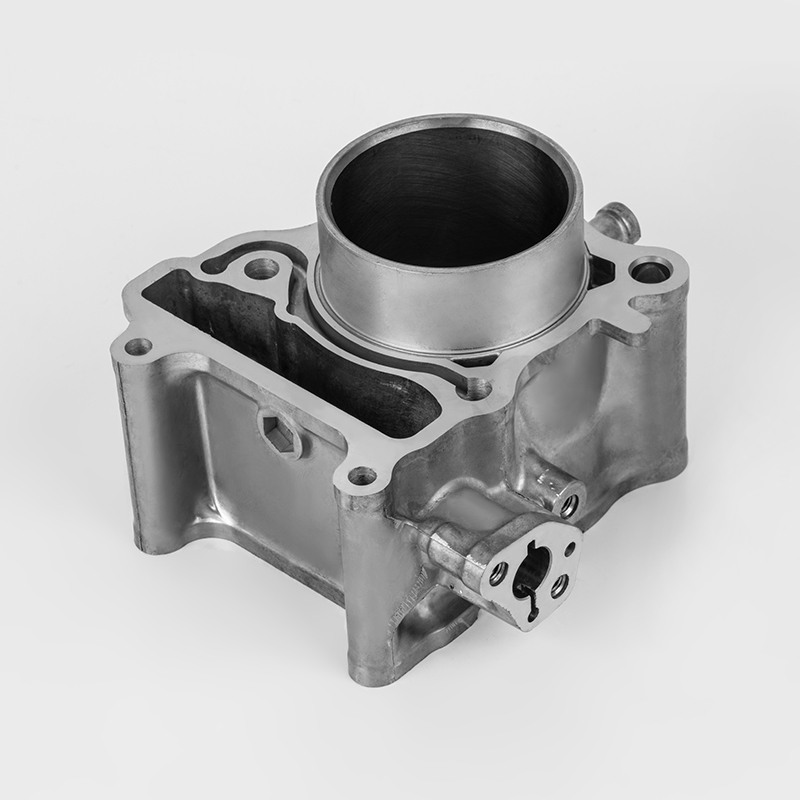
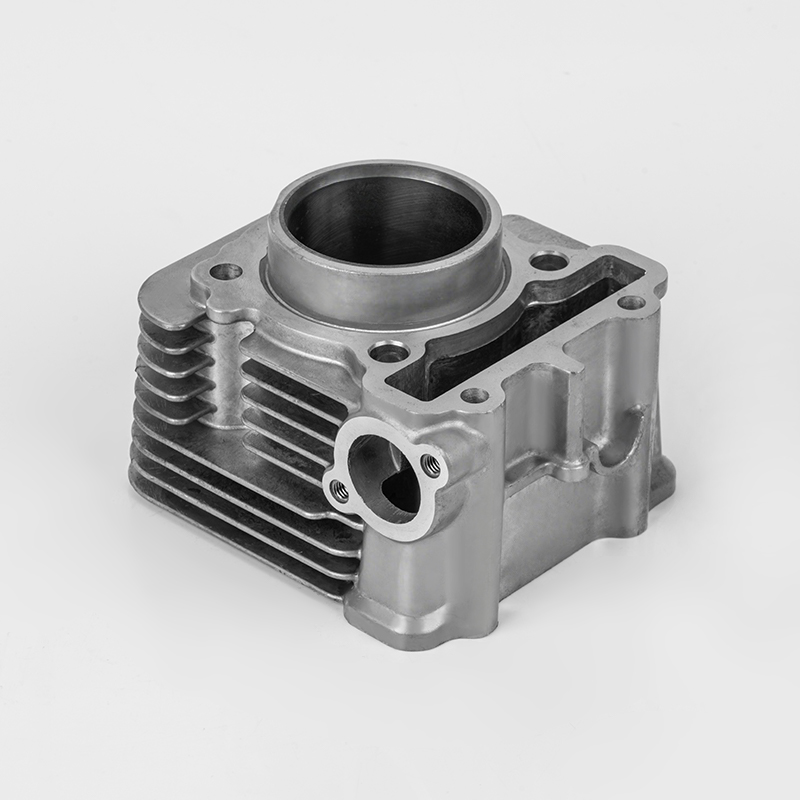
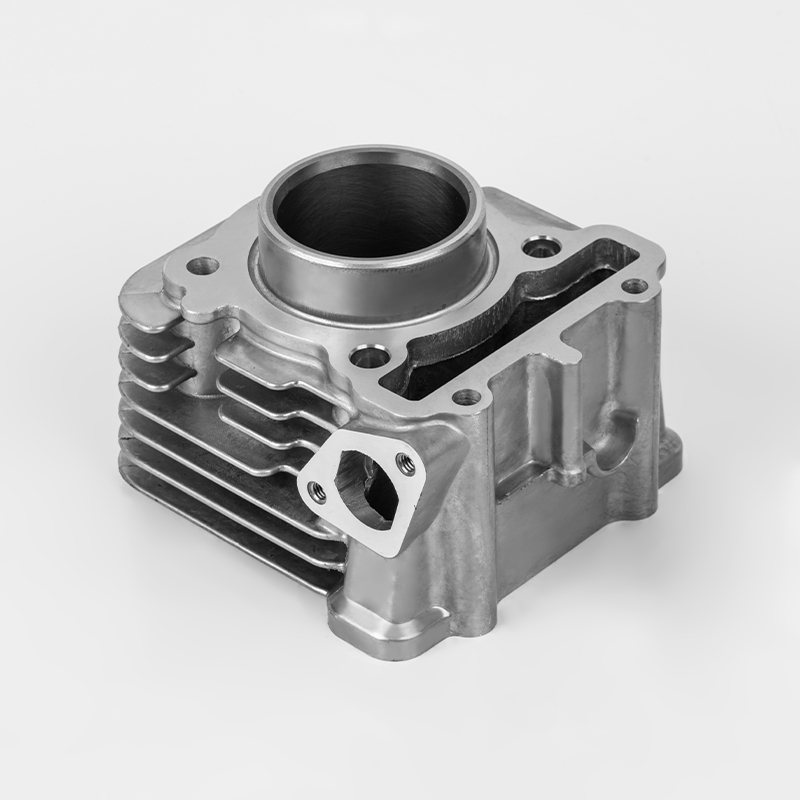
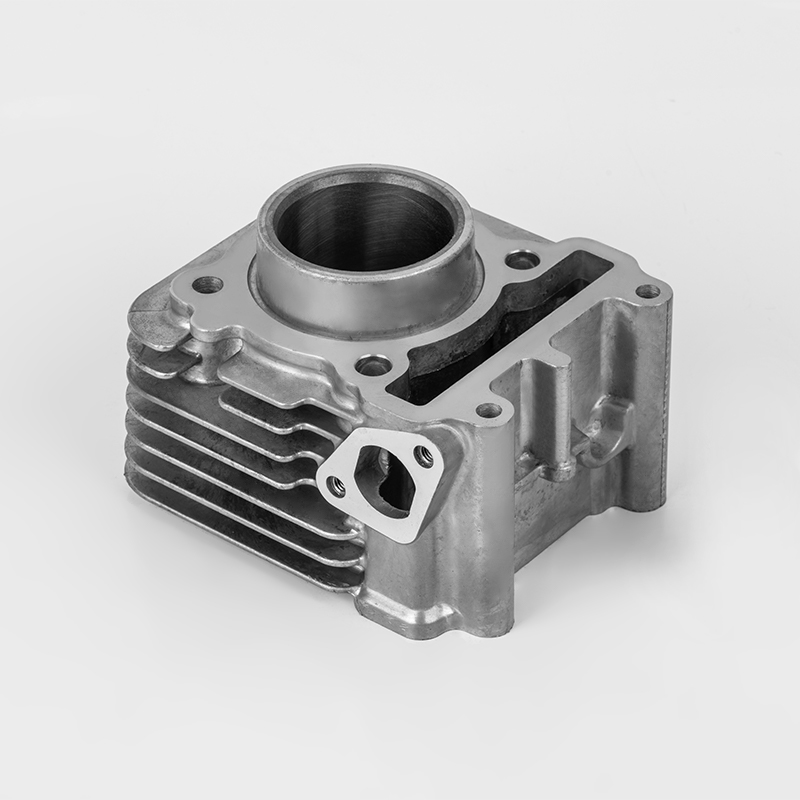
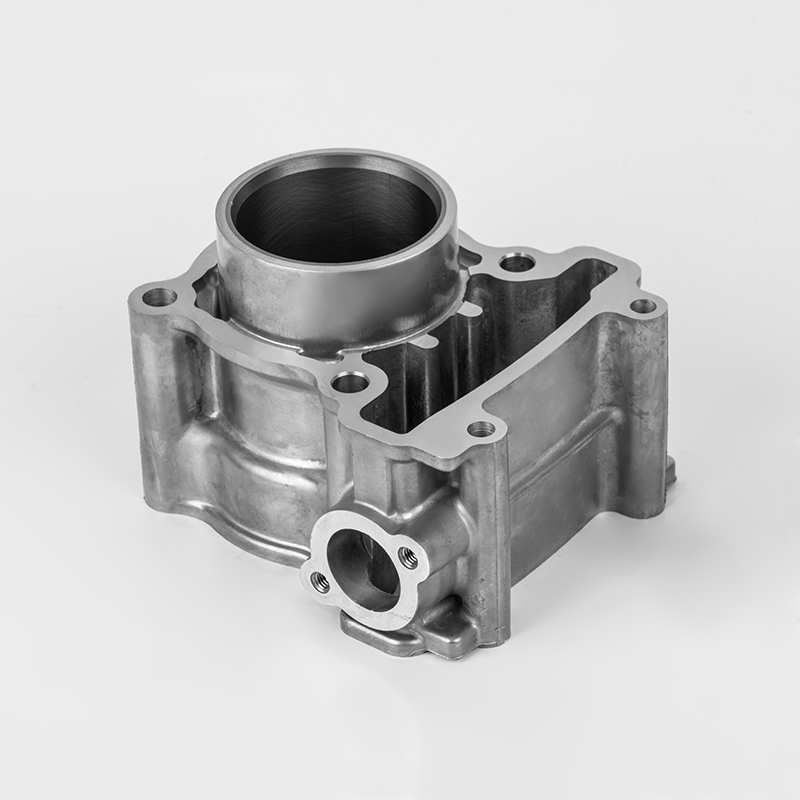
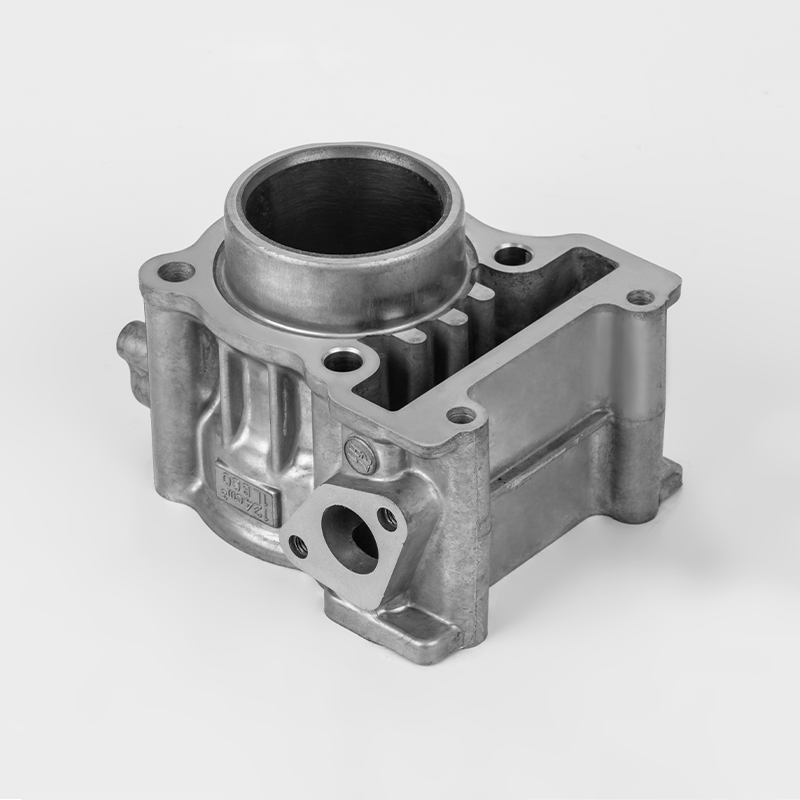
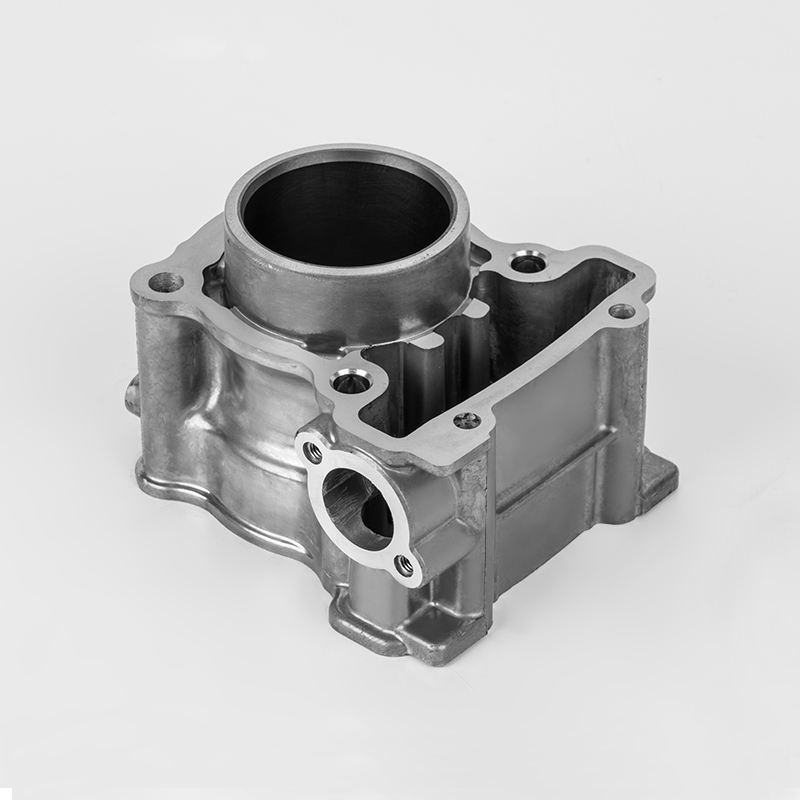
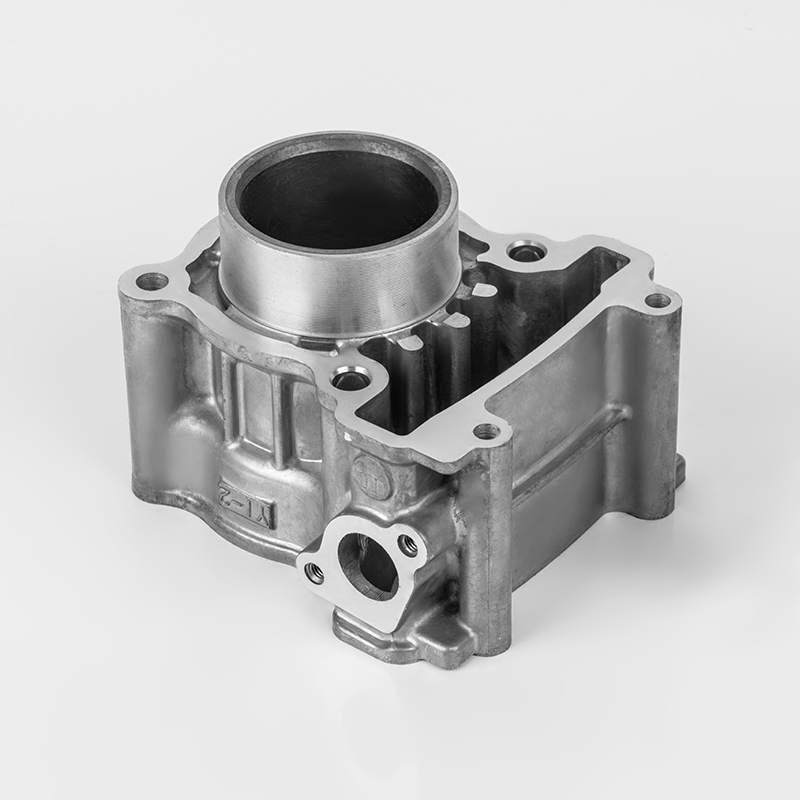
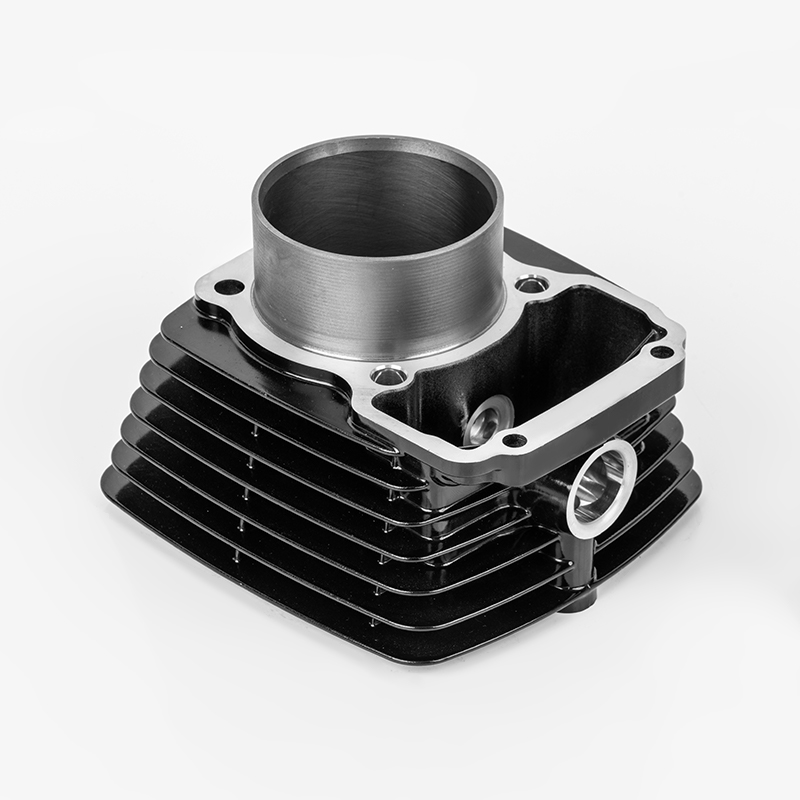
At the heart of this rivalry is a fundamental difference in how each manufacturer builds a four-cylinder engine. Honda's approach centers on precision casting and material selection. The CBR1000RR-R Fireblade uses a Honda Aluminum Alloy Motorcycle Cylinder construction with nikasil-plated bore walls, a technique Honda has refined across decades of MotoGP-influenced road bike development. The bore is 81mm and the stroke is 48.5mm, producing a short-stroke, high-revving character that reaches peak power at 14,500 rpm.
BMW takes a different path. The S1000RR uses a 80mm bore and 49.7mm stroke, numbers that look similar on paper but produce a noticeably different power curve. BMW also uses an aluminum cylinder block, but the metallurgical specification and casting process differ from Honda's. BMW's Alusil cylinder bore coating is applied directly to the alloy block, eliminating the need for a separate liner. This saves weight but creates different wear characteristics over high mileage.
Power Output and Torque Curve Differences
The 2024 BMW S1000RR produces 210 hp at 13,750 rpm and 113 Nm of torque at 11,000 rpm. The Honda CBR1000RR-R Fireblade SP produces 217.5 hp at 14,500 rpm (in race configuration without airbox restriction) or approximately 214 hp in road-legal trim. Honda's power advantage is real at peak, but BMW's torque curve is broader and more accessible below 10,000 rpm, making it feel stronger in real-world riding conditions where you rarely hit the redline.
| Specification | Honda CBR1000RR-R | BMW S1000RR |
|---|---|---|
| Engine displacement | 999.9 cc | 999 cc |
| Bore × Stroke | 81.0 × 48.5 mm | 80.0 × 49.7 mm |
| Peak power | ~214 hp @ 14,500 rpm | 210 hp @ 13,750 rpm |
| Peak torque | 113 Nm @ 12,500 rpm | 113 Nm @ 11,000 rpm |
| Redline | 14,000 rpm (road), 15,000 rpm (race) | 14,600 rpm |
| Cylinder block material | Aluminum alloy with nikasil bore | Aluminum alloy with Alusil bore |
| Compression ratio | 13.5:1 | 13.3:1 |
Why the Honda Aluminum Alloy Motorcycle Cylinder Design Matters for Longevity
The Honda Aluminum Alloy Motorcycle Cylinder isn't just a material choice — it reflects Honda's entire approach to internal combustion engineering. Honda's casting tolerances on the CBR1000RR-R cylinder block are held to within ±0.002 mm in bore diameter, tighter than what most aftermarket machine shops can achieve with re-boring equipment. This precision means piston-to-wall clearance remains consistent throughout the engine's lifespan, reducing oil consumption and maintaining compression long after competitors need rebuilds.
Riders who have tracked both bikes extensively report that the Honda engine maintains consistent compression readings at valve check intervals (every 16,000 km) without significant cylinder wear, even on bikes used in track day environments. BMW's Alusil bore, while lighter, can show measurable taper wear on bikes used heavily on track in hot climates because aluminum-silicon alloys have a higher thermal expansion coefficient than the nikasil coating Honda uses. This is not a criticism — it is a trade-off BMW consciously made to achieve its weight target.
Chassis, Suspension, and Handling: Where These Bikes Feel Most Different
Chassis feel is where the honda 1000rr vs bmw s1000rr debate becomes most subjective — but also where measurable data can anchor the discussion. Honda used a twin-spar aluminum frame borrowed directly from RC213V-S MotoGP concept work. Swingarm pivot position, head angle at 23.6 degrees, and trail at 96 mm all reflect a setup optimized for corner entry stability at speeds above 150 km/h.
BMW uses a more conventional aluminum bridge frame, but compensates with more aggressive steering geometry: head angle of 23.4 degrees and trail of 95.8 mm. The difference sounds negligible, but paired with BMW's longer swingarm (622 mm vs Honda's 618 mm) it creates a more stable platform under acceleration out of slow corners. Most experienced track riders describe the S1000RR as easier to manage at the limit in long, fast corners; the CBR1000RR-R as more planted in high-speed direction changes.
Weight and Weight Distribution
The 2024 BMW S1000RR weighs 197 kg wet (with fluids, without fuel). The Honda CBR1000RR-R SP weighs 201 kg wet. That 4 kg difference is meaningful on track — roughly equivalent to removing one 500 ml water bottle from each corner of the bike. BMW achieves this through aggressive use of magnesium components, a titanium fuel tank, and the lighter Alusil cylinder bore that eliminates separate liner mass.
Honda compensates with mass centralization. The CBR1000RR-R positions its fuel mass lower and further forward than the S1000RR. Combined with a lower center of gravity from the compact engine design, many riders report the Honda feels lighter than its spec sheet suggests once moving, particularly through direction changes under 80 km/h.
Suspension Hardware Comparison
Both bikes offer electronically adjustable suspension in their SP/M variant trims.
- Honda CBR1000RR-R SP: Öhlins NPX25/MK racing front forks and TTX36 rear shock, both with Honda's EERA (Electronically Equipped Ride Adjustment) control system. The system reads chassis movement 200 times per second and adjusts damping independently.
- BMW S1000RR M Package: Fully adjustable DDC (Dynamic Damping Control) Öhlins suspension. BMW's implementation integrates the suspension with the chassis IMU at 100 Hz, a slower read rate but with more sophisticated predictive algorithms.
- Standard S1000RR (without M): Uses BMW's own semi-active suspension, which is competent but not on the same level as Öhlins hardware.
- Standard CBR1000RR-R (without SP): Fixed Showa Big Piston Fork — high quality but not electronically adjustable.
For most road riders, the standard BMW S1000RR's suspension is easier to live with daily because the DDC system does more work automatically. The Honda SP's Öhlins setup rewards riders who understand suspension setup but can feel harsh on poor road surfaces if not manually dialed in correctly.
Electronics Package: BMW's Edge in Raw Technology
In the honda 1000rr vs bmw s1000rr electronics debate, BMW has a genuine and significant advantage. The S1000RR was one of the first production superbikes to offer a six-axis IMU as standard equipment across all trim levels, not just the top variant. This IMU drives lean-angle-sensitive traction control, cornering ABS, engine brake management, and wheelie control simultaneously — all calculated in real time against the bike's actual attitude in three-dimensional space.
Honda's CBR1000RR-R uses a 5-axis IMU (the sixth axis being roll rate, which Honda integrates differently). The practical difference is subtle for road riding but measurable on track: BMW's system allows slightly more aggressive lean-angle corrections in the traction control because it has more precise attitude data to work with. Lap time data from professional instructors at circuits like Jerez shows the S1000RR's electronics intervene in a way that feels more transparent and less intrusive than the CBR1000RR-R's base system, though Honda has closed this gap significantly with software updates since 2022.
Riding Modes and User Customization
BMW offers four standard riding modes (Rain, Road, Dynamic, Race) plus two fully customizable modes. Each mode independently adjusts engine power output, throttle response, traction control, ABS intensity, and suspension damping if DDC is fitted. The customization depth is impressive: traction control alone has 11 levels across different intervention styles, not just a simple 1–10 scale.
Honda offers five modes (User, Sport, Rain, Track, Power) with similar customization, but the interface for adjusting parameters is less intuitive and requires more button presses to navigate. Honda's Race mode, accessed through the dashboard, allows disabling traction control and ABS entirely for experienced track use — BMW requires a specific dealer-activated "Pro" mode unlock to fully disable safety systems, which adds a layer of friction for track-day riders.
Quickshifter and Auto-Blipper Performance
Both bikes include bidirectional quickshifters as standard. BMW's Shift Assistant Pro is widely regarded as the best production quickshifter on any road-legal motorcycle, allowing clutchless upshifts and downshifts from walking pace to full throttle without noticeable hesitation or jerkiness. Honda's quickshifter is excellent but requires slightly more deliberate shift pressure to activate cleanly, particularly when downshifting at low speeds. For street riding, the difference is academic. For lap time optimization, BMW's system is marginally ahead.
Braking Performance: Similar Results Through Different Engineering
Braking is one area where both bikes converge closely in real-world performance, despite different hardware specifications.
The Honda CBR1000RR-R uses Brembo Stylema monobloc calipers gripping 330mm discs at the front, driven by a Brembo master cylinder with Honda's Combined ABS system. Brembo Stylema is the same caliper used on Ducati Panigale V4R and Aprilia RSV4 Factory, representing the current gold standard in production superbike braking hardware. Stopping distance from 100 km/h in independent tests averages 38.4 meters.
The BMW S1000RR uses BMW's own developed brakes: 320mm front discs with four-piston radial monobloc calipers and BMW's Race ABS. From 100 km/h, stopping distance averages 37.9 meters — marginally shorter than the Honda, a difference attributable to BMW's ABS calibration allowing slightly longer periods without intervention before modulating. In trail braking scenarios, the Honda's Brembo calipers provide better feedback through the lever, which more experienced riders typically prefer for corner-entry accuracy.
Maintenance Costs and Long-Term Ownership: Honda's Clear Advantage
This is where the honda 1000rr vs bmw s1000rr comparison tilts decisively in Honda's favor for most real-world owners. The Honda Aluminum Alloy Motorcycle Cylinder block's tighter manufacturing tolerances translate directly into lower maintenance frequency and cost over the bike's lifespan.
Valve Check Intervals and Engine Service
Honda specifies valve checks every 16,000 km for the CBR1000RR-R. BMW specifies valve checks every 12,000 km for the S1000RR. In practice, most Honda owners report their valves are still within specification at the first two or three check intervals on road-use bikes, making the interval more theoretical than actual replacement cost. BMW owners more commonly find valves at or near the wear limit by the second check, particularly on bikes used on track.
A full valve adjustment at a dealership costs approximately €450–€600 for the Honda and €600–€800 for the BMW, reflecting both the longer labor time on the S1000RR's engine layout and BMW's higher dealer labor rates in most markets. Over 50,000 km of road use, this difference compounds significantly.
Oil Consumption and Seal Integrity
Honda CBR1000RR-R engines in road use consistently show oil consumption under 50 ml per 1,000 km throughout their service life. BMW S1000RR engines are known to consume more oil, particularly during the first 20,000 km — 100–150 ml per 1,000 km is not unusual and within BMW's stated acceptable range. This is a consequence of the Alusil bore's different ring seal characteristics during warm-up cycles. Neither figure represents engine failure, but Honda owners check their oil less often and top up less frequently.
| Maintenance Item | Honda CBR1000RR-R | BMW S1000RR |
|---|---|---|
| Oil change interval | 8,000 km | 10,000 km |
| Valve check interval | 16,000 km | 12,000 km |
| Valve check labor cost (approx.) | €450–€600 | €600–€800 |
| Coolant replacement | Every 3 years | Every 2 years |
| Spark plug replacement | 24,000 km | 18,000 km |
| Estimated 5-year service cost (road use) | €2,800–€3,500 | €3,800–€5,200 |
Parts Availability and Aftermarket Support
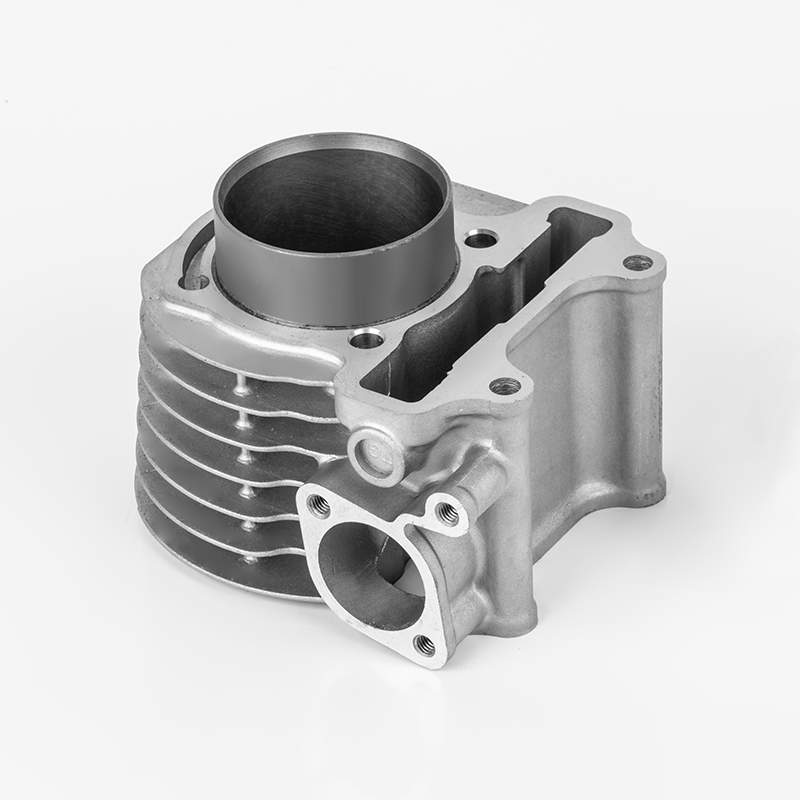
Honda's global manufacturing scale means CBR1000RR-R parts are available on virtually every continent with shorter lead times than BMW motorsport components. Aftermarket support for the Honda Aluminum Alloy Motorcycle Cylinder — including oversized piston kits, replacement liners, and performance bore work — is extensive because Honda's cylinder design has been consistent enough across generations for specialists to develop tooling specifically for it. BMW's S1000RR engine internals changed significantly between the 2018 redesign and subsequent updates, fragmenting the aftermarket somewhat and making pre-2019 parts non-interchangeable with current engines.
Ergonomics and Daily Usability
Both bikes are racing machines first, and neither is comfortable by touring standards. But they differ meaningfully in how uncomfortable they are and in which situations.
The Honda CBR1000RR-R has a more extreme riding position than the S1000RR. Handlebar position is lower and reach to the bars is longer, designed to push the rider's weight fully over the front wheel in the style of MotoGP machines. For riders under 175 cm, this position can feel aggressive from the first kilometer. For taller riders, the ergonomics are actually more natural because the longer reach accommodates longer torso dimensions without excessive forward lean.
BMW's S1000RR uses higher, slightly wider handlebars by default, and the seat-to-footpeg relationship is less extreme. Riders consistently rate the S1000RR higher for daily usability on road rides under 200 km. Beyond 200 km, both bikes become similarly uncomfortable due to seat padding inadequacy, at which point the only practical solution is an aftermarket seat.
Both bikes have a below-average fuel range: Honda's 16.1-liter tank delivers roughly 180–200 km on road at moderate pace; BMW's 16.5-liter tank delivers similar range. Neither is suitable for long-distance travel without planned fuel stops every 150–170 km when riding at legal motorway speeds.
Track Day Performance: Where the S1000RR Has a Genuine Edge
On circuit, the BMW S1000RR consistently posts faster lap times in the hands of intermediate and advanced amateur riders. This is well-documented across multiple independent track day tests at Portimão, Valencia, and Mugello. The average lap time gap between a skilled amateur on the S1000RR versus the same rider on the CBR1000RR-R is typically 0.8–1.4 seconds per lap at a 4 km circuit, driven primarily by the BMW's electronics making it easier to use full power earlier in corner exits and its more user-friendly chassis balance under braking.
At the professional level, the gap narrows dramatically. When Superbike World Championship data is reviewed, Honda's CBR1000RR-R-based machines and BMW's S1000RR factory bikes have traded wins throughout the 2022–2024 seasons, with the outcome determined more by rider skill and setup work than by base machine superiority.
For someone who tracks their bike 10–15 days per year and road rides the rest of the time, the S1000RR is the more efficient choice for lap time improvement. For someone who primarily road rides and does 2–3 track days per year, the Honda's superior reliability and lower running costs over time make it the better overall package.
Purchase Price and Depreciation
New purchase prices in European markets for 2024 models:
- Honda CBR1000RR-R Fireblade (standard): approximately €20,400
- Honda CBR1000RR-R Fireblade SP: approximately €28,500
- BMW S1000RR (standard): approximately €19,900
- BMW S1000RR M Package (with M carbon wheels, DDC suspension): approximately €28,900
At standard trim level, prices are nearly identical, with BMW offering a slight advantage. However, the specification gap between standard and SP/M variants differs significantly: Honda's standard bike already includes most of what makes the Fireblade competitive, while BMW's standard S1000RR lacks semi-active suspension that most serious riders consider essential, requiring the M Package upgrade to reach equivalent specification levels.
Three-year depreciation data from major European motorcycle markets shows the Honda CBR1000RR-R retaining approximately 68–72% of its new value, compared to 62–66% for the BMW S1000RR. Honda's stronger residual values reflect both brand perception and the documented reliability record that reduces buyer uncertainty in the used market.
Which Bike Should You Actually Buy?
The honda 1000rr vs bmw s1000rr decision ultimately comes down to what you value most and how you actually use a superbike.
Buy the Honda CBR1000RR-R if:
- You plan to own the bike for more than 4 years and want lower running costs
- You do more road riding than track work (under 5 track days per year)
- You live in a region where BMW dealer service is expensive or inconveniently located
- You want the better engine feel at the top of the rev range and don't mind working harder to find it
- Resale value and long-term reliability are priorities
- You want MotoGP-derived Honda Aluminum Alloy Motorcycle Cylinder precision that has been validated across millions of production units
Buy the BMW S1000RR if:
- You track the bike frequently (8 or more days per year) and want faster amateur lap times with less effort
- The electronics suite and user interface customization are important to you
- You ride mostly in cold or unpredictable climates where Rain mode usability matters daily
- You prioritize the broader torque curve for street riding over peak horsepower figures
- You value the 4 kg weight advantage and the feel it creates through fast direction changes
- You are comfortable with higher maintenance costs in exchange for track-day accessibility
Neither machine is a bad choice. At this price point and performance level, both represent the absolute state of the art in production superbike engineering. The margin between them is small enough that rider skill, tire choice, and setup quality will matter far more than which badge is on the tank. What matters is matching the bike's character to your actual riding life — not the riding life you imagine having.