
 English
 Español
 عربى
عربى

Content
- 1 Why the Break-In Period Exists
- 2 How to Perform the Heat Cycle Break-In
- 3 Break-In Phases and RPM Limits
- 4 Break-In for New, Rebuilt, and Replacement Cylinders
- 5 Common Break-In Mistakes and How to Avoid Them
- 6 How to Check Whether the Break-In Worked
- 7 Oil and Maintenance Schedule During Break-In
- 8 Water-Cooled Engines and High-Performance Cylinders
- 9 Frequently Asked Questions
A proper motorcycle break-in takes about 600 miles (1,000 km), and the single most important rule is simple: vary the engine load during every ride in that period. Ride with light to medium throttle, keep engine speed below the factory break-in limit, complete three to five full heat cycles in the first 100 miles, and perform the first oil change at 600 miles. Do this, and the piston rings seat correctly against the cylinder wall, compression stays sharp, and oil consumption drops to a normal level. Rush through it, and you risk scoring the bore, glazing the ring faces, and turning a new engine into an oil burner.
This break-in process applies whether you are running in a brand-new motorcycle, replacing a worn top end, or installing a rebuilt cylinder on a project bike. The physics is identical in every case: the piston rings and the cylinder bore must wear into each other in a controlled way before the engine can handle full load.
Why the Break-In Period Exists
A new cylinder bore is not a mirror-finished surface. It leaves the factory with a 45-degree crosshatch pattern created by honing, with fine peaks and valleys that retain oil and provide the abrasive contact needed for the rings to seat. The ring outer faces are also sharp and square when new. During break-in, those sharp edges gradually wear down and the ring face develops a mirror finish that matches the bore. This is what people mean when they say the rings have seated.
If you apply too much throttle too early, combustion pressure slams the rings against a bore surface that is not ready for that load. Local temperature spikes, the oil film breaks, and micro-welds form and tear material from the bore. The typical damage is a scored cylinder wall with vertical scratches, heavy oil burning, and progressively worsening compression. On the opposite side, riding too gently and holding a constant low RPM for long periods can glaze the bore. The crosshatch becomes polished without the rings cutting into it, and the engine burns oil from the first service onward.
The break-in window also matters for the whole assembly. On a rebuilt engine, gaskets settle, the piston pin and small-end bearing take a set, and the ring end gap closes as the bore expands. Typical workshop guidance sets the break-in distance at 600 miles (1,000 km), with the first scheduled service at that point.
How to Perform the Heat Cycle Break-In
The heat cycle method is the most reliable break-in technique for both new motorcycles and newly installed replacement cylinders. It works by slowly expanding the piston and rings to operating temperature, letting them cool fully, and repeating the process so the rings seat in small controlled steps.
- Start the engine and let it idle until the coolant temperature reaches the normal operating range, usually 2 to 3 minutes. Do not blip the throttle during this stage; watch for oil pressure and a stable idle.
- Ride for 10 to 15 minutes at light throttle, keeping engine speed below 4,000 RPM. Change speed every 15 to 20 seconds by rolling the throttle on and off, and use engine braking to pull the rings down against the bore.
- Stop the engine and let it cool completely back to ambient temperature. The cooling shrinks the piston slightly and pulls oil into the ring faces, which is essential to the seating process.
- Repeat the cycle three to five times over the first 100 miles (160 km). After that, the rings have enough contact area to move on to the phased break-in schedule.
Each complete heat cycle seats the rings a little more. You can track progress indirectly by idle stability and exhaust behavior; a freshly seated engine idles steadily and releases no blue-tinted smoke.
Break-In Phases and RPM Limits
After the initial heat cycles, ride through three clear phases with increasing load. The table below gives practical limits that work for most single-cylinder and twin-cylinder motorcycles, including air-cooled, water-cooled, cast iron, and aluminum alloy cylinders.
| Phase | Mileage | RPM Limit | Throttle | Riding Pattern |
|---|---|---|---|---|
| Phase 1 | 0-100 miles (0-160 km) | 4,000 RPM | Under 50% | Vary speed every 15-20 seconds, avoid highways |
| Phase 2 | 100-300 miles (160-480 km) | 6,000 RPM | Up to 75% | Include engine braking, city and back roads |
| Phase 3 | 300-600 miles (480-960 km) | 8,000 RPM | Short full-throttle bursts | Normal riding, avoid sustained top speed |
| After break-in | 600+ miles (960+ km) | Redline gradually | Full | Change oil, then increase load over next 200 miles |
The numbers are conservative but effective. A 125 cc commuter engine can often reach 6,000 RPM in Phase 2 without trouble, while a big-bore kit or high-performance cylinder should stay in the lower half of each RPM band. When in doubt, use the lower limit and finish the break-in over a longer distance.
Break-In for New, Rebuilt, and Replacement Cylinders
A new motorcycle from a dealership already has a factory break-in program, so you simply follow the owner's manual. A rebuilt engine or a replacement cylinder demands the same discipline with two extra precautions. First, after the first two or three heat cycles, re-torque the cylinder head bolts to the manufacturer's specification because fresh gaskets compress and loosen slightly. Second, check the oil level after every ride during the first 100 miles, because a new ring set consumes a small amount of oil until it seats.
When you fit a completely new cylinder, the piston-to-bore clearance and ring end gap are set at the factory, but the bore surface still has to go through the same seating process. You cannot skip break-in just because the old cylinder has been running for years. The new rings have no contact patch, and the first 20 miles make or break the seal. Follow the same heat cycles and RPM limits you would use on a new bike. If you are doing the installation yourself, complete the setup and timing check before the first start, then use the motorcycle cylinder replacement procedure as a reference.
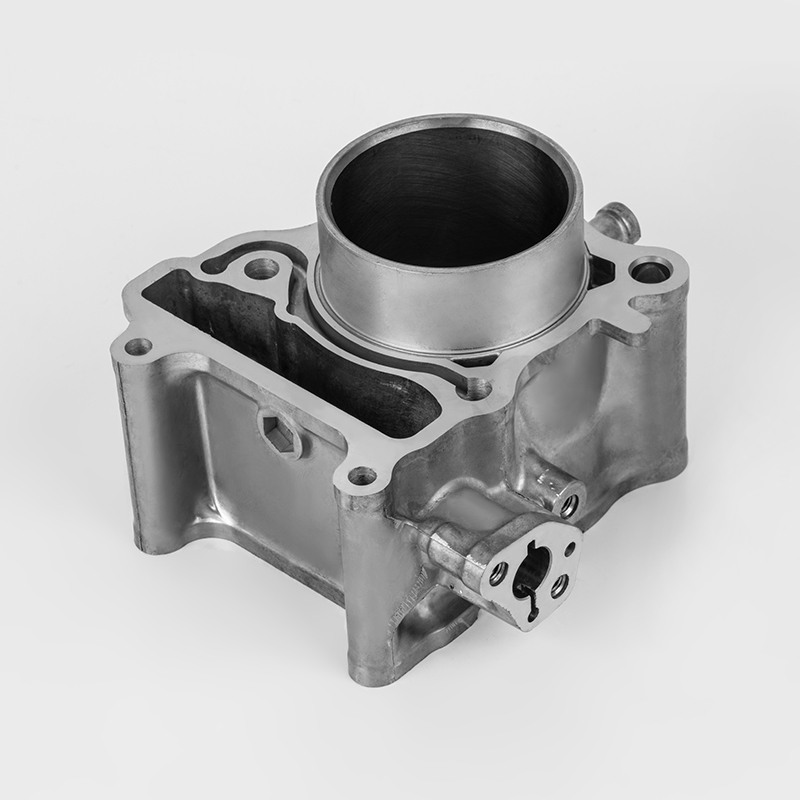
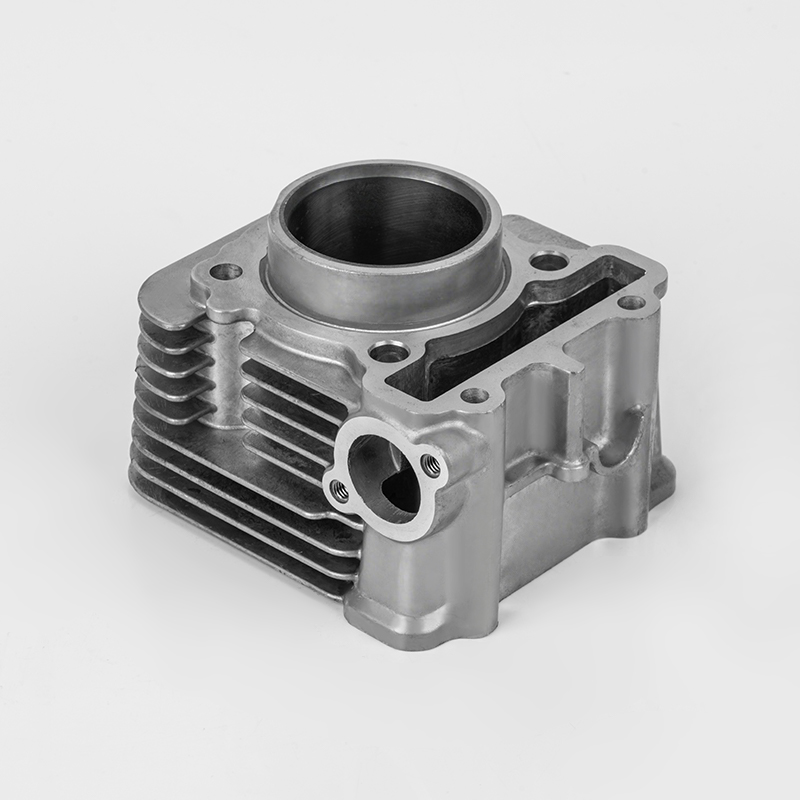
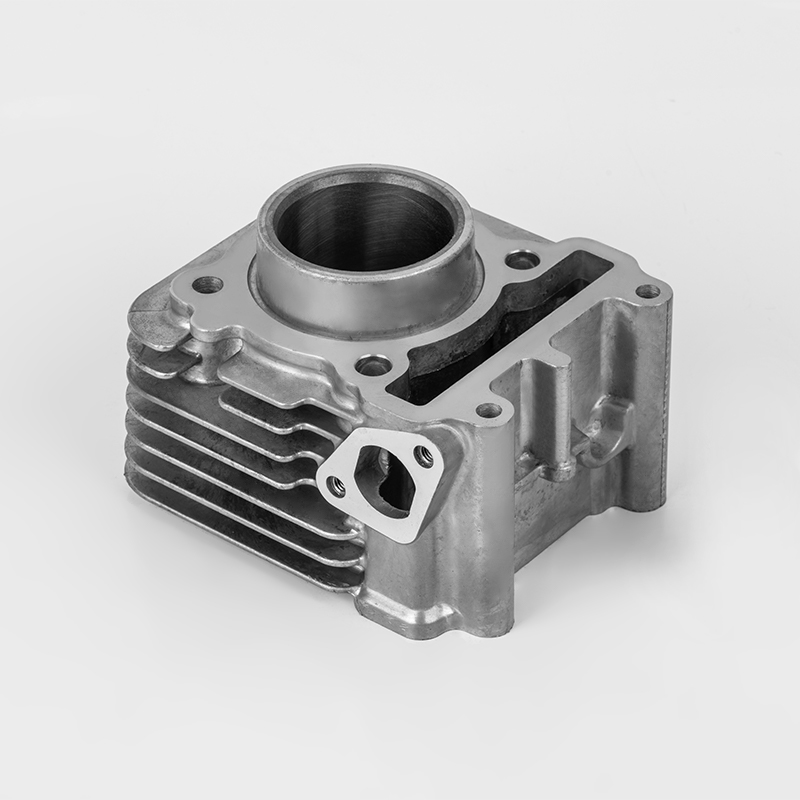
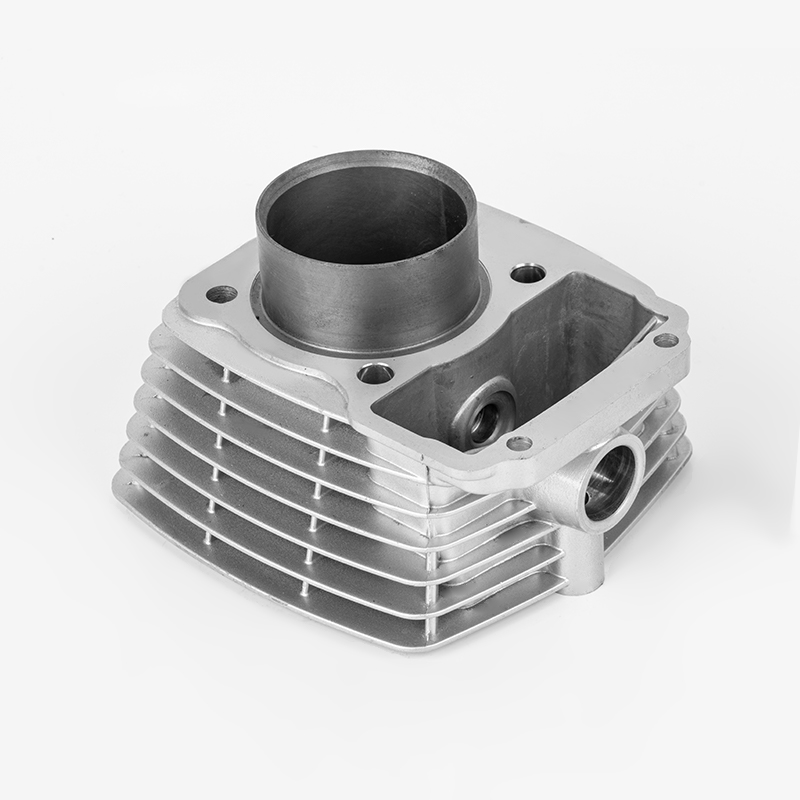 CG125 Die-Cast Aluminum Alloy Cylinder for HondaThis precision die-cast aluminum cylinder offers quick heat transfer and controlled expansion, crucial for proper break-in. Ideal for 125cc commuter engines needing gradual warm-up phases.View Product →
For small-displacement commuter bikes, a die-cast aluminum alloy cylinder such as the Honda CG125 type offers quick heat transfer and a predictable seating surface. The alloy expands at a controlled rate as the engine warms, so the break-in ride should include gradual warm-up phases rather than a cold start and immediate full load.
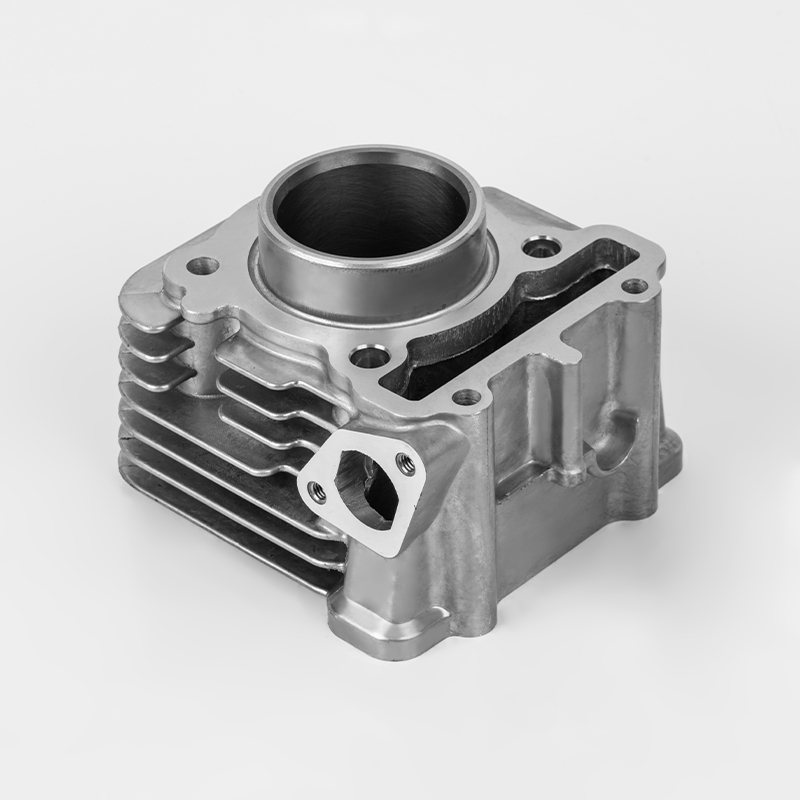
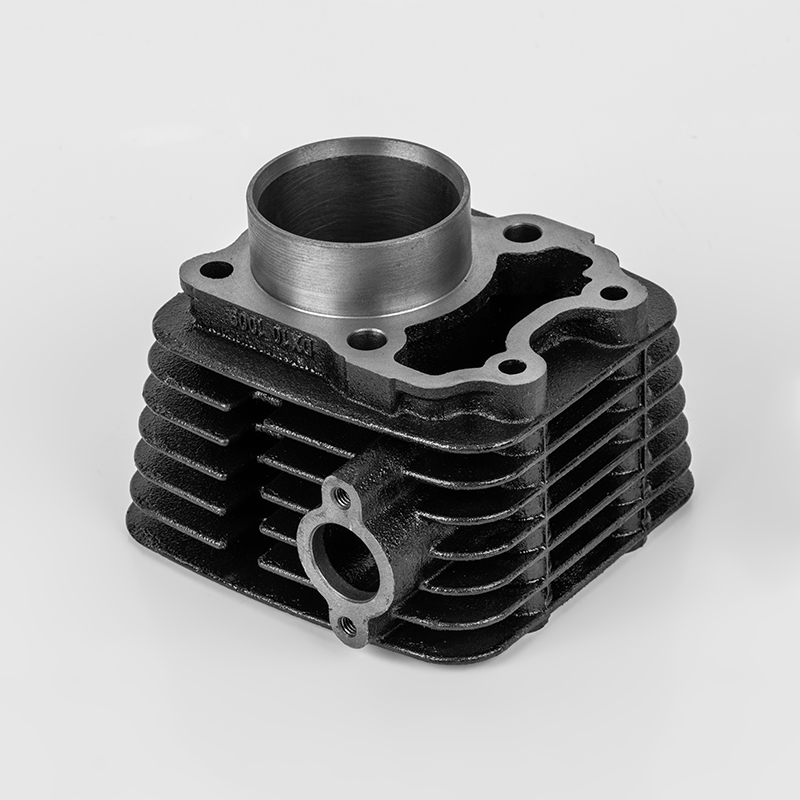 CT100 High-Precision Cast Iron CylinderCast iron bore retains oil well and seats more slowly, requiring extra light-load miles. Suitable for 100-125cc urban bikes where prolonged break-in ensures lasting seal.View Product →
Cast iron cylinders, such as the CT100 class used on small commuter bikes, seat more slowly because cast iron holds oil well and the surface is less aggressive. Give a cast iron bore an extra 100 miles of light-load riding before sustained heavy throttle.
Common Break-In Mistakes and How to Avoid Them
Most break-in failures come from a handful of repeated habits. Avoiding these six mistakes will give your cylinder the best chance to seat correctly.
- Prolonged idling. Warming up for more than 5 minutes without riding loads the rings unevenly and can wash the bore with fuel. Warm for 2 to 3 minutes, then ride gently.
- Constant-speed riding. A steady 3,500 RPM on the highway gives the rings little reason to move across the bore. Vary speed constantly.
- Full throttle too soon. Wide-open throttle before 300 miles (480 km) generates cylinder pressure that new rings cannot handle, which risks scoring the bore.
- Lugging the engine. Running below 2,500 RPM under load breaks down the oil film and hammers the small-end bearing. Downshift instead of dragging the engine.
- Synthetic oil before the first service. Fully synthetic oil is very slippery and prevents the rings from cutting into the crosshatch. Use mineral or break-in oil for the first 600 miles.
- Ignoring the temperature gauge. A fresh cylinder runs with tighter clearances and less heat dissipation. If the engine runs hot, stop and let it cool.
How to Check Whether the Break-In Worked
You can usually tell a successful break-in without pulling the cylinder. Four indicators are reliable.
- Stable idle. After the first heat cycles, the engine should idle smoothly with no hunting or misfiring.
- No blue smoke. A broken-in engine produces no blue smoke at warm idle, hard acceleration, or deceleration.
- Normal oil consumption. After the first 1,000 km, a properly seated engine should consume less than 1 liter per 1,000 km; many modern single cylinders consume far less.
- Good compression. On a warm engine, compression should fall in the manufacturer's range, for example 150 to 180 psi on a typical 125-250 cc single. A 10 percent spread between cylinders on a twin is acceptable.
If compression is low and the bike smokes, the rings have not seated or the bore has scored. Do not hope it will fix itself; open the top end, inspect the bore, and replace damaged parts before running again.
Oil and Maintenance Schedule During Break-In
Oil is the only thing preventing metal-to-metal contact while the rings and bore wear into each other. Use mineral-based oil or dedicated break-in oil for the first 600 miles. Mineral oil has enough friction to let the rings seat; fully synthetic oil minimizes friction and should wait until after the first service.
| Task | Mileage Point | Notes |
|---|---|---|
| First fill | 0 miles (0 km) | Break-in oil or mineral 10W-40, verify oil pressure |
| Level check | 100 miles (160 km) | Top up if needed; new rings consume a little oil |
| Optional early change | 300 miles (480 km) | Flushes early wear particles on rebuilt engines |
| First service | 600 miles (1,000 km) | Change oil and filter, adjust valves, re-torque head |
| Synthetic switch | 1,200 miles (2,000 km) | Normal oil from this point |
The oil filter matters just as much on a rebuilt engine. Metallic particles from ring seating collect in the filter, and an early change at 300 miles protects the bearings. If the engine has a centrifugal filter or screen, clean it at the same intervals.
When you are ready to source a replacement cylinder, choose a supplier that specifies the alloy, bore treatment, and machining process for every model. We machine our motorcycle cylinders in-house and list the material grade and application for each series, which makes break-in behavior predictable from the first start. Start by reviewing the complete motorcycle cylinder series before you plan the rebuild.
Water-Cooled Engines and High-Performance Cylinders
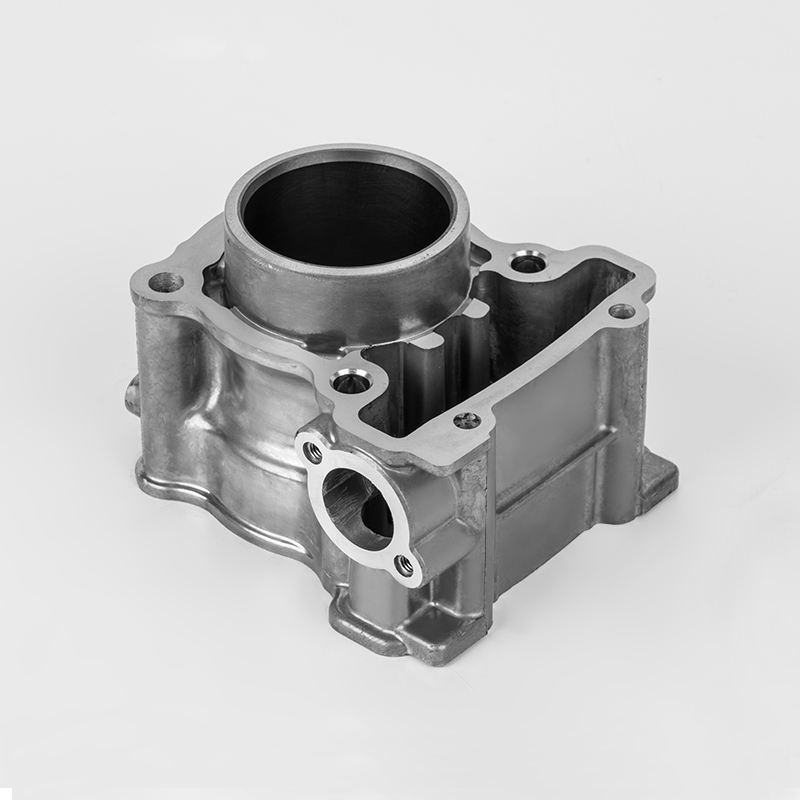
Water-cooled cylinders behave differently during break-in because the cooling jacket pulls heat away from the bore quickly. A water-cooled aluminum alloy cylinder such as the Yamaha LC135 type completes each heat cycle faster than an air-cooled equivalent, but the number of cycles still matters. Do not mistake the lower running temperature for permission to open the throttle.
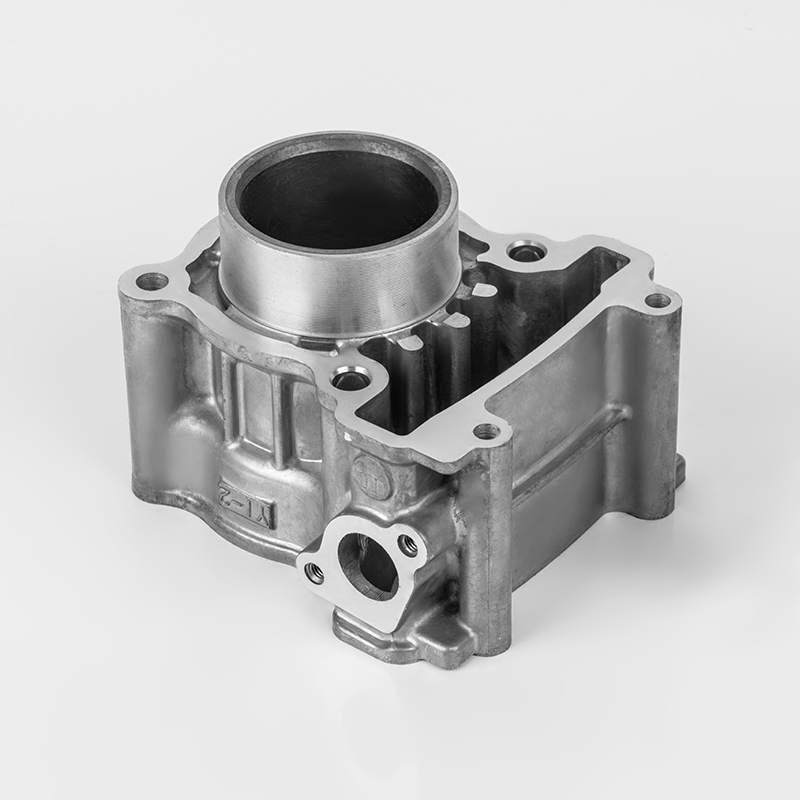 LC135 Water-Cooled Aluminum Alloy CylinderWater-cooled design pulls heat away quickly for efficient heat cycles. Forgiving during break-in with scuff resistance, but still demands proper cycle count and throttle discipline.View Product →
High-silicon aluminum alloy cylinders resist scuffing better than plain cast iron, which makes them more forgiving during break-in. They also transfer heat to the cooling jacket efficiently, so the piston stays cooler and ring wear is more uniform. The trade-off is cost; a damaged aluminum bore usually needs the cylinder replaced rather than re-bored.
Performance and big-bore kits sit at the strictest end of break-in. A big-bore piston has a larger surface area and produces more heat in the same cylinder volume. Give a 67 mm big-bore kit at least 200 gentle miles, keep the cooling airflow clean, and extend the break-in schedule shown above by roughly 25 percent.
Frequently Asked Questions
How long does the break-in period last on a motorcycle?
For most road motorcycles the break-in period lasts 600 miles (1,000 km). Sports and performance bikes sometimes specify 1,000 miles (1,600 km) before full redline runs. The minimum safe distance after a top-end rebuild is about 300 miles (480 km), but the complete heat cycle and phasing pattern always applies.
Can I break in a motorcycle on the highway?
No. Highway riding at a constant speed is one of the worst break-in conditions because the engine holds one RPM for a long time and the rings never move across the bore. If you must use a highway, vary speed by shifting gears and lifting the throttle every 20 seconds, keeping RPM under the break-in limit.
Is it bad to rev a new motorcycle?
Revving a cold engine or exceeding 4,000 RPM before 300 miles is harmful because the ring faces are still sharp and the bore surface has not adjusted. Short, gentle revs after warm-up are acceptable, but sustained high RPM in the first 300 miles (480 km) is the main risk.
When should I change the oil during break-in?
The first mandatory change is at 600 miles (1,000 km). On a rebuilt or replacement cylinder, an optional early change at 300 miles (480 km) removes the first batch of wear particles. After the first service you can switch to semi-synthetic or fully synthetic oil.
Do replacement cylinders need a break-in?
Yes. A brand-new cylinder, whether cast iron, aluminum alloy, or plated bore, needs the same break-in as a new engine. The rings are new and the bore is freshly honed, so the seating process starts from zero.
What happens if I skip the break-in on a motorcycle?
The most common results are burned oil, blue smoke, and low compression caused by a glazed or scored bore. In severe cases the cylinder wall is damaged beyond use, and the cost of a replacement cylinder and piston kit far exceeds the time saved by skipping the break-in.