
 English
 Español
 عربى
عربى

Content
- 1 Engine Specifications at a Glance
- 2 Chassis, Dimensions and Weight Data
- 3 Electronics and Rider Assist Systems
- 4 Real-World Performance and Engine Behavior
- 5 Cylinder Manufacturing Quality and the MT-09 Engine Family
- 6 Maintenance Schedule and Service Considerations
- 7 Frequently Asked Questions About the Yamaha MT-09
The Yamaha MT-09 is a middleweight naked motorcycle powered by a 890cc liquid-cooled three-cylinder engine that produces 119 PS at 10,000 rpm and 93 Nm of torque at 7,000 rpm. The complete bike weighs 193 kg wet and carries a 14-litre fuel tank. In terms of internal geometry, the engine uses a 78.0 mm bore and a 62.1 mm stroke, which gives a compression ratio of 11.5:1. For anyone ordering replacement engine components, quoting a repair, or comparing service parts across the CP3 engine family, these figures are the starting point.
Below is the quick reference specification sheet for the current-generation MT-09. The table consolidates the most frequently requested values in one place.
| Specification | Value |
|---|---|
| Engine | 890cc 3-cylinder liquid-cooled |
| Bore x stroke | 78.0 mm x 62.1 mm |
| Compression ratio | 11.5:1 |
| Max power | 119 PS @ 10,000 rpm |
| Max torque | 93 Nm @ 7,000 rpm |
| Wet weight | 193 kg |
| Fuel capacity | 14 L |
| Wheelbase | 1,430 mm |
| Seat height | 825 mm |
Engine Specifications at a Glance
The MT-09 engine is the CP3 platform, a three-cylinder design with a DOHC cylinder head, four valves per cylinder, and liquid cooling. It is widely recognised for its strong mid-range torque and distinctive exhaust character. The crossplane-style crankshaft uses uneven firing intervals, which makes the engine feel larger than its displacement suggests.
| Component | Specification |
|---|---|
| Engine type | 4-stroke, DOHC, 4 valves per cylinder |
| Displacement | 890 cm³ |
| Bore x stroke | 78.0 mm x 62.1 mm |
| Compression ratio | 11.5:1 |
| Fuel system | Electronic fuel injection |
| Lubrication | Wet sump |
| Clutch | Wet multi-plate with slipper function |
| Transmission | 6-speed constant mesh |
| Final drive | Chain |
From a parts perspective, the 78.0 mm bore is the most critical measurement. If you are sourcing an aftermarket cylinder kit or reboring a worn cylinder, the new bore diameter must match the piston specification within a tolerance measured in hundredths of a millimetre. Irregular liner roundness or an imperfect surface finish can cause ring flutter, increased oil consumption, or premature piston wear.
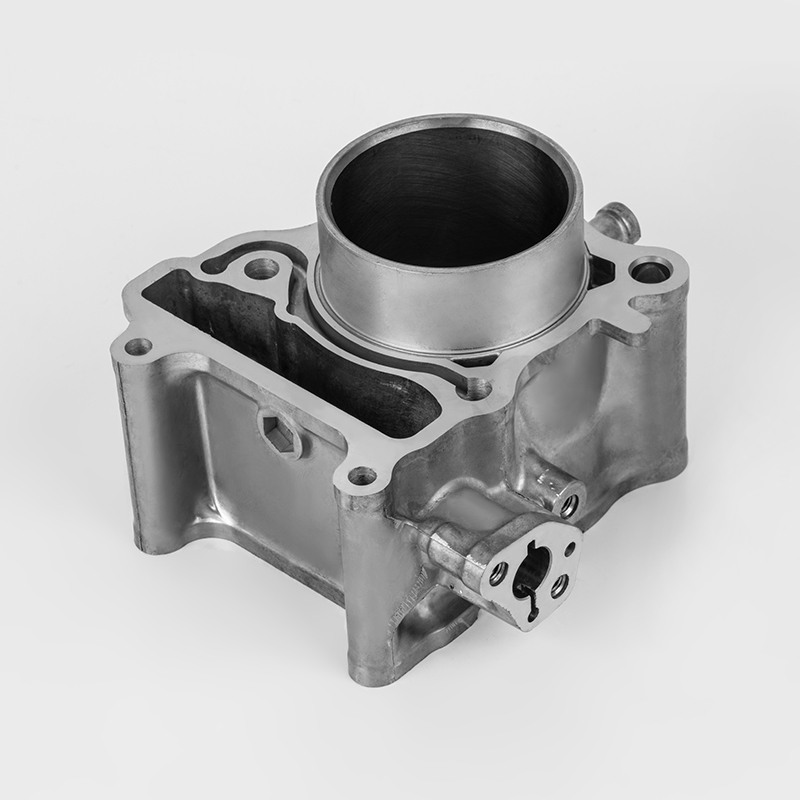
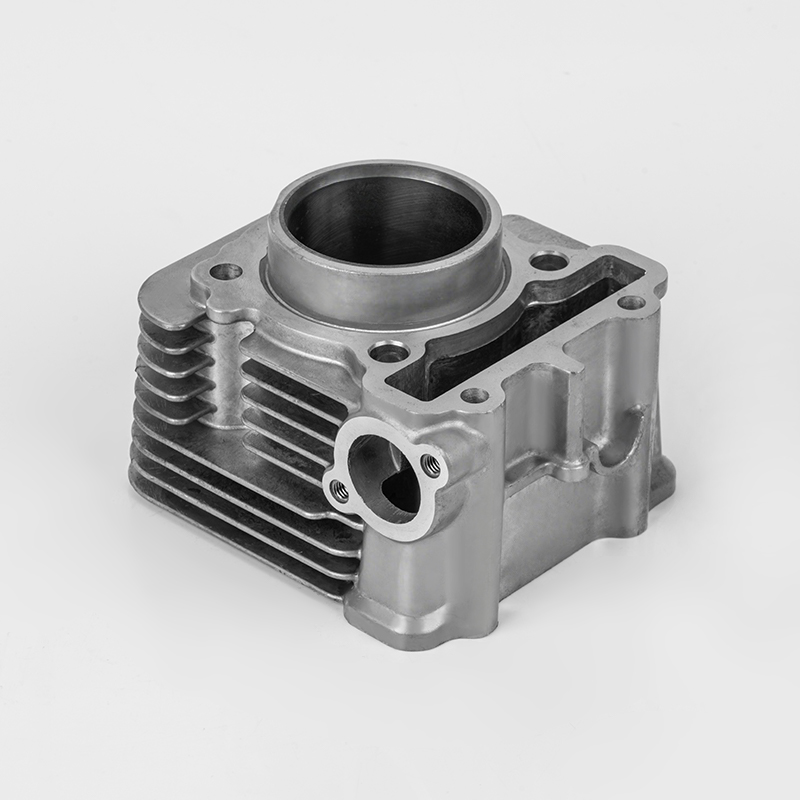
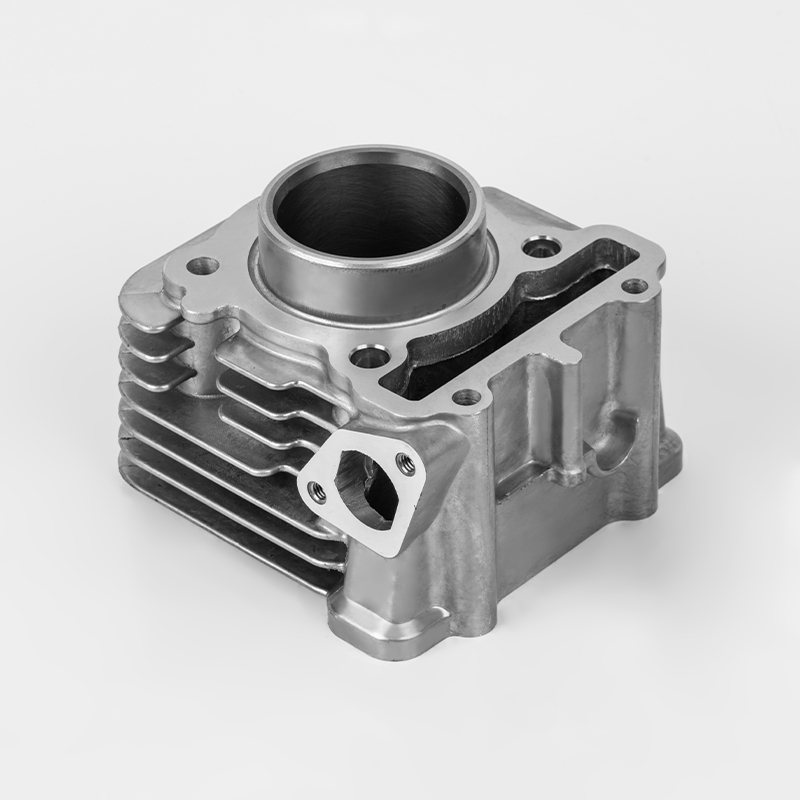
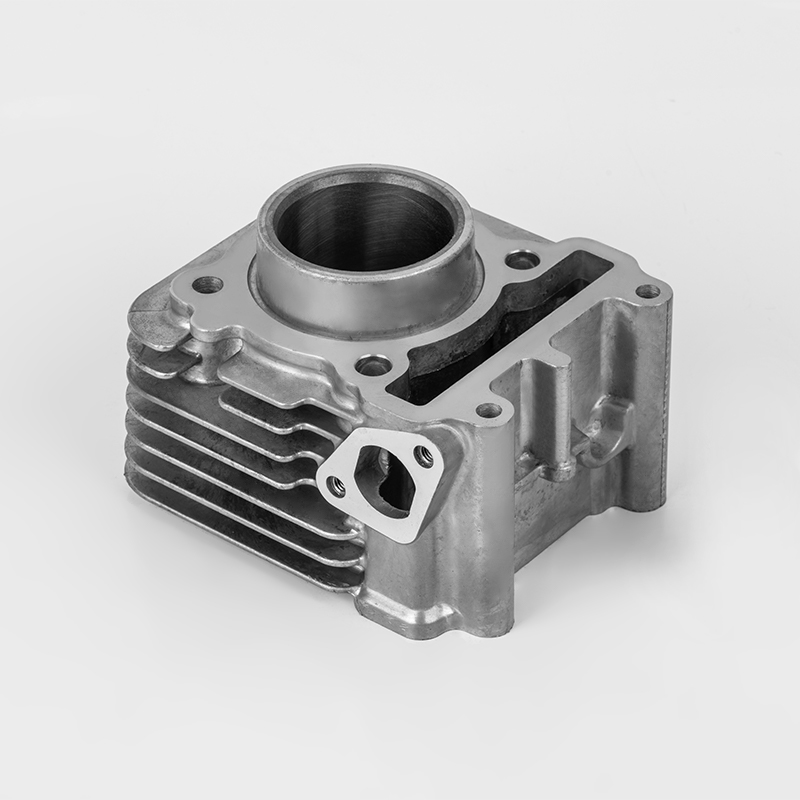
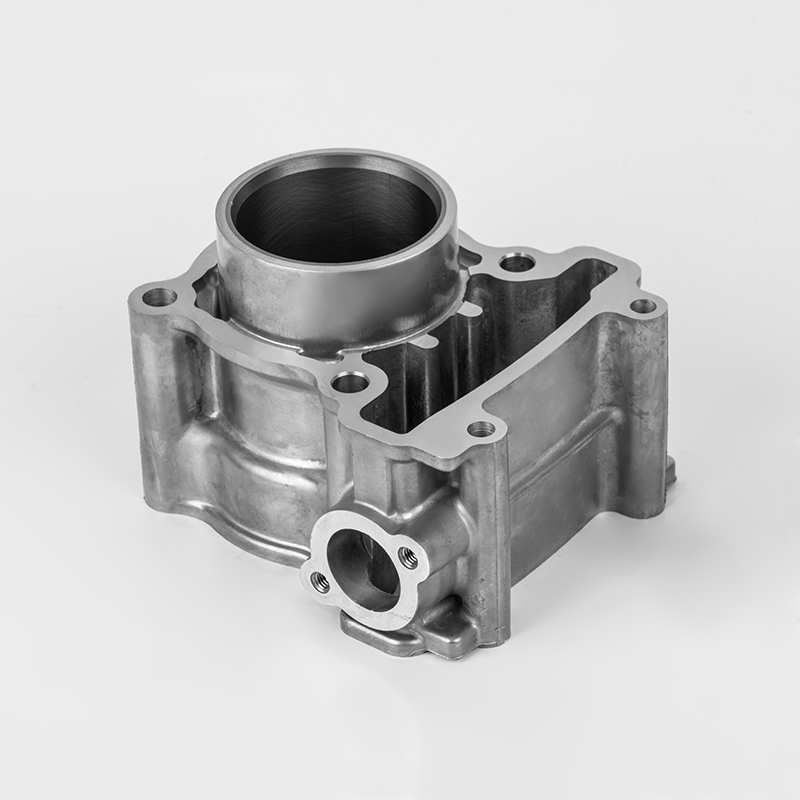
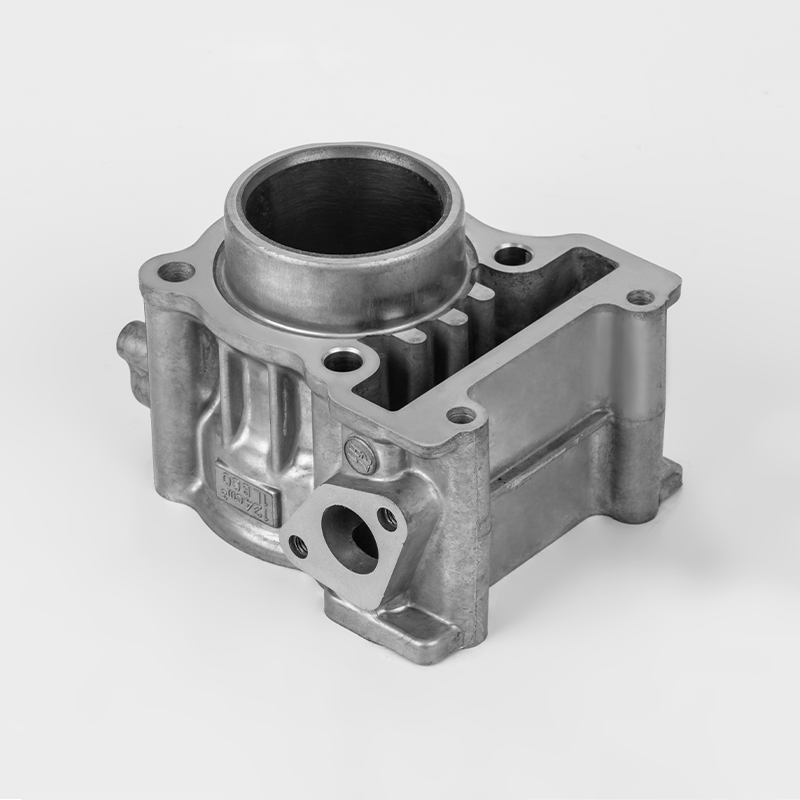
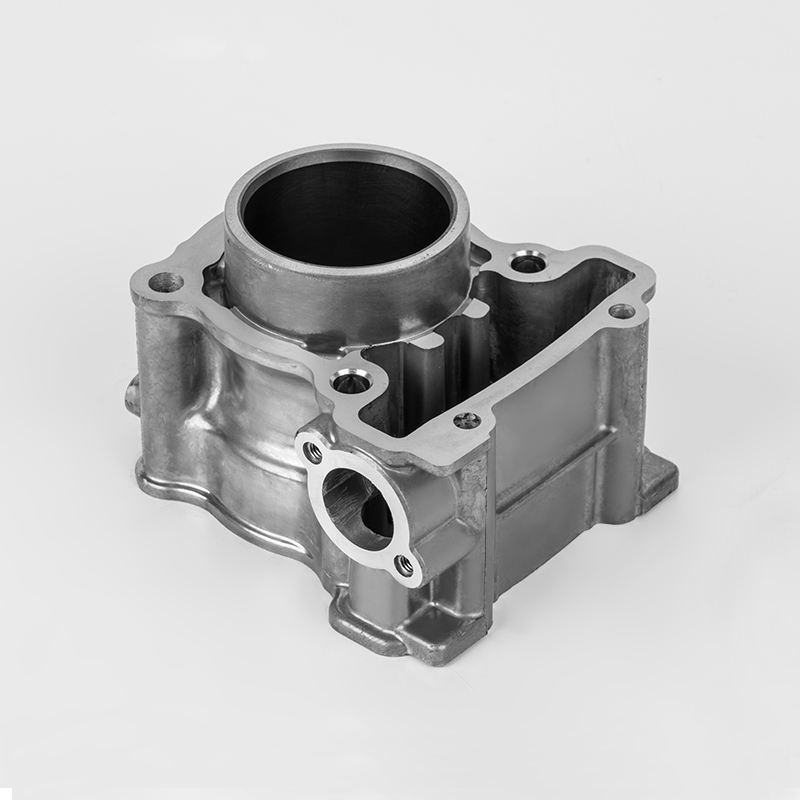
Quality cylinder manufacturing for Yamaha engines follows the same engineering discipline. A well-produced aluminum cylinder uses high-pressure die casting, machined liner bores with controlled surface roughness, and appropriate heat dissipation paths. This company, established in 1992, produces precision aluminum alloy cylinders for several Yamaha engine families in a 24,000 m² facility.
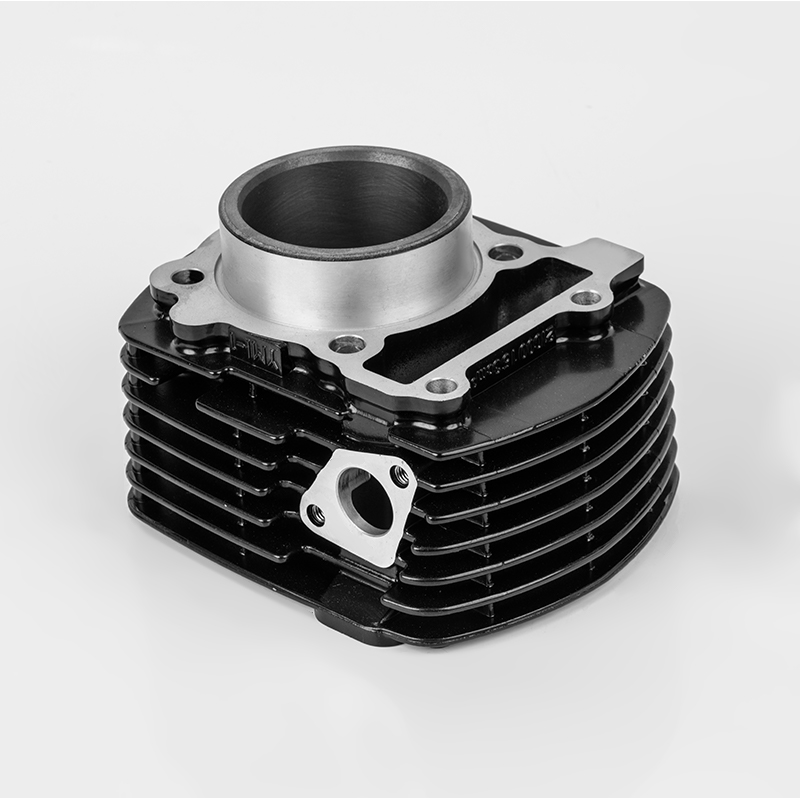 Yamaha FZ16 Single Cylinder Aluminum Alloy Cylinder KitThis precision die-cast aluminum cylinder for the FZ16 features boron cast iron composite for wear resistance, heat dissipation, and lightweight performance, making it a reliable replacement for your engine.View Product →
Chassis, Dimensions and Weight Data
The MT-09 uses a compact aluminum die-cast frame that makes the engine a stressed member. The chassis dimensions directly affect how the bike fits in a workshop, which stands hold it, and how it feels on the road. Below are the official dimensions for the standard model.
| Measurement | Value |
|---|---|
| Overall length | 2,090 mm |
| Overall width | 820 mm |
| Overall height | 1,145 mm |
| Wheelbase | 1,430 mm |
| Seat height | 825 mm |
| Ground clearance | 140 mm |
| Wet weight | 193 kg |
| Fuel tank capacity | 14 L |
The front suspension uses a 41 mm KYB inverted fork, while the rear uses a linked-type monoshock. The SP version adds full adjustability on both ends and a premium rear shock. The 193 kg wet weight is reasonable for a 890cc machine; the mass is kept low by the compact frame and the flat-twin-like balance of the crossplane crankshaft.
Brakewise, the front has two 298 mm discs with four-piston radial calipers, while the rear uses a single 245 mm disc. Standard ABS and cornering ABS are fitted. The recommended tyre sizes are a 120/70ZR17 on the front and a 180/55ZR17 on the rear.
Electronics and Rider Assist Systems
Yamaha Ride Control (YRC)
The YRC system on the MT-09 provides four riding modes: Sport, Street, Rain, and Custom. Each mode alters throttle response, maximum power delivery, traction control intervention, and front wheel lift control. Rain mode significantly reduces throttle sensitivity and limits peak power to give the rider more confidence in wet conditions.
Six-Axis IMU and Safety Systems
A six-axis inertial measurement unit feeds data to the following systems:
- Traction control system (TCS) with multiple intervention levels
- Slide control system (SCS) that detects and limits rear wheel slip during aggressive cornering
- Lift control system (LIF), which controls front wheel lift on hard acceleration
- Brake control system (BC) integrated with cornering ABS
- Quick shift system (QSS) that allows clutchless upshifts and downshifts
These features make the MT-09 a strong option for riders who want a modern, safety-focused electronics package without moving into the hyper-naked class. The TFT display provides clear readouts for all settings, and riders can configure a custom mode that matches their preferred throttle map and intervention levels.
Real-World Performance and Engine Behavior
The decisive characteristic of the MT-09 engine is its mid-range torque. The 93 Nm peak arrives at 7,000 rpm, but strong pull starts as early as 3,000 rpm. That makes the bike extremely practical on public roads because you can overtake or accelerate out of a corner without having to chase high revs.
In terms of fuel economy, a typical real-world rider sees 5.0 to 5.5 litres per 100 km depending on throttle usage. With a 14-litre tank, that translates to a practical range of roughly 250 to 280 km before the reserve light comes on.
The acceleration character is slightly more aggressive than a traditional inline-four because each cylinder fires in an uneven sequence, producing a broad torque plateau that extends from about 4,000 rpm to 8,000 rpm. Riders who spend time on back roads or hilly terrain usually appreciate this power band more than a peaky 600cc four-cylinder engine.
Cylinder Manufacturing Quality and the MT-09 Engine Family
Modern motorcycle cylinders are precision aluminium castings, and the MT-09 engine is one of the clearest examples of why tolerance control matters. The bore diameter is 78.0 mm, the deck height must be consistent, and the cylinder liner surface needs to be cylindrical to within a tight tolerance. If any of these parameters drift, the piston rings cannot maintain a proper seal, which leads to compression loss and increased oil consumption.
The engineering principles behind MT-09 cylinder production are the same principles that apply to any quality aluminum motorcycle cylinder kit. Manufacturers that use high-pressure die casting, precision boring, and controlled honing produce cylinders that last longer and keep their compression stable over thousands of kilometres.
This company has more than 300 different product specifications in its catalogue, covering motorcycle, ATV, outboard, and diesel engine cylinders. The Yamaha aluminum cylinder series demonstrates the same production approach: lightweight alloy construction, precise bore machining, and material selection aimed at heat dissipation and wear resistance. Understanding the full range of available aluminum motorcycle cylinders helps buyers match the right part to the right engine platform.
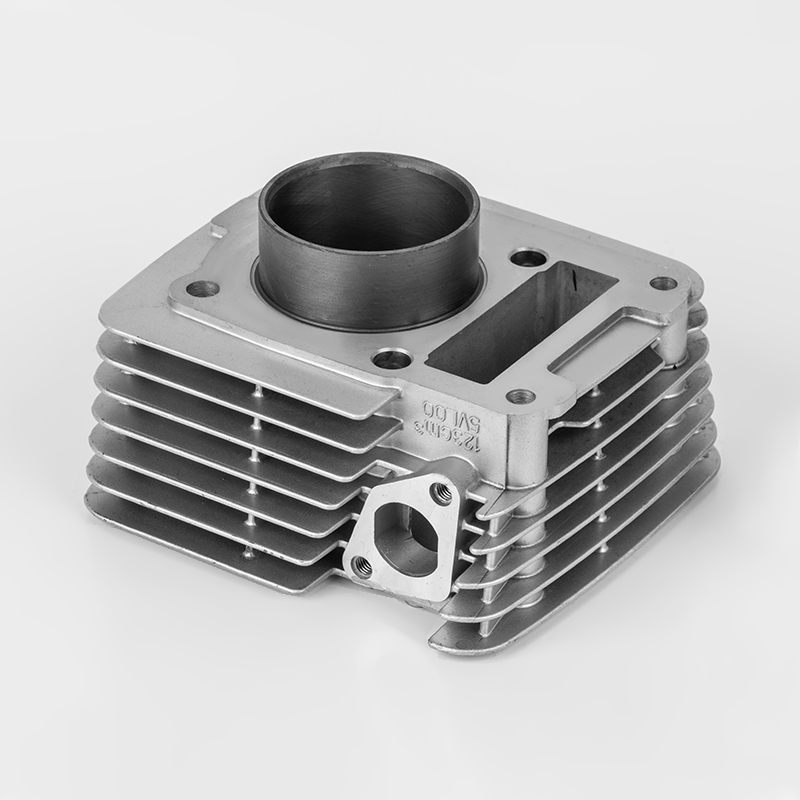 Yamaha YBR125 Aluminum Cylinder with Standard and Performance Bore OptionsAvailable in Φ54mm standard or Φ57mm performance bore, this lightweight aluminum cylinder supports high compression ratios and is ideal for both stock replacement and modified builds.View Product →
Maintenance Schedule and Service Considerations
A well-maintained MT-09 is a durable machine. The factory service intervals are designed to keep the engine at peak performance, and following them is far cheaper than repairing a neglected engine.
| Service item | Interval |
|---|---|
| Engine oil and oil filter | Every 10,000 km or 1 year |
| Valve clearance check | Every 26,000 km |
| Spark plug replacement | Every 10,000 km |
| Air filter cleaning | Every 20,000 km |
| Coolant replacement | Every 2 years |
| Drive chain lubrication | Every 500 km |
Valve clearance inspection is a detailed job that requires removing the cylinder head cover. If the engine is losing compression or showing high oil consumption, the cylinder bore and piston rings should be checked carefully. A worn cylinder can be the result of poor lubrication, abrasive dust, or simply many kilometres of hard riding. When a repair calls for cylinder replacement, understanding the correct removal procedure is essential to avoiding damage to the surrounding components.
For liquid-cooled engines like the MT-09, coolant quality and water jacket integrity are also critical. The same attention to cooling channels is found in Yamaha watercooled aluminum engine cylinders. A watercooled cylinder designed with proper coolant passages will maintain consistent temperature, reduce thermal distortion, and help the engine reach and hold the correct operating range.
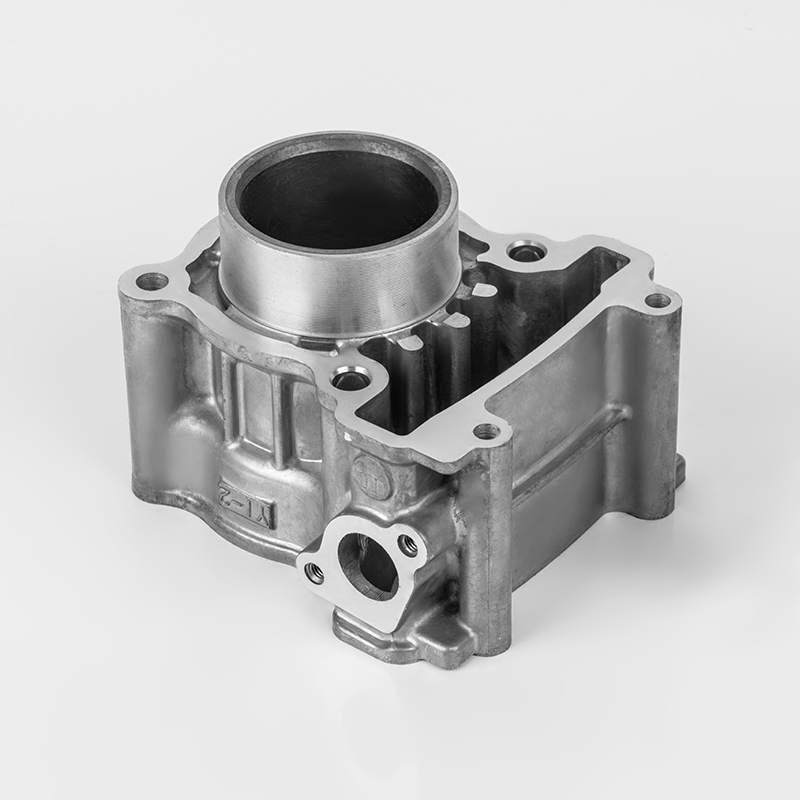 Yamaha LC135 Water-Cooled Aluminum Engine CylinderDesigned for LC135 and VIXION R115 models, this die-cast aluminum cylinder is available in Φ54mm or Φ57mm bores, offering optional ceramic coating for enhanced durability in water-cooled engines.View Product →
Frequently Asked Questions About the Yamaha MT-09
What is the exact engine displacement of the MT-09?
The exact displacement is 890 cm³. This figure was introduced when the CP3 engine was enlarged from the previous 847cc version to improve low-end torque and overall responsiveness.
What is the bore and stroke of the MT-09 engine?
The bore is 78.0 mm and the stroke is 62.1 mm. The nearly square bore-to-stroke ratio contributes to a broad power band and a high redline.
What compression ratio does the MT-09 use?
The compression ratio is 11.5:1. This high ratio requires premium unleaded fuel with an octane rating of 95 or higher for optimal performance.
Does the MT-09 have a slipper clutch?
Yes, the MT-09 comes with a wet multi-plate slipper clutch as standard. It helps reduce rear wheel chatter during aggressive downshifts and improves stability when entering corners.
How often should I check the valve clearance on an MT-09?
The recommended interval is every 26,000 km. If you hear abnormal ticking noises or notice performance loss, the valves should be inspected earlier.
What is the wet weight of the MT-09?
The wet weight is 193 kg for the standard model with a full fuel tank. The SP version is slightly heavier due to the higher-specification suspension components.