
 English
 Español
 عربى
عربى

Content
- 1 Engine Specifications
- 2 Transmission and Drivetrain
- 3 Chassis, Suspension, and Dimensions
- 4 Brakes and Stopping Power
- 5 Electronics and Rider Aids
- 6 Performance in Real-World Conditions
- 7 Engine Longevity and Cylinder Construction
- 8 Maintenance and Service Intervals
- 9 Buying a Used RS 660: What the Specs Tell You About Wear
- 10 Frequently Asked Questions
- 10.1 What is the exact bore and stroke of the Aprilia RS 660?
- 10.2 How much horsepower does the RS 660 actually produce?
- 10.3 What is the top speed of the Aprilia RS 660?
- 10.4 Does the RS 660 come with a quickshifter?
- 10.5 What oil should I use for the RS 660?
- 10.6 How heavy is the RS 660?
- 10.7 Is the RS 660 suitable for a beginner rider?
- 10.8 What is the fuel range of the RS 660?
- 10.9 What does the valve clearance interval mean for maintenance costs?
The Aprilia RS 660 is a 659 cc parallel-twin sportbike that delivers 100 hp at 10,500 rpm and 67 Nm of torque at 8,500 rpm, with a wet weight of 202 kg. The engine uses an 81 mm bore and a 63.93 mm stroke, and the bike runs a six-speed gearbox with a standard quickshifter, a six-axis IMU electronics package, and an aluminum dual-beam frame. If you are looking for the most complete set of RS 660 numbers for street riding, track days, or maintenance planning, this breakdown covers every critical specification in one place.
Engine Specifications
The engine is the defining feature of the RS 660. Aprilia derived it from the 1100 cc V4 used in the RSV4 and Tuono by removing the rear cylinder pair, creating a 270-degree parallel twin. The 270-degree firing order makes the engine feel like a V-twin while keeping the compact packaging of a middleweight parallel twin.
| Specification | Value |
|---|---|
| Displacement | 659 cc |
| Bore x Stroke | 81 mm x 63.93 mm |
| Compression Ratio | 13.5:1 |
| Max Power | 100 hp at 10,500 rpm |
| Max Torque | 67 Nm at 8,500 rpm |
| Valve Train | DOHC, 4 valves per cylinder, 8 valves total |
| Fuel System | Ride-by-wire, dual 48 mm throttle bodies |
| CO2 Emissions | 117 g/km (Euro 5 compliant) |
Torque is available from 4,000 rpm and swells toward the 8,500 rpm peak. The bike is happy to cruise at 5,000 rpm on the highway, and the power peaks shortly before the 11,500 rpm redline. This gives a character that feels strong everywhere without requiring heavy downshifting.
The piston speed at 10,500 rpm calculates to about 22.4 m/s. That figure is a practical boundary for production pistons, which means the cylinder walls, ring seal, and oil film quality matter more on this engine than on a typical commuter twin.
Transmission and Drivetrain
The gearbox is a six-speed unit with a cassette-style layout that makes gear ratio changes easier for race mechanics. Aprilia Quick Shift is standard, giving clutchless upshifts and downshifts with an auto-blip on the downchange.
- Clutch: wet multi-plate with slipper function, 8 friction plates.
- Final drive: chain, 525 pitch, 16-tooth front and 43-tooth rear sprockets.
- Quick shift: Aprilia Quick Shift (AQS), up and down shift function.
- Gearbox oil capacity: about 1.5 L, use a 75W-90 synthetic gear oil.
The slipper clutch has a strong anti-hop effect under hard downshifts, which relieves the rear tire and keeps the chassis stable when entering corners at speed. Track riders can feel the difference when dropping from 5th to 2nd before a tight hairpin.
Chassis, Suspension, and Dimensions
The frame is an aluminum dual-beam construction made from cast and extruded sections. Aprilia claims the frame mass is about 6.5 kg, which is light enough to make the bike feel agile in fast direction changes. The rear subframe is bolted on, so a crash that damages the tail section does not require a full frame replacement.
| Dimension | Measurement |
|---|---|
| Seat Height | 820 mm |
| Wheelbase | 1,370 mm |
| Dry Weight | 183 kg |
| Kerb Weight | 202 kg |
| Fuel Tank Capacity | 15 L |
| Rake / Trail | 24.5 deg / 102 mm |
| Front Wheel Travel | 120 mm (Kayaba 41 mm USD fork) |
| Rear Wheel Travel | 130 mm (Sachs monoshock) |
The 820 mm seat height works well for riders from 168 cm to 185 cm. A factory accessory lowering kit drops the seat by 15 mm, and an aftermarket foam shave can get the seat to about 795 mm for shorter riders. The handlebars are clip-ons mounted above the top triple clamp, making the riding position sporty but not fully committed like a track replica.
Brakes and Stopping Power
The front brake setup uses Brembo radial-mount four-piston calipers clamping two 320 mm floating discs. The rear brake uses a 220 mm disc with a two-piston caliper. Bosch 9.1 MP ABS is standard, offering cornering ABS across all riding modes.
- Stopping distance from 100 km/h: approximately 39 m in independent magazine tests.
- Front brake lever feel is progressive, with a firm bite in Sport and Race modes.
- The rear brake on the standard model is biased toward street use, so track riders often fit a braided line.
The cornering ABS is a genuine aid on uneven asphalt. It allows trail braking deep into the corner without the customary rear-end chatter associated with older ABS systems. Riders who spend time on track can leave the ABS on at level 2 and still feel fast on the brakes.
Electronics and Rider Aids
A six-axis IMU is the brain of the RS 660 electronics suite. It monitors pitch, roll, and yaw to adjust traction control, wheelie control, engine brake control, and cornering ABS in real time. The system is the same family used in the RSV4 1100, which gives the RS 660 serious credibility as a sports bike with genuine electronic sophistication.
- AEM (engine maps): five maps - Commute, Touring, Sport, Challenge, Race.
- ATC (traction control): eight adjustment levels.
- AWC (wheelie control): five levels, can be disabled entirely.
- AEB (engine brake control): three levels.
- Cruise control: standard, works from 30 km/h to 130 km/h.
The 5-inch TFT dashboard is bright and readable in direct sunlight. It supports the Aprilia MIA system for navigation, music, and lap timing through the smartphone app. Track mode shows a lean angle meter and lap times, which is useful for calibration for riders who do track days without buying a dedicated lap timer.
Performance in Real-World Conditions
Independent dyno runs have measured about 95 hp at the rear wheel in stock trim. That is roughly a 5 percent loss from the 100 hp crankshaft figure, which is normal for a chain-driven production motorcycle. Peak rear wheel torque is approximately 60 Nm.
Acceleration runs from a governed launch provide these numbers in magazine tests:
- 0-100 km/h in 3.4 to 3.7 seconds depending on tire and surface.
- 0-200 km/h in about 10.1 seconds.
- Quarter mile in roughly 11.4 seconds at 190 km/h.
- Top speed on the road: 220-230 km/h, though the official figure suggests 240 km/h on a closed course.
The power-to-weight ratio is 0.50 hp per kg, which places the RS 660 at the sharp end of the middleweight class. Fuel consumption in mixed riding usually falls between 5.0 and 5.5 L/100 km, giving a range of around 270 to 300 km from the 15 L tank. On a steady highway cruise at 110 km/h, the computer shows about 4.5 L/100 km.
Engine Longevity and Cylinder Construction
The 81 mm bore is large for a 659 cc twin, and the 13.5:1 compression ratio produces significant heat inside the cylinder. The cylinder block itself is an aluminum alloy casting with a pressed-in iron liner or a coated bore, depending on the engine generation and market version. High heat plus high piston speed places a real burden on the cylinder surface, piston rings, and oil film.
When an RS 660 cylinder begins to wear, the first symptom is usually a slight increase in oil consumption, followed by a white smoke puff on hard acceleration after a long idle. The compression test will still show decent numbers for a long time, but a leak-down test will reveal ring blow-by. In those situations, the cylinder block needs to be re-honed, and if the bore is out of spec by more than 0.02 mm, the block should be replaced instead of enlarged.
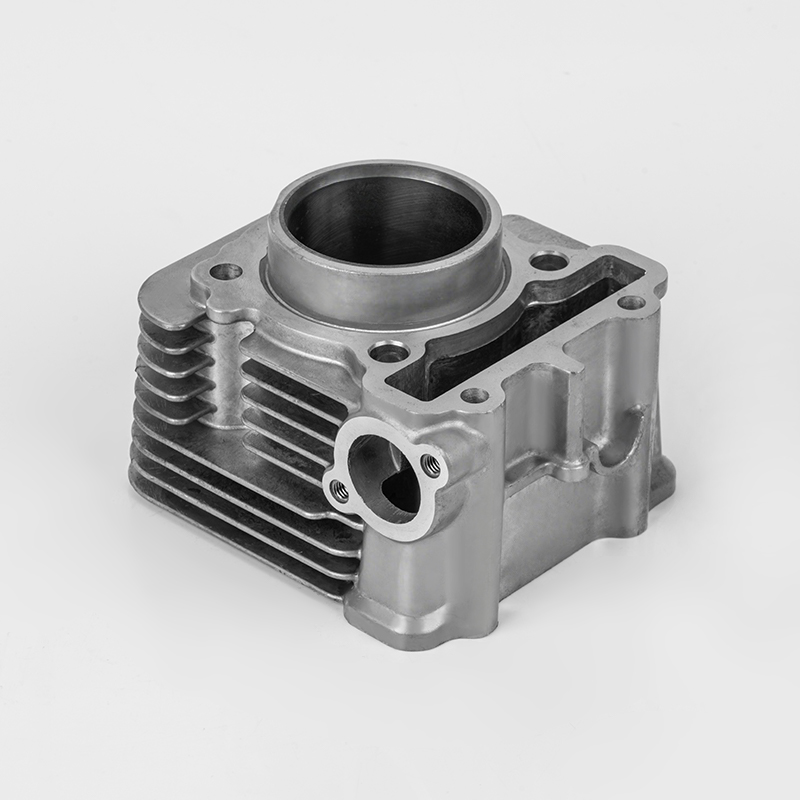
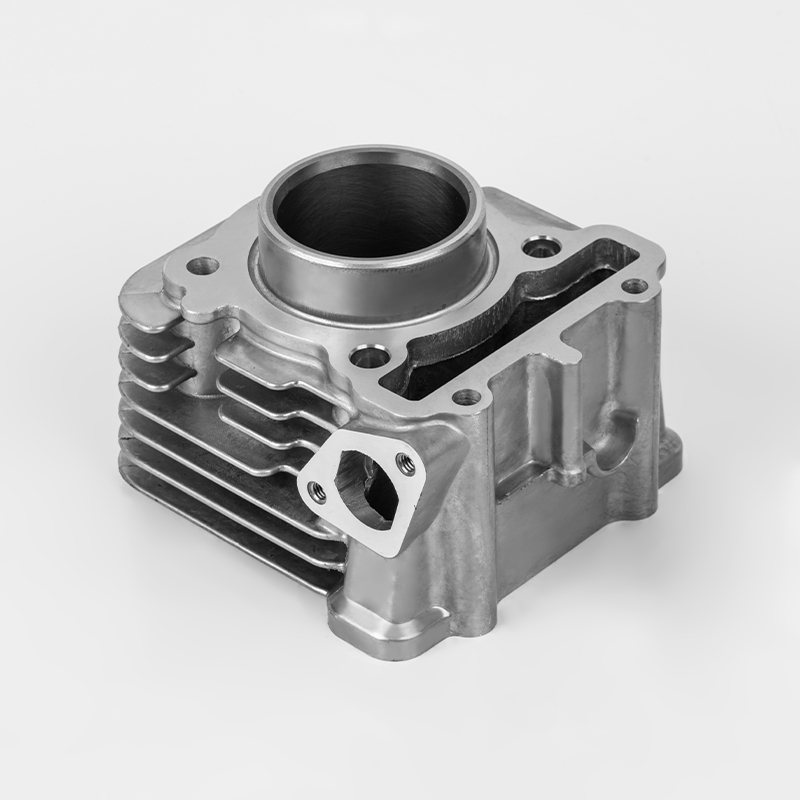
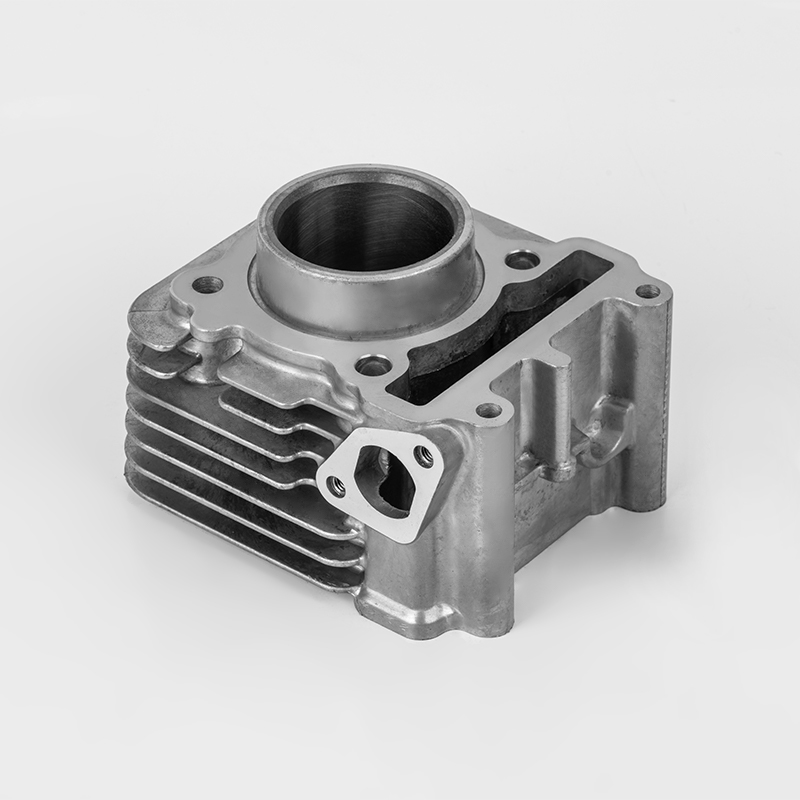
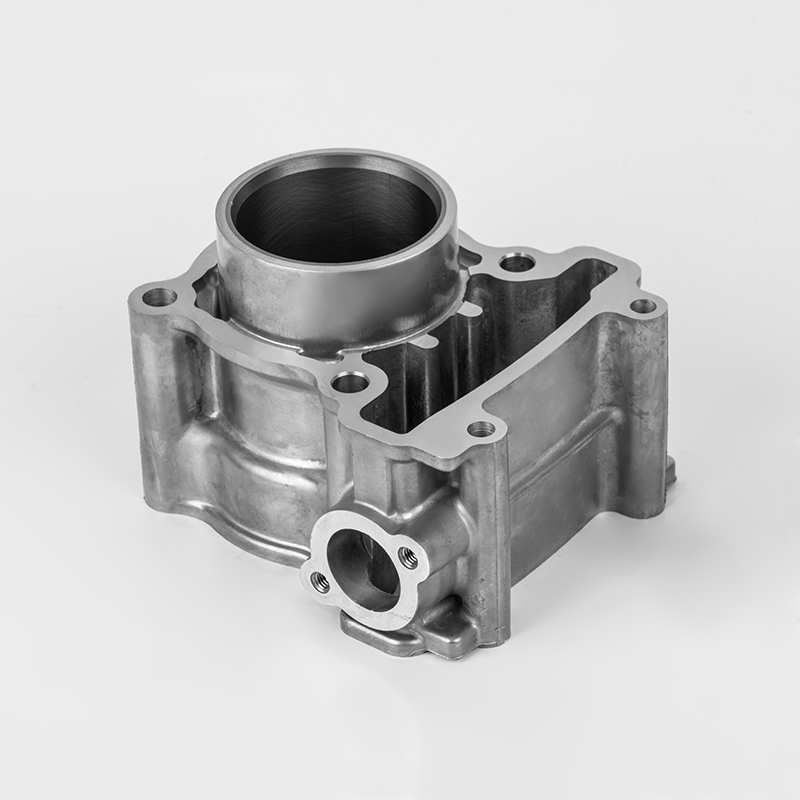
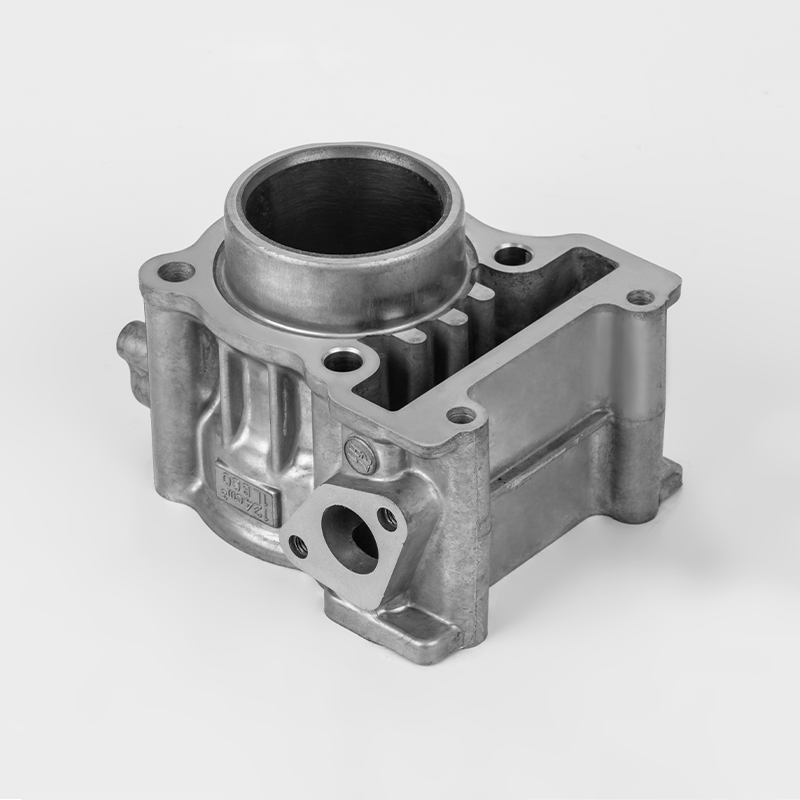
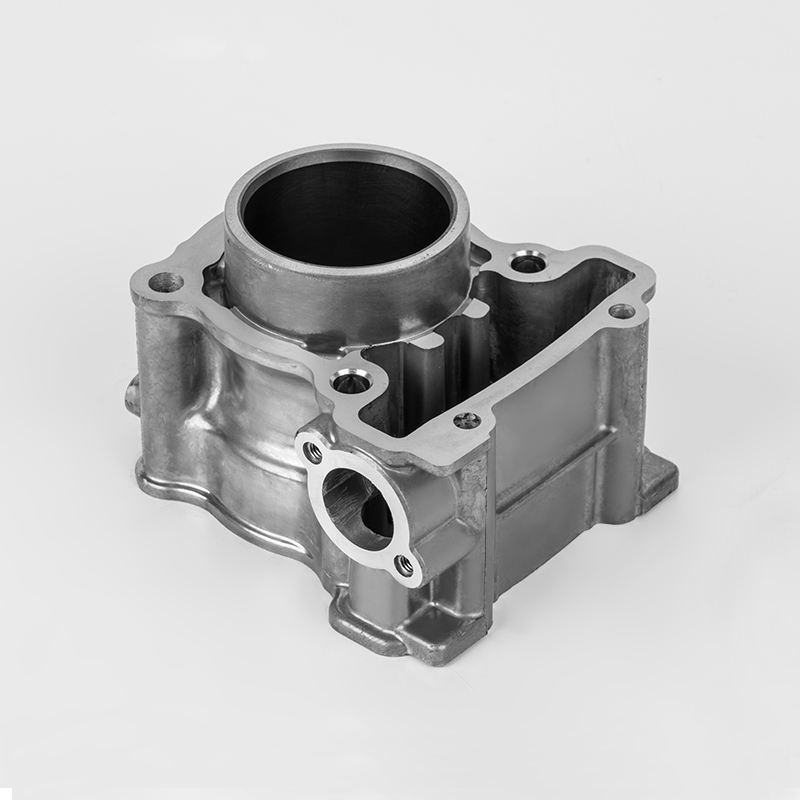
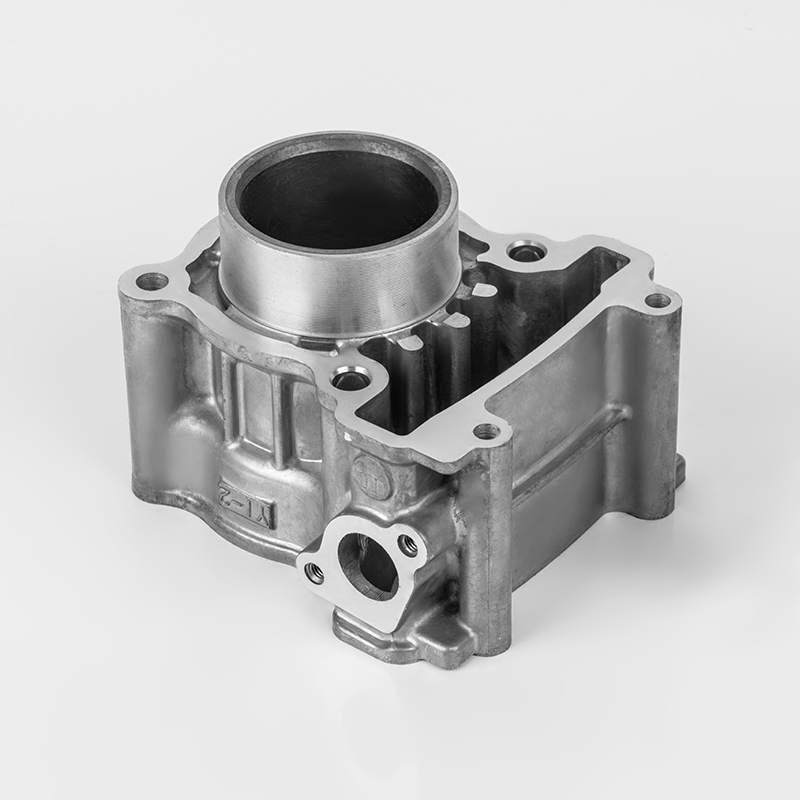
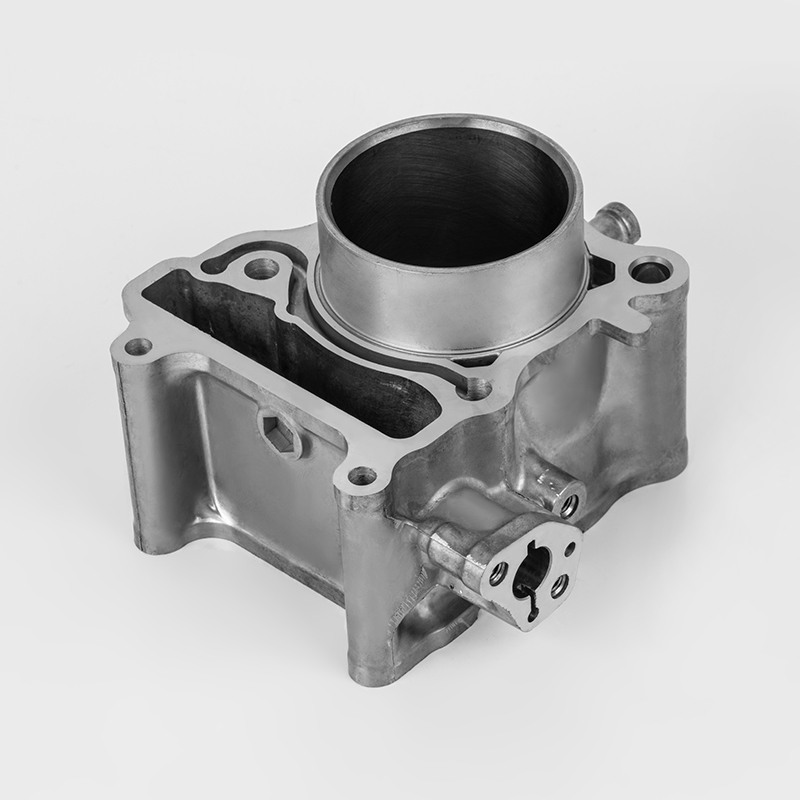 Aluminum Motorcycle Cylinder Series for High-Performance EnginesExplore precision-machined aluminum cylinders designed for high-revving engines, with correct bore tolerance and wear-resistant surfaces. Learn how material choices and manufacturing processes affect reliability and performance.View Product →
Precision-machined cylinders are the core focus of our own production at Tianshan Cylinder Block, where we supply aluminum motorcycle cylinders for high-revving engines. The same principles that keep a 660 cc twin healthy, namely correct bore tolerance, the right crosshatch angle, and a hard-wearing cylinder surface, are what you should look for in any replacement cylinder, regardless of engine size. If you want a broader view of how different cylinder materials and manufacturing approaches behave, you can read this overview of aluminum motorcycle cylinder series.
Maintenance and Service Intervals
The RS 660 is not a high-maintenance bike, but it is not a bare-bones commuter either. The official schedule puts the valve clearance inspection at 40,000 km, yet many owners who ride on track bring it forward to 20,000 km to avoid unexpected valve train wear.
| Maintenance Item | Interval / Specification |
|---|---|
| Engine Oil | Every 10,000 km; 10W-50 fully synthetic, 4.5 L with filter |
| Oil Filter | Every oil change, cartridge type |
| Valve Clearance | Inspect every 40,000 km |
| Spark Plugs | Every 30,000 km; iridium long-life plugs |
| Air Filter | Every 15,000 km |
| Coolant | Every 40,000 km or 4 years; ethylene glycol 50/50 |
| Drive Chain | Clean and lubricate every 1,000 km; inspect chain tension every 12,000 km |
The oil must be JASO MA2-rated fully synthetic, because the clutch plates share the same oil bath. A non-MA2 oil can cause clutch slip, especially under hard acceleration. The bike takes 4.5 L of oil including the filter, so keep a 5 L container on hand for quick top-ups.
Buying a Used RS 660: What the Specs Tell You About Wear
The specs are useful when assessing a used RS 660. A standard production model with 30,000 km on the odometer should still meet the factory power and compression figures if it has been maintained correctly. If the compression test shows below 150 psi on either cylinder, the rings or cylinder bore are likely worn.
- Check the valve clearance record. Late adjustments are a good sign of a conscientious owner.
- Listen for piston slap on a cold start. It usually goes away after warm-up, but persistent slap points to a worn cylinder.
- Look around the cylinder base gasket for oil seepage. It is a common sign of a loose head or a failed base gasket seal.
- Check the rear brake disc for uneven wear. The bike has strong engine braking from the 270-degree twin, and over-aggressive rear braking causes glazing.
A used RS 660 with low mileage is usually the safest buy, but a well serviced high-mileage bike can be just as reliable. The factory interval for valve clearance is generous, but any history of missed oil changes should scare you more than high miles.
Frequently Asked Questions
What is the exact bore and stroke of the Aprilia RS 660?
The bore is 81 mm and the stroke is 63.93 mm, which gives a displacement of 659 cc. This over-square layout contributes to the high revving character of the engine.
How much horsepower does the RS 660 actually produce?
The official crankshaft figure is 100 hp at 10,500 rpm. Independent dyno tests typically show about 95 hp at the rear wheel, which is a normal 5 percent drivetrain loss.
What is the top speed of the Aprilia RS 660?
The factory quote is around 240 km/h, but real-world top speed is normally between 220 and 230 km/h depending on wind and gearing.
Does the RS 660 come with a quickshifter?
Yes. Aprilia Quick Shift is standard on all RS 660 models, offering both upshifts and downshifts without clutch input.
What oil should I use for the RS 660?
Use a JASO MA2 rated fully synthetic oil in 10W-50 or 15W-50 viscosity. The total capacity is 4.5 liters including the oil filter.
How heavy is the RS 660?
Dry weight is 183 kg and kerb weight is 202 kg, meaning it sits in the same range as a typical 600 cc supersport but with more usable midrange torque.
Is the RS 660 suitable for a beginner rider?
The electronic aids make it forgiving, but 100 hp is a significant step from a 300-400 cc bike. It is better suited to riders with at least one season of street experience.
What is the fuel range of the RS 660?
With a 15 L tank and average consumption of 5.2 L/100 km, the practical range is around 280 km. Highway cruising can extend that to 330 km.
What does the valve clearance interval mean for maintenance costs?
The book interval is 40,000 km for a visual inspection. If a valve gap is outside the tolerance, shims need replacing, which is a labor-heavy job at a dealer. Track riders should check it earlier to avoid costly valve train repairs.