
 English
 Español
 عربى
عربى

Content
- 1 What Is the Break-In Period for Motorcycles?
- 2 How Long Does the Break-In Period Last?
- 3 The Science of Cylinder Break-In: Why Piston Rings Must Seat
- 4 Step-by-Step Break-In Procedure
- 5 What Not to Do During the Break-In Period
- 6 Break-In Oil and the First Oil Change
- 7 Traditional vs. Modern Break-In Methods
- 8 How Do You Know the Break-In Is Complete?
- 9 How Break-In Affects Cylinder Longevity
- 10 Practical Advice for Riders Who Rebuild Their Engine
- 11 Frequently Asked Questions
- 11.1 Q: How long should I break in a new motorcycle engine?
- 11.2 Q: What happens if you ride a new motorcycle full throttle?
- 11.3 Q: Should I change oil at 500 miles or 1,000 miles?
- 11.4 Q: Can I use fully synthetic oil during break-in?
- 11.5 Q: Is it okay to ride at highway speeds during the break-in?
- 11.6 Q: What is the best way to seat piston rings quickly?
- 11.7 Q: How do I know my break-in is complete?
- 11.8 Q: Will the break-in period affect the cylinder bore over the long term?
- 11.9 Q: Do modern engines still need a break-in period?
- 11.10 Q: Should I do a compression test after the break-in?
- 12 Conclusion
The break-in period for motorcycles is not an old mechanic's ritual - it is a measurable mechanical process that decides whether your new or rebuilt engine will reach its intended power output and lifespan. The direct answer to the most common question is: the break-in period lasts 500 to 1,000 miles (800 to 1,600 km), depending on the engine design, but the first 100 miles are where most of the critical piston ring seating actually takes place. Get the first few hours right, and the cylinder bore will wear in uniformly. Get them wrong, and you are looking at higher oil consumption, lower compression, and a cylinder that may need replacement long before its design life.
This guide is written with real manufacturing perspective. As a company that has made motorcycle cylinders, cylinder blocks, and engine components for decades - including aluminum alloy cylinders, cast iron cylinders, and water-cooled cylinder kits - we know exactly what happens inside the bore when riders follow the correct or incorrect break-in procedure.
What Is the Break-In Period for Motorcycles?
The break-in period is the first operating phase of a new engine, or of an engine after a major rebuild, during which the piston rings, cylinder wall, and bearing surfaces adjust to each other. The process is called "running-in" because the parts literally run against each other until they conform.
At the factory, the cylinder bore is honed to a precise crosshatch pattern. This pattern creates tiny grooves that can hold oil. The piston rings also have microscopic imperfections. In the first few hours, the highest points on both surfaces gradually wear off. The amount of metal removed is small - often measured in microns - but it has a huge impact on how well the engine seals combustion gases.
If the rings seat correctly, they make full contact with the cylinder wall. The engine maintains stable compression, uses little oil, and produces the designed power. If the rings do not seat, you get blow-by gases entering the crankcase, increased oil consumption, and a cylinder bore that may glaze over and stop holding oil. In short, the break-in period is not optional. It is the engine's one chance to form a stable, long-term surface relationship with its cylinder.
How Long Does the Break-In Period Last?
The answer varies by manufacturer, but there is a widely accepted norm. Most motorcycle manufacturers state a break-in distance of 500 miles (800 km). High-performance sport bikes may require up to 1,000 miles (1,600 km). Small-displacement commuter bikes often use a shorter schedule, such as 300 miles (500 km). However, the first 50 to 100 miles are the decisive window for cylinder ring seating.
Here is a practical breakdown you can use as a reference, whether your bike is a 125cc commuter or a 1000cc sport machine:
| Phase | Distance | What to do |
|---|---|---|
| First 10 miles | 0 to 16 km | Warm up 60-90 seconds, stay below 50% RPM |
| Critical phase | 16 to 160 km | Vary engine speed, avoid constant throttle |
| Mid phase | 160 to 800 km | Increase to 70-75% throttle, short bursts |
| Final phase | 800 to 1,600 km | Oil change, check valves, full range use |
Many experienced engine builders report that after roughly five full heat cycles - meaning the engine goes from cold to fully warm and back to cold five times - the ring seating process is 70% to 80% complete. This is why some modern engines do not require the traditional 1,000-mile break-in. But the conservative approach is still to follow the manufacturer's recommended schedule. The goal is not to finish the break-in quickly; the goal is to finish it correctly.
The Science of Cylinder Break-In: Why Piston Rings Must Seat
Let's look at what happens on a microscopic level. The cylinder bore surface has a crosshatch pattern with peaks and valleys. The piston ring - typically a set of three rings: compression ring, second ring, and oil control ring - springs outward against the wall. At the start, only the peaks of the crosshatch touch the ring. Because the contact area is small, the pressure at those peaks is enormous. This is intentional: it creates concentrated pressure that wears down the peaks and creates a smooth surface.
The key difference between aluminum alloy cylinders and cast iron cylinders also affects break-in. Aluminum cylinders often have a plated bore - either nickel-silicon carbide plating or a similar surface - that is extremely hard. The piston ring seats against this plating. Cast iron cylinders are softer by comparison, so they tend to wear in a little faster but may require a slightly different oil viscosity and break-in style. Our iron motorcycle cylinder series covers many popular commuter and water-cooled designs, and each has its own small tolerance guidelines.
What happens if the rider stays at constant speed? The rings only expand and contact the cylinder wall at a limited angle. The areas that do not see sufficient load stay rough. The areas that see too much load, because of full-throttle acceleration, can overheat and polish flat. This is "cylinder glazing." Once glazed, the bore loses the microstructure needed to hold oil, and the oil control ring cannot scrape oil back to the crankcase. The engine starts burning oil, and the compression drops. This is why the correct break-in method is load variation: accelerate gently, then decelerate with the throttle closed. Engine braking increases vacuum in the cylinder and helps pull oil into the ring grooves, while briefly moving the ring against the bore with greater force.
A common example in the motorcycle world is the Honda CG125 engine. The CG125 uses a die-cast aluminum cylinder that is found in millions of bikes worldwide. It responds very well to a planned break-in. If a rider treats it gently but varies the throttle, the rings seat cleanly within the first hundred miles. If a rider flogs it straight out of the dealership, the bore can glaze before the oil change, and the engine will burn oil for the rest of its life.
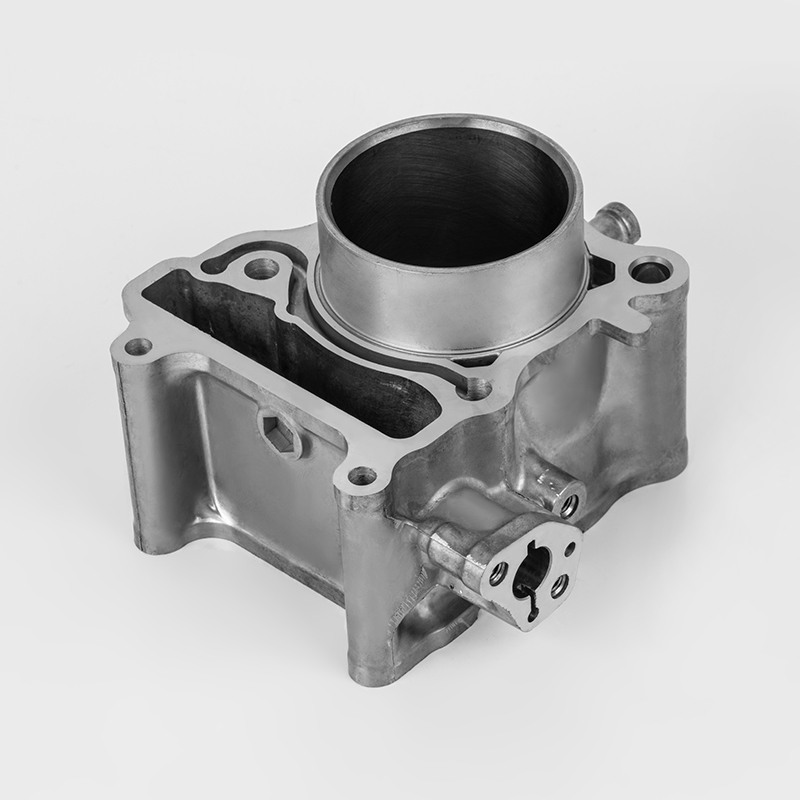
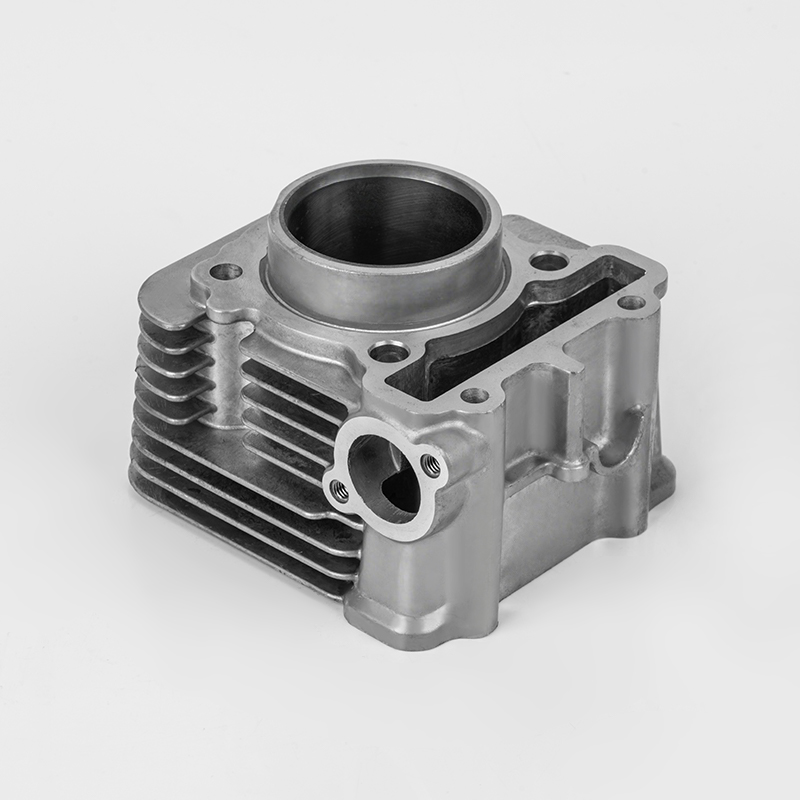
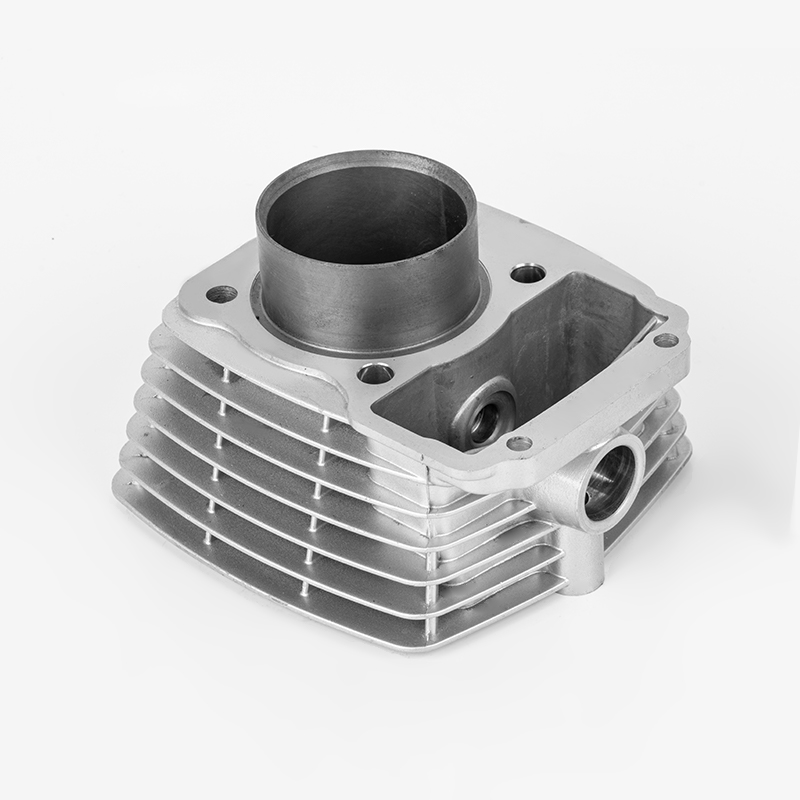 Honda CG125 Die-Cast Aluminum Cylinder Assembly for 125cc EnginesThis φ56.5mm cylinder assembly with a 49.5mm stroke is built for Honda's classic CG125 platform. Its design supports proper ring seating during break-in, helping avoid bore glazing and long-term oil consumption.View Product →
Step-by-Step Break-In Procedure
The exact procedure depends on whether the engine is a new factory engine or a freshly rebuilt one. The following steps are widely accepted by engine builders and apply to both air-cooled and liquid-cooled motorcycle engines.
First, make sure the engine has the correct oil - typically a mineral or semi-synthetic oil, because fully synthetic oil is too slippery during break-in and can slow the ring seating process. Follow this routine carefully:
- Warm up properly. Start the engine and idle for at least 60 seconds. Do not use heavy throttle. Let the oil reach every bearing surface before moving.
- Ride with varied throttle. Keep the engine between 2,000 and 5,000 RPM in the first 50 miles. Every five to ten minutes, change the speed. Do not maintain a constant speed on the highway for more than a few minutes.
- Use engine braking. From around 4,000 to 5,000 RPM, close the throttle and let the motorcycle slow down. This pulls the rings tighter against the cylinder wall and promotes proper seating.
- Build up gradually. After 100 miles, you can use up to 75% throttle for short bursts. Follow each burst with a closed-throttle coast. This controlled pressure continues the seating process without overheating the bore.
- Change the oil. The first oil change is the most important. The oil will contain metal particles from the break-in process. Most manuals recommend changing at 500 to 1,000 miles, but many performance engine builders recommend the first change at 100 to 200 miles to remove the largest concentration of particles.
- Check the engine. After the first 500 miles, check the valve clearances. Look for oil leaks around the cylinder base and the head gasket. Also inspect the spark plug color. It can tell you whether the engine ran lean, rich, or correctly during the break-in.
For owners of popular bikes with Honda CG125 engines, the same procedure applies. The CG125 aluminum cylinder is one of the most common engine blocks in the world, and it is a good example of a modern die-cast aluminum cylinder that benefits from proper break-in. The same applies to liquid-cooled scooters such as Yamaha LC135 engines, which use a water-cooled aluminum cylinder that requires the same careful load variation method.
What Not to Do During the Break-In Period
Avoiding the wrong habits is just as important as following the right ones. Here are the most common break-in mistakes and the reasons behind them:
- Do not use full throttle. Full throttle in the first 100 miles creates too much cylinder pressure before the rings have seated. It can cause glazing and premature bore wear.
- Do not hold a constant speed for long. Long highway runs at the same RPM prevent the rings from contacting the bore over the full circumference. If you must go on the highway, vary your speed and use engine braking.
- Do not let the engine idle for long periods. Extended idling prevents the rings from expanding properly and can cause carbon buildup. Idle only during the warm-up phase.
- Do not use fully synthetic oil immediately. Synthetic oil is more slippery and can interfere with ring seating. Use a mineral or semi-synthetic oil designed for break-in. Many manufacturers recommend switching to synthetic only after the break-in is complete.
- Do not add engine additives. Oil additives that claim to reduce friction or improve performance can also prevent proper wear during break-in. Keep the oil clean and simple.
- Do not lug it heavily. For motorcycles, avoid carrying heavy loads or riding uphill at low RPM. Lugging the engine puts excessive stress on the cylinder and bearing surfaces.
- Do not ignore the oil change. The break-in oil is intentionally different. It carries away metal particles. Ignoring the first oil change is a classic way to ruin an otherwise healthy engine.
Break-In Oil and the First Oil Change
Oil selection matters more during the break-in than at any other point. The base oil should be mineral or semi-synthetic. The additive package matters too. Break-in oils often contain high concentrations of zinc dialkyldithiophosphate, or ZDDP, which forms a protective layer on the cylinder walls. This layer helps prevent scuffing during the first few hundred miles.
When should you change the oil? Here is a guide based on engine condition and usage:
| Condition | Recommended interval |
|---|---|
| New engine from factory | 500 to 1,000 miles or as stated in the manual |
| Freshly rebuilt engine | 100 to 200 miles for the first change |
| Race or track engine | 50 to 100 miles, then again at 500 miles |
| Normal street use | 600 to 1,000 miles |
After the break-in phase, you should switch to a high-quality synthetic or semi-synthetic oil. The recommended viscosity is usually printed on the oil cap or in the manual. Keep in mind that for a cast iron cylinder bore, the viscosity grade can be chosen normally, but for an aluminum bore with plating, the manufacturer's recommended grade must be respected. This is one of the big things we see in our own product feedback: riders often use the wrong oil, and then they blame the cylinder. In practice, the cylinder is doing fine - the break-in method was the problem.
Traditional vs. Modern Break-In Methods
There are two main schools of thought on motorcycle break-in.
The first is the traditional "soft" break-in. This method says: ride gently for the entire break-in period, keep the RPM low, never go above 50% throttle, and be very careful. This approach works, but it often results in slower ring seating. The rings may not expand enough under load to fully conform to the bore, meaning the engine may not reach its maximum compression or power. In some cases, the bore glazes over if the load is too low.
The second is the modern "hard" engine break-in, popularized by engine builders on the dyno. The idea is: the rings need pressure to seat quickly, so you take the engine through rapid acceleration and engine braking cycles within the first few minutes after warm-up. This method does produce strong ring seating in a very short time. However, it should only be used when the engine has been properly warmed up, with the correct oil, and ideally on a dyno. If you try the hard break-in method on the street without proper management, you risk overheating and glazing.
The sensible approach for most riders combines the two: you need load and variation, not idling and not full-throttle abuse. Your engine should see a moderate load most of the time, with regular engine-braking cycles to pull oil into the ring grooves.
| Method | Effect on rings | Risk | Typical result |
|---|---|---|---|
| Traditional soft break-in | Slow seating | Glazing if too gentle | Safe, may lose peak power |
| Hard break-in | Very fast seating | Scuffing if too aggressive | Highest performance if done right |
| Mixed load variation | Balanced seating | Low risk | Best for most street engines |
How Do You Know the Break-In Is Complete?
There are several observable signs that the break-in period has ended successfully.
The first sign is oil consumption. After a proper break-in, oil consumption should settle to a low, stable level. If the engine still burns oil after 1,000 miles, the rings may not have seated properly. The second sign is compression. A compression test tells you the pressure in the cylinder. A healthy engine should show consistent compression numbers across all cylinders, usually near the manufacturer's specified value. A cylinder that reads low may have a ring sealing problem or a glazed bore. The third sign is the spark plug. After the first 500 miles, the spark plug should show a light tan color. If the plug is black with carbon, the engine might have run rich. If it is very light or white, the engine might have run lean. Both conditions are stressful to the cylinder. The fourth sign is the engine feel. A properly broken-in engine feels smooth, responds to throttle, and does not have a metallic ringing sound. If you hear a piston slap or rattling noise after the break-in, you may have a cylinder clearance issue.
A compression test, a leak-down test, and an oil analysis are professional ways to confirm that the break-in is complete. For most riders, completing the manufacturer's recommended mileage and observing stable oil consumption is enough. Irrespective of whether you ride a liquid-cooled scooter with a Yamaha LC135 engine or an older air-cooled single, the signs are the same. In our experience, liquid-cooled aluminum cylinders tend to run slightly hotter during break-in because the water jacket temperature is more uniform. They benefit even more from the load variation method.
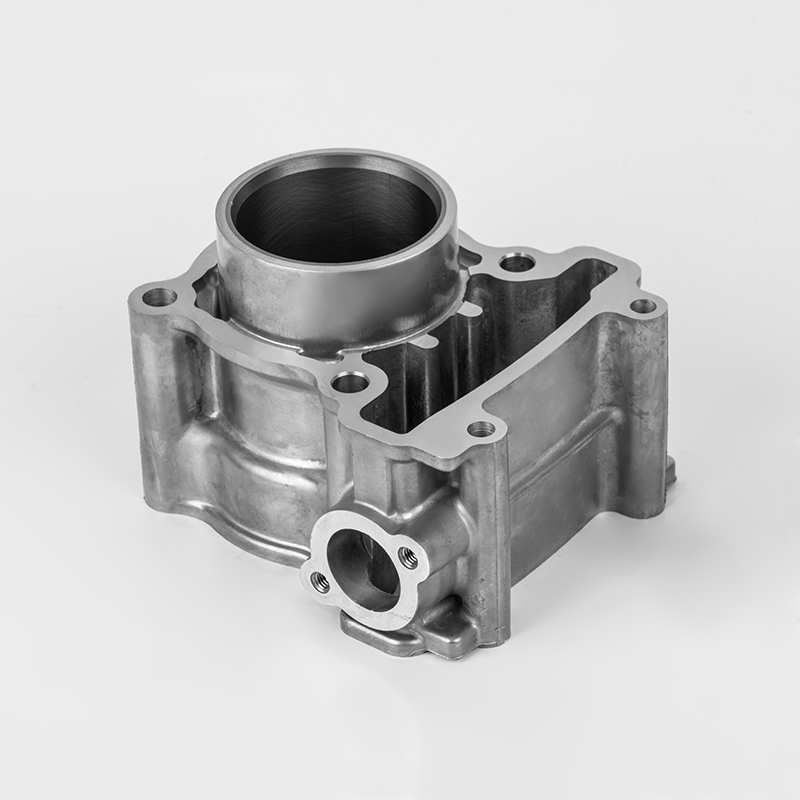
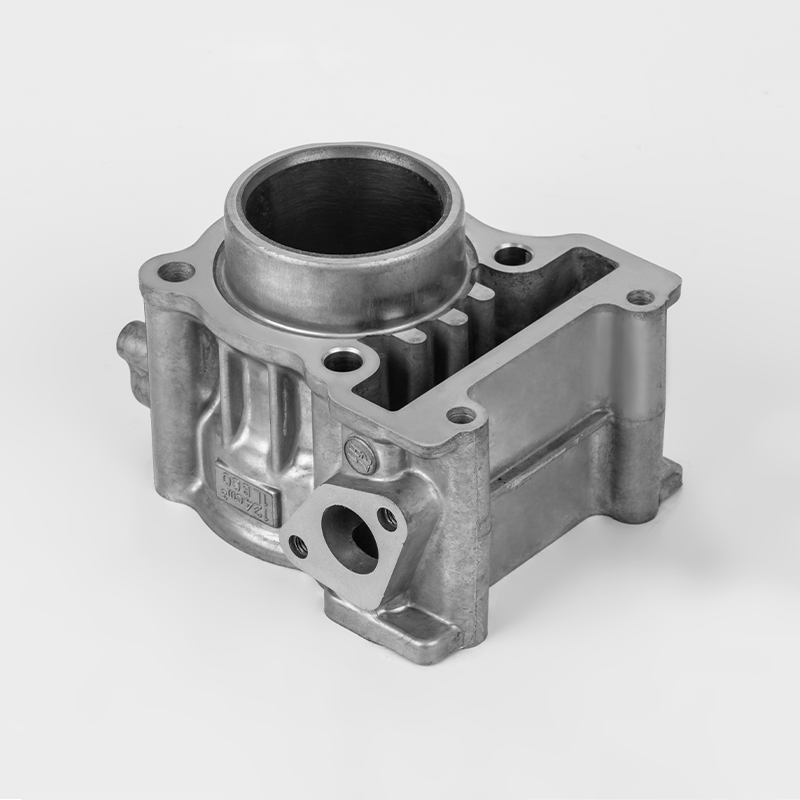
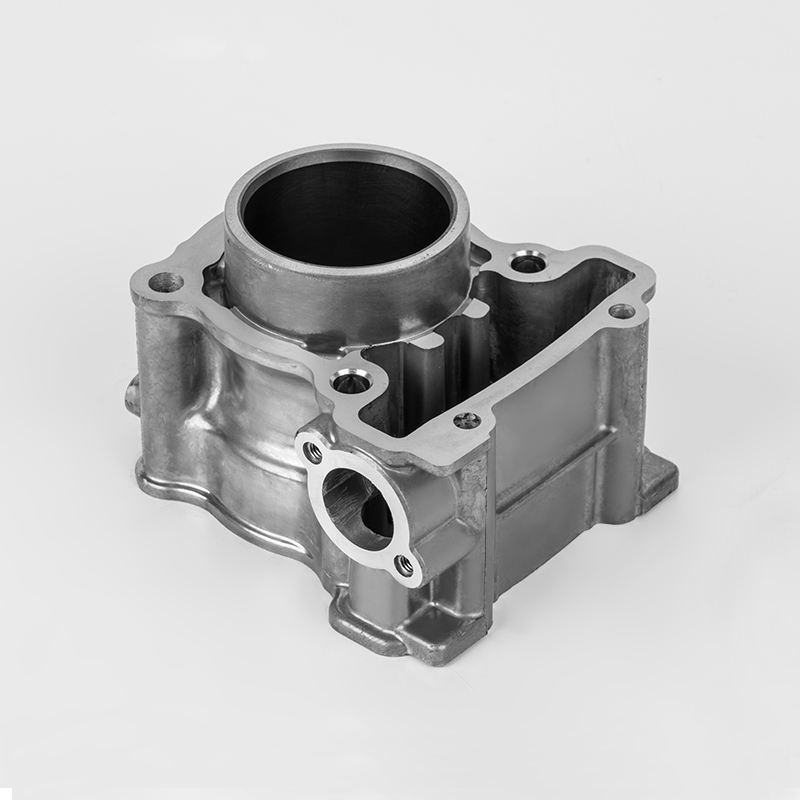
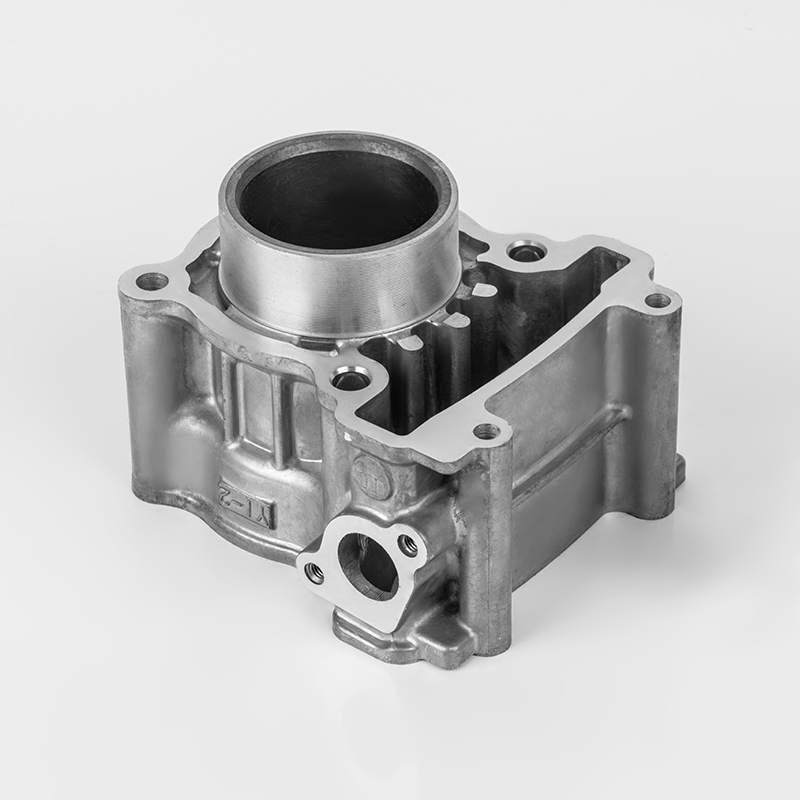 Yamaha LC135 Water-Cooled Aluminum Engine CylinderFor LC135 and similar models, this water-cooled cylinder is available in φ54mm or φ57mm bores. It suits both standard replacement and performance upgrades, with aluminum construction that benefits from careful break-in to maintain a good seal.View Product →
How Break-In Affects Cylinder Longevity
The cylinder bore is the heart of the engine. If the break-in is done correctly, the cylinder will wear slowly and evenly. A cylinder from a well-known manufacturer, such as a Honda CG125 aluminum cylinder or a cast iron cylinder for a water-cooled engine, has a design life of tens of thousands of miles. But if the break-in is done poorly, you can shorten the cylinder's life dramatically.
| Factor | Correct break-in | Incorrect break-in |
|---|---|---|
| Ring seal | Full and even | Partial or uneven |
| Oil consumption | Low | High |
| Compression | Stable | Decreasing |
| Bore condition | Smooth crosshatch | Glazed or scored |
| Power output | Full design power | Reduced |
| Service life | Long | Short |
What does this mean in numbers? Under proper break-in, a motorcycle cylinder can last 30,000 to 60,000 miles or more. In the worst case, a cylinder that is glazed or scored during break-in may need to be replaced after only a few thousand miles. The cost of a new cylinder is significant, and it is completely avoidable.
For riders who care about longevity, the choice of cylinder material matters. Aluminum alloy cylinders are lightweight and have good heat dissipation, which helps maintain stable temperatures during break-in. Cast iron cylinders, on the other hand, have extremely good wear resistance and are common in commuter and off-road motorcycles. Both types need the same care in the first 100 miles. For riders who ride water-cooled commuter motorcycles with cast iron cylinder kits, the same break-in logic applies. The water-cooled 169 series is an example of a cast iron water-cooled cylinder that benefits from a careful break-in.
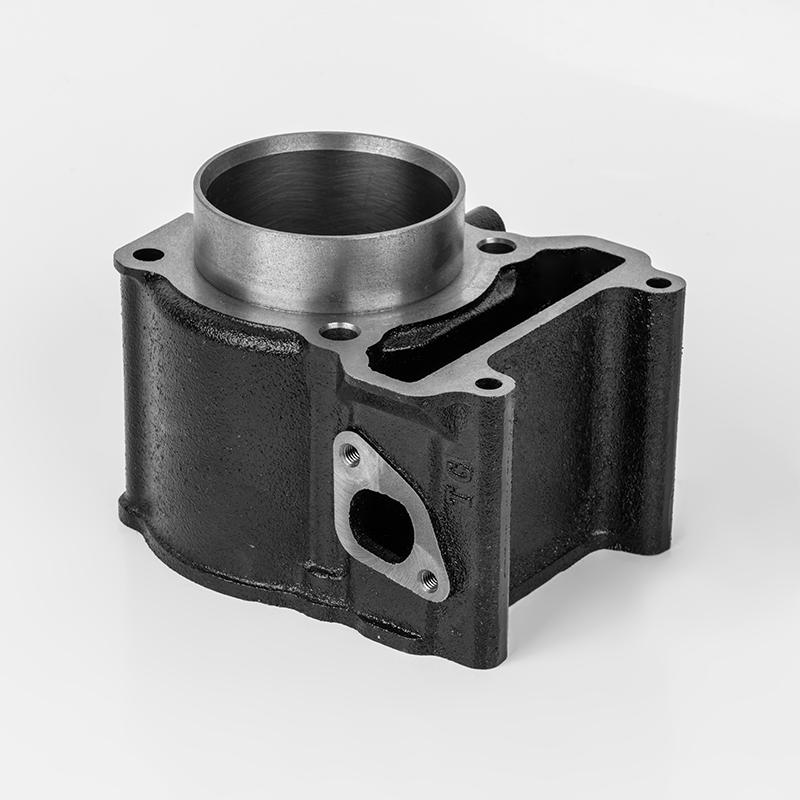 Water-Cooled 169 Cast Iron Cylinder KitThis φ69mm cast iron cylinder kit fits 169cc engines, balancing weight and durability. Its wear-resistant surface requires proper break-in to achieve a secure piston-to-cylinder fit and ensure long service life.View Product →
Practical Advice for Riders Who Rebuild Their Engine
If you have just installed a new cylinder kit, the break-in matters even more. A replacement cylinder, whether aluminum or cast iron, comes with a factory-honed surface that needs the same treatment. The tolerance between the piston and cylinder is defined by the manufacturer, and the break-in determines whether that fit becomes a good seal.
Here are five important practice points for rebuilds:
- Use the correct piston-to-cylinder clearance as specified by the manufacturer. A cylinder from a specialized manufacturer is machined to match specific pistons, so always check the marking.
- Install new piston rings. Never reuse old rings on a new bore, because the old ring face has already worn to match the old cylinder.
- Lubricate everything during assembly, and use assembly lube on the piston pin and the ring grooves.
- After the first startup, loosen and re-torque the cylinder base nuts and head bolts if the manual calls for it. This compensates for thermal expansion during the first run.
- Follow the manufacturer's break-in guide for the new cylinder. Even a high-quality cylinder from an established manufacturer still needs the first 100 miles of careful load variation.
For riders who want to know more about what to look for when buying a motorcycle cylinder, the introduction to motorcycle cylinder buyers knowledge can be helpful. It covers material selection, bore sizes, and common quality issues.
Frequently Asked Questions
Q: How long should I break in a new motorcycle engine?
A: The typical break-in period is 500 to 1,000 miles (800 to 1,600 km). The most critical portion is the first 50 to 100 miles (80 to 160 km), when the piston rings and cylinder crosshatch settle into their final fit.
Q: What happens if you ride a new motorcycle full throttle?
A: Full throttle during the break-in period can cause cylinder glazing, scoring, and premature ring wear. The concentrated heat can also damage the piston ring coating. In the worst case, the engine will burn oil and lose compression, and the cylinder may need replacement.
Q: Should I change oil at 500 miles or 1,000 miles?
A: Most manufacturers recommend the first oil change at the end of the break-in, usually 500 to 1,000 miles. For a rebuilt or high-performance engine, an earlier change at 100 to 200 miles is often a good idea to remove metal particles early.
Q: Can I use fully synthetic oil during break-in?
A: Fully synthetic oil is not recommended for the break-in phase because it is too slippery and may prevent the rings from seating. Use a mineral or semi-synthetic oil, then switch to synthetic after the break-in.
Q: Is it okay to ride at highway speeds during the break-in?
A: You can ride on the highway, but you should not hold a constant speed for long. Vary your speed, and use engine braking by closing the throttle periodically. This helps the rings seat across the full cylinder circumference.
Q: What is the best way to seat piston rings quickly?
A: The combination of moderate throttle acceleration followed by engine braking is the most effective method. Short bursts of load with throttle-off deceleration allow the rings to expand and then pull oil into the ring grooves.
Q: How do I know my break-in is complete?
A: Oil consumption should stabilize, compression should be consistent and within spec, and the spark plug should show a healthy light tan color. The engine should feel smooth and not burn oil.
Q: Will the break-in period affect the cylinder bore over the long term?
A: Yes. A correct break-in promotes a smooth, even wear pattern and preserves the crosshatch pattern. It extends the life of the cylinder and reduces oil consumption. A poor break-in can glaze the bore and lead to early cylinder replacement.
Q: Do modern engines still need a break-in period?
A: Modern manufacturing is more precise than it was thirty years ago, but the material science has not changed: piston rings still need to wear in against the cylinder. Even modern engines benefit from a short, carefully managed break-in.
Q: Should I do a compression test after the break-in?
A: Yes, it is a useful way to confirm that the rings have seated. Consistent readings across cylinders indicate a successful break-in.
Conclusion
The break-in period for motorcycles is not an overrated myth. It is a focused process that mechanically changes the cylinder bore, piston rings, and bearing surfaces. The direct answer is that you should treat the first 500 to 1,000 miles carefully, with extra emphasis on the first 50 to 100 miles. Use the load variation method, avoid full throttle, avoid constant cruising speed, and change the oil at the recommended interval.
A motorcycle cylinder is a smart investment. Whether you ride a small displacement commuter or a sport bike, the break-in period determines how long that cylinder stays healthy. The manufacturers of cylinder blocks pay close attention to the geometry of the bore because they know the break-in procedure will determine if the engine reaches its full potential. Ride smart, follow the schedule, and your engine will reward you with years of reliable performance.
To learn more about how different materials and cylinder designs behave, you can read our iron motorcycle cylinder series buyer guide. It includes detailed notes on iron cylinder characteristics, applications, and selection criteria for riders and workshops.