
 English
 Español
 عربى
عربى

What Is Torque on a Motorcycle — The Short Answer
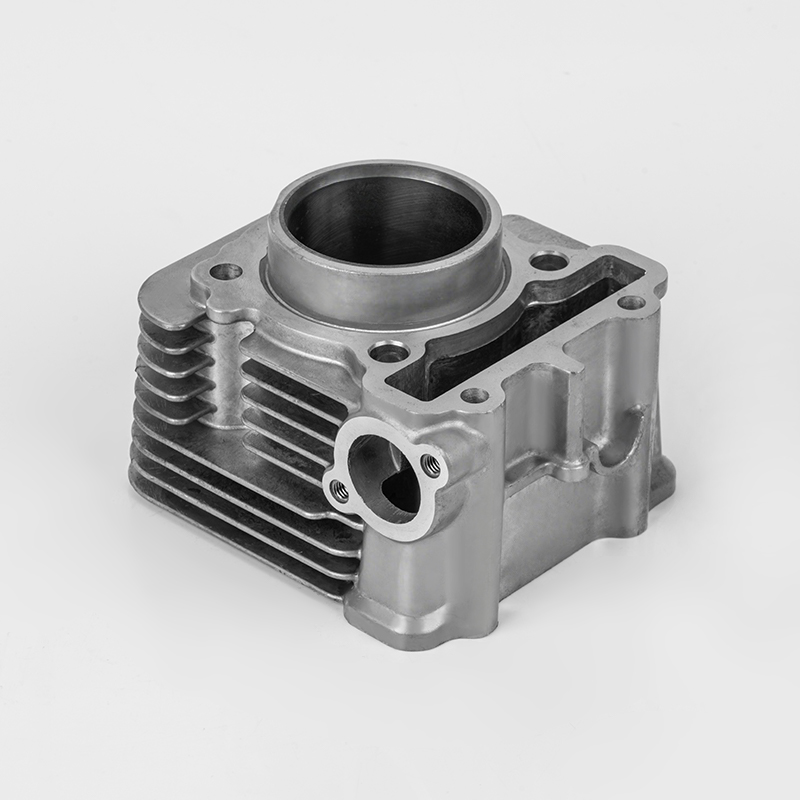
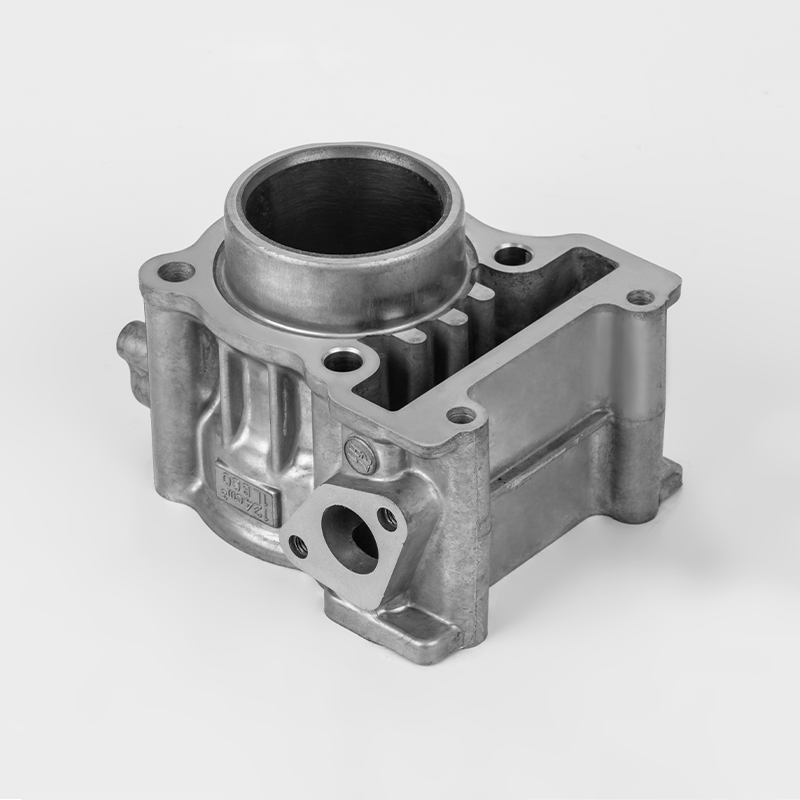
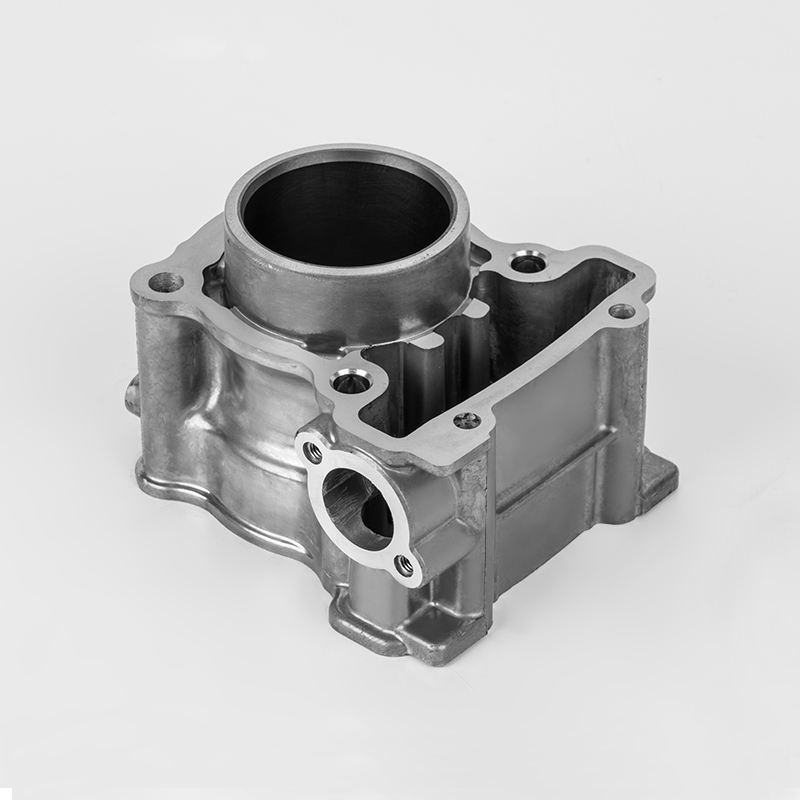
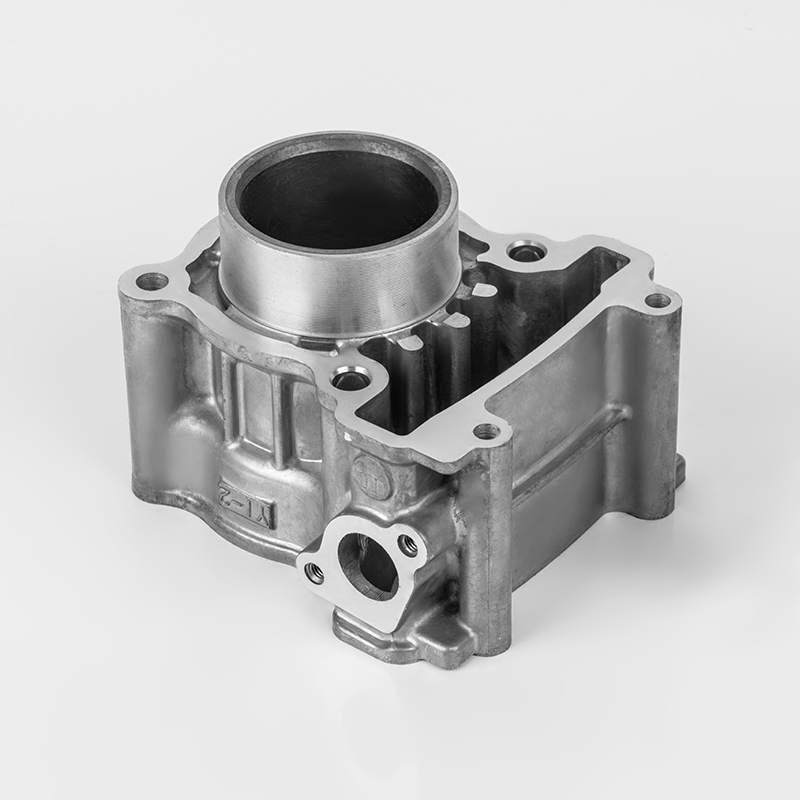
Torque on a motorcycle is the rotational force that the engine produces, measured in Newton-meters (Nm) or pound-feet (lb-ft). It is what pushes you back into the seat when you twist the throttle. Torque determines how quickly a motorcycle accelerates from a standstill or at low speeds, while horsepower determines top-end performance. A bike with 150 Nm of torque at 3,000 rpm will feel dramatically more responsive in city traffic than a bike with 80 Nm peaking at 10,000 rpm, even if the latter makes more peak horsepower. Understanding torque — and where it occurs in the rpm range — is fundamental to choosing the right motorcycle for your riding style and to maintaining or upgrading your motorcycle cylinder and engine assembly correctly.
The Physics Behind Torque and How It Is Generated
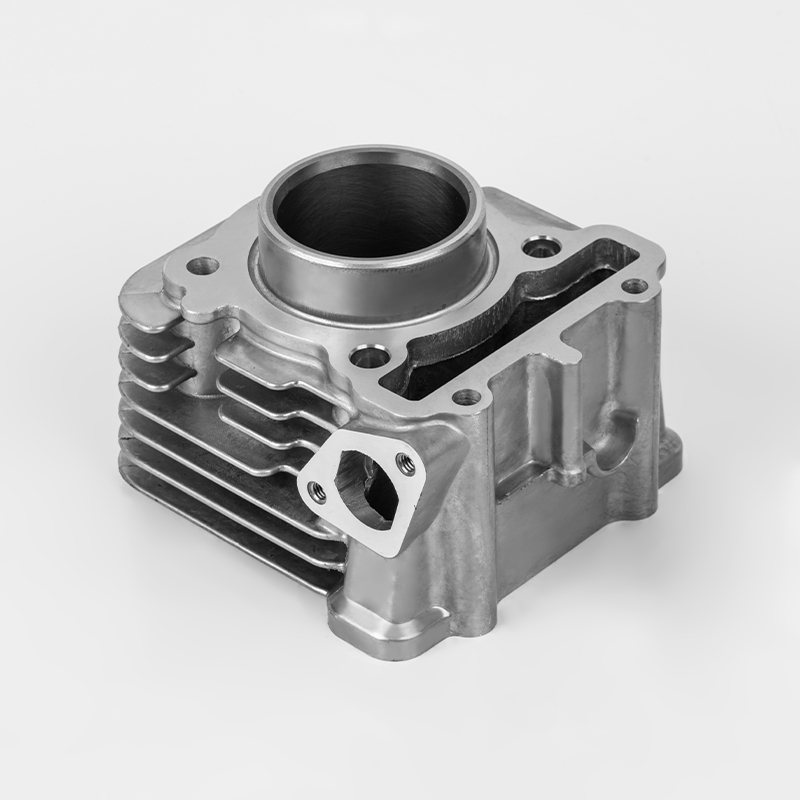
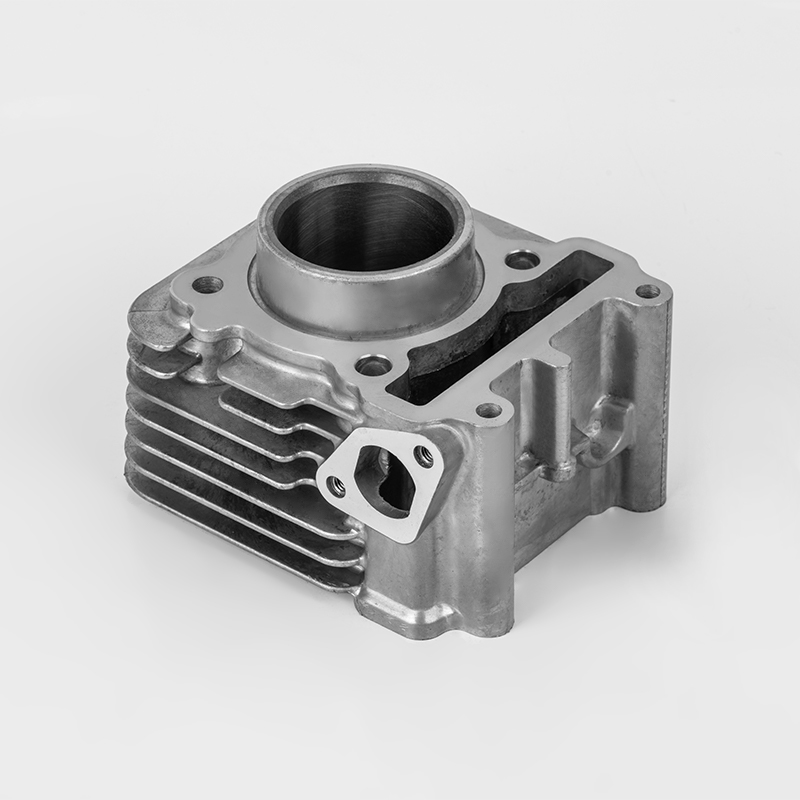
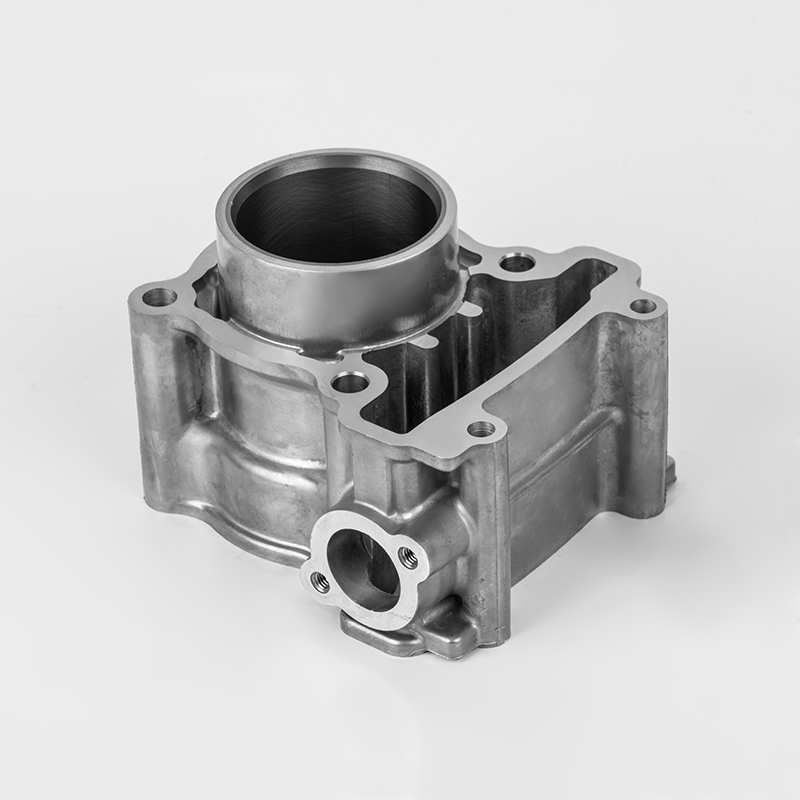
Torque is calculated using a straightforward formula: Torque (Nm) = Force (N) × Lever Arm Length (m). In a motorcycle engine, this translates to the combustion pressure pushing the piston down, multiplied by the effective crank radius of the crankshaft. Every component inside the motorcycle cylinder plays a role in how much torque the engine ultimately delivers.
Combustion Events in the Motorcycle Cylinder
Each time the air-fuel mixture ignites inside the motorcycle cylinder, a rapid pressure spike — sometimes exceeding 70 bar (1,015 psi) in a high-performance four-stroke — forces the piston downward. This linear motion is converted into rotational motion by the connecting rod and crankshaft. The longer the stroke (distance the piston travels), and the greater the bore (cylinder diameter), the more potential torque the engine can produce. This is why large-displacement V-twin motorcycles such as the Harley-Davidson Touring models (1,868 cc engine, 165 Nm of torque) deliver crushing low-rpm grunt, while a 600 cc inline-four sportbike producing 65 Nm needs to be revved past 8,000 rpm to feel alive.
Stroke Length and Its Direct Impact
A long-stroke engine — where the piston travels a greater distance per cycle — gives the combustion gases more time to act on the piston, increasing torque at lower rpm. The Kawasaki Z900 (948 cc, 98.7 Nm at 7,700 rpm) uses a 55.7 mm stroke, while the Ducati Panigale V4 (1,103 cc, 124 Nm at 11,500 rpm) uses a shorter 53.5 mm stroke to prioritize high-rpm power. Neither approach is wrong; they serve different purposes.
Torque vs. Horsepower: Why Riders Confuse Them
Horsepower is derived from torque. The formula is: Horsepower = (Torque × RPM) ÷ 5,252 (in imperial units). This means an engine making 100 lb-ft of torque at 5,252 rpm is producing exactly 100 horsepower at that point. Torque tells you the force available; horsepower tells you how fast that force is being delivered over time. In practical riding terms, torque is what you feel launching from a traffic light, while horsepower determines how fast the bike continues to pull on the highway at 120 mph.
| Motorcycle Type | Engine | Peak Torque | Peak HP | Torque RPM | Character |
|---|---|---|---|---|---|
| Cruiser | HD 117 V-Twin | 165 Nm | 93 hp | 3,250 rpm | Low-end grunt |
| Adventure | BMW R 1300 GS Boxer | 149 Nm | 145 hp | 6,500 rpm | Broad, versatile |
| Naked Sport | Kawasaki Z900 Inline-4 | 98.7 Nm | 125 hp | 7,700 rpm | Mid-range pull |
| Supersport | Ducati V4 Inline-4 | 124 Nm | 215 hp | 11,500 rpm | Top-end surge |
| 600cc Sport | Honda CBR600RR Inline-4 | 66 Nm | 118 hp | 10,000 rpm | Rev-happy, top-end |