
 English
 Español
 عربى
عربى

Content
- 1 Yamaha MT-09 Specs: What the Numbers Actually Tell You
- 2 Engine Specifications: The Heart of the MT-09
- 3 Chassis, Frame, and Geometry
- 4 Suspension Setup and Adjustability
- 5 Braking System: Hardware and Feel
- 6 Electronics Package: More Depth Than the Price Suggests
- 7 Weight, Dimensions, and Performance Data
- 8 The Three-Cylinder Engine vs Four-Cylinder Rivals: A Practical Comparison
- 9 MT-09 Variants and Model Year Differences Worth Knowing
- 10 Common Maintenance Intervals and Ownership Considerations
- 11 Tires and Wheel Specifications
- 12 Who the MT-09 Is and Isn't Suited For
Yamaha MT-09 Specs: What the Numbers Actually Tell You
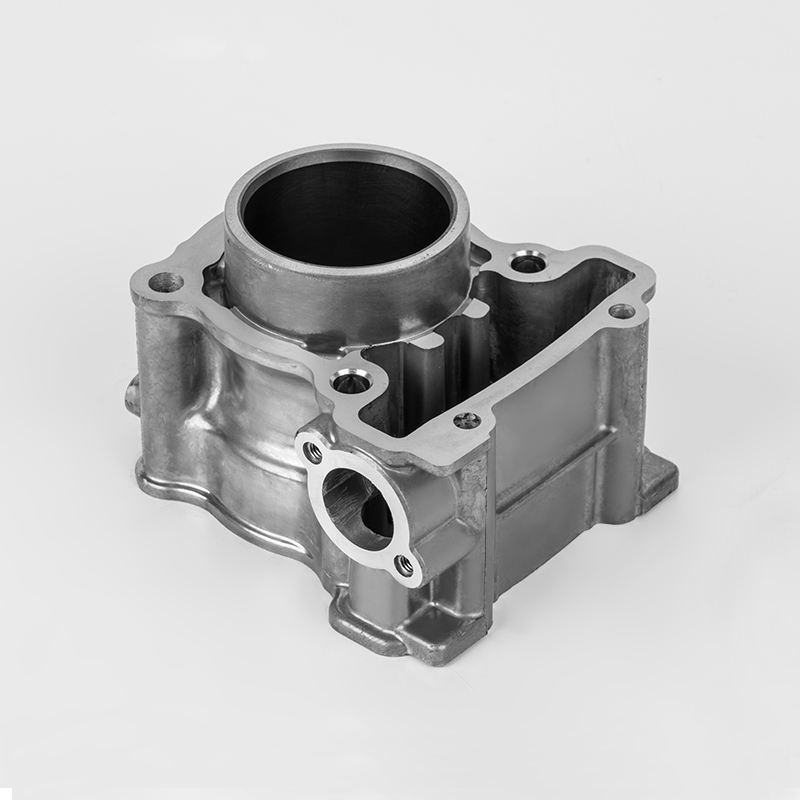
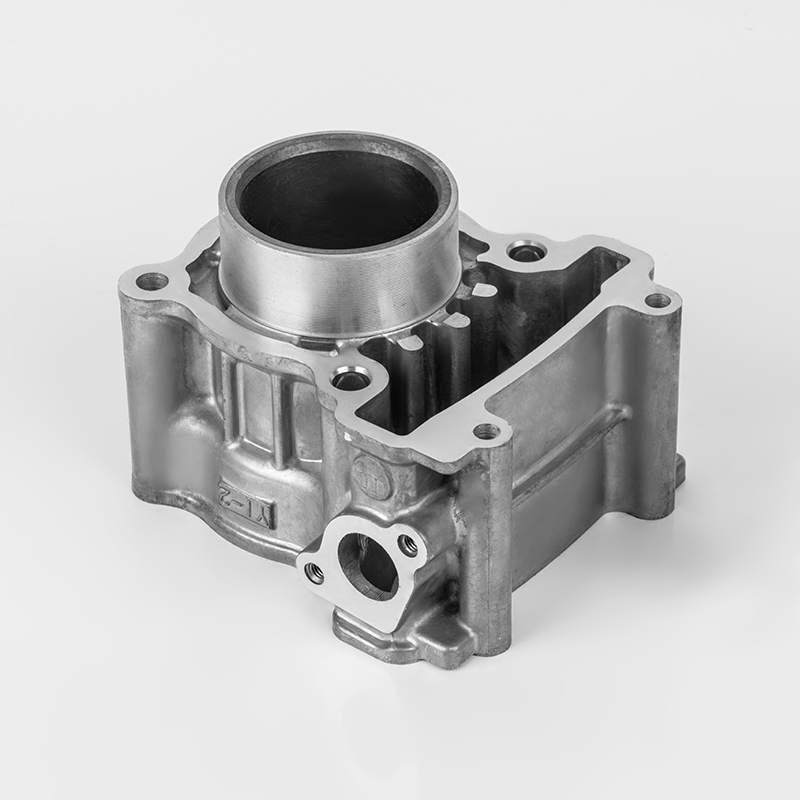
The Yamaha MT-09 is powered by an 890cc liquid-cooled inline three-cylinder engine producing around 119 horsepower at 10,000 rpm and 93 Nm of torque at 7,000 rpm in its current generation. That Yamaha Motorcycle Cylinder configuration — three cylinders in a compact inline layout — is the defining engineering choice that separates the MT-09 from four-cylinder rivals and twin-cylinder middleweights. It delivers a torque curve that feels wide and accessible rather than peaky, making the bike fast in real-world riding, not just on paper. If you came here wanting a quick verdict: the MT-09 offers class-leading power-to-weight ratio, strong mid-range pull, and a chassis that keeps up with the engine — it genuinely earns its reputation.
What follows breaks down every major specification category with context — not just the raw numbers, but what they mean for how the bike rides, where it excels, and where you need to be aware of trade-offs.
Engine Specifications: The Heart of the MT-09
The engine is where the MT-09 story begins and ends. Yamaha grew the displacement from 847cc (used in the 2013–2020 models) to 890cc starting with the 2021 redesign, achieved by increasing the bore from 78mm to 78mm and the stroke from 59.1mm to 62.1mm. That extra stroke length is what pushed peak torque up by roughly 4 Nm while keeping the rev ceiling accessible. The Yamaha Motorcycle Cylinder count of three gives the inline-triple its characteristic sound and power delivery: smoother than a twin, with more character than a four.
Core Engine Data (2021–2025 Generation)
| Specification | Detail |
|---|---|
| Engine Type | Liquid-cooled, 4-stroke, DOHC, inline 3-cylinder |
| Displacement | 890cc |
| Bore × Stroke | 78.0 mm × 62.1 mm |
| Compression Ratio | 11.5:1 |
| Max Power (EU) | 87.5 kW (119 hp) @ 10,000 rpm |
| Max Torque | 93 Nm (68.6 lb-ft) @ 7,000 rpm |
| Fuel System | Fuel injection, 41 mm throttle bodies |
| Valves per Cylinder | 4 (12 total) |
| Lubrication | Wet sump |
| Gearbox | 6-speed constant mesh with assist & slipper clutch |
The 11.5:1 compression ratio is relatively high for a street-oriented naked, which is one reason Yamaha specifies 95-octane fuel for optimal performance. Running lower octane regularly can cause the ECU to retard ignition timing, blunting throttle response — something dyno tests have confirmed results in roughly a 3–5% power reduction in real-world conditions.
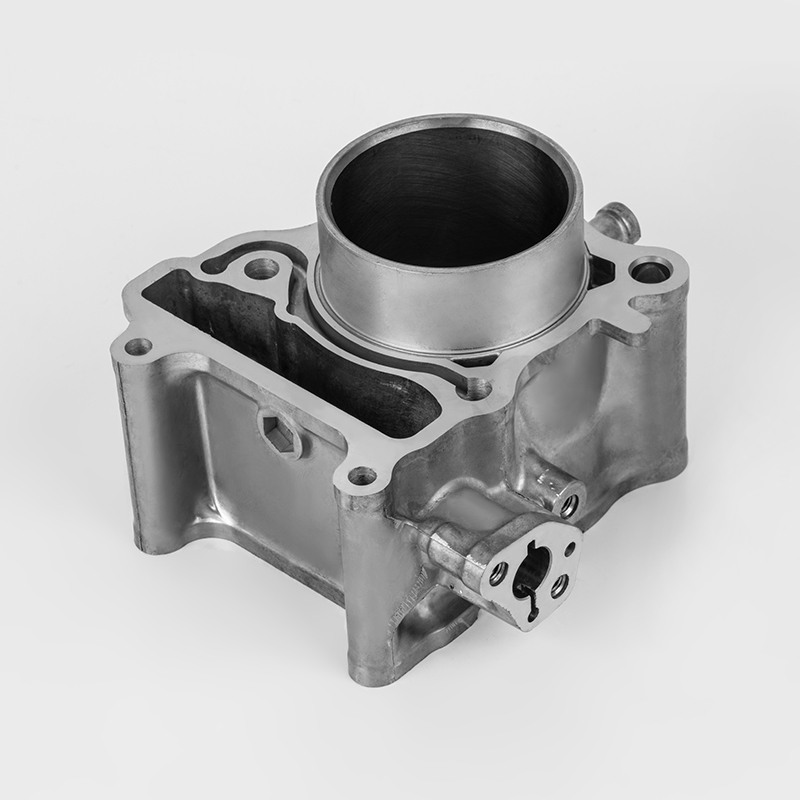
The inline-triple cylinder layout also means the crankshaft uses a 120-degree firing order between each Yamaha Motorcycle Cylinder, which produces that distinctive triple exhaust note and eliminates the flat spots you sometimes get with uneven-firing twins. Each cylinder fires evenly, so power delivery is smooth even at partial throttle openings — useful during slow-speed urban riding and corner exits alike.
Chassis, Frame, and Geometry
Yamaha redesigned the MT-09 frame completely for 2021, switching from the previous aluminum die-cast unit to a new spinforged aluminum frame. Spinforging allowed Yamaha engineers to vary wall thickness precisely along the frame rails, saving roughly 1.8 kg compared to the previous unit while increasing rigidity in targeted areas. The result is a chassis that transmits more feedback without feeling harsh — a balance that took years of development to reach.
Frame and Geometry Figures
- Frame type: Spinforged aluminum, twin-spar
- Rake angle: 25°
- Trail: 103 mm
- Wheelbase: 1,430 mm
- Seat height: 825 mm (standard)
- Ground clearance: 135 mm
- Fuel tank capacity: 14 liters
The 25-degree rake combined with 103 mm trail is relatively aggressive for a naked roadster — closer to a supermoto than a standard upright. It makes the MT-09 quick to change direction and eager to tip into corners, but it also means the bike demands active input from the rider. If you prefer a relaxed, self-steering feel, this geometry can feel slightly demanding in the first few hundred kilometers. Most riders adapt within a week of daily use.
The 825mm seat height is manageable for riders of average stature, but Yamaha also offers a low seat option at 810mm for shorter riders as an accessory fitment. With the full 14-liter tank, realistic range sits around 220–240 km before reserve kicks in, based on mixed riding — highway cruising significantly outpaces city stop-start use in fuel economy terms.
Suspension Setup and Adjustability
Both suspension ends received significant upgrades in the 2021 redesign. The front now runs a KYB 41 mm inverted fork (up from 41mm conventional on the previous generation) offering full adjustability: preload, rebound, and compression damping. At the rear, a KYB shock handles preload and rebound adjustment. This level of adjustability is standard equipment, not reserved for a higher trim — a notable advantage over some competitors in the same class.
- Front suspension: KYB inverted telescopic fork, 41 mm, fully adjustable
- Front travel: 137 mm
- Rear suspension: KYB link-type single shock
- Rear travel: 130 mm
Out of the box, the suspension is set up reasonably well for a rider weighing around 70–80 kg. Heavier riders or those planning track use will benefit from increasing rear preload by three or four clicks and stiffening compression damping slightly. The fork responds noticeably to rebound changes — tightening rebound even two clicks from stock reduces the front-end float that some riders report during fast direction changes.
Braking System: Hardware and Feel
Stopping power on the MT-09 comes from a dual front disc setup and a single rear disc, all managed by Bosch cornering ABS as standard equipment. The front radially mounted Brembo-specification four-piston calipers biting 298mm floating discs are genuinely high-quality components — the kind typically reserved for more expensive machinery.
| Component | Spec |
|---|---|
| Front brakes | Dual 298 mm floating discs, radial-mount 4-piston calipers |
| Rear brake | Single 245 mm disc, single-piston caliper |
| ABS | Bosch cornering ABS (IMU-based), switchable |
The cornering ABS uses the IMU to recognize lean angle and modulate braking force accordingly — a feature that makes a genuine difference in emergency braking mid-corner, not just a paper specification. ABS can be switched off for track use, though the standard Sport mode keeps it active and appropriately calibrated for road conditions.
Electronics Package: More Depth Than the Price Suggests
The 2021 and later MT-09 generation came with a substantially upgraded electronics suite driven by a six-axis IMU. This inertial measurement unit feeds data to cornering ABS, slide control, lift control, and a full traction control system — all working in real time based on lean angle, pitch, and yaw. The rider-selectable modes change the threshold and aggression of every one of these systems together.
Rider Mode Overview
- Mode 1 (Sport): Full 119 hp, sharpest throttle map, traction control set to minimal intervention
- Mode 2 (Street): Full power, slightly softer throttle response, moderate TC
- Mode 3 (Rain): Reduced power output, gentler mapping, maximum TC and ABS intervention
- Custom: Individual adjustment of power, TC level, ABS level, slide control, and lift control
The quickshifter (both up and down) comes as standard on most market variants — a meaningful addition compared to the previous generation where it was optional. It operates cleanly above around 3,500 rpm and makes motorway overtakes notably more fluid. Below that rpm threshold, clean clutchless shifts become less consistent, which is expected physics rather than a system flaw.
The TFT instrument cluster introduced in 2021 is a 5-inch color screen connected to the Garmin-based Yamaha MyRide app for navigation display, gear position indicator, and lap timer. Connectivity works via Bluetooth and is reasonably stable in real-world use, though some users report the screen can wash out in direct bright sunlight — an acknowledged weak point across most TFT displays in this segment.
Weight, Dimensions, and Performance Data
Weight is one area where the MT-09 consistently outperforms rivals. At 193 kg wet (fully fueled, ready to ride), it undercuts most directly comparable naked bikes by 5–15 kg. Combined with 119 hp, that gives a power-to-weight ratio of approximately 617 hp per tonne — competitive with bikes from the open-class liter segment.
| Metric | Value |
|---|---|
| Wet weight | 193 kg |
| Overall length | 2,090 mm |
| Overall width | 815 mm |
| Overall height | 1,190 mm |
| 0–100 km/h (approx.) | ~3.1–3.3 seconds |
| Top speed (indicated) | ~230 km/h |
| Fuel consumption (mixed) | ~5.5–6.5 L/100 km |
The 0–100 km/h figure varies depending on launch control use, rider weight, and tire temperature. Independent timing tests from multiple outlets cluster between 3.1 and 3.4 seconds, which puts the MT-09 ahead of many 1000cc inline-fours in the first gear rush — primarily because the lighter weight and aggressive torque curve of the Yamaha Motorcycle Cylinder arrangement overwhelms the sheer power advantage of heavier bikes in the first two gears.
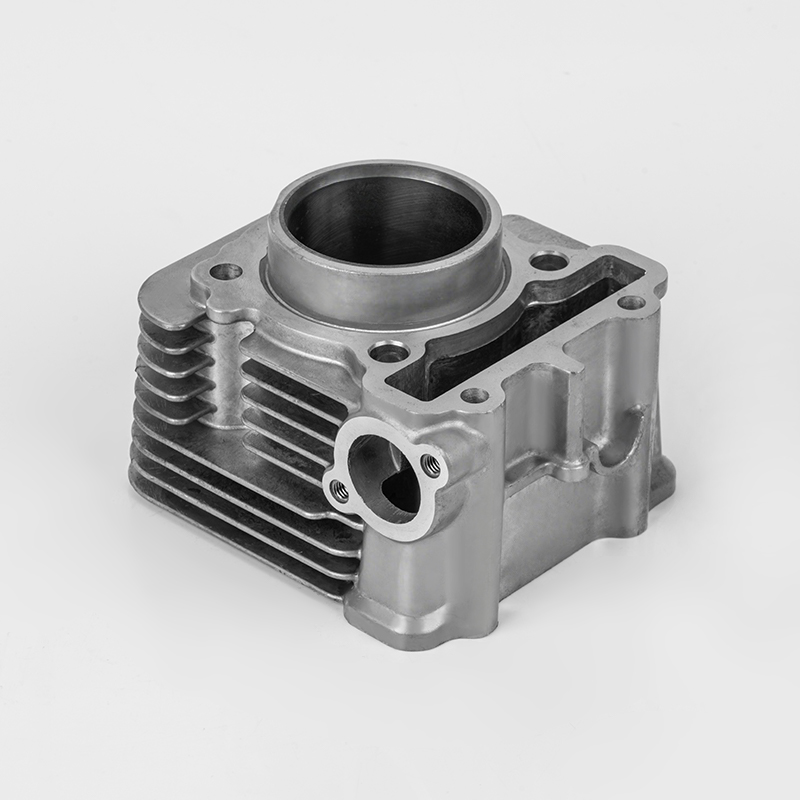
The Three-Cylinder Engine vs Four-Cylinder Rivals: A Practical Comparison
The inline-triple format that defines every Yamaha Motorcycle Cylinder in the MT-09 is worth examining against its alternatives because it shapes the bike's character more than any other single design decision.
A four-cylinder in the same displacement class — for example, the Honda CB1000R or Kawasaki Z900 — produces power that builds more linearly toward its redline but tends to feel flatter in the 4,000–7,000 rpm range where most street riding happens. The three-cylinder's 120-degree firing interval means each Yamaha Motorcycle Cylinder fires before the previous one has fully exhausted, creating a small degree of combustion overlap that contributes to that mid-range punch.
Compared to twins — KTM Duke 890, Aprilia Tuono 660 — the triple offers noticeably more top-end power while keeping a broad torque spread. The twin-cylinder format typically delivers stronger low-end grunt, which is useful for crawling traffic and adventure riding, but the MT-09 is competitive enough in that range that most riders wouldn't notice the gap in daily use.
Key Differences at a Glance
- vs Four-cylinder: More mid-range torque per cc, lighter, better sound character, less engine braking
- vs Twin-cylinder: Stronger top-end, smoother power delivery, more revvy, slightly heavier
- Vibration: Inline triples are inherently partially balanced — some vibration through handlebars at idle is normal and expected
- Exhaust note: The overlapping firing produces a unique burbling growl not replicated by other configurations
MT-09 Variants and Model Year Differences Worth Knowing
Not all MT-09s are identical. Knowing which generation you're looking at — especially in the used market — changes the specification picture significantly.
Generation 1: 2013–2020 (847cc)
The original MT-09 ran an 847cc three-cylinder producing approximately 113 hp. The frame was conventional aluminum die-casting, and electronics were simpler — basic traction control without cornering ABS, no IMU, and no TFT display. These bikes are lighter on paper (approximately 193 kg wet in early spec) but the electronics difference is meaningful for everyday riding.
Generation 2: 2021–present (890cc)
The redesigned generation brought the 890cc displacement increase, spinforged aluminum frame, IMU-based electronics, cornering ABS, improved quickshifter, TFT color display, and revised ergonomics. This generation is widely considered the more complete motorcycle. The 2023 update added minor calibration refinements to the traction control and a revised exhaust system but made no fundamental mechanical changes.
MT-09 SP
The SP variant uses an Öhlins electronic rear shock and Öhlins front fork cartridge — replacing the KYB units. The engine and electronics package is identical to the standard model. It adds approximately 15–20% to the purchase price depending on market, and the suspension upgrade is genuinely meaningful on track or for aggressive road use, but most riders on public roads won't extract the benefit over a well-set standard model.
Common Maintenance Intervals and Ownership Considerations
The MT-09 has a solid reliability record across both generations. Its service intervals are reasonable for the performance level, and parts availability is strong in most markets where Yamaha has a dealer network.
- Oil change: Every 6,000 km or 12 months, whichever comes first — Yamaha specifies 10W-40 or 10W-50 fully synthetic
- Valve clearance check: Every 26,400 km — less frequent than many rivals, and the Yamaha Motorcycle Cylinder head design makes access manageable
- Spark plugs: Inspect every 13,200 km, replace at 26,400 km
- Coolant: Replace every 36 months or 36,000 km
- Drive chain: Lubricate every 500–1,000 km depending on conditions; replace typically around 20,000–25,000 km
- Brake fluid: Replace every two years regardless of mileage
One recurring note from long-term owners: the stock exhaust heat shield can discolor relatively quickly under sustained high-rpm use, and the standard handlebars vibrate noticeably above 8,000 rpm for some riders. Bar-end weights or aftermarket grips address this at low cost. Neither is a mechanical concern — just comfort refinements common on a bike with this kind of power.
Tires and Wheel Specifications
The MT-09 runs on cast aluminum wheels with a 120/70 ZR17 front and a 180/55 ZR17 rear as standard fitment. These are conventional sportsbike sizes, which means the range of available replacement tire options is broad — including every major performance compound from Bridgestone, Michelin, Dunlop, and Pirelli.
Yamaha fits Bridgestone Battlax Hypersport S22 tires as original equipment on most markets from 2021 onward — a compound that performs well in both dry and wet conditions at a broad temperature range. Riders who push hard on track days typically swap to something softer like Michelin Power Cup Evo or Pirelli Diablo Supercorsa within a season, as the S22 starts showing wear more quickly under track-level use.
Who the MT-09 Is and Isn't Suited For
The specifications only tell half the story. Context about rider fit matters for making a buying decision.
The MT-09 suits riders who:
- Want strong acceleration and handling without committing to a full liter superbike
- Ride primarily on twisty roads, urban environments, or mixed commuting
- Value modern electronics that can be tuned rather than just switched on/off
- Prefer an upright naked posture with forward-set footpegs
- Occasionally take to a track day without needing a dedicated track bike
The MT-09 is probably not the best choice for riders who:
- Do long-distance touring regularly — the 14-liter tank and basic wind protection add up to fatigue on extended highway stretches
- Are returning to motorcycling after a long break — 119 hp on a 193 kg chassis demands respect and fast reactions
- Primarily ride gravel or unpaved surfaces — the suspension travel and ground clearance are aimed at asphalt
- Need passenger comfort as a priority — the rear seat is narrow and short for long pillion journeys