
 English
 Español
 عربى


Content
- 1 The Short Answer on the 2024 CFMoto 800NK
- 2 Engine and Cylinder Architecture Behind the 799 cc Twin
- 3 What Actually Changed for the 2024 Model Year
- 4 Riding Scenarios Where the 800NK Makes Sense
- 5 Cylinder Wear and Compression Loss: The Symptoms Owners Notice First
- 6 Maintenance Intervals and the Measurements That Matter
- 7 Buying a Used 2024 CFMoto 800NK in 2026
- 8 Cylinder and Piston Parts: Availability and Sourcing
- 9 Cost of Ownership by Category
- 10 Common Complaints and What They Point To
- 11 Frequently Asked Questions
- 11.1 Is the 2024 CFMoto 800NK a reliable motorcycle?
- 11.2 What are the bore and stroke figures for the 800NK?
- 11.3 Can the 800NK cylinder be rebored?
- 11.4 What compression should a healthy 800NK show?
- 11.5 How often do valve clearances need checking?
- 11.6 Does the 2024 model differ from the 2023 mechanically?
- 11.7 What should I check first on a used 800NK?
- 11.8 Are cylinder parts for the 800NK hard to find?
- 12 Bottom Line
On paper, the 2024 CFMoto 800NK is one of the easiest middleweight twins to recommend. It carries a 799 cc liquid-cooled parallel twin, roughly 100 horsepower in export specification, a wet weight around 186 kg, and a price that sat several thousand dollars below the established middleweight street bikes when it was new. What decides whether it stays a bargain two or three years later is not the colour TFT or the traction control settings. It is the top end of the engine: the condition of the aluminium cylinder bores, the piston rings, the piston-to-wall clearance and the valvetrain sitting above them.
That distinction matters more in 2026 than it did at launch. Plenty of 2024 examples now sit between 15,000 and 40,000 km, and the gap between a well-kept engine and a neglected one shows up in measurable places: compression figures, oil consumption, cold-start noise, and the amount of fine metal clinging to the drain plug magnet. Below is what the 800NK engine actually is, how its cylinder design changes service decisions, what to measure before buying a used one, and how to plan for the parts you might need later.
The Short Answer on the 2024 CFMoto 800NK
The 800NK is a genuine middleweight street bike built around a compact twin that was developed on the same architecture as a well-known European middleweight, and assembled in China. It is fast enough to embarrass riders on older litre bikes in tight corners, light enough to be friendly in city traffic, and simple enough that most routine service can be handled by an independent workshop. The catch is that the engine is a modern high-compression design, which means tolerance matters. A healthy 799 cc twin at 12.7:1 compression is unforgiving of dirt ingestion, low oil level and long overdue valve checks.
Three things decide the long-term outcome of almost every 800NK:
- Whether the air filter was serviced on schedule, because fine dust is what kills coated aluminium bores.
- Whether oil level and oil quality were maintained, since the same oil feeds the gearbox, clutch and cylinder head.
- Whether the bike was ridden cold-hard, which loads the piston skirt and bore before oil reaches the top end.
Get those three right and the 800NK is a dependable, inexpensive middleweight. Get them wrong and the bill lands, almost always, in the cylinder block and head rather than in the chassis.
Engine and Cylinder Architecture Behind the 799 cc Twin
The numbers below are the manufacturer-published figures for the 799 cc platform. Export-market versions are rated slightly higher than some domestic-market variants, and final specifications vary by country, so treat the table as a reference point rather than a universal truth.
| Item | Figure |
|---|---|
| Engine type | 799 cc liquid-cooled parallel twin, DOHC, 8 valves |
| Bore x stroke | 88.0 mm x 65.7 mm |
| Compression ratio | About 12.7:1 |
| Claimed peak power | About 74 kW (100 hp) at roughly 9,250 rpm |
| Claimed peak torque | About 78 Nm at roughly 8,000 rpm |
| Transmission | 6-speed with assist and slipper clutch |
| Wet weight | About 186 kg |
| Seat height | About 795 mm |
88.0 mm x 65.7 mm: A Very Oversquare Bore
A bore of 88 mm with a stroke of only 65.7 mm gives a bore-to-stroke ratio of about 1.34, which is aggressive for a road bike. Short-stroke designs rev quickly and allow large valves, but they also place the piston rings closer to the top of a wider, flatter combustion chamber. The practical consequence for owners is that small amounts of bore wear affect compression more than they would on a long-stroke single, and ring seal has less room for error. A leak-down test on this engine tells you more than a seat-of-the-pants impression ever will.
A Coated Aluminium Bore, Not a Pressed-In Iron Liner
The 799 cc twin uses a die-cast aluminium cylinder block with a hard-coated bore surface rather than a cast iron liner pressed into the casting. This is the same approach used across most modern high-performance twins, and it saves weight while improving heat transfer from the bore to the coolant jacket. It also changes what a workshop can and cannot do. A coated bore cannot simply be honed oversize the way a cast iron liner can, because honing past the coating exposes soft aluminium. When a coated bore is scored, distorted or worn beyond limits, the realistic options are:
- Replace the cylinder block with a new or good used unit.
- Have a specialist machining shop press in a cast iron or ductile liner, re-bore to standard and match a new piston and ring set.
- Send the block for a full re-coating service, which is possible but rarely economical on a road bike unless the rest of the machine is in exceptional condition.
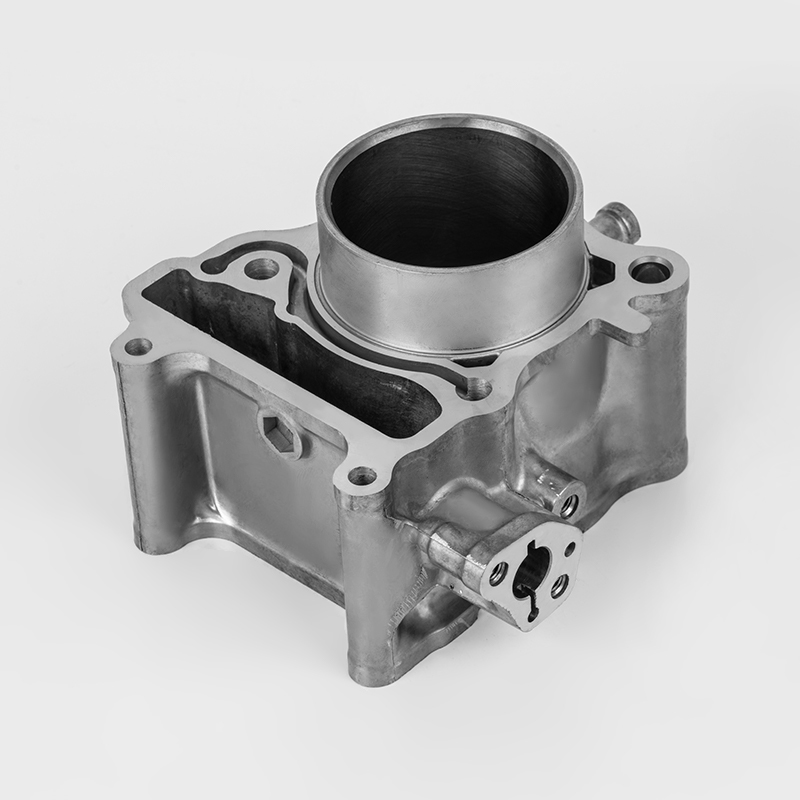
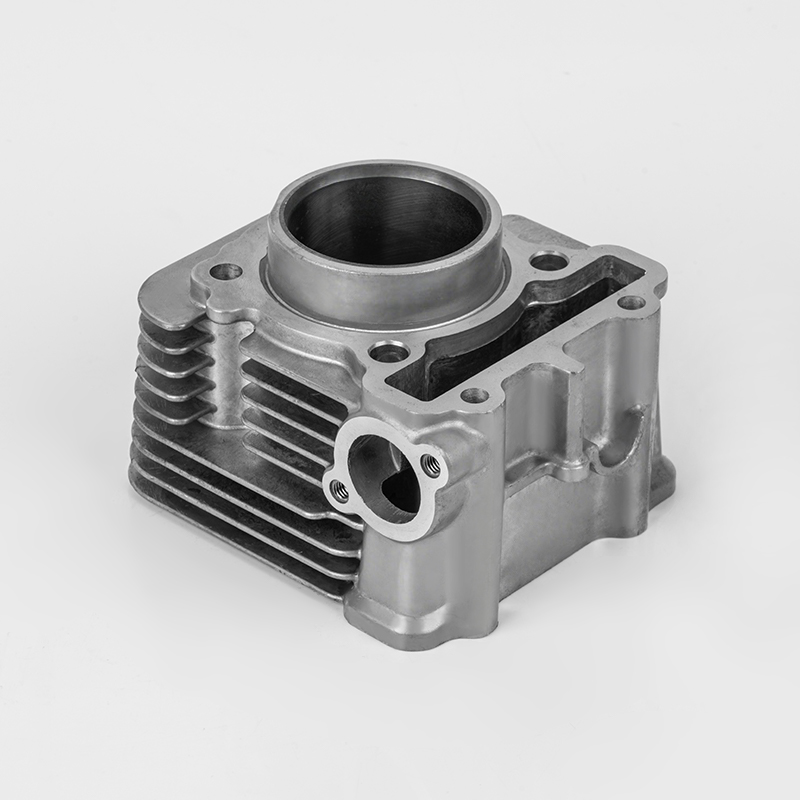
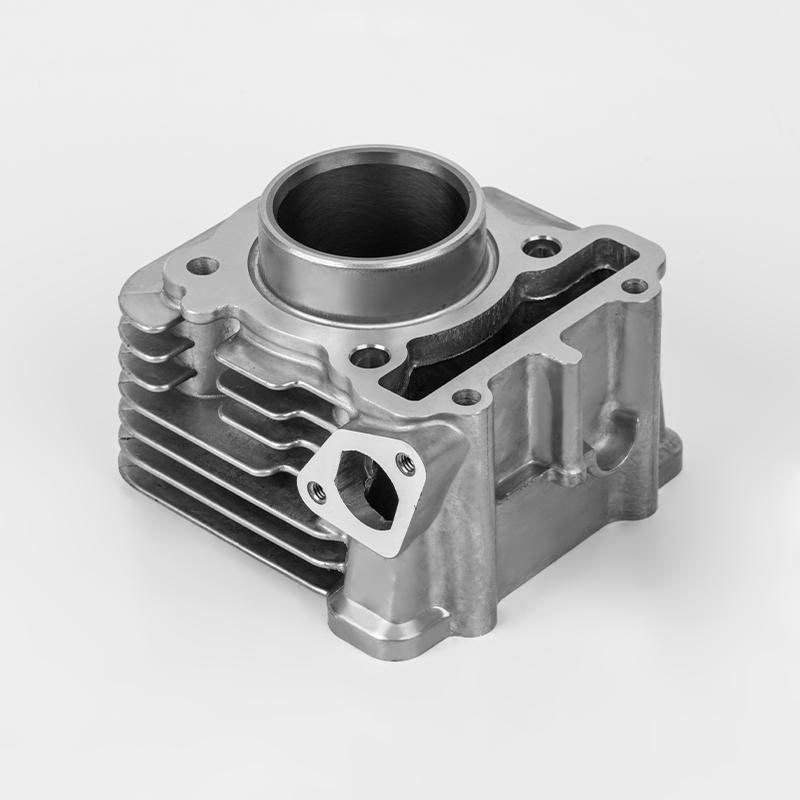
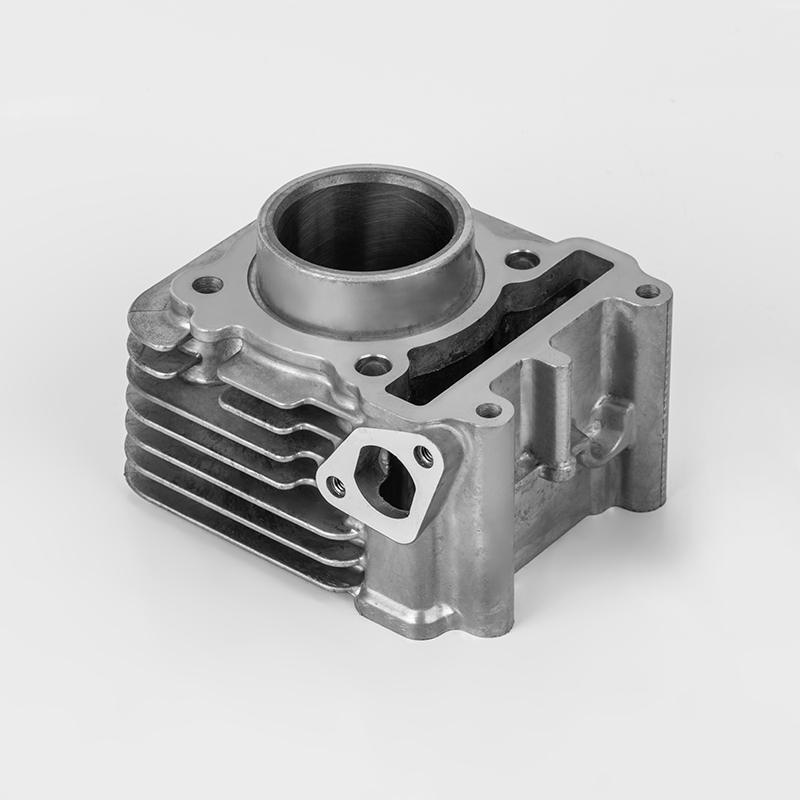
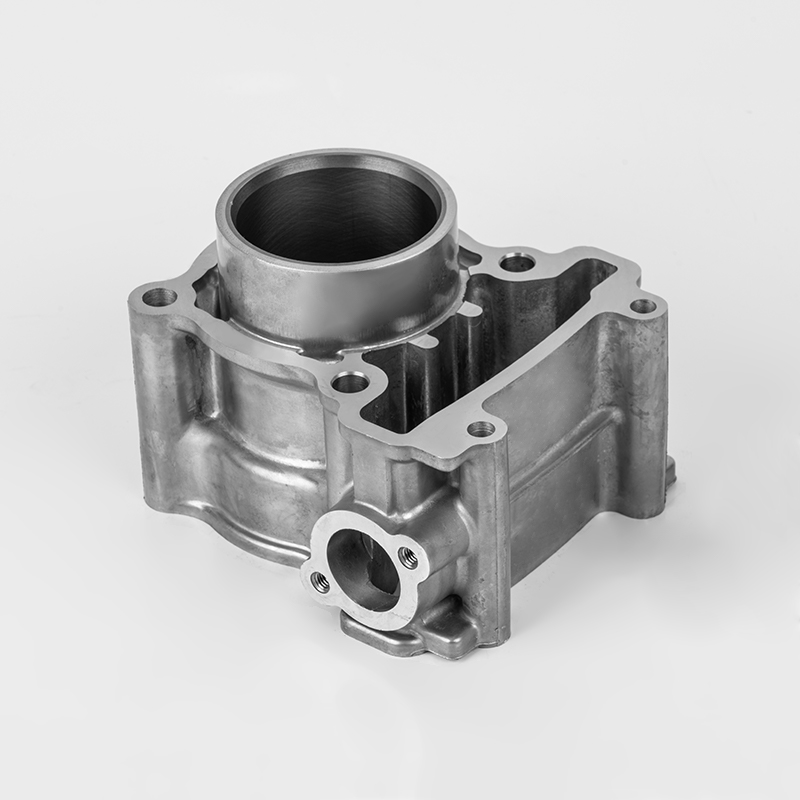
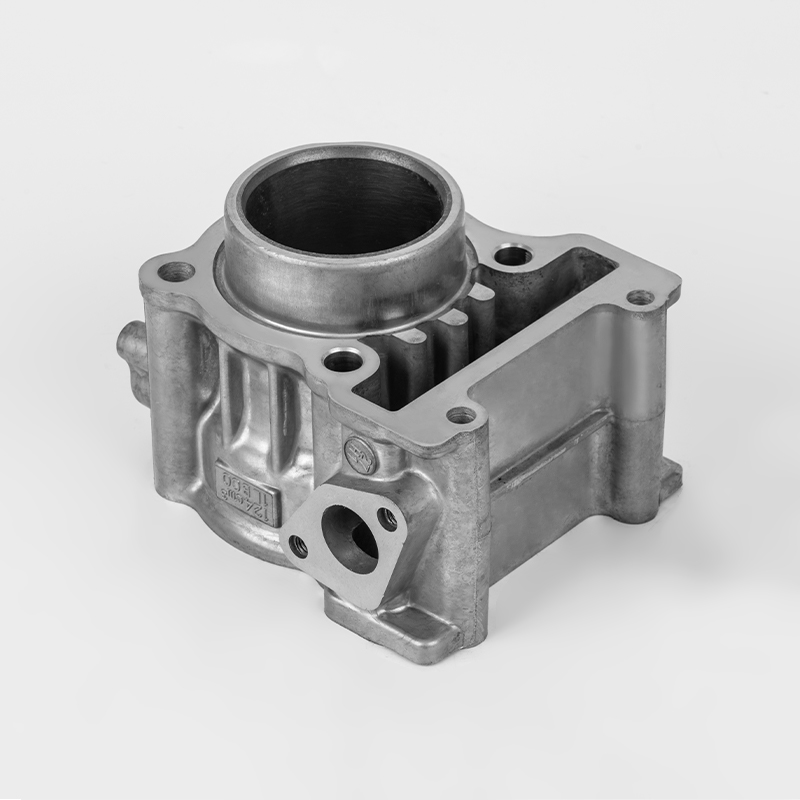
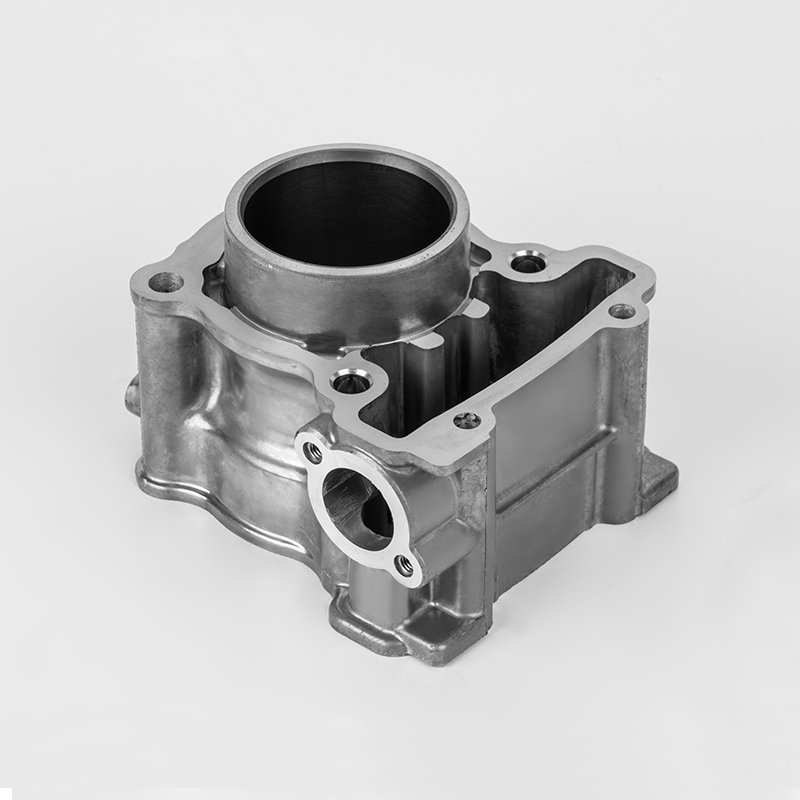
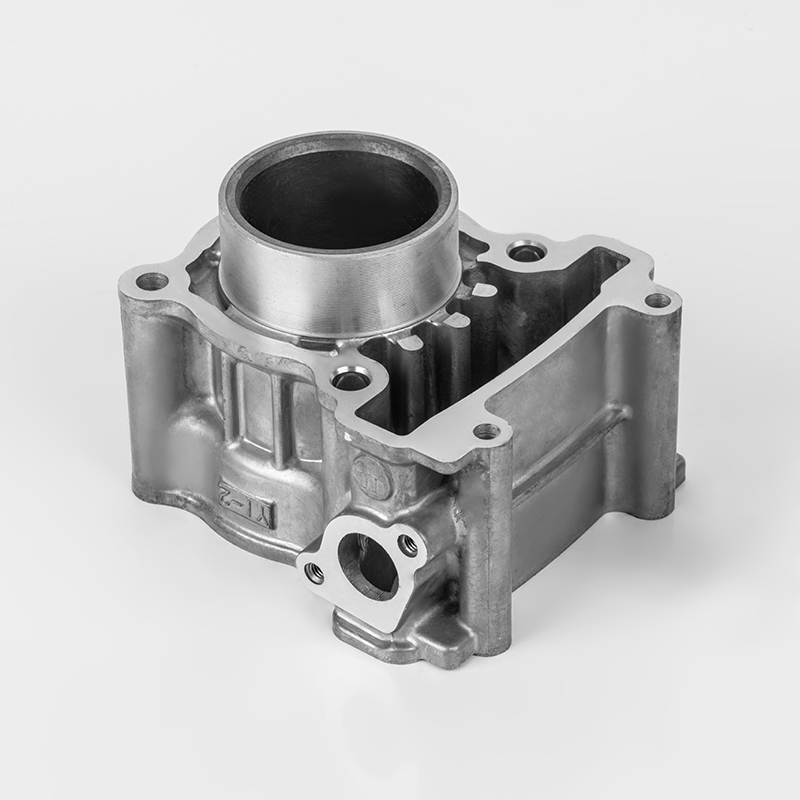
That is why cylinder selection sits at the centre of any serious repair on this engine. Buyers researching the difference between coated aluminium and cast iron designs will find a useful starting point in this overview of the aluminium motorcycle cylinder series, which explains where each material makes sense.
What Actually Changed for the 2024 Model Year
If you are comparing a 2023 and a 2024 800NK in a used listing, the honest answer is that the mechanical package is essentially the same machine. The 799 cc twin, the frame, the suspension layout and the brake hardware carried over. The 2024 model year brought colour and trim updates in most export markets, along with running production refinements to fasteners, mapping and small components. In China, buyers also had access to a higher-specification version fitted with additional electronic equipment.
For a used buyer, that means the year badge should not carry a large premium. A 2023 bike with 8,000 well-documented kilometres is a better purchase than a 2024 bike with 25,000 hard ones and no service history. What genuinely differs between individual bikes of the same year is how the first owner treated the engine during the break-in period and afterwards.
One more note on timing. Because the 2024 model has now been on the road for around two years, most examples have completed the first major service and the first valve clearance inspection. A bike that has passed those two milestones with clean records is usually a safer buy than one advertised as "barely ridden", since low mileage on a 2024 machine can also mean long storage periods, stale fuel and dry cylinder walls at every cold start.
Riding Scenarios Where the 800NK Makes Sense
The 800NK is not a touring bike dressed in street clothes, and it is not a track weapon. It is at its best in a specific set of uses, and understanding those uses helps predict what kind of stress the cylinder will have seen.
- City commuting and short weekend rides, where the engine rarely sits above 6,000 rpm for long. Bore wear in this use is usually minimal.
- Mountain roads and fast B-road riding, where the twin spends long periods between 7,000 and 9,500 rpm. Heat cycles are frequent and oil temperature climbs.
- Track days, where sustained high load and repeated hard downshifts put maximum stress on rings, bore and clutch. Bikes used this way need shorter oil intervals.
- Two-up riding with luggage, which raises load and heat but is not mechanically damaging if the cooling system is healthy.
The scenario that harms an engine most is not hard riding in itself, but hard riding with a dirty air filter, old coolant or a low oil level. A dusty intake tract is the single most common cause of accelerated bore wear on any coated cylinder, and it happens long before the owner notices anything.
Cylinder Wear and Compression Loss: The Symptoms Owners Notice First
Bore and ring wear rarely announces itself with a single dramatic failure. It arrives as a collection of small changes that owners often attribute to something else.
- Rising oil consumption. A figure worth watching is anything above roughly 100 to 200 ml per 1,000 km on a bike with no visible leaks.
- Blue smoke on cold start that clears after a minute, which points to oil passing the rings or valve guides while the engine is cold.
- A hollow, rattling sound from the top of the engine when cold, sometimes described as piston slap. It fades as the bore and piston warm and clearances tighten.
- Hard starting when hot, rough idle and a flat feeling in the midrange, all of which can follow a drop in compression.
- Fine metallic sludge on the magnetic sump plug, or glitter in the oil filter pleats. This is the point at which a compression and leak-down test is no longer optional.
There is also a non-cylinder explanation for several of these symptoms on this platform. Camshaft and follower wear has been widely discussed by owners of the 790-derived engine family, and it produces noise from the same area of the engine. Before anyone quotes you for a cylinder block, insist on a leak-down test that separates ring leakage from valve leakage. Air escaping into the crankcase means rings and bore. Air escaping into the intake or exhaust means valves or seats.
Maintenance Intervals and the Measurements That Matter
Always follow the official service manual for the exact intervals and limits for your market and model year. The figures below are practical reference points that workshops use when evaluating this type of high-compression liquid-cooled twin.
| Check | Typical interval | What you are looking for |
|---|---|---|
| Engine oil and filter | Every 5,000 to 7,500 km | Oil that stays clean between changes; no glitter in the filter |
| Air filter | Inspect every 10,000 km, replace as needed | Dust past the filter element is the main cause of bore scoring |
| Valve clearance | Around 15,000 km, then per manual | Tight clearances burn valves and raise combustion temperature |
| Compression test | At purchase, then every 20,000 km | Both cylinders close to the manual minimum, difference under about 10 percent |
| Bore roundness and taper | During any top-end rebuild | Deviation typically held to about 0.01 mm on this class of engine |
| Piston-to-wall clearance | During rebuild | Measured with a feeler gauge at the skirt, compared to the manual |
| Coolant and thermostat | Every 2 years or per manual | Overheating distorts bores and softens ring tension |
Two measurement habits separate a proper workshop from a guesser. First, measure the bore at three heights and in two directions to catch taper and ovality, not just at the top where the ring stops. Second, compare both cylinders of the same engine. On a parallel twin, an imbalance of more than about 10 percent between the two compression readings is a stronger warning sign than a single low number on its own.
Buying a Used 2024 CFMoto 800NK in 2026
A used 2024 bike is now old enough to have real history and young enough to still feel tight if it has been looked after. Work through the following in order, and do not skip the cold start.
- Insist the engine be stone cold when you arrive. A seller who has warmed the bike beforehand is hiding cold-start noise and smoke.
- Listen for the first thirty seconds. Light piston noise that fades is normal on many short-stroke twins; heavy knocking that persists is not.
- Check the air filter housing for dust trails past the element. This is a five-minute inspection that tells you more about bore condition than any service sticker.
- Ask for a compression and leak-down result, or pay a workshop to run one. On a private sale, the cost of the test is trivial compared to a cylinder block replacement.
- Drain a small amount of oil into a clean container and look at it against daylight. Fine sparkle means the engine has been making metal.
- Check the exhaust and ECU history. A reflashed ECU with a free-flowing exhaust runs leaner and hotter, which raises the risk of detonation damage on a 12.7:1 engine.
- Confirm how many owners the bike has had, and whether the first service was done on time. Break-in discipline matters on a short-stroke twin.
Cosmetic damage, worn tyres and a tired chain are all negotiable. A scored bore is not. Price the potential repair into your offer before you shake hands.
Cylinder and Piston Parts: Availability and Sourcing
Parts sourcing for the 800NK runs on two tracks. The first is original-equipment supply through the dealer network, which is the safest route when a bike is still under warranty or when you want a guaranteed match to the production bore coating. The second is the aftermarket and specialist manufacturing route, which is where cost and lead time improve considerably once a bike is out of warranty.
Factories that specialise in cylinder blocks have been supporting the wider CFMoto engine family for years, because the brand builds far more than one model around liquid-cooled singles and twins. If you are repairing an ATV, a side-by-side or a smaller street model rather than an 800NK, the same production lines that machine coated aluminium blocks and cast iron liners already cover those applications.
 Water-cooled 172 (Φ72) CFMOTO 250 cast iron cylinder accessories1. Gravity casting: By precisely controlling the filling pressure (0.5-1.5MPa), the defects of pores and shrinkage are reduced, and the yield rate reaches more than 95...View Product →
Bore sizes, deck heights and water jacket layouts differ across a manufacturer's range, so the correct approach is always to match by part number and by measured dimensions rather than by model name alone. A workshop rebuilding an engine should record bore diameter, stroke, cylinder height, gasket thickness and the position of the coolant passages before ordering anything.
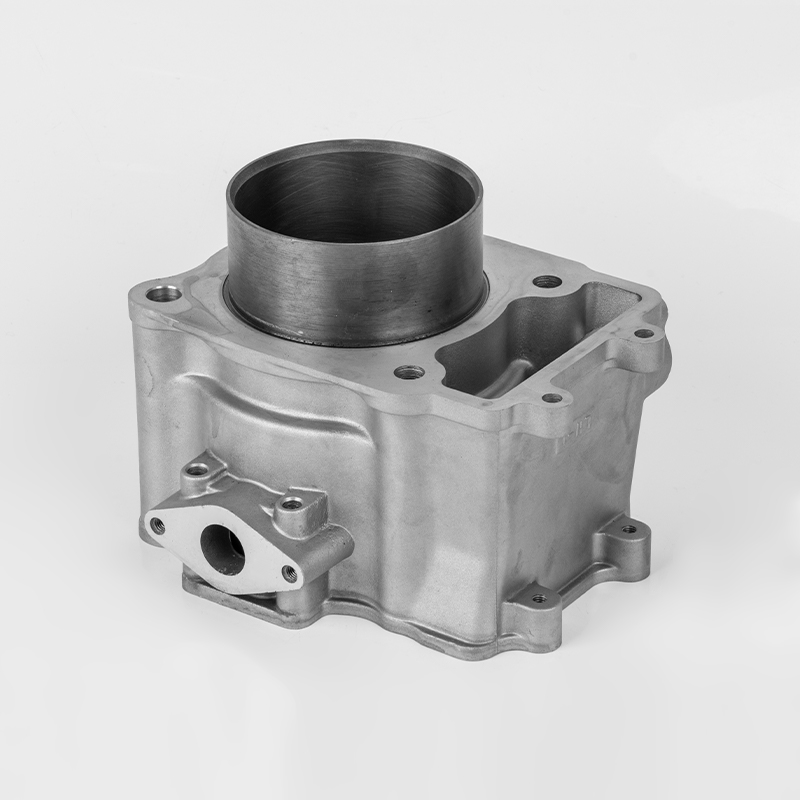 Spring Water Cooling 500 (Φ87.5) aluminum alloy cylinder wear-resistant seriesCore specifications: Cylinder bore: Φ87.5 mm, suitable for high-performance motorcycle engines with a displacement of 500cc, specially designed for four-cylinder water...View Product →
For the 799 cc twin specifically, the block is a coated aluminium casting and is not currently a common catalogue item, so a repair usually means sourcing an original or low-mileage replacement, or having a liner pressed in by a specialist. Buyers who want to understand how bore coatings, liner materials and ring packages are chosen in the first place can look at the technical background behind our cylinder block manufacturing work, which covers both aluminium and cast iron approaches.
 Spring Water Cooling 600 (Φ96) aluminum alloy cylinder series1. Lost foam casting: used for complex water channel molding, cooling efficiency increased by 20% 2. Double-axis precision boring: cylinder bore machining accuracy ±0....View Product →
The practical advice is simple. Before a rebuild, measure everything, confirm the coating type, and choose between a replacement block and a lined block based on the actual thickness of the casting around the bore. Some blocks have enough wall thickness for a liner; others do not.
Cost of Ownership by Category
The table below compares ownership characteristics by category rather than by brand, since pricing varies enormously between markets and model years. It reflects what owners typically face when an engine needs top-end work.
| Factor | 800NK | Established Japanese twin | European middleweight twin |
|---|---|---|---|
| New purchase price | Lowest of the three | Mid | Highest |
| Used value retention | Weaker | Strong | Strong |
| Bore design | Coated aluminium bore | Many models use iron liners | Mostly coated aluminium bores |
| Rebore possible | No, unless a liner is fitted | Often yes on lined models | Rarely, unless lined |
| Parts channel | Improving but narrower | Very mature | Mature, priced high |
| Service access | Simple layouts, reasonable labour | Simple | Sometimes complex packaging |
The conclusion is not that one category wins. It is that the 800NK trades resale value and parts depth for a low entry price, and that trade only works in the buyer's favour if the engine top end is healthy. On a bike worth a few thousand dollars, a cylinder and piston repair can approach a quarter of the machine's value, which is exactly why the compression test matters so much.
Common Complaints and What They Point To
Owner discussions around this engine family tend to circle the same handful of issues. None of them are universal, but each has a mechanical explanation worth knowing.
- Top-end rattle when cold. Often piston noise from bore clearance, but occasionally valvetrain related. Diagnose with a leak-down test before dismantling.
- Oil consumption that creeps up after 20,000 km. Usually ring seal, sometimes valve guides. Check for smoke under engine braking.
- Camshaft and follower wear. Reported widely on this engine family. Frequent oil changes with the correct specification are the best protection.
- Minor oil weeping around covers and seals. Rarely serious, but it hides oil consumption because owners assume the level drop is the leak.
- Heat build-up in slow traffic. The cooling system is adequate when clean; a clogged radiator or a tired coolant cap changes that quickly.
None of these are reasons to avoid the model. They are reasons to buy with your eyes open, budget for a professional inspection, and treat the top end as the part of the bike that decides the total cost of ownership.
Frequently Asked Questions
Is the 2024 CFMoto 800NK a reliable motorcycle?
For most owners, yes, provided routine maintenance is actually done. The chassis and electronics have few systemic complaints. The areas that need attention are the valvetrain and the cylinder top end, both of which are sensitive to oil quality and air filtration. A well-maintained example with 30,000 km is generally a safer bet than a neglected one with 8,000 km.
What are the bore and stroke figures for the 800NK?
The engine displaces 799 cc from a bore of 88.0 mm and a stroke of 65.7 mm, giving a bore-to-stroke ratio of roughly 1.34. That is a short-stroke, high-revving layout with an aggressive compression ratio of about 12.7:1.
Can the 800NK cylinder be rebored?
Not directly. The block uses a hard-coated aluminium bore, and honing through the coating exposes soft aluminium. The practical options are replacing the block or having a specialist press in a cast iron or ductile liner and rebore to standard with a matching piston and rings.
What compression should a healthy 800NK show?
Use the minimum figure published in the official service manual for your model year as the reference. As a practical rule, both cylinders should read close to that figure and within roughly 10 percent of each other. A wet test that raises compression noticeably points to ring and bore wear rather than valves.
How often do valve clearances need checking?
Around the 15,000 km mark on this engine family, then at the intervals stated in the manual. Tight clearances are more dangerous than loose ones because they hold valves off their seats, which burns them and raises combustion temperature. If a bike has no record of a clearance check and is over 20,000 km, budget for one immediately.
Does the 2024 model differ from the 2023 mechanically?
In most export markets the differences are cosmetic and production-related rather than structural. The engine, frame and suspension layout carried over. Some markets received higher-specification versions with additional electronic equipment. For used buyers, condition and service history matter far more than the model year badge.
What should I check first on a used 800NK?
Start with a stone-cold start, listen for thirty seconds, then inspect the air filter housing for dust ingress. After that, request a compression and leak-down test at a workshop, and examine the drained oil for metallic sparkle. Those four checks cover the expensive failure modes.
Are cylinder parts for the 800NK hard to find?
Original parts are available through the dealer network, and specialist cylinder manufacturers already support the wider CFMoto engine family for other models. The 799 cc twin's coated aluminium block is not a common catalogue item, so repairs usually mean an original replacement block, a low-mileage used unit, or a professionally lined block. Confirm part numbers and measure the original bore before ordering anything.
Bottom Line
The 2024 CFMoto 800NK is a lot of middleweight twin for the money, and it remains one of the more sensible used purchases in its class now that early examples have depreciated. The engine is the part that decides whether that value holds. A short-stroke 799 cc twin at 12.7:1 compression with a coated aluminium bore rewards clean oil, clean air and honest service records, and punishes neglect in the cylinder block rather than anywhere cheap.
If you own one, keep the air filter clean, change the oil on time and get the valve clearances checked at the specified interval. If you are buying one, pay for a compression and leak-down test before you commit, and treat any unexplained oil consumption as a reason to walk away or renegotiate hard. Everything else on this motorcycle is straightforward to fix.