
 English
 Español
 عربى


Content
- 1 The 300cc Motorcycle Segment at a Glance
- 2 The Six Best 300cc Motorcycles for 2026
- 3 Naked, Sport, Adventure or Cruiser: Which 300cc Body Style Fits You?
- 4 Engine Architecture and Cylinder Materials: What Affects Long-Term Reliability
- 5 Five Buying Criteria That Matter More Than Peak Power
- 6 New vs. Used 300cc Motorcycles: What the Price Gap Really Buys You
- 7 Long-Term Maintenance: Cylinder Care and Replacement
- 8 Frequently Asked Questions
- 8.1 What is the fastest 300cc motorcycle in 2026?
- 8.2 Is a 300cc motorcycle enough for highway commuting?
- 8.3 Which is the best 300cc motorcycle for a beginner?
- 8.4 How much does it cost to maintain a 300cc motorcycle per year?
- 8.5 How long does a 300cc motorcycle cylinder last?
- 8.6 Can I install a bigger cylinder on my 300cc motorcycle?
The Yamaha YZF-R3 is the best 300cc motorcycle for most riders in 2026, and the Yamaha MT-03 is the best naked alternative because it shares the same proven 321cc parallel-twin engine. If you need light off-road capability, the BMW G 310 GS takes the top spot. Those conclusions come from comparing the strongest 300cc machines on power, weight, seat height, price, and long-term maintenance rather than relying only on magazine headlines.
This guide covers the 2026 model-year 300cc field, explains why this displacement class behaves differently from larger bikes, and gives concrete buying and maintenance advice. A recurring theme is the cylinder: every 300cc engine transfers its full workload to a relatively small bore, so the quality of the cylinder body and the attention you give it determine how long the bike stays out of the workshop.
The 300cc Motorcycle Segment at a Glance
The 300cc class sits between commuter-friendly 150-250cc bikes and serious 500-700cc machines. In practice, 300cc motorcycles today produce between 28 and 42 horsepower and weigh between 140 and 176 kg. That combination is strong enough for daily commutes and weekend runs at 110-130 km/h, yet forgiving enough for riders who are still building cornering confidence.
- Power output: 28-42 hp (21-31 kW). The fastest bikes reach a top speed of 160-180 km/h in ideal conditions.
- Curb weight: 140-176 kg (309-388 lb). The Honda CB300R is the lightest mainstream 300cc at 144 kg wet.
- Fuel consumption: 3.0-4.2 L/100 km (56-78 US mpg) in mixed riding, which translates to a 300-400 km range from a typical 14-L tank.
- Seat height: 690-835 mm (27.2-32.9 in). The Honda Rebel 300 is the most approachable for shorter riders.
Motorcycle.com's 2025 top-six list grouped the Honda CB300R, Rebel 300, Kawasaki Versys-X 300, Yamaha R3, MT-03, and BMW G310GS as the strongest 300cc machines, while AGV Sport's independent speed tests ranked the Yamaha YZF-R3 as the quickest stock 300cc sportbike. (Source: Motorcycle.com, "Top 6 Best 300cc Motorcycles", 2025; AGV Sport, "Top 8 Fastest 300cc Motorcycles", 2025.)
The Six Best 300cc Motorcycles for 2026
The table below compares the models that lead sales discussions in the 300cc segment. Prices are approximate US MSRPs for the 2026 model year and vary by region and dealer. (Source: manufacturer published specifications and US pricing for the 2026 model year.)
| Model | Engine | Power | Curb weight | Seat height | Approx. US MSRP |
|---|---|---|---|---|---|
| Yamaha YZF-R3 | 321cc parallel-twin | 42 hp | 167 kg | 780 mm | US$5,699 |
| Yamaha MT-03 | 321cc parallel-twin | 42 hp | 167 kg | 780 mm | US$5,199 |
| Honda CB300R | 286cc single | 31 hp | 144 kg | 799 mm | US$5,249 |
| Honda Rebel 300 | 286cc single | 25 hp | 165 kg | 690 mm | US$4,899 |
| Kawasaki Versys-X 300 | 296cc parallel-twin | 40 hp | 176 kg | 815 mm | US$5,999 |
| BMW G 310 GS | 313cc single | 34 hp | 175 kg | 835 mm | US$6,290 |
| CFMoto 300 SR | 292cc single | 28 hp | 157 kg | 780 mm | US$4,299 |
What the spec sheet does not tell you
The Yamaha R3 and MT-03 share a 321cc twin that produces 42 hp at 10,750 rpm. On the road, this engine feels livelier than its displacement suggests because it revs freely past 9,000 rpm without harsh vibration. (Source: Yamaha Motor Co., 2026 model specification sheet.)
The lightweight alternative
Honda's 286cc single in the CB300R makes only 31 hp, but at 144 kg the bike has the best power-to-weight feel in tight traffic. A light bike that lets you filter confidently and park easily makes the CB300R a favorite among city commuters even though it loses a drag race to the Yamaha twins.
Naked, Sport, Adventure or Cruiser: Which 300cc Body Style Fits You?
All 300cc bikes are similar on paper, but the riding position decides how much you enjoy the bike day after day. The four body styles below use the same engine families with very different ergonomics.
Naked street bikes: Yamaha MT-03, Honda CB300R
Naked bikes have higher, wider handlebars and no fairing. You get a relaxed back angle, excellent visibility in traffic, and lower repair costs if the bike tips over. The MT-03 is the smoothest naked in this class, while the CB300R is the lightest.
Fully-faired sportbikes: Yamaha YZF-R3, Kawasaki Ninja 300
Faired bikes have clip-on bars and lower foot pegs. At 110 km/h the fairing redirects wind away from your chest, so longer motorway rides feel less tiring. The trade-off is a more forward stance and expensive plastic if you drop it.
Adventure-styled dual-sports: Versys-X 300, BMW G 310 GS
Adventure bikes use long-travel suspension, a tall screen area, and wide bars. The 835 mm seat height on the G 310 GS gives a commanding view but requires reach. On gravel roads the long suspension travel and controlled damping make these bikes safer than their sportier cousins.
Cruisers: Honda Rebel 300
The Rebel 300 has a 690 mm seat height, forward foot controls, and a relaxed rake. It is the easiest 300cc bike for a new rider to flat-foot, and the styling appeals to riders who want a classic cruiser look without the weight of a 1,000cc machine.
Engine Architecture and Cylinder Materials: What Affects Long-Term Reliability
In 2026 the 300cc class splits into two engine families. Yamaha and Kawasaki use parallel-twins; Honda, BMW, and CFMoto use singles. Twins rev higher and cruise with less vibration; singles are simpler, cheaper to rebuild, and slightly lighter. Neither choice is objectively better, but they change the maintenance story.
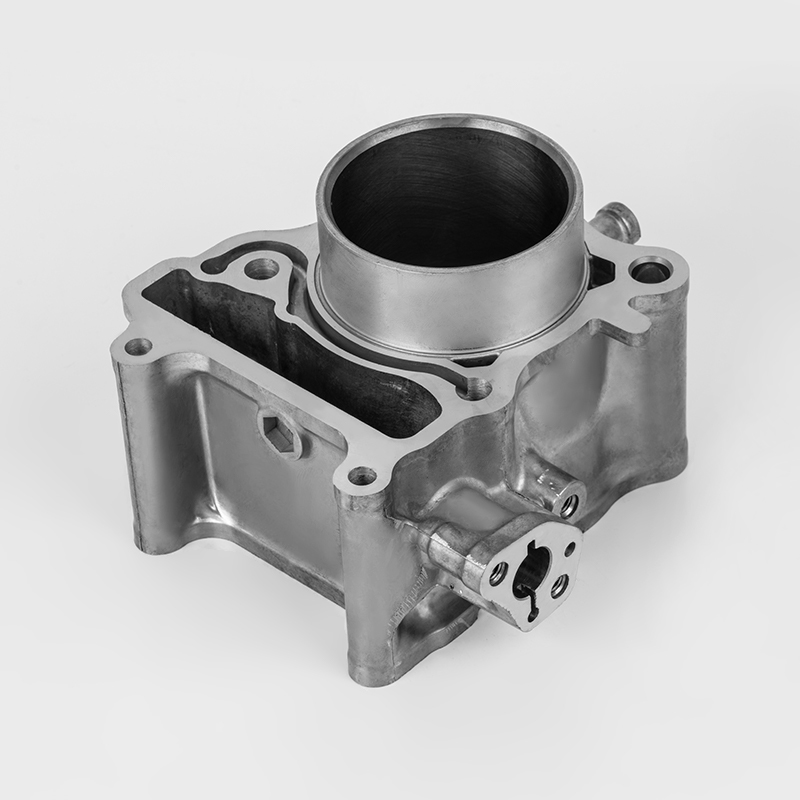
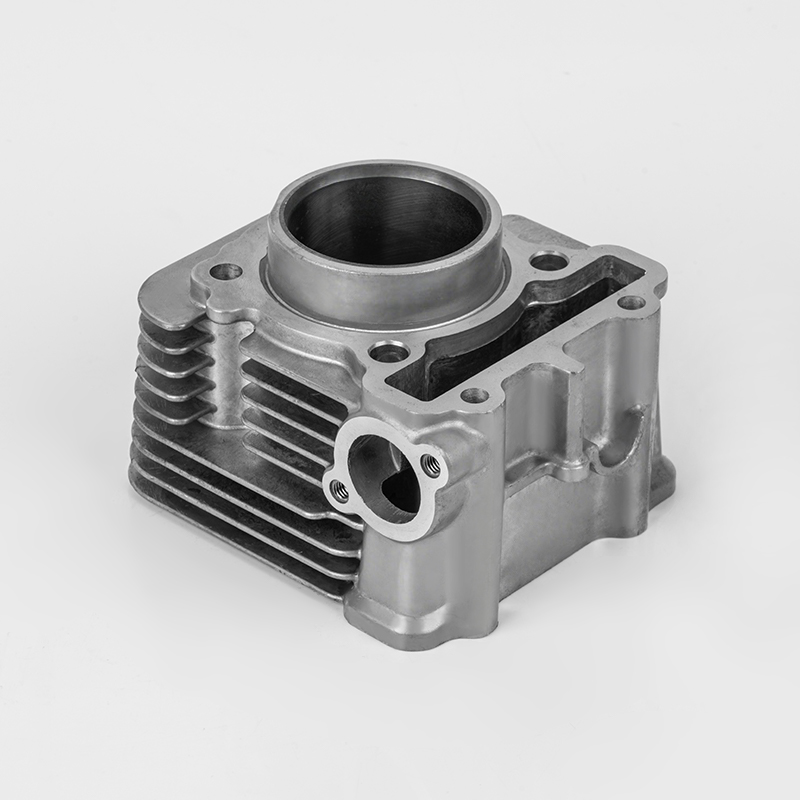
The cylinder is the most stressed component in a small-displacement engine. Aluminum-alloy cylinders with a steel sleeve or Nikasil coating dissipate heat quickly, which suits air-cooled and water-cooled street bikes. Cast-iron cylinders are heavier but extremely wear-resistant and tolerate marginal oil conditions better. If you want to understand how iron liners behave in the class, the comprehensive guide to the iron motorcycle cylinder series goes through the durability differences in depth.
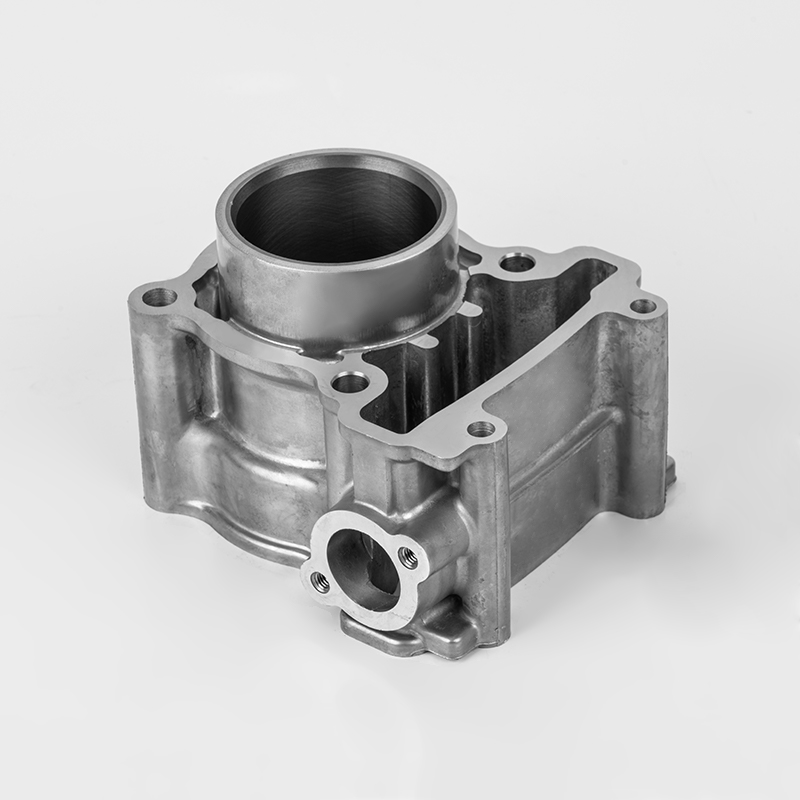
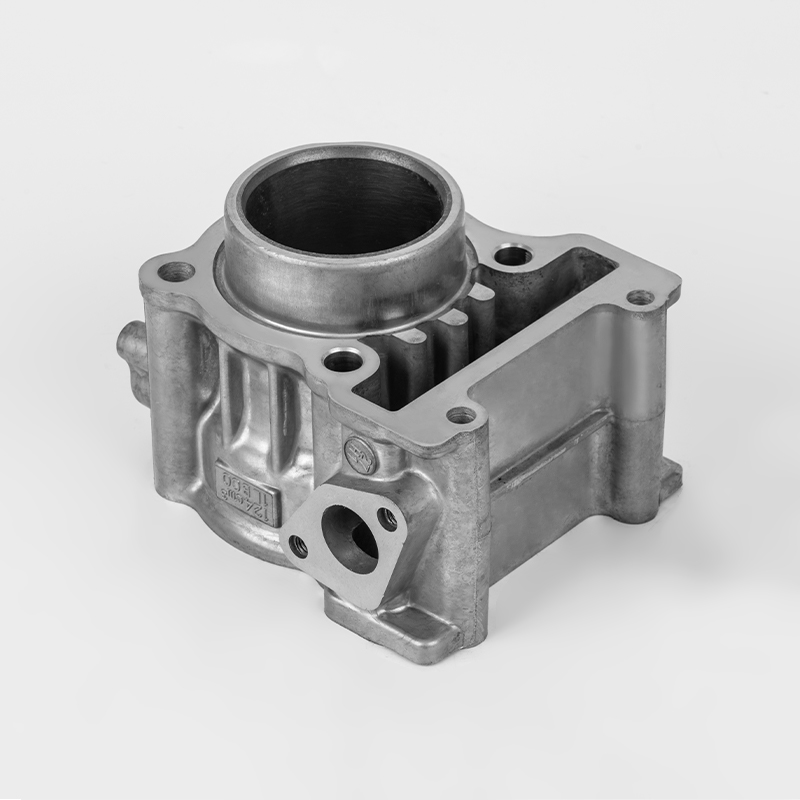
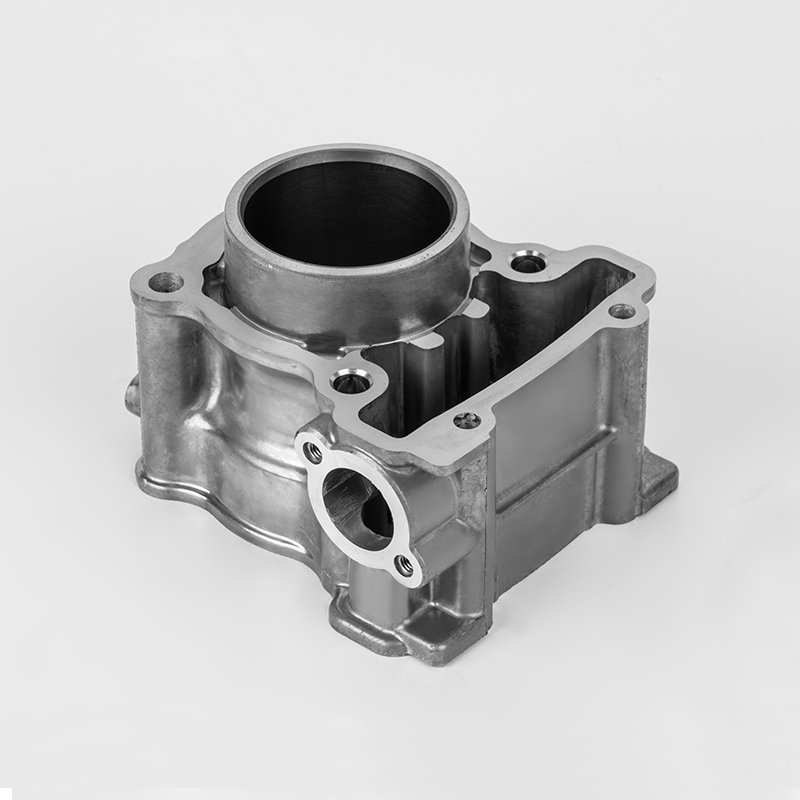
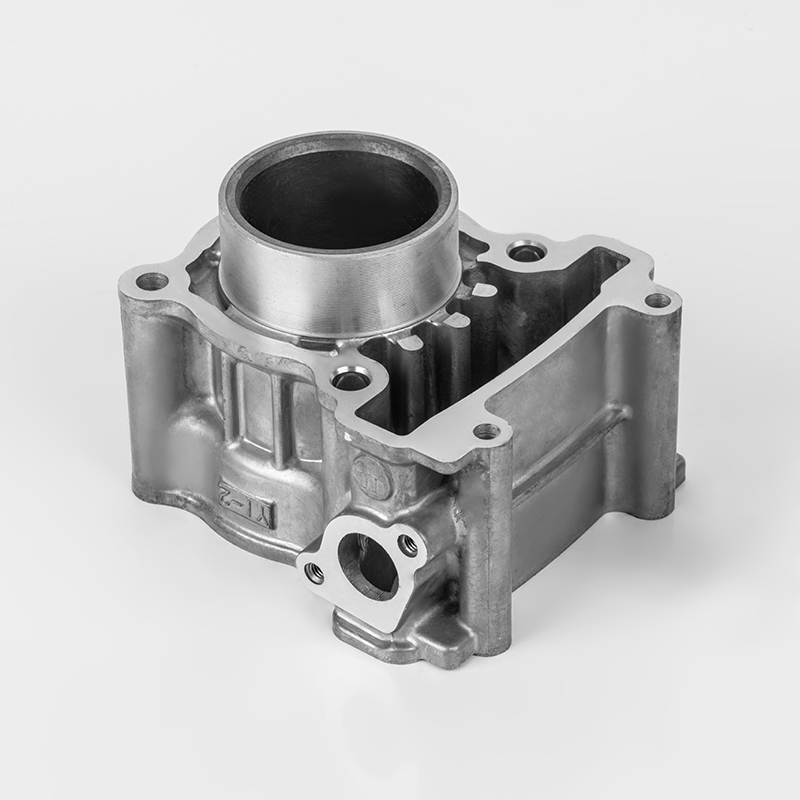
 CBX300 Cylinder for Honda Single: 79mm or 84mm Bore, Aluminum or Cast IronAvailable in cast iron for extreme durability or aluminum for light weight, this cylinder supports displacement up to 350cc with a 10.5:1 compression ratio, making it a practical upgrade for single-cylinder engines.View Product →
A practical example: Honda's 286cc single uses a 79 mm bore in the CB300R. When the cylinder wears beyond the factory service limit, the accepted repair is a complete cylinder and piston assembly rather than a rebore, because the Nikasil coating cannot be reliably removed and reapplied at a local machine shop. (Source: Honda service manual for the 286cc engine.)
Five Buying Criteria That Matter More Than Peak Power
Magazines make power the headline, but the bikes that satisfy riders over five years are chosen by other numbers. Use these five criteria when you sit on a 300cc model for the first time.
- Seat height and flat-footing. A 780 mm seat works for riders with a 760-780 mm inseam (roughly 170-175 cm height). Below that, look at the Rebel 300 at 690 mm or install a reduced-height seat before buying.
- Curb weight and low-speed balance. Test the bike at walking pace and with a full fuel tank. A heavier bike feels fine at 100 km/h but miserable in a sloped parking spot.
- Insurance grouping and theft rates. Sportbike-looking models carry higher comprehensive insurance in many regions. The MT-03 frequently costs less to insure than the identical-engine R3 because the naked body style has lower claim statistics.
- Dealer network and parts delivery. A 300cc bike from a brand with local service centers saves weeks of downtime when you need a piston ring set or gasket kit.
- Service intervals and rebuild economy. Singles need valve checks as often as every 10,000 km; Yamaha twin valves last longer but are more fiddly to shim. Compare the local labor rate for these tasks before you decide.
These five criteria explain why the Yamaha MT-03 and Honda CB300R win so many beginner reviews despite not holding the highest horsepower figure.
New vs. Used 300cc Motorcycles: What the Price Gap Really Buys You
New 300cc motorcycles in the United States cost between US$4,300 and US$6,300. The same bike at four years old typically sells for US$2,800-4,200. Market observations from classifieds listing data in 2024-2025 show that 300cc bikes lose about 20-30% of their value in the first two years, then settle into a slow decline. (Source: US classifieds market survey, 2025.)
Buying new
- Full factory warranty and free first service on many brands.
- Zero history risk: you know the engine was broken in correctly if you follow the manual.
- Access to the latest ECU tuning, ABS calibration, and parts revisions.
Buying used
- The depreciation has already happened, so the resale loss over the next two years is small.
- Insurance on a used 300cc is lower because the agreed value drops.
- A used bike with service records from a dealership gives you a proven engine at roughly 60% of the new price.
The main risk with a used 300cc is a cylinder that was run with low oil. When shopping used, ask whether the engine burns oil; if yes, budget for a cylinder kit before you sign the paperwork.
Long-Term Maintenance: Cylinder Care and Replacement
Ask a motorcycle mechanic what kills 300cc engines and the answer almost always involves the cylinder. Small bores wear faster when oil changes are skipped, and the symptoms are predictable:
- Blue smoke on startup or during deceleration.
- Oil consumption above 250 ml per 1,000 km.
- Compression reading below 100 psi (690 kPa) on a warm engine.
- Metallic tapping from the cylinder area when the engine is cold.
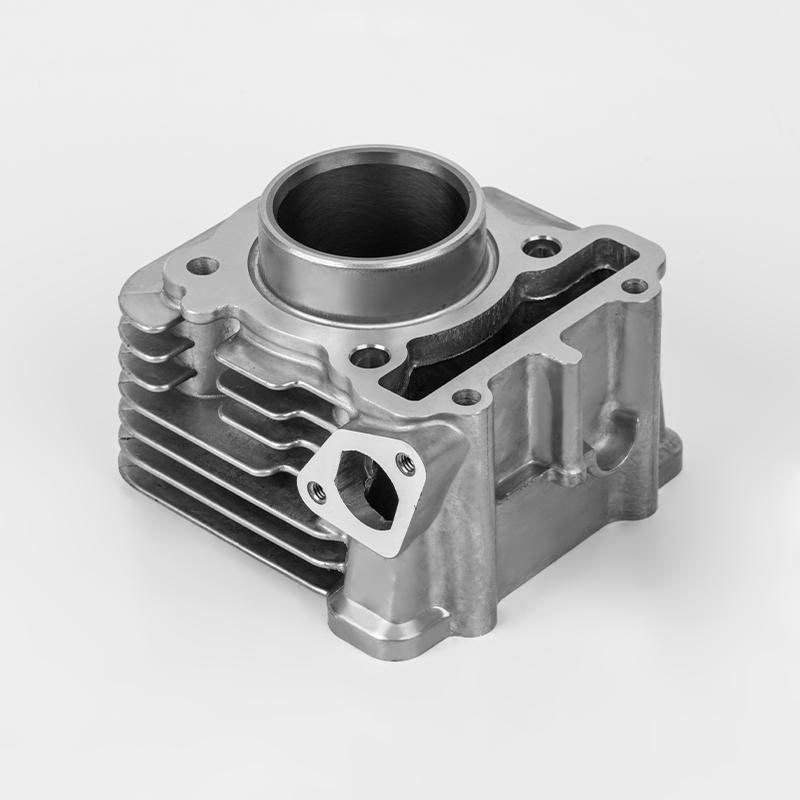
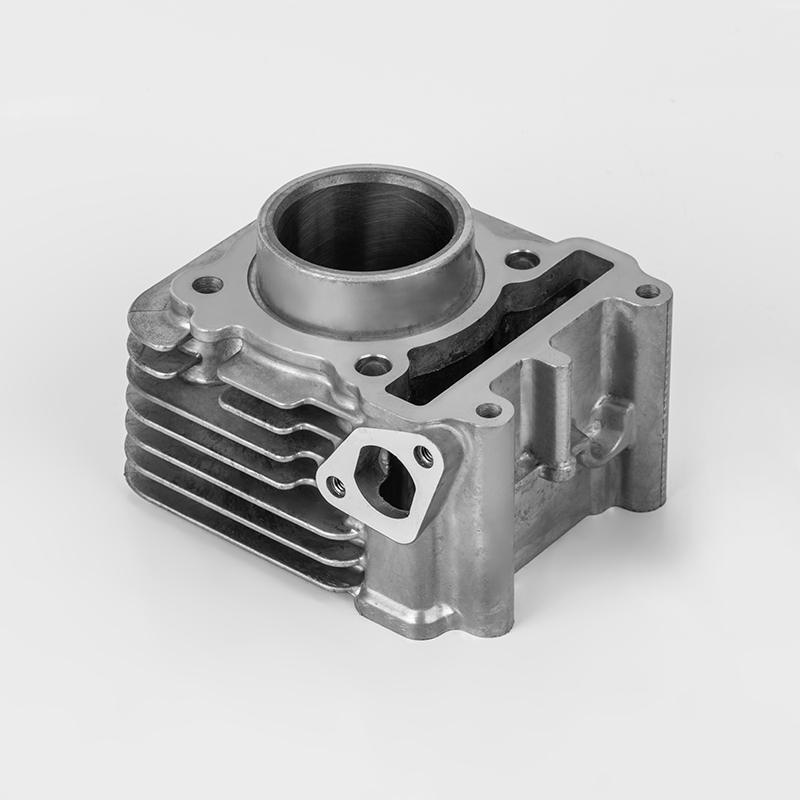
When these symptoms appear, measure the bore diameter with a dial bore gauge at three heights. If the wear exceeds 0.05-0.08 mm beyond the service limit, honing will not restore the sealing surface; a replacement cylinder is the durable fix. For water-cooled 300cc singles, the water-cooled cast-iron motorcycle cylinder series handles the higher thermal load of liquid cooling and is a popular alternative to an aluminum barrel.
 Water-Cooled 300 Cast Iron Cylinder Series for Liquid-Cooled SinglesDesigned to handle higher thermal loads of liquid cooling, this cast iron cylinder features a closed water channel with multi-point aluminum bars, suitable for coolant flow up to 2.5L/min and system pressures above 1.6MPa.View Product →
| Service item | Interval | Typical cost |
|---|---|---|
| Engine oil and filter | Every 5,000-6,000 km | US$60-100 |
| Air filter | Every 12,000-20,000 km | US$30-70 |
| Spark plug | Every 15,000-25,000 km | US$25-60 |
| Valve clearance check | At 1,000-2,000 km, then every 10,000-15,000 km | US$120-250 |
| Chain and sprockets | Every 15,000-25,000 km | US$150-300 |
After a cylinder replacement, follow a proper break-in: vary the engine speed between 3,000 and 7,000 rpm for the first 300 km, then change the oil at 500-1,000 km. (Source: manufacturer break-in guidelines for 300cc singles.) If you plan to do the job yourself, read the step-by-step guide on how to replace the motorcycle cylinder before you order parts.
Frequently Asked Questions
What is the fastest 300cc motorcycle in 2026?
The Yamaha YZF-R3 is the fastest stock 300cc motorcycle available in 2026, with a claimed top speed of 188 km/h and a 0-100 km/h time of approximately 5.4 seconds. (Source: AGV Sport, "Top 8 Fastest 300cc Motorcycles", 2025.)
Is a 300cc motorcycle enough for highway commuting?
Yes. A 300cc twin holds 120 km/h at roughly 7,500-8,000 rpm in top gear, based on gear ratio calculations from the Yamaha specification sheet. The passing acceleration from 90 to 120 km/h is adequate but not dramatic, so plan your overtakes on two-lane roads. If 100% of your riding is multi-lane highway, step up to 400-650cc.
Which is the best 300cc motorcycle for a beginner?
The Honda CB300R wins for lowest weight at 144 kg. The Honda Rebel 300 wins for lowest seat height at 690 mm. The Yamaha MT-03 wins for the smoothest engine and the broadest dealer support in North America. The right answer depends on which limit matters most to you.
How much does it cost to maintain a 300cc motorcycle per year?
Routine maintenance costs US$250-500 per year when you use a dealership, or roughly half that if you do the work yourself. The biggest variable is tire life: 300cc bikes wear rear tires in 8,000-12,000 km if you ride aggressively. (Source: tire manufacturer wear data, 2025.)
How long does a 300cc motorcycle cylinder last?
With oil changes every 5,000-8,000 km, a well-made cylinder lasts 60,000-100,000 km. Cast-iron liners often exceed that; the weak point on aluminum Nikasil cylinders is not distance but oil-change discipline and cold-start short trips.
Can I install a bigger cylinder on my 300cc motorcycle?
Yes, but only within safe limits. Over-boring more than 1-2 mm from standard significantly reduces the sleeve thickness and raises engine temperature. The smart upgrade is a complete replacement cylinder, such as the 79-84 mm CBX300 body for Honda singles, matched with the correct piston and gaskets. (Source: engine builder experience in the Honda single-cylinder community, 2025.)
The best 300cc motorcycle is not the one with the best magazine score; it is the one that matches your height, your dealer network, and your maintenance confidence. The Yamaha twins are the safest all-round recommendation in 2026, the Honda CB300R is the most approachable, and the Rebel 300 is the most comfortable for shorter riders. Buy the newest, lowest-mileage example your budget allows, and keep the cylinder healthy with regular oil changes.