
 English
 Español
 عربى
عربى

Content
- 1 How the Clutch on a Bike Actually Works
- 2 Common Clutch Symptoms and What They Mean
- 3 Clutch Problem or Cylinder Problem? How to Tell the Difference
- 4 Clutch Maintenance and Adjustment Basics
- 5 Replacement Decisions: Clutch or Cylinder?
- 6 Performance Builds: The Clutch and Cylinder Relationship
- 7 Frequently Asked Questions About the Clutch on a Bike
Ask any mechanic why a bike loses power, and the answer usually falls into two camps: top-end compression problems or clutch problems at the basket. The clutch on a bike is the precision assembly that disconnects and reconnects engine torque, and when it begins to fail, the symptoms can look almost identical to a worn cylinder.
Here is the direct answer: clutch slip is the most common clutch fault on a motorcycle, and it appears as rising engine RPM without matching acceleration, especially under hard throttle in a high gear. You can confirm it in a few minutes without opening the engine, and fixing it early costs far less than letting it overheat the steel plates and damage the clutch basket. On most street bikes, the clutch is a wet multi-plate unit that runs in engine oil, so oil condition and level are directly tied to how well the clutch grips.
How the Clutch on a Bike Actually Works
At its core, the clutch on a bike is a stack of alternating friction plates and steel plates clamped together by springs inside an oil bath. The friction plates connect to the engine side, the steel plates connect to the transmission side, and the springs hold the whole pack together so torque can pass through. When you squeeze the lever, the pressure plate lifts, the plates separate, and the engine spins freely from the gearbox. When you release the lever, the springs clamp the pack back together and power flows to the rear wheel.
Clutch components every rider should know
- Friction plates — the consumable part. New friction plate thickness on a typical 125 to 250 cc commuter is about 2.9 to 3.2 mm, and most service manuals set the wear limit around 2.6 mm.
- Steel plates — flat, hardened separators that absorb heat during engagement. A warped or blue-tinted steel plate means the clutch has been severely overheated.
- Clutch springs — they set the clamping force. As springs fatigue, free length shrinks and grip drops, which is why spring measurement is part of every clutch rebuild.
- Pressure plate — the cover that compresses the pack. Uneven wear on this face causes clutch judder during launch.
- Clutch basket and hub — the rotating cages that keep everything aligned. Grooves worn into the basket fingers catch the plate tangs and cause clutch drag.
Almost all modern street motorcycles use a wet clutch, where the plates run in the same oil as the gearbox. That design keeps engagement smooth and carries heat away, but it also means the wrong oil viscosity or a low oil level can create clutch slip by reducing plate friction. Cable-actuated clutches dominate on commuter and mid-size bikes, while hydraulic clutches appear more often on larger machines. A cable mechanism needs periodic free-play adjustment, typically 10 to 20 mm of lever movement before the clutch starts to pull.
Common Clutch Symptoms and What They Mean
Once you know what normal clutch engagement feels like, the abnormal patterns are easy to recognize. The most frequent clutch complaints on a bike are slipping, dragging, heavy lever pull, judder, and a rattle from the clutch cover. Each points to a different component inside the assembly.
| Symptom | Likely Cause | First Step |
|---|---|---|
| RPM rises, speed does not keep up | Worn friction plates or weak springs | Measure plate thickness and spring free length |
| Hard to find neutral when stopped | Clutch dragging, cable tension too high | Adjust free play, inspect basket grooves |
| Heavy lever pull | Dried cable, clutch not disengaging | Lubricate or replace cable, check lever pivot |
| Judder or grabbing on launch | Glazed plates or uneven pressure plate | Replace friction plates, inspect pressure plate face |
| Rattle in the clutch area at idle | Worn basket or loose hub | Inspect basket fingers and hub bearing play |
A slipping clutch is the most serious of these because every slip event generates heat. Once the friction material overheats, it glazes, which lowers the coefficient of friction and makes the clutch slip even more on the next engagement. A rider will notice weaker engine braking too, because the clutch pack is no longer holding engine compression back through the drivetrain.
Clutch drag is the reverse failure: the plates do not separate fully when the lever is pulled. It shows up as difficulty finding neutral at a standstill or a slight forward lurch when first gear engages. Cable free play set too tight is the most common cause, but grooved basket fingers and warped steel plates produce the same result even with correct adjustment.
Clutch Problem or Cylinder Problem? How to Tell the Difference
This is the diagnostic decision that confuses a lot of riders. A bike that accelerates weakly could have a slipping clutch or a worn cylinder, and the riding impression is very similar because both limit power delivery. The key difference is where the power gets lost.
- Clutch slip: open the throttle hard in a high gear at moderate speed. If engine RPM jumps instantly while road speed climbs slowly, the clutch is slipping. The engine feels willing; the drive simply does not arrive.
- Cylinder wear: open the throttle fully. If the engine cannot build RPM smoothly, feels flat, or gets worse under load, the problem is at the top end. Poor compression, high oil consumption, and blue exhaust smoke confirm a cylinder, ring, or valve issue.
Here is a quick roadside check. Ride in second gear at roughly 15 to 20 km/h, keep the engine at low RPM, and roll the throttle fully open. A slipping clutch makes the engine flare immediately. A worn cylinder makes the engine bog, hesitate, or vibrate before any RPM builds.
There is also a connection in the opposite direction. A cylinder with low compression produces less torque, so the rider opens the throttle wider and slips the clutch more in stop-and-go traffic to keep the bike moving. That extra slip wears the clutch pack faster. It is common to find a bike with both problems at similar mileage, which is why factory-recommended service intervals treat clutch inspection and cylinder condition checks as part of the same top-end service. If you are facing this situation, the practical approach is to confirm the clutch first, then look at the cylinder, because clutch measurement is faster and requires less disassembly.
Clutch Maintenance and Adjustment Basics
The single most important maintenance item for the clutch on a bike is the engine oil. Change it on schedule, use the grade specified in the owner's manual (most commuter motorcycles spec SAE 10W-40 or 15W-40), and never use automotive oils with friction modifiers, because those additives reduce wet clutch grip.
Step-by-step clutch inspection
- Park on the side stand and check clutch lever free play. It should measure 10 to 20 mm before the cable starts to pull the pressure plate lever.
- If free play is out of range, loosen the locknut at the cable adjuster and turn the adjuster a quarter-turn at a time until the spec is restored.
- Start the engine, engage first gear, and confirm the bike does not creep forward with the clutch fully pulled.
- Check the oil level with the bike vertical after a short warm-up. Low oil starves the clutch of both lubrication and hydraulic grip.
- If slip persists after adjustment and fresh oil, open the clutch cover and measure the friction plates with a vernier caliper.
- Lay the steel plates flat on a piece of glass to check for warping, and measure spring free length against the new-part specification.
Wear numbers you can use: new friction plates on most 125 to 250 cc motorcycles are 2.9 to 3.2 mm thick, with a service limit of about 2.6 mm. Clutch springs typically need replacement when free length is 0.4 to 0.5 mm shorter than the new specification. Riding style matters too: constant partial clutch engagement in heavy traffic is the number one cause of premature friction plate wear. It is not the kilometers on the odometer that kill a clutch, it is the hours spent slipping on purpose.
Replacement Decisions: Clutch or Cylinder?
Replace the clutch when friction plate thickness is below spec, when the springs have taken a set, or when the basket fingers are grooved enough to catch the plate tangs. At that point, it is worth looking at the cylinder as well, because the labor overlaps. On a typical 125 to 200 cc commuter, removing the exhaust, cooling shrouds, and clutch cover reaches roughly the same disassembly depth as removing the cylinder head.
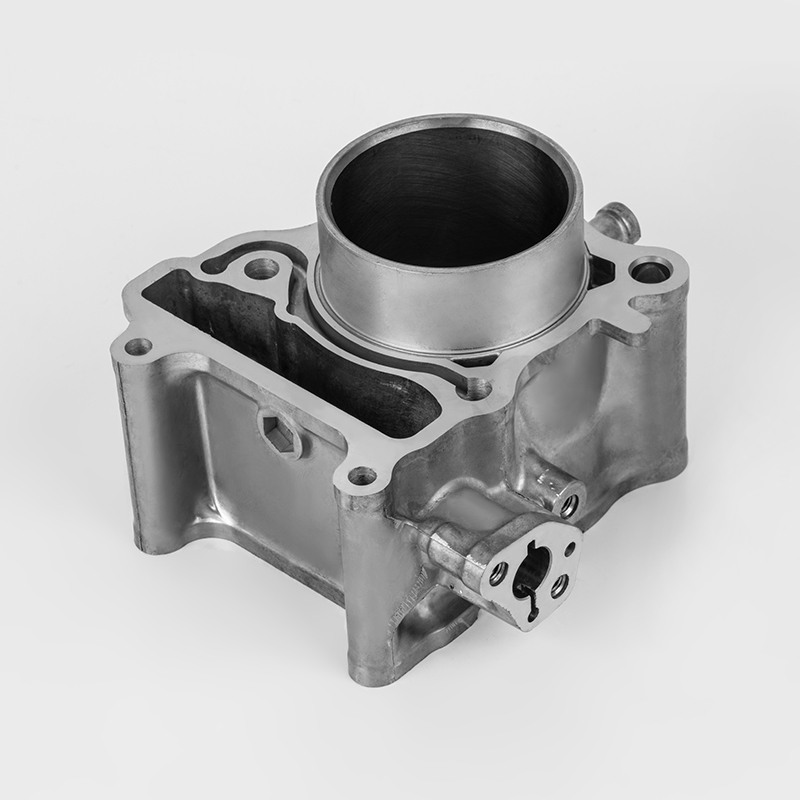
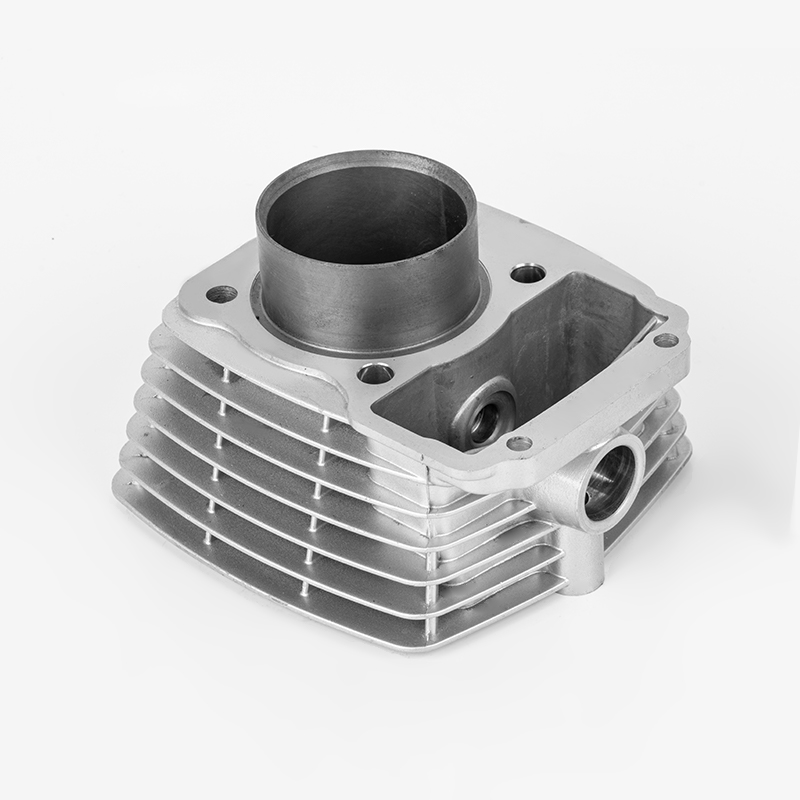 Honda CG125 Φ56.5 Aluminum Die-Cast Engine Cylinder AssemblyReplace this cylinder with your clutch service to avoid duplicate disassembly labor. The aluminum alloy build with cast iron liner matches stock bore dimensions for reliable commuter performance.View Product →
For Honda CG125 commuters, the aluminum alloy cylinder with a cast iron liner is the standard replacement when the original bore is worn beyond limit. Riders who do the clutch and cylinder at the same time avoid paying twice for the same portions of disassembly.
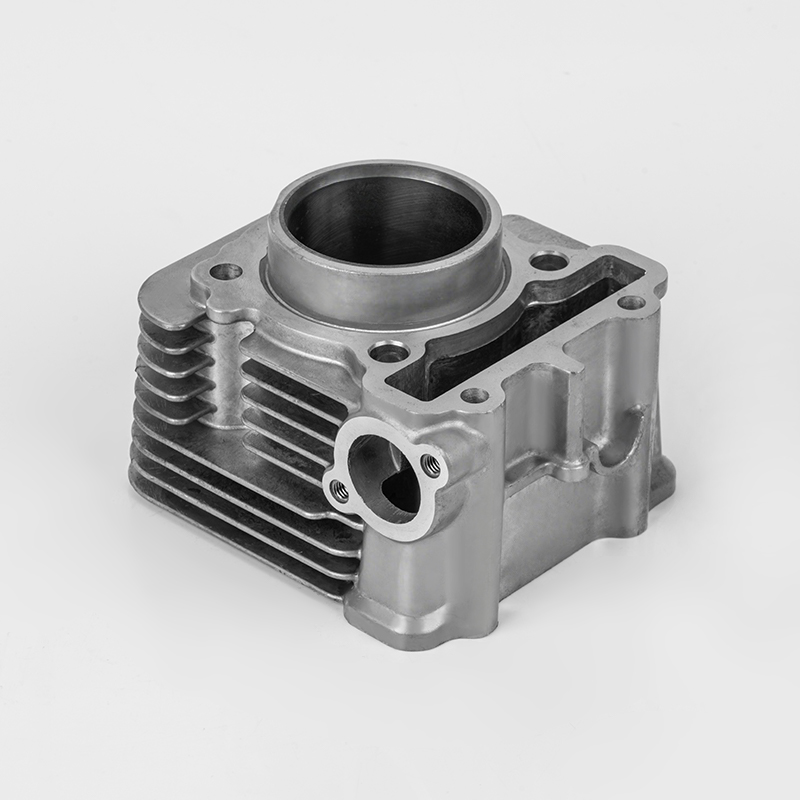
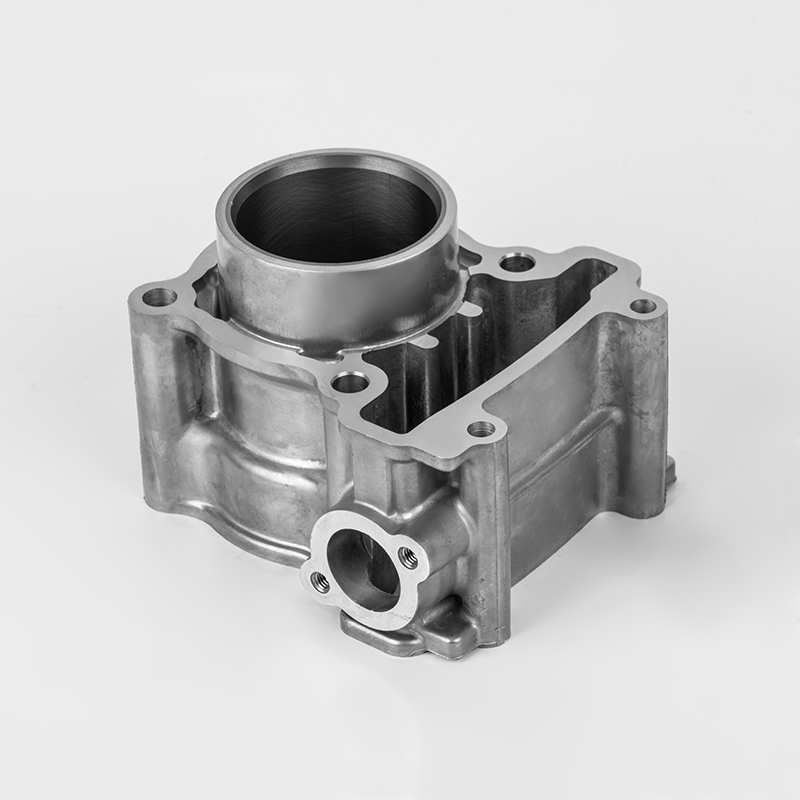
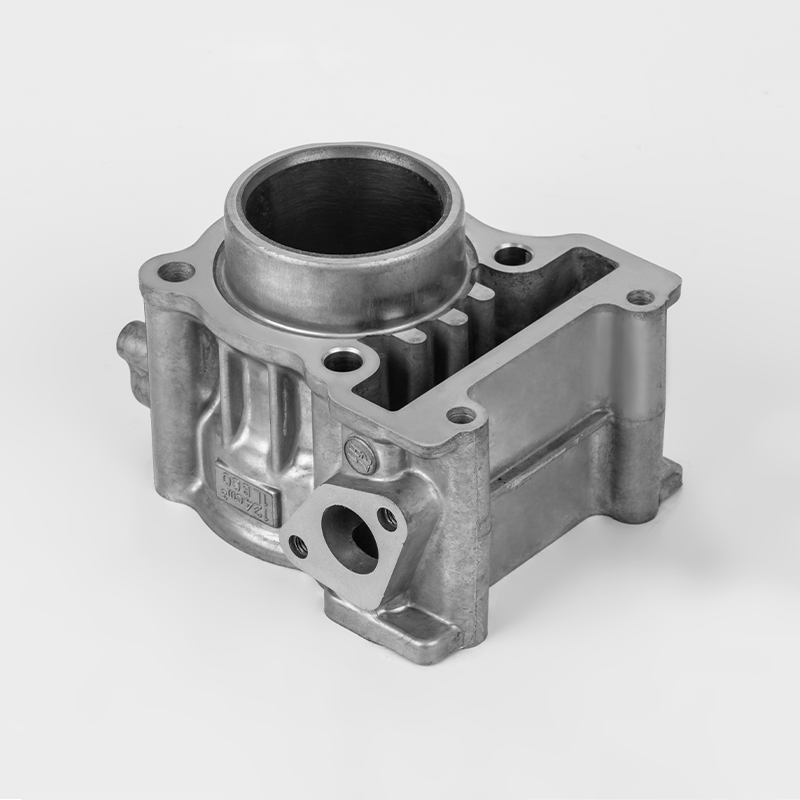
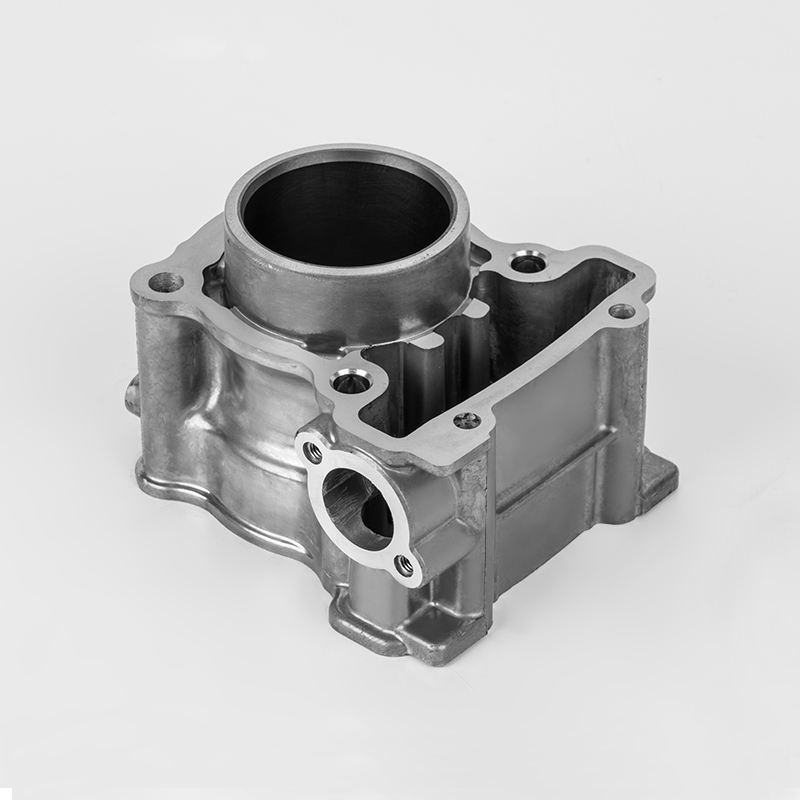
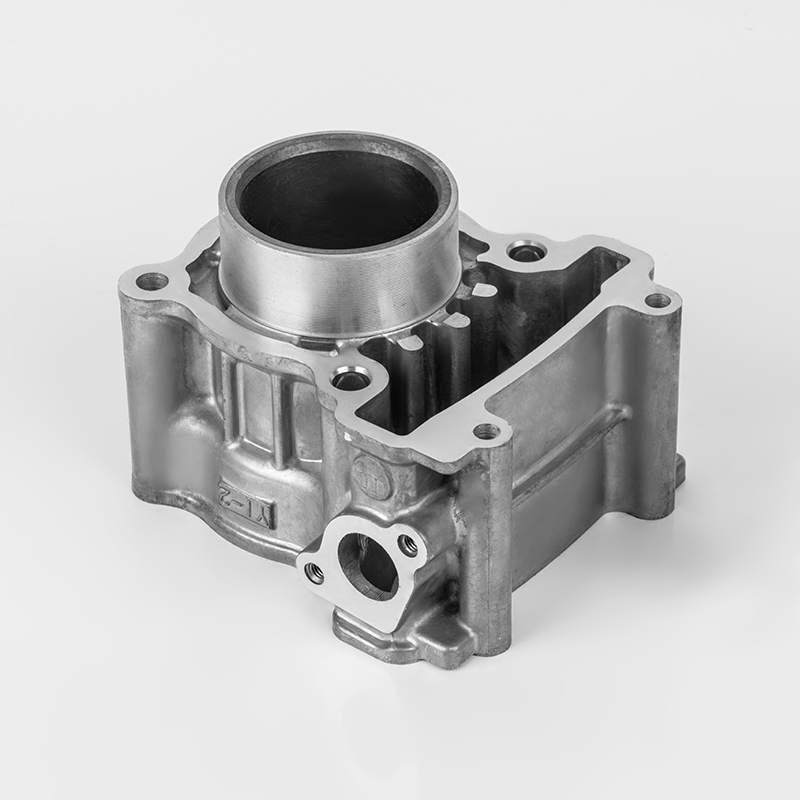 Yamaha LC135 Φ54/57 Water-Cooled Aluminum Engine CylinderWater-cooled construction keeps upper cylinder temperatures lower, which helps stabilize oil temperature near the clutch. Ideal for urban riders who inspect both systems during mid-life service.View Product →
Yamaha LC135 owners who ride hard in urban traffic should inspect both the clutch and the water-cooled cylinder bore during any mid-life service. The water-cooled aluminum construction keeps the upper cylinder cooler, which helps the adjacent clutch area retain more stable oil temperature.
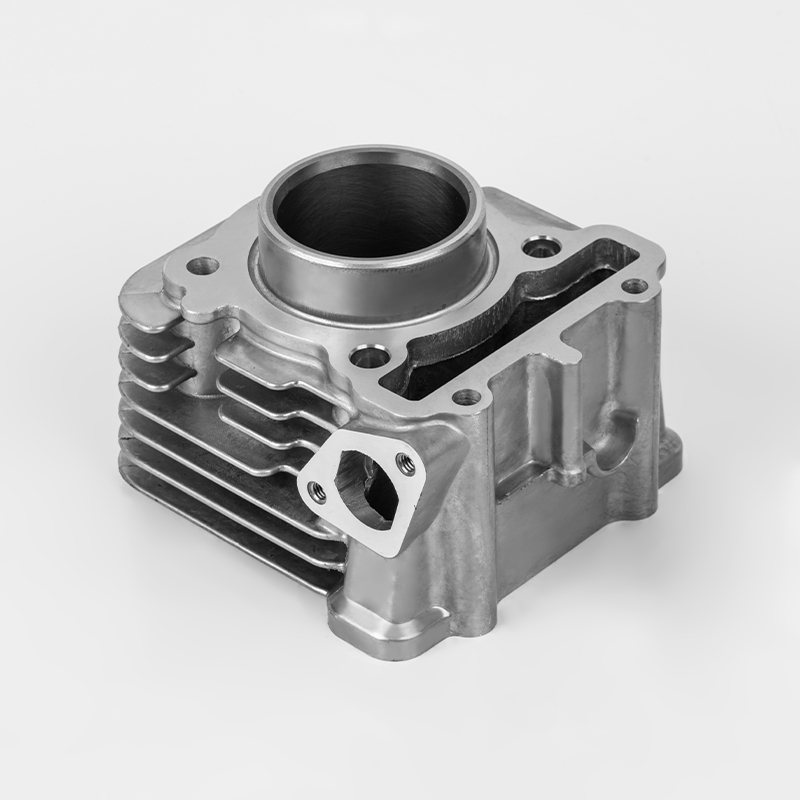
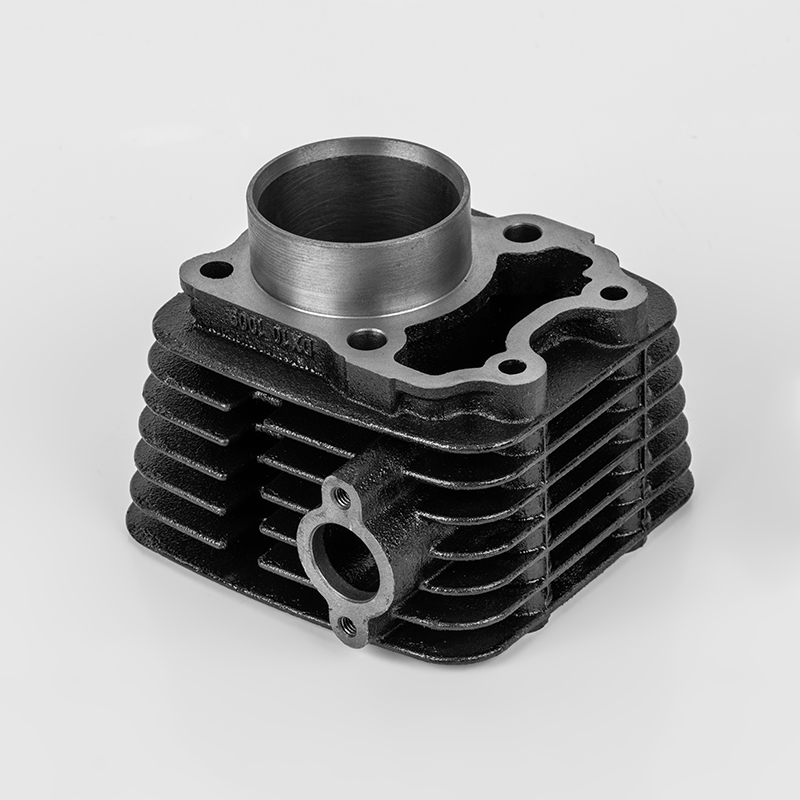 Bajaj CT100 Φ53 Cast Iron Motorcycle CylinderKnown for long service life in high-mileage commuter use. Pairing a fresh cast-iron cylinder with a new clutch restores original power delivery and sets a predictable maintenance interval.View Product →
On the cast-iron side, the CT100 series cylinder is known for long service life in high-mileage commuter use. Pairing a fresh cast-iron cylinder with a new clutch pack restores the original power delivery and gives the drivetrain a predictable service interval. If you are comparing cylinder options or checking bore limits for the first time, the motorcycle cylinder buyer's knowledge guide walks through bore sizing, material choices, and what to measure before buying a replacement.
Performance Builds: The Clutch and Cylinder Relationship
When you increase displacement, you also increase the torque that the clutch must transmit. A big-bore cylinder kit that pushes a 125 cc engine to 150 cc can raise peak torque by roughly 15 to 20 percent, depending on cam and carburetion changes. The stock clutch often cannot hold that extra torque, and the result is heavy slip during hard acceleration in third, fourth, and fifth gears.
Heat management links the two systems more than most riders realize. High-silicon aluminum alloy cylinders transfer heat away from the combustion chamber faster than older cast-iron barrels, which keeps the air flowing into the lower end and the clutch housing from reaching extreme temperatures. Lower overall engine heat helps the clutch oil retain its designed friction characteristics and slows the degradation of the friction plates.
For that reason, clutch upgrades go hand-in-hand with cylinder upgrades on a street or track bike. Up-rated springs add clamping force, and high-performance friction plates add holding power at the engagement edge. The lever pull typically increases only slightly, so most riders accept the added resistance in exchange for predictable drive and longer service life under higher torque.
Frequently Asked Questions About the Clutch on a Bike
How long does the clutch on a bike last?
Typically 20,000 to 60,000 km depending on the model, oil change discipline, and riding conditions. City bikes that spend hours in stop-and-go traffic wear clutches faster than highway bikes that cruise in high gear. A clutch that is consistently slipped at low speed can show wear limits by 15,000 km.
What does a slipping clutch feel like while riding?
Engine RPM climbs quickly under hard throttle without a matching increase in speed. In top gear at moderate speed, rolling the throttle open produces an engine flare, but the bike accelerates slowly. Under heavy load on an uphill grade, the flare becomes even more obvious.
Can thick oil make a motorcycle clutch slip?
Yes. Heavier oils such as 20W-50 change the friction balance of a wet clutch compared with the recommended grade, and oils containing friction modifiers are the wrong choice for any motorcycle with a wet clutch. If a bike recently had an oil change and then started slipping, the oil itself is the first suspect.
Why does the clutch drag even after I adjust the cable?
Dragging that remains after correct cable adjustment usually points to a warped steel plate, sticking friction plate splines, grooved basket fingers, or a bent pressure plate. The basket and plates need to be inspected directly; cable adjustment alone will not fix mechanical distortion.
Should I replace the cylinder when I replace the clutch?
Not always, but it is the right moment to measure the cylinder bore and piston ring gap. If the bore is beyond the service limit, the cylinder is scored, or oil consumption is high, do the top end at the same time and save the labor cost of a second teardown.
The clutch on a bike is a wear item with a predictable life, and it is also a diagnostic partner to the cylinder. When power delivery feels wrong, test the clutch first: check lever free play, confirm the oil level and grade, then measure the friction plates if needed. If the clutch checks out, direct your attention to the cylinder bore, rings, and valves. Handling both at the same time is the most economical way to keep a motorcycle on the road, and it is exactly how a professional shop schedules the work.