
 English
 Español
 عربى
عربى

Content
- 1 What Motorcycle Torque Actually Measures
- 2 Torque vs. Horsepower: Which One Actually Moves You?
- 3 How Riding Scenarios Change the Value of Torque
- 4 Why Torque Numbers Are Not Always Standardized
- 5 How Cylinder Design Directly Changes Torque
- 6 Selecting a Replacement Cylinder with the Correct Torque Character
- 7 Torque Specifications: Why the Tightening Numbers Matter as Much as Engine Torque
- 8 Frequently Asked Questions About Motorcycle Torque
- 8.1 Is more torque always better on a motorcycle?
- 8.2 Why do some small-displacement bikes feel torquier than larger ones?
- 8.3 Does an oversize bore always increase torque?
- 8.4 What is the difference between crankshaft torque and rear-wheel torque?
- 8.5 Can a cylinder upgrade change the torque without affecting reliability?
- 8.6 Why does torque drop off at high RPM?
- 9 The Bottom Line: Torque is the Usable Force You Feel
If you have ever compared spec sheets for two motorcycles and wondered why one makes far more torque despite having the same displacement, the answer is never about a single number. Torque defines how forcefully the engine twists the crankshaft, and that twisting force, delivered across a usable rev range, is what you actually feel when you open the throttle. In most real-world riding, torque matters more than peak horsepower because it decides how willingly a bike pulls away from a stop, overtakes a truck, or holds speed on an incline without downshifting.
For riders, mechanics, and anyone shopping for a replacement cylinder, the practical takeaway is this: higher torque at low and mid RPM makes a motorcycle easier and more pleasant to ride daily, while high-rpm horsepower dictates top-speed potential. When you select a new cylinder or plan a rebuild, bore, stroke, compression ratio, and port geometry all shift the torque curve. This guide explains how torque works, how it relates to horsepower, why torque figures are not always comparable between manufacturers, and how cylinder design changes the way your bike delivers power.
What Motorcycle Torque Actually Measures
Torque is a force that causes rotation. On a motorcycle engine, the expanding combustion gases push the piston down the bore, and that linear force is converted into rotational force at the crankshaft. Torque is measured in newton-meters (Nm) or pound-feet (lb-ft). A simple definition: torque is how hard the engine twists the crankshaft, not how fast it twists it.
The distinction matters because acceleration from a standstill depends on the force applied at the rear wheel. Suppose Bike A delivers 60 Nm of torque at 4,000 RPM and Bike B delivers 90 Nm at 6,000 RPM. For the same gearing and weight, Bike B will pull harder at its torque peak, but Bike A may feel livelier around town because its peak arrives lower in the rev range. That is why two bikes with identical displacement can feel completely different on the road.
The Physics Behind the Twisting Force
Inside a four-stroke engine, torque is generated during the power stroke. Combustion pressure acts on the piston crown, creating a force equal to pressure multiplied by the piston area. That force is transmitted through the connecting rod to the crankshaft journal. The effective lever arm is half the stroke length, so for a given combustion pressure, a longer stroke produces more crankshaft torque. This is why long-stroke engines are often described as torquey, while short-stroke engines tend to rev higher and produce more peak horsepower.
In practice, the torque curve is not flat. Airflow, valve timing, camshaft profile, and exhaust scavenging all influence how much charge enters the cylinder at different RPM. A cylinder with well-designed ports can sustain high combustion pressure across a broader RPM band, which flattens the torque curve and improves ridability.
How Riding Scenarios Change the Value of Torque
The ideal torque curve depends on where and how you ride. A delivery rider doing stop-and-go urban work wants torque available just off idle, often between 2,000 and 4,000 RPM. A sport rider on a race track wants sustained torque at the top of the rev range, where the bike needs to pull hard from one corner to the next. A touring rider wants mid-range torque between 4,000 and 7,000 RPM for constant-speed overtakes and hill climbs with full luggage.
- City commuter: Low-RPM torque between 2,500 and 4,500 RPM eliminates constant clutch slipping and gear changes.
- Tourer: Mid-range torque from 4,000 to 7,000 RPM makes overtaking effortless at highway speeds.
- Sport bike: High-RPM torque near peak power gives maximum acceleration at race speeds.
- Adventure/dual-sport: Low and mid torque helps maintain momentum on loose dirt, sand, and steep climbs.
When you modify your motorcycle for more torque, the goal is not just to raise the peak number. The better objective is to raise the torque curve over the RPM range you actually use. A cylinder kit that increases displacement from 125cc to 150cc, for example, will usually add torque throughout the curve, not just at one point.
Why Torque Numbers Are Not Always Standardized
One of the least-discussed but most important points of motorcycle torque is that manufacturer-reported figures are not as consistent as they look. A number printed in a spec sheet can be measured at the crankshaft or at the rear wheel, under different ambient conditions, and with different amounts of drivetrain loss. Real-world rear-wheel torque is typically 8 to 15 percent lower than crankshaft torque due to friction in the transmission, chain, and tire.
A rear-wheel dyno measures torque at the tire contact patch, which is what actually moves the bike. But dyno type also affects results: an inertia dyno reads lower torque numbers than an eddy-current brake dyno on the same motorcycle because the inertia dyno must accelerate a heavy drum. According to data published by Cycle World in their horsepower-versus-torque analysis, a bike tested on different dynos can show variation of 5 to 7 percent. So when comparing two motorcycles, torque figures only tell the full story if they were measured under the same conditions.
Crankshaft vs. Rear-Wheel Torque
Manufacturers who quote crankshaft figures use a bench test of the bare engine. Rear-wheel figures add the losses from the primary drive, gearbox, chain or shaft, and tire. For a typical motorcycle, the difference is noticeable. A bike that produces 70 Nm at the crank may only show 61 Nm at the rear wheel. That does not make the bike worse; it just means the two numbers measure different things. If you are comparing a new bike to a dyno graph from a magazine test, always check whether the graph is labelled as crankshaft or rear-wheel.
How Cylinder Design Directly Changes Torque
The cylinder is the core component that determines how much torque an engine can make. Bore size, stroke length, compression ratio, and port dimensions all shape the torque curve. When you select a replacement cylinder, you are not just restoring worn parts; you are choosing a torque character.
Bore and Stroke: The Two Levers of Engine Torque
For a given displacement, a longer stroke increases the moment arm acting on the crankshaft and raises torque at low and mid RPM. A larger bore allows bigger valves and better breathing at high RPM, which increases horsepower and the RPM at which peak power arrives. Replacement cylinders designed for the same engine model are usually offered in standard bore and oversize bores. An oversize bore increases displacement and torque roughly in proportion to the area increase. For example, a 50 mm bore at 125cc increased to 52.4 mm will raise displacement to around 137cc and add roughly 4 to 6 percent more torque, depending on the original design. Oversize bores are commonly used when the original cylinder is worn beyond the honing limit, but they also bring a slight torque increase during the same standard rebuild.
Compression Ratio and Torque Density
Raising the compression ratio increases the pressure acting on the piston, which directly increases torque. That is why high-compression cylinders feel noticeably punchier. A typical engine that makes 70 Nm at 8.5:1 compression will produce roughly 74 Nm at 9.5:1 with the same cam timing, according to engine tuning references. But higher compression also demands higher-octane fuel and creates more stress on the piston, rings, and gasket. If you choose a high-compression cylinder for better torque, the rest of the rotating assembly must be capable of handling the extra load.
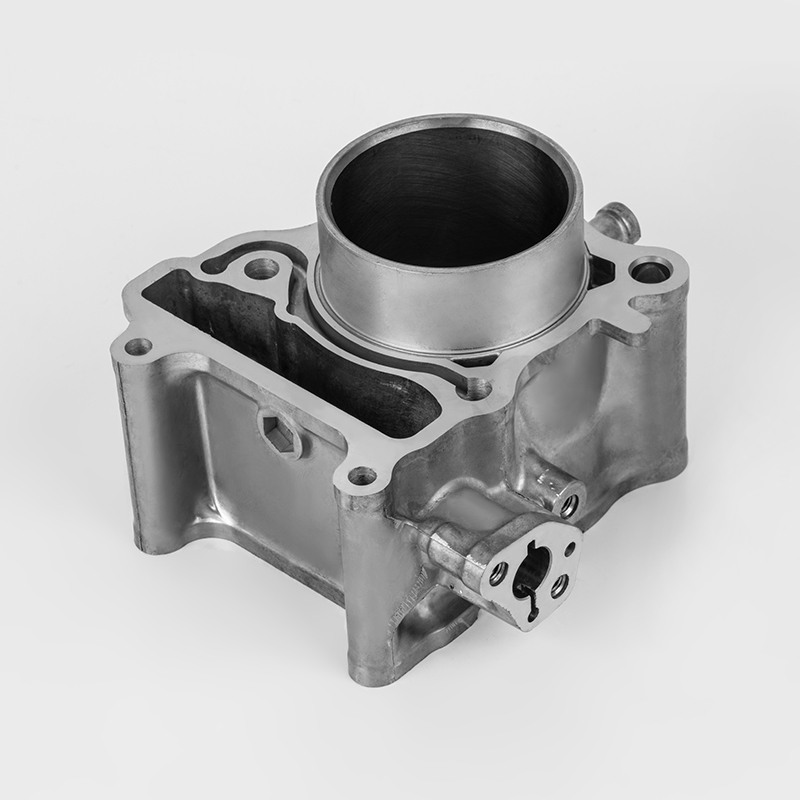
For an example of how a replacement bore is matched to an actual engine characteristic, consider a Honda CG125-style single. The standard 56.5 mm bore and 49.5 mm stroke make about 9.5 Nm. A Honda CG125 die-casting aluminum cylinder stays close to the factory bore size while restoring the original heat-transfer behavior of the aluminium barrel, which protects the torque curve from heat-related loss during sustained high-speed riding.
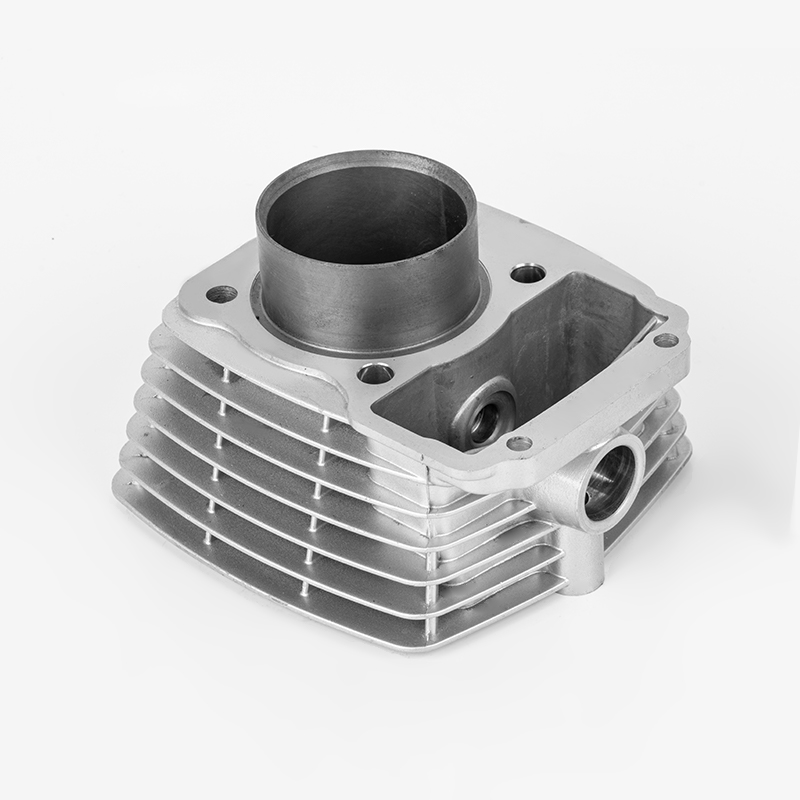 CG125 (Φ56.5) Honda die casting engine cylinder assembly Suppliers, Wholesale FaNingbo Daxie Development Tianshan Cylinder Block Co., Ltd is China wholesale CG125 (Φ56.5) Honda die casting engine cylinder assembly sup...View Product →
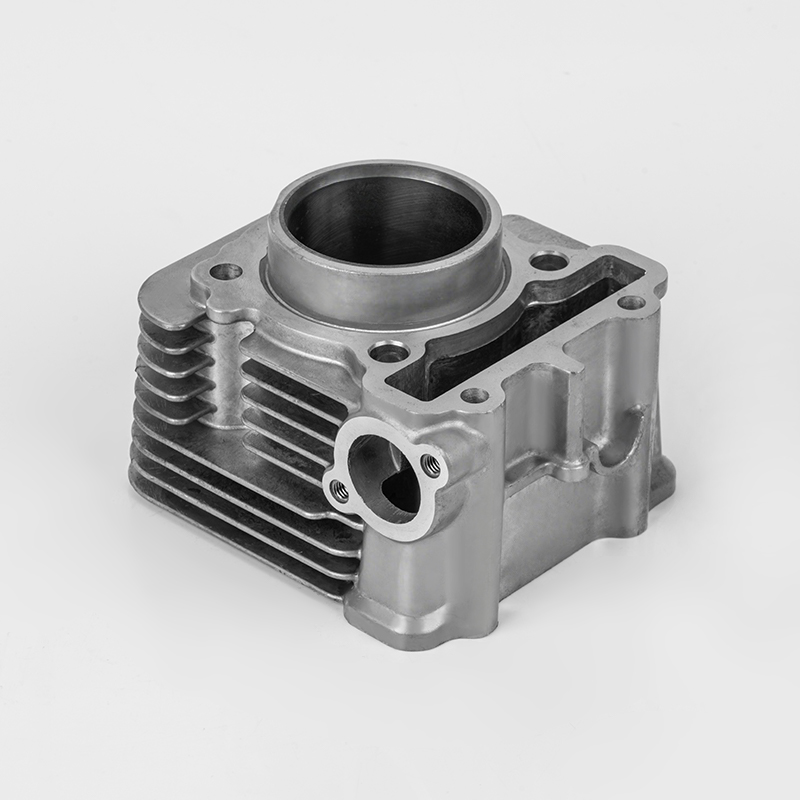
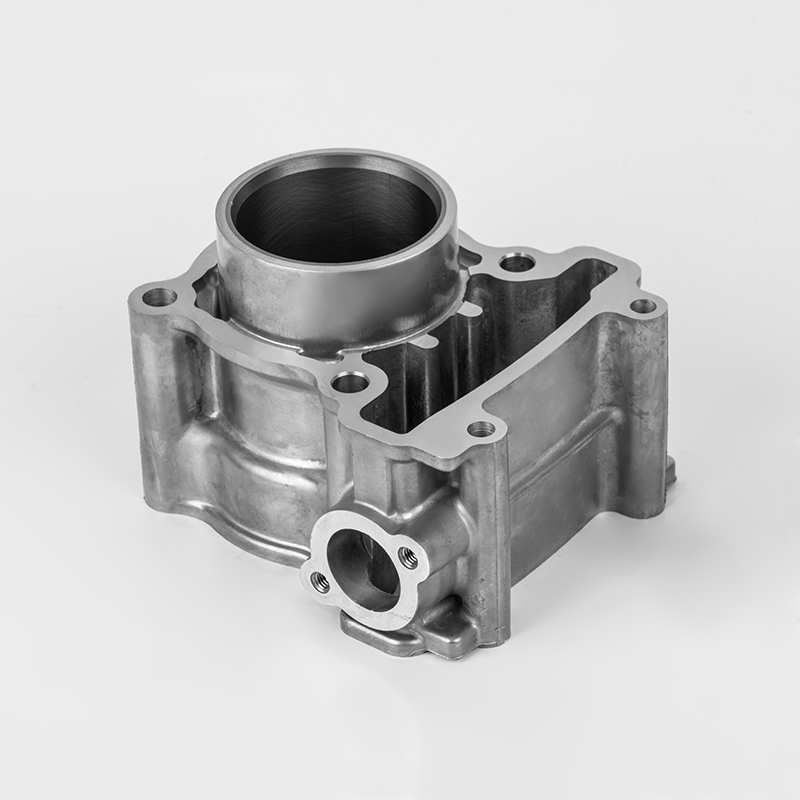
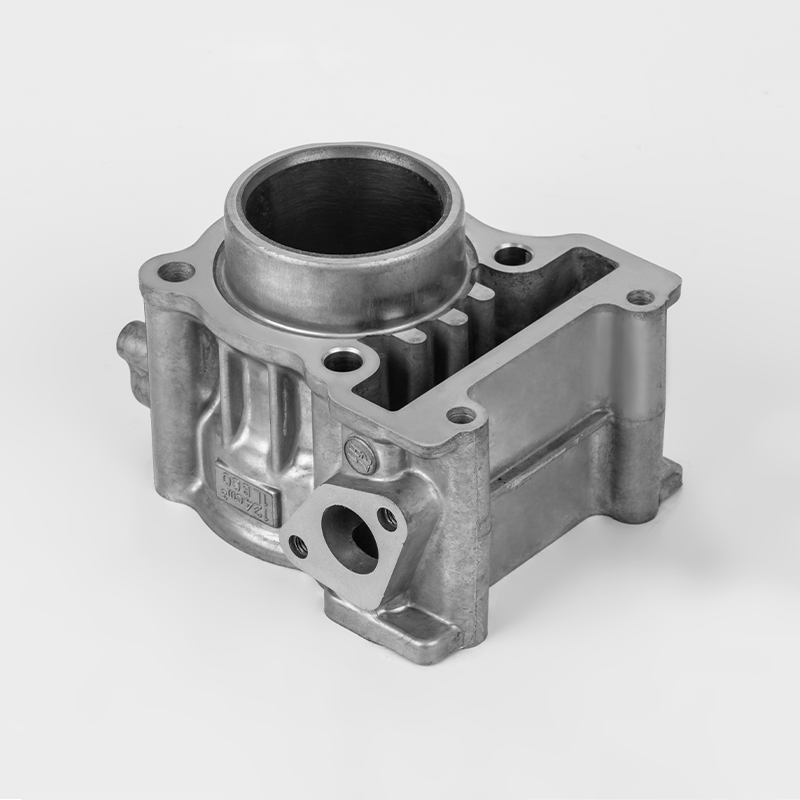
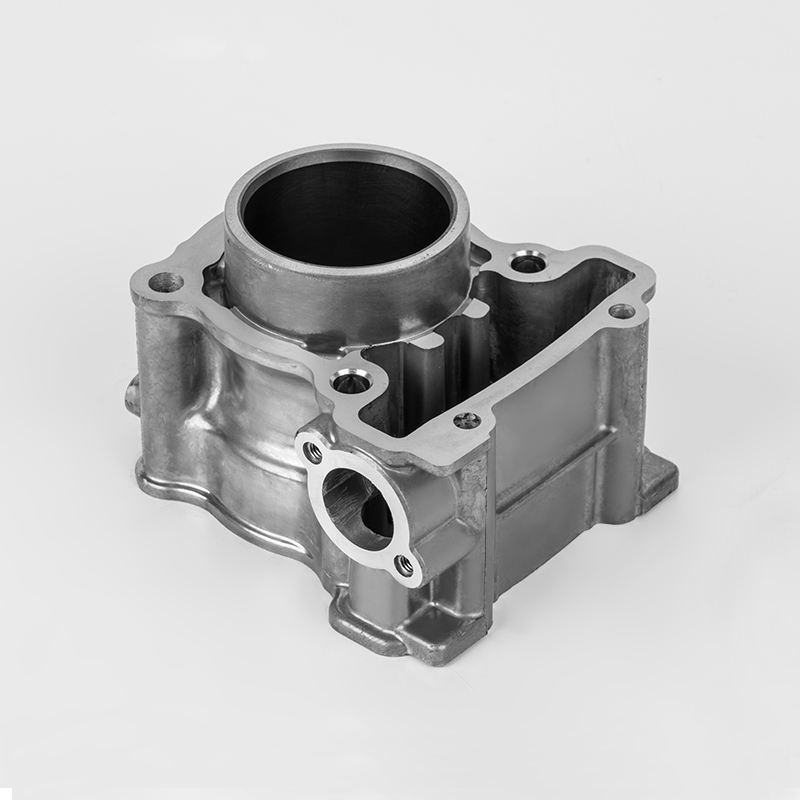
The relationship also extends to liquid-cooled engines. A Yamaha LC135 water-cooled aluminium cylinder uses controlled wall temperature to keep intake charge density high, which preserves torque in the 6,000 to 9,000 RPM band where the engine does most of its overtaking. Water cooling prevents the hot-spot formation that can cause detonation and pull timing out of the ignition map.
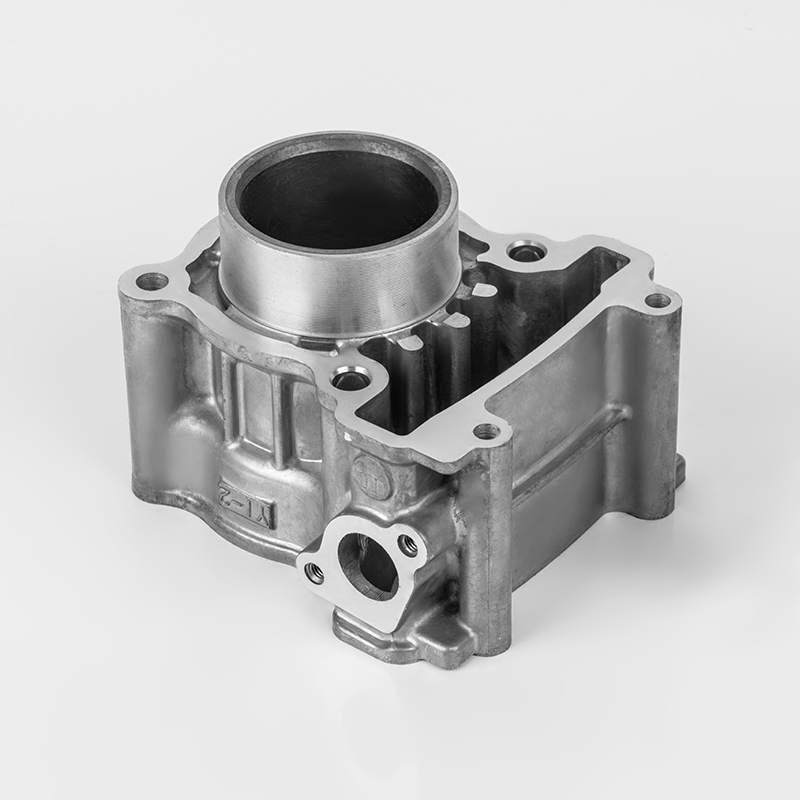 LC135 (Φ54/57) Yamaha water-cooled aluminum engine cylinder Suppliers, WholesaleNingbo Daxie Development Tianshan Cylinder Block Co., Ltd is China wholesale LC135 (Φ54/57) Yamaha water-cooled aluminum engine cylinder ...View Product →
Selecting a Replacement Cylinder with the Correct Torque Character
When repairing a worn engine, many riders simply order the same cylinder that came from the factory. That is a safe choice, but it may not be the best one. Cylinder selection depends on the engine code, the bore size currently installed, and how the bike is used. If your daily commute involves a lot of hills and passenger duty, a slightly larger bore with a matching piston and rings will give you a measurable torque improvement. If the engine is a high-revving small-displacement unit, an oversize bore will also help you keep up with traffic.
- Confirm the exact engine code: The same model name can have different bore sizes in different markets. A CG150, for example, uses a 62 mm bore, while a CG125 uses 56.5 mm.
- Check the existing bore size: If the old cylinder is already at maximum oversize, you need a new barrel, not another rebore.
- Match port layout to your riding: A cylinder with larger ports shifts the torque peak higher; smaller ports raise low-RPM torque.
- Consider piston weight: Heavier pistons reduce the engine’s ability to rev and can actually lower peak torque at high RPM.
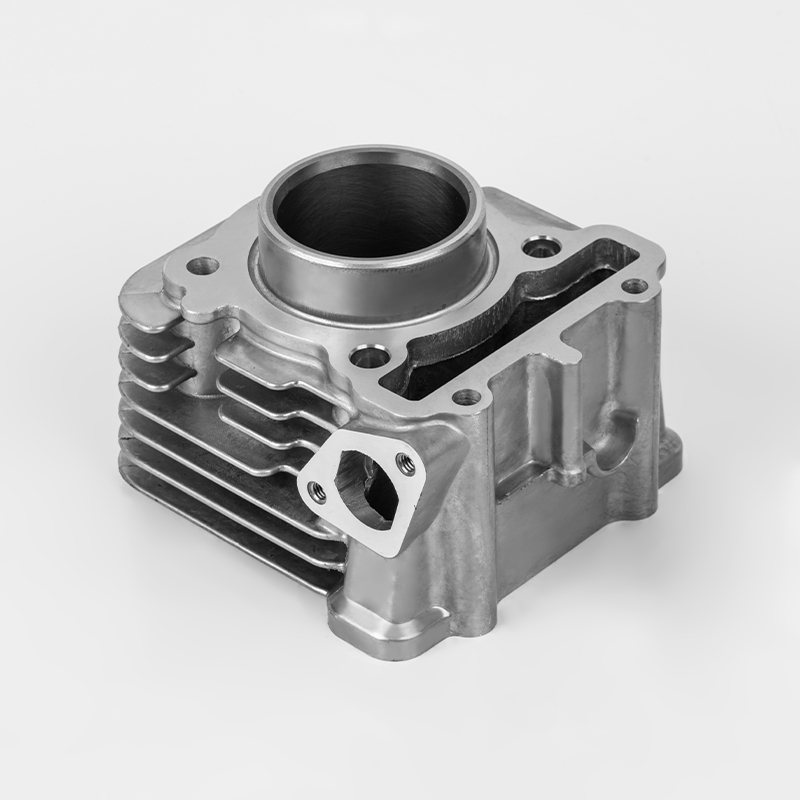
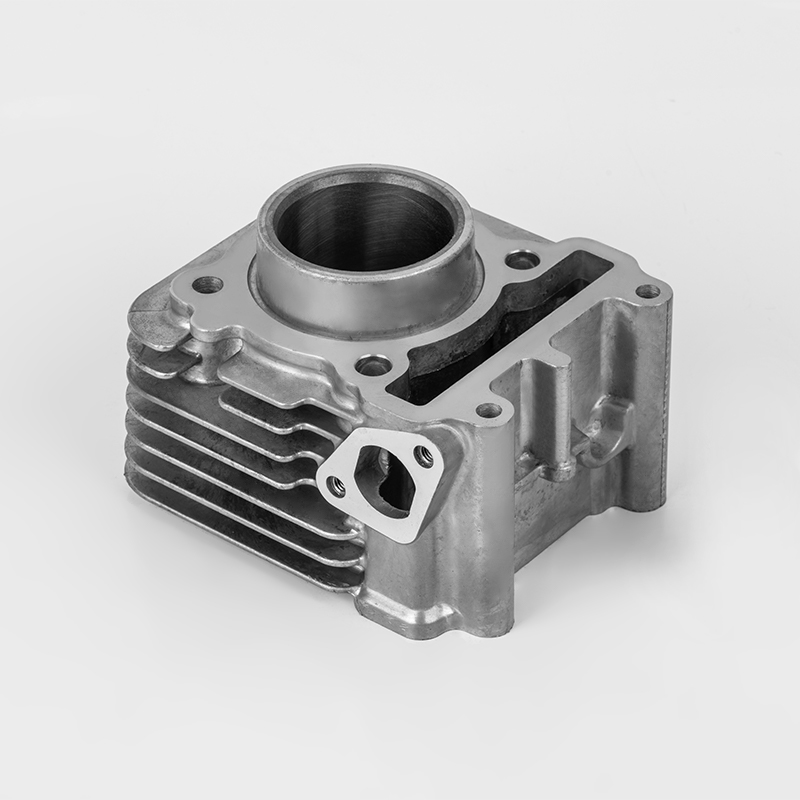
If you are working on a small single-cylinder engine that is used for daily transport, a cast-iron barrel with a durable nickel coating can hold its torque character longer under high heat and load cycling. For details on which iron-cylinder models serve that purpose, check the iron motorcycle cylinder series buyer knowledge guide. One example in this category is the CT100 high-precision durable cast-iron motorcycle cylinder, which keeps cylinder roundness under sustained heat, preserving combustion pressure and torque over the full service life.
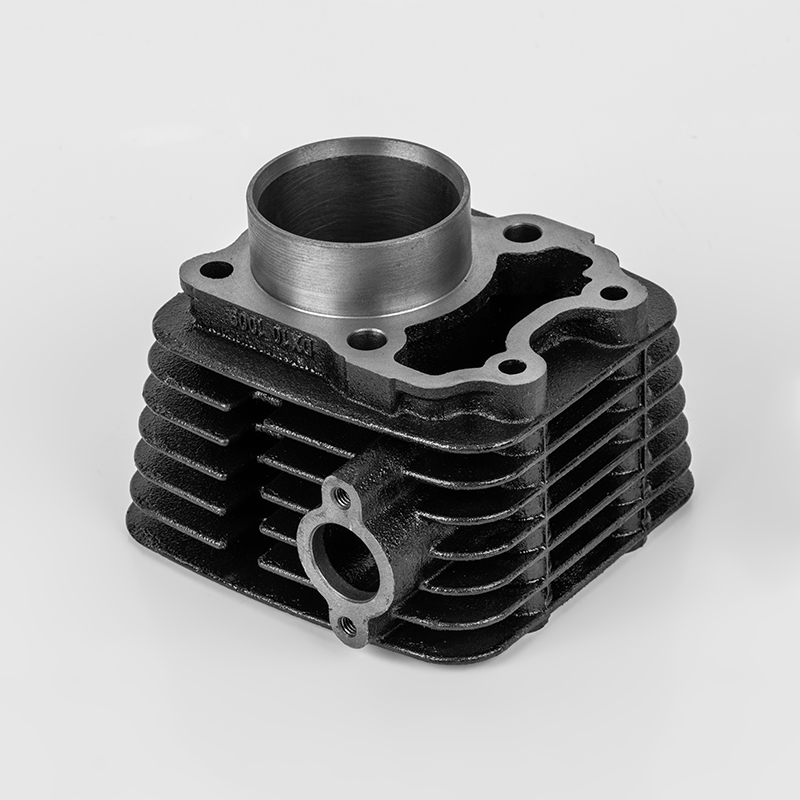 CT100 (Φ53) high-precision durable cast iron motorcycle cylinder Suppliers, WholNingbo Daxie Development Tianshan Cylinder Block Co., Ltd is China wholesale CT100 (Φ53) high-precision durable cast iron motorcycle cyli...View Product →
Torque is also affected by how carefully the cylinder is installed. For more guidance on the mechanical side, the complete motorcycle cylinder replacement guide explains the correct fitting sequence, lubrication steps, and torque specifications for the cylinder head fasteners. A properly torqued cylinder head keeps the gasket sealing evenly, which prevents compression loss and preserves the torque that the cylinder is designed to produce.
Torque Specifications: Why the Tightening Numbers Matter as Much as Engine Torque
This is where the word torque takes on a second meaning: the tightening torque applied to bolts. When a cylinder is installed, every fastener has a specified tightening load in Nm. If the cylinder head bolts are over-tightened, the threads can yield or the cylinder can distort. If they are under-tightened, the head gasket can leak combustion pressure, and the engine will lose exactly the sort of low-end torque you are trying to maintain.
Small motorcycle cylinders, especially the common 125cc to 250cc single-cylinder engines, typically call for cylinder head nut torques between 15 and 30 Nm. Larger twins can require 40 to 50 Nm. Always use a quality torque wrench, and if the cylinder is installed with aluminium fasteners, apply the values for the dry or lightly oiled condition as specified in the workshop manual. A 1 Nm mistake on a small-bore cylinder can be the difference between a perfect seal and a slow coolant or compression leak.
Frequently Asked Questions About Motorcycle Torque
Is more torque always better on a motorcycle?
Not always. More torque at the expense of RPM range can make a motorcycle feel stronger but also harder to ride smoothly. What matters is the shape of the torque curve and how it matches your riding conditions. A broad, predictable torque curve is generally more useful than a narrow peak.
Why do some small-displacement bikes feel torquier than larger ones?
Weight, gearing, and torque curve shape all affect the feeling of torque. A light 125cc bike with short gearing can feel punchy around town, even though its absolute torque figure is low. A heavy 600cc bike may produce three times more torque but need higher RPM to accelerate because it weighs more and has taller gearing.
Does an oversize bore always increase torque?
An oversize bore increases displacement and usually increases torque across the curve, but the gain is not guaranteed. If the cylinder head ports and carburetor or fuel injection settings are not adjusted for the larger displacement, the engine may run lean and lose torque at certain RPM.
What is the difference between crankshaft torque and rear-wheel torque?
Crankshaft torque is measured at the engine output shaft before any transmission losses. Rear-wheel torque is measured at the tire and includes drivetrain losses, which are typically 8 to 15 percent. Rear-wheel torque is what you physically feel, but manufacturers usually quote crankshaft figures.
Can a cylinder upgrade change the torque without affecting reliability?
Yes, if the cylinder is matched to the correct piston, rings, gasket, and fuel delivery. A high-quality replacement cylinder with proper clearances and a compatible compression ratio can raise torque without sacrificing durability. The key is to ensure that the cylinder material and manufacturing tolerances are appropriate for the engine duty cycle.
Why does torque drop off at high RPM?
At high RPM, the engine cannot fill the cylinders with a fresh air-fuel mixture because of intake restriction, valve float, or insufficient valve open time. Combustion pressure then falls, and torque drops. This is also why modified engines often use larger ports and higher-lift camshafts to push the torque peak higher.
The Bottom Line: Torque is the Usable Force You Feel
Forget the spec-sheet contest for a moment. Motorcycle torque tells you how forcefully the engine responds when you roll on the throttle, and where in the rev range that response is strongest. The right cylinder, properly matched to your bike and riding style, can shift that response exactly where you want it:
- For commuting: Choose a cylinder and bore that strengthen low-RPM torque.
- For touring: Focus on mid-range torque where you spend most highway time.
- For performance: Match the cylinder’s RPM character to the rest of the intake and exhaust setup.
Before buying a replacement cylinder, confirm the bore, engine code, and the range of spare parts available for that platform. A compatible cylinder from a manufacturer with dedicated aluminum motorcycle cylinder production lines ensures that the cylinder wall finish, alloy, and machining tolerances match the piston and rings you intend to run.