
 English
 Español
 عربى
عربى

Content
- 1 Motorcycle Displacement: The Direct Answer
- 2 How Displacement Is Calculated and Why 650 Is Almost Never Exactly 650
- 3 Motorcycle Displacement Categories, From 50 CC to 1000 CC Plus
- 4 Displacement, Torque and Cylinder Count: Why Two 650s Can Feel Completely Different
- 5 Real-World Impact: Speed, Fuel Use and Maintenance by Displacement
- 6 How to Choose the Right Displacement for the Way You Ride
- 7 Displacement Is Only the Starting Point When Buying a Replacement Cylinder
- 8 Three Displacement Myths, Checked Against the Spec Sheet
- 9 Motorcycle Displacement: Frequently Asked Questions
- 9.1 What exactly does cc mean on a motorcycle?
- 9.2 Why is a motorcycle advertised as 650 actually 645 or 649 cc?
- 9.3 Which displacement is best for a new rider?
- 9.4 Can I increase displacement by installing a bigger cylinder?
- 9.5 Does more displacement always mean more fuel consumption?
- 9.6 What is the difference between displacement and horsepower?
- 10 Final Thoughts: Read Displacement First, Decide With Torque and Weight
Motorcycle Displacement: The Direct Answer
Motorcycle displacement is the total swept volume of every cylinder in the engine, expressed in cubic centimeters (cc). It is the first specification on any motorcycle datasheet because it defines how much air and fuel the engine can process during one revolution. That charge size sets the realistic ceiling for power and torque, which is why the 125, 250, 650 and 1000 cc segments have produced such different riding experiences for decades.
Here is a concrete example before we go further. A single-cylinder engine with a 56.5 mm bore and a 49.5 mm stroke gives a swept volume of 124.1 cc, and the manufacturer labels it a 125. A parallel twin with 81 mm bores and a 62.6 mm stroke gives 645.1 cc, and the manufacturer labels it a 650. The badge is an approximate class name, while the computed value is the true displacement. In replacement and tuning work, that small difference matters constantly.
The one-sentence answer: displacement tells you the size of the engine's appetite; cylinder layout, tuning, weight and gearing tell you how that appetite is delivered. Read the cc figure first, but never buy a motorcycle on displacement alone.
The rest of this guide covers the calculation, the standard displacement categories, torque and power expectations, real-world speed and fuel results, and the part of the topic that spare-parts buyers deal with every day: what displacement actually means when a cylinder needs to be replaced.
How Displacement Is Calculated and Why 650 Is Almost Never Exactly 650
The definition published in engineering references is simple: displacement is the volume swept by all pistons between the lowest and highest points of their stroke, excluding the combustion chamber. The standard math used by engine designers and parts engineers is:
Displacement (cc) = 0.7854 x bore (mm) squared x stroke (mm) x number of cylinders / 1000
The factor 0.7854 is Pi divided by 4. Bore is the cylinder diameter, stroke is the distance the piston travels, and the result is converted from cubic millimeters to cubic centimeters by dividing by 1000. If you measure either dimension in inches instead of millimeters, the same formula produces cubic inches; the cc unit simply means cubic centimeters, and one cubic inch equals about 16.4 cc.
Worked example: the classic 125 single
Take the widely used 125 class single-cylinder engine with a 56.5 mm bore and a 49.5 mm stroke: 0.7854 x 56.5 x 56.5 = 2506.9 mm squared; multiplied by 49.5 mm stroke gives 124,090 cubic millimeters, or 124.1 cc. That is why the bike is called a 125 even though the number under the badge is 124.
Real production examples that round up or down
| Model | Badge | Actual displacement | Bore x stroke | Cylinders |
|---|---|---|---|---|
| Yamaha MT-07 | 700 | 689 cc | 80 x 68.6 mm | 2 |
| Suzuki SV650 | 650 | 645 cc | 81 x 62.6 mm | 2 |
| Kawasaki Ninja 650 | 650 | 649 cc | 83 x 60 mm | 2 |
| Honda CB650R | 650 | 649 cc | 67 x 46 mm | 4 |
Why the numbers never land perfectly on the badge
- The design target is torque and power at a chosen rpm, not a round displacement. Engineers pick bore and stroke first, and the final volume is whatever the geometry produces.
- Bore and stroke are rounded to whole or half millimeters so piston rings, cylinder sleeves and gudgeon pins can use standard tooling. A 6 mm difference in stroke can change displacement by several cc.
- The same engine family is often stretched or shortened to create multiple displacements. One cylinder block design can serve a 650 class, a 700 class and a 750 class with different crankshaft strokes, which is why one budget twin can be sold at 645, 649 or 689 cc depending on the version.
Motorcycle Displacement Categories, From 50 CC to 1000 CC Plus
Displacement classes are the quickest way to compare motorcycles because each band has a predictable relationship with power, weight and intended use. The table below reflects current production motorcycles and the ranges that most riders recognize from dealer showrooms and classified listings.
| Class | Usual power | Typical top speed | Best suited for |
|---|---|---|---|
| 50 - 125 cc | 4 - 15 hp | 60 - 110 km/h | City commuting, delivery work, first bike |
| 126 - 250 cc | 15 - 35 hp | 110 - 140 km/h | Daily commuting, light highway, learner-friendly |
| 251 - 400 cc | 35 - 55 hp | 140 - 175 km/h | Mixed city and highway, light touring |
| 401 - 600 cc | 55 - 120 hp | 180 - 250 km/h | Sport and all-rounder riding |
| 601 - 750 cc | 60 - 120 hp | 170 - 230 km/h | Touring, versatile nakeds, big singles |
| 751 - 1000 cc | 100 - 180 hp | 250 - 300 km/h | Sport touring, large nakeds, fast highway riding |
| Above 1000 cc | 150 - 220 hp | 290 km/h or more | Superbikes, hyper-nakeds, track-focused machines |
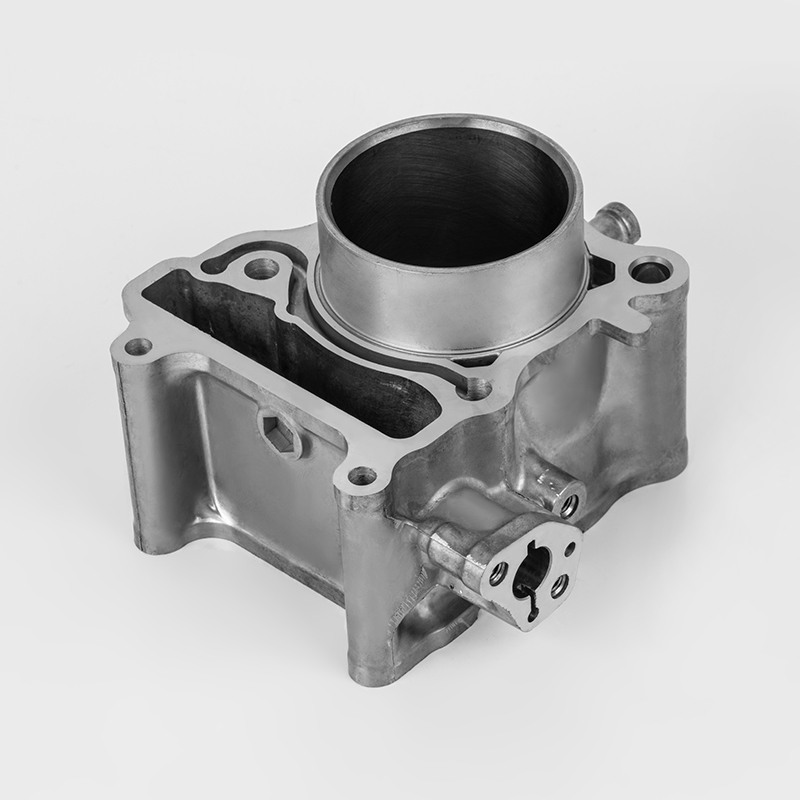
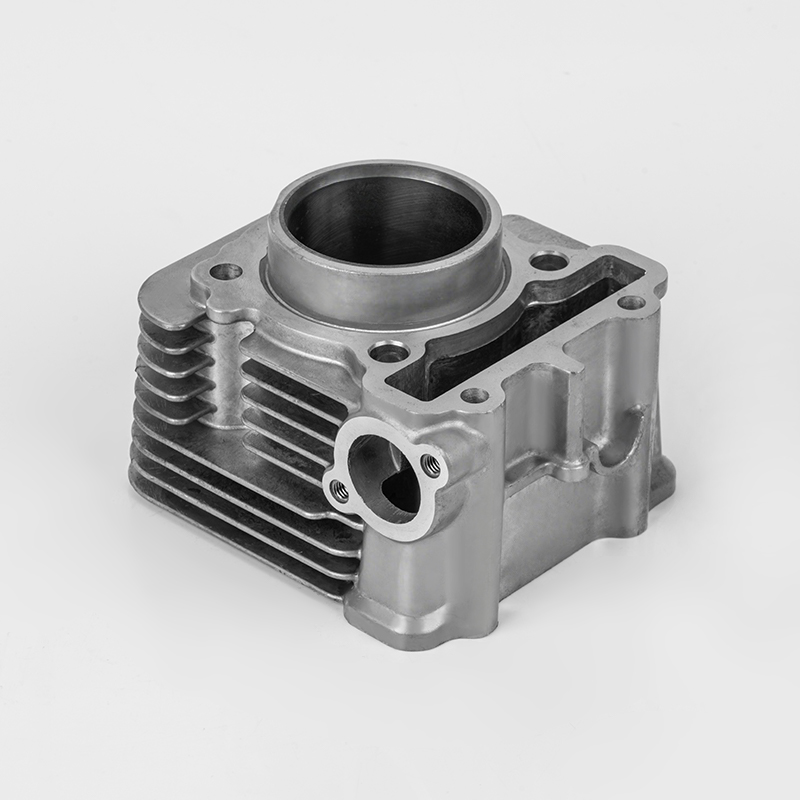
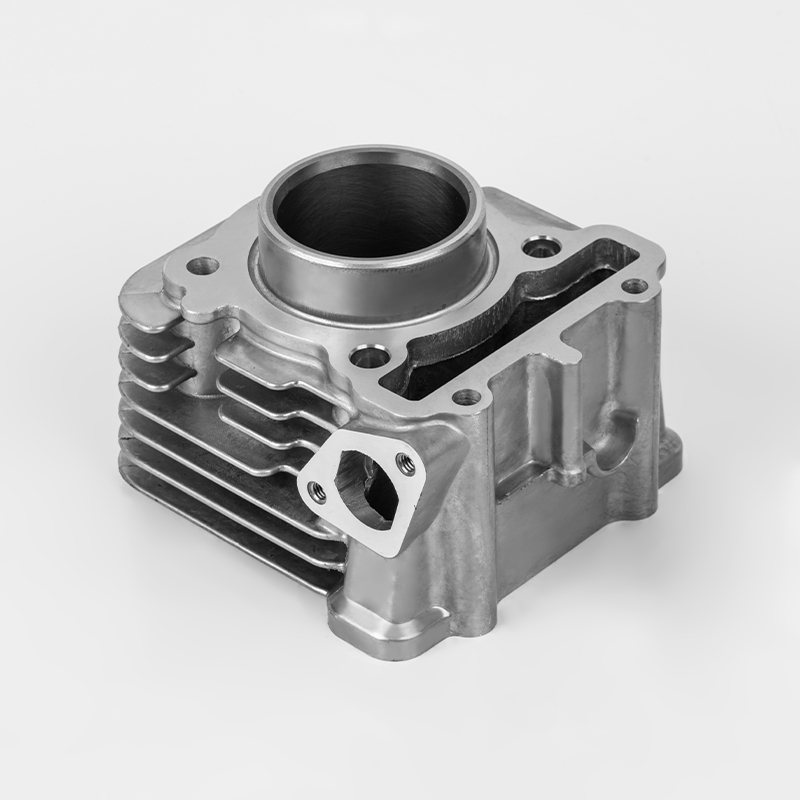
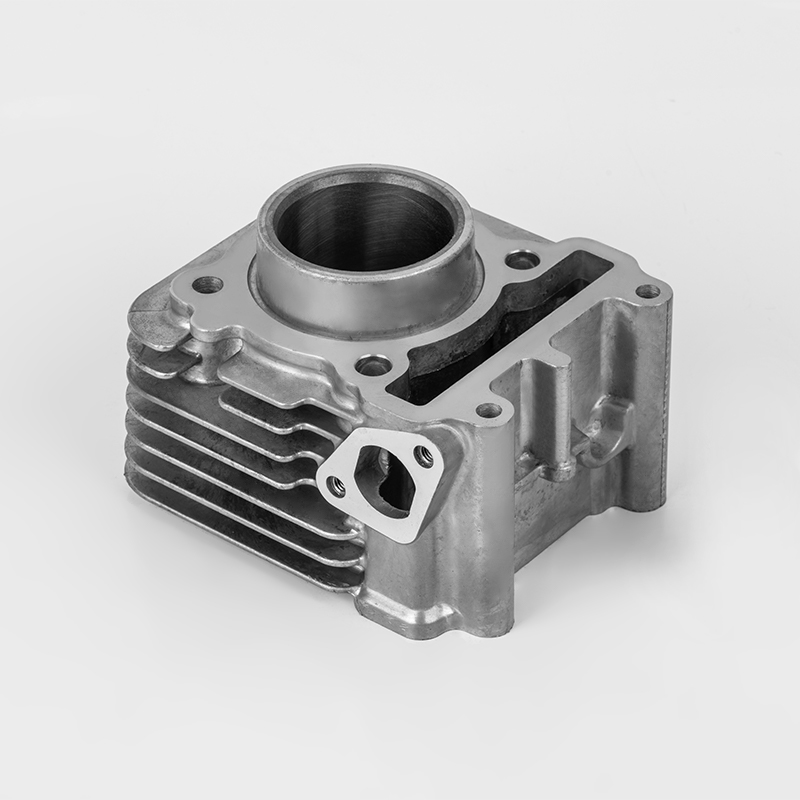
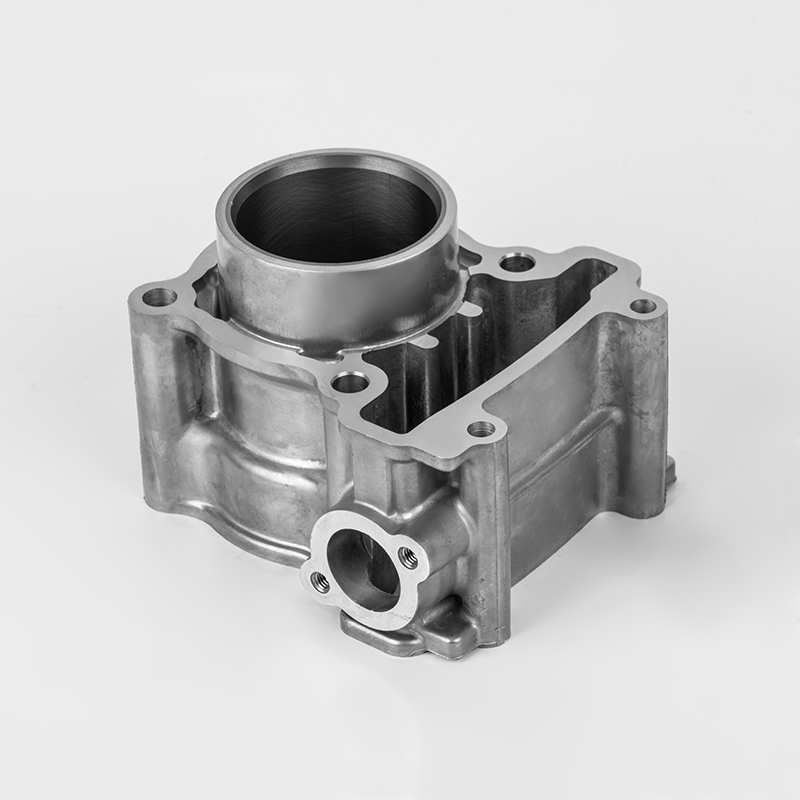
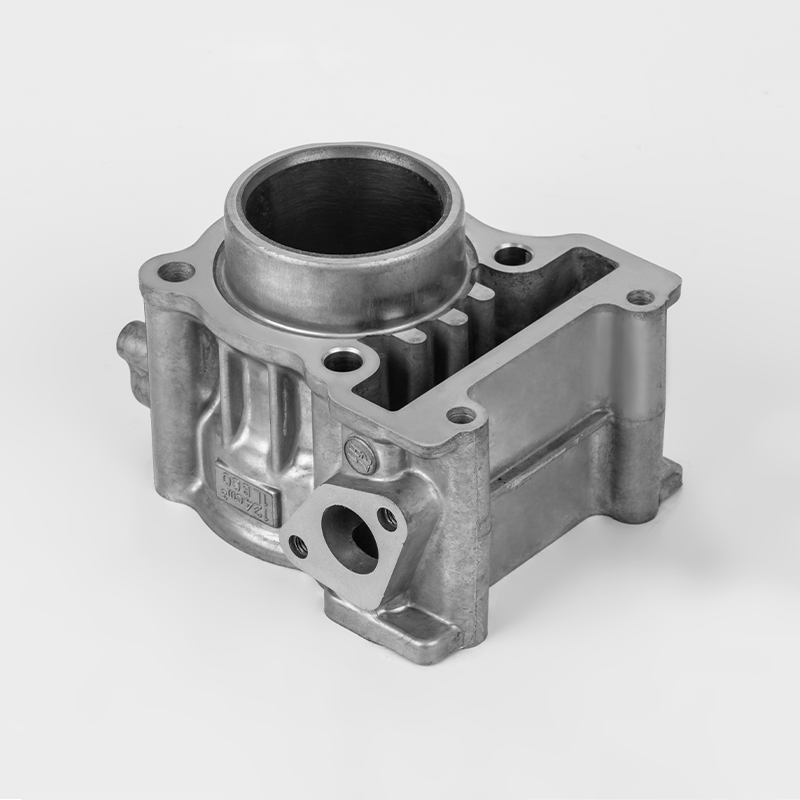
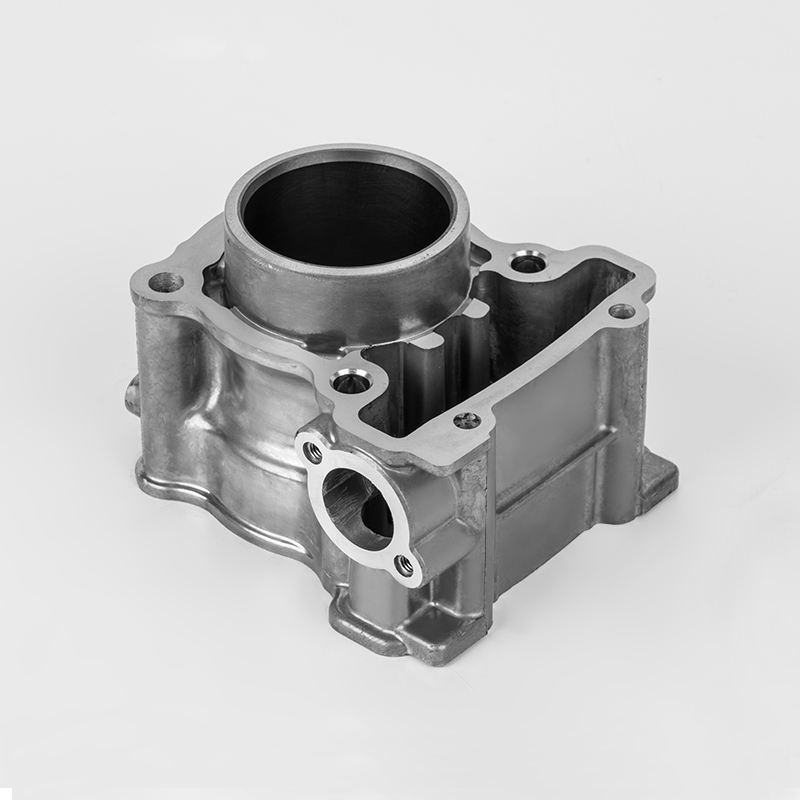
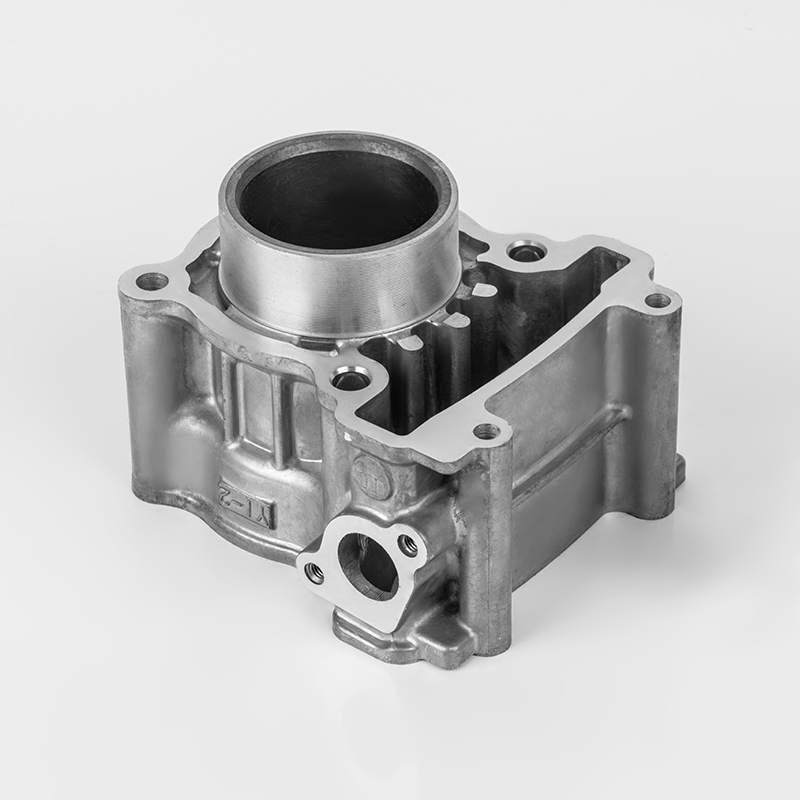
Within the 50 to 125 cc band, most motorcycle parts are service and replacement items, and a cylinder is usually bought as a complete assembly with piston, rings and gudgeon pin. The most documented reference in this class is the Honda CG125, a 124.1 cc single whose cylinder keeps the classic 56.5 mm bore. For that reason, the Honda CG125 die-casting engine cylinder assembly is one of the most frequently requested replacement units in emerging markets.
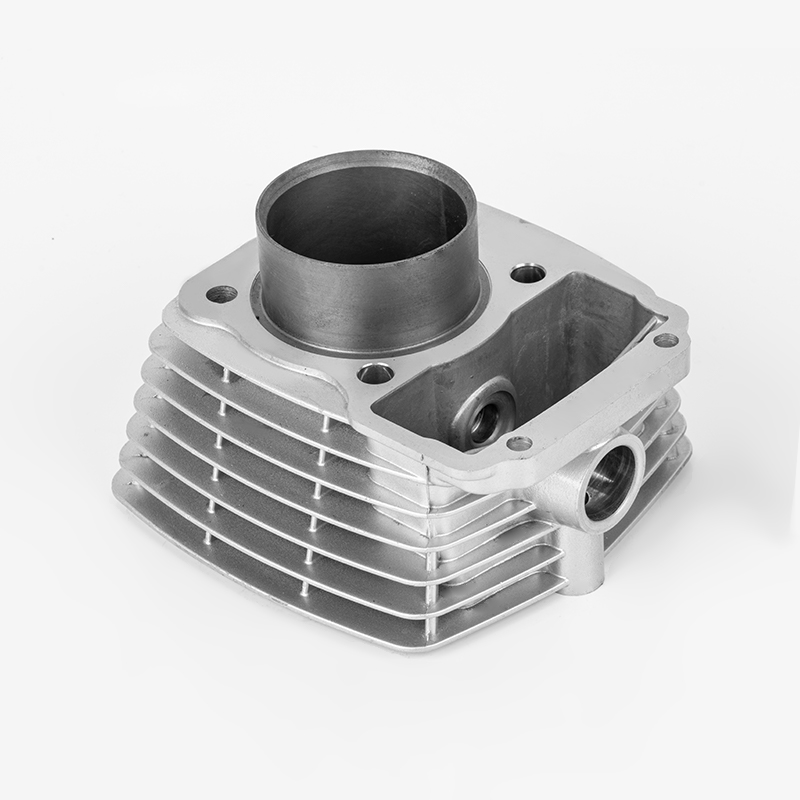 CG125 (Φ56.5) Honda die casting engine cylinder assembly Suppliers, Wholesale FaNingbo Daxie Development Tianshan Cylinder Block Co., Ltd is China wholesale CG125 (Φ56.5) Honda die casting engine cylinder assembly sup...View Product →
The 126 to 250 cc class is the largest single-cylinder segment in Asia and Latin America, with 150, 160 and 200 cc machines dominating commuter traffic. The Honda CG250 sits near the top of this band: its 67 mm bore, combined with the original 70.8 mm stroke, produces 249.6 cc, just under the 250 badge. The Honda CG250 aluminum alloy motorcycle cylinder is a direct replacement reference for this displacement because it preserves the exact bore geometry needed to keep the engine within factory specifications.
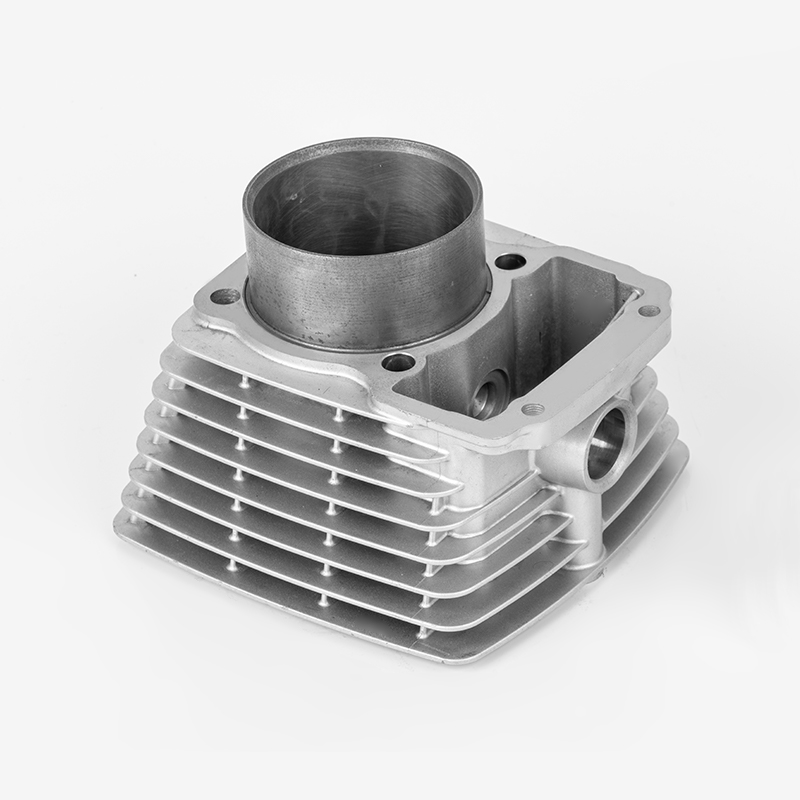 CG250 (Φ67) aluminum alloy Honda motorcycle cylinder die casting Suppliers, WholNingbo Daxie Development Tianshan Cylinder Block Co., Ltd is China wholesale CG250 (Φ67) aluminum alloy Honda motorcycle cylinder die cas...View Product →
Displacement, Torque and Cylinder Count: Why Two 650s Can Feel Completely Different
Displacement sets the torque ceiling. A 649 cc engine cannot produce the peak torque of a 1000 cc engine with similar technology, because torque is fundamentally a function of the air-fuel charge per revolution. But cylinder layout decides where that torque appears in the rev range, and that is the difference riders feel most.
| Layout | Usual cc | Power | Torque | Character |
|---|---|---|---|---|
| Single 250 | 250 | 20 - 30 hp | 20 - 26 Nm | Low-rev friendly, simple, economical |
| Single 650 | 650 | 40 - 50 hp | 50 - 60 Nm | Strong mid-range, heavy vibration without balancer |
| Parallel twin 650 | 645 - 649 | 55 - 70 hp | 55 - 66 Nm | Flexible, easy delivery, smooth highway cruising |
| Inline four 600 | 599 - 636 | 110 - 120 hp | 55 - 65 Nm | Peaky, needs high rpm, rewarding on track |
| Inline four 1000 | 998 - 1001 | 150 - 215 hp | 100 - 130 Nm | Explosive top-end, huge torque reserve |
Why the number of cylinders matters more than the exact cc
A single-cylinder 250 delivers its torque early, often peaking around 6000 rpm, which makes it ideal for stop-and-go traffic. A 600 cc four-cylinder makes similar peak torque but only near 11,000 rpm, so the same displacement feels anaemic in the city and frantic on a highway. This is why displacement class and cylinder layout must be read together. The water-cooled 700 cast-iron cylinder series, with its 102 mm bore, represents the large single-cylinder approach used in ATVs and utility machines, where the priority is dependable low-end torque rather than peak horsepower. For buyers who work on this type of engine, the comprehensive guide to the iron motorcycle cylinder series explains how the cast-iron material behaves under heavy load.
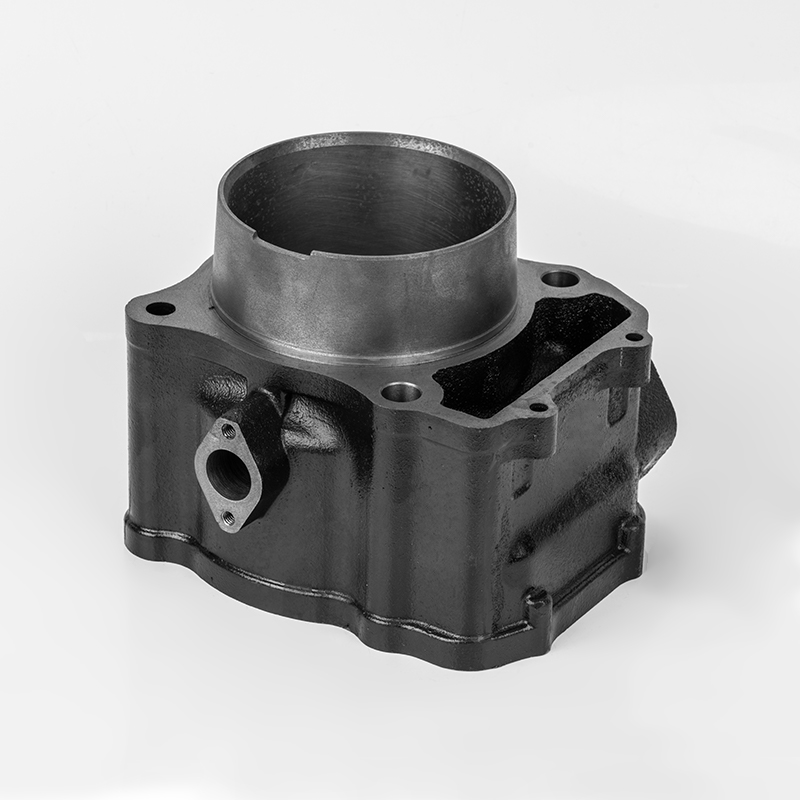 Water-cooled 700 (Φ102) cast iron durable cylinder accessories Suppliers, WholesNingbo Daxie Development Tianshan Cylinder Block Co., Ltd is China wholesale Water-cooled 700 (Φ102) cast iron durable cylinder accessori...View Product →
Real-World Impact: Speed, Fuel Use and Maintenance by Displacement
Displacement shows up in the numbers that matter on a daily ride: top speed, fuel economy and how often the engine needs a top-end rebuild. The table below summarizes typical results from production motorcycles as published in mainstream road tests, and they hold true for most riders in normal conditions.
| Displacement | Typical top speed | Typical fuel economy | Maintenance rhythm |
|---|---|---|---|
| 110 - 125 cc | 95 - 110 km/h | 40 - 50 km/L | Low stress, long service intervals |
| 150 - 250 cc | 110 - 150 km/h | 30 - 40 km/L | Simple, cheap, easy to inspect |
| 300 - 400 cc | 140 - 175 km/h | 24 - 32 km/L | Moderate; valve checks every 12,000 - 16,000 km |
| 600 - 650 cc | 180 - 250 km/h | 17 - 25 km/L | Sport fours need frequent top-end care |
| 750 - 1000 cc | 250 - 300 km/h | 12 - 18 km/L | High heat load, oil and coolant checks every ride |
One often-overlooked engineering number is mean piston speed. A 250 cc single with a 70.8 mm stroke at 7000 rpm moves its piston at roughly 16.5 meters per second, which is actually higher than many larger twins at the same engine speed. If the stroke is increased to enlarge displacement without reducing rpm, piston speed and cylinder wear rise together. That is why big-bore kits on small-stroke engines are safe, while long-stroke engines tolerate overboring better than rev increases.
How to Choose the Right Displacement for the Way You Ride
The honest advice from motorcycle dealers and mechanics is consistent: buy one class smaller than the market tells you, then check the torque curve rather than the peak horsepower figure. Peak power sells motorcycles; torque is what pulls you through traffic and up hills. The scenarios below come from typical ownership experience and maintenance records, not marketing brochures.
- City-only riding: 110 to 160 cc is enough. Light weight, low running cost and instant low-rev torque make these machines faster across town than most large bikes.
- Commuting plus occasional highway: 250 to 400 cc keeps comfortable highway speed without forcing you to chase high rpm. A 250 single sits near 6000 rpm at 100 km/h, which is smooth enough for an hour-long commute.
- Frequent long-distance highway: 400 to 650 cc. The 650 twin class is the most balanced choice because its mid-range torque lets you overtake in 5th or 6th gear without downshifting.
- Two-up touring with luggage: 650 to 1000 cc. Large displacement keeps cruise rpm low and reserves power for loaded hills and side winds.
- Track days and canyon carving: a 600 supersport or 1000 naked. These classes prioritize high-rpm power over low-speed manners.
- Off-road and adventure: 250 to 450 cc singles balance manageable weight with enough grunt for loose terrain; larger displacement off-road bikes become exhausting on technical trails.
If you already own a motorcycle and the decision is about repairing it, the displacement class matters less than the exact bore measurement of the cylinder currently installed. The next section explains that distinction in practical terms.
Displacement Is Only the Starting Point When Buying a Replacement Cylinder
When a motorcycle cylinder is scored, warped or simply worn beyond the factory roundness limit, the mechanic does not order a cylinder by its nominal cc. He orders by bore size, stroke, deck height and cooling type. A replacement cylinder for a 125 class engine is not a single standardized part; it must match the crankshaft stroke and the piston family that the engine already uses. If the original cylinder has been worn or machined, the standard bore may no longer be usable at all.
Oversize bores and what they do to displacement
The accepted repair standard is to re-bore a worn cylinder to the next oversize piston step. The most common steps are 0.25 mm, 0.50 mm, 0.75 mm and 1.00 mm above the standard bore. Using the CG125 geometry from earlier, the displacement change is small but measurable, as shown below. Values are computed with the same formula used in the second section, and they explain why an overbore does not change the bike's displacement class.
| Bore specification | Bore diameter | Resulting displacement | Typical situation |
|---|---|---|---|
| Standard bore | 56.50 mm | 124.1 cc | Stock replacement |
| First oversize | 56.75 mm | 125.2 cc | Minor cylinder scoring |
| Second oversize | 57.00 mm | 126.3 cc | Rebore after moderate wear |
| Third oversize | 57.25 mm | 127.4 cc | Scored piston and worn bore |
| Fourth oversize | 57.50 mm | 128.5 cc | Maximum rebore before sleeve replacement |
The table shows that a 1.00 mm overbore adds only 4.4 cc to this engine. The practical benefit of oversize pistons is not more displacement; it is restoring compression after the cylinder has worn. Anyone shopping for a cylinder should confirm the piston grade first, then match the cylinder bore to it. The essential fitment points are covered in our introduction to motorcycle cylinder buyer knowledge, which goes through measurement and compatibility checks step by step.
Aluminum alloy or cast iron: the material question follows displacement
For a given displacement, the cylinder material changes how the engine behaves and how much it costs to repair. Aluminum alloy cylinders transfer heat faster, which is why most air-cooled and water-cooled motorcycle engines above 150 cc use aluminum blocks, often with a plated bore or a cast-iron liner. Cast-iron cylinders are heavier but stiffer, survive dusty environments better and can be rebored several times without re-plating. Small displacement commuter bikes, big ATV singles and many utility engines therefore still use cast iron intentionally. The mechanical procedure for fitting either type is similar, and the guide on how to replace a motorcycle cylinder describes the torque sequence, surface preparation and piston-to-bore clearance that apply in both cases.
Three Displacement Myths, Checked Against the Spec Sheet
Myth 1: Bigger cc always means a faster motorcycle
A 600 cc supersport with 120 hp will outrace a 900 cc cruiser with 55 hp in almost every on-road situation. Top speed depends on power-to-weight ratio, aerodynamics and gearing, not simply on displacement. A typical 650 twin weighs about 190 kg with 68 hp; a 1000 naked weighs 210 kg with 160 hp. The 1000 is faster, but the gap between them is roughly double, not four times, which is what a displacement-only comparison would suggest.
Myth 2: You need at least 600 cc for highway riding
A 250 cc single will hold 110 km/h at about 6000 to 7000 rpm, which is acceptable for short trips but busy on long distances. The better rule is that 250 to 400 cc is fine for mixed roads, while 500 to 650 cc gives relaxed highway cruising with reserve power for overtakes. Highway comfort comes as much from weight, ergonomics and wind protection as from engine size.
Myth 3: Displacement is the same thing as power
Two engines with identical displacement can differ by 60 percent in power output. A 649 cc parallel twin makes roughly 68 hp; a 636 cc four-cylinder makes about 120 hp. Compression ratio, valve timing, intake design, exhaust tuning and maximum rpm convert that same swept volume into very different power figures. Displacement is the dimension of the engine; power is the result of everything else bolted around it.
Motorcycle Displacement: Frequently Asked Questions
What exactly does cc mean on a motorcycle?
CC stands for cubic centimeters, the unit used to express engine displacement. In practical terms, it is the combined swept volume of all cylinders: the space a piston displaces between top and bottom of its stroke, multiplied by the number of cylinders. A 150 cc motorcycle has a total swept volume of about 150 cm³ across all cylinders.
Why is a motorcycle advertised as 650 actually 645 or 649 cc?
Because the name is a class label, not a measured specification. Engineers define bore and stroke to hit a power and torque target, and the resulting volume often lands a few cubic centimeters below the badge. The Suzuki SV650 has 645 cc, the Kawasaki Ninja 650 has 649 cc, and the Yamaha MT-07 has 689 cc. All three are sold as 650-class motorcycles because the difference has no practical effect on class position, insurance grouping or riding experience.
Which displacement is best for a new rider?
For street riding, 125 to 250 cc is the most forgiving range for a first season. A 125 teaches clutch control and cornering without overwhelming speed; a 250 adds enough power for occasional highway trips. Riders who are physically large, or who commute on fast roads, often prefer 300 to 400 cc, but anything above 650 cc is rarely a sensible first motorcycle because the throttle response punishes mistakes.
Can I increase displacement by installing a bigger cylinder?
Yes, that is exactly what a big-bore kit does. Replacing the original cylinder and piston with a larger-bore version increases swept volume. The practical limit depends on how much wall thickness the original cylinder has and whether the engine management system can supply enough fuel. Using the CG125 example, a 1.00 mm overbore only raises displacement from 124.1 to 128.5 cc, so a genuine displacement step usually requires a different cylinder with a substantially bigger bore, not merely a worn-bore repair oversize.
Does more displacement always mean more fuel consumption?
Under identical riding conditions, a larger engine generally burns more fuel because it moves more air per revolution. But real consumption depends heavily on how the engine is ridden. A 1000 cc cruiser ridden gently can return better economy than a 600 cc four ridden constantly near its power peak. In the 650 class, twins typically achieve 20 to 25 km/L in mixed riding, while a 250 single often reaches 35 to 40 km/L under the same conditions.
What is the difference between displacement and horsepower?
Displacement is a volume measurement; horsepower is a measure of how fast work is done. Horsepower is calculated from torque multiplied by engine speed, divided by a constant (5252 in imperial units). That is why a 600 cc four with 120 hp and a 650 twin with 68 hp can share the same displacement class: the four generates its power at much higher rpm, while the twin delivers a more accessible torque curve. For buying and riding, both numbers should be read together.
Final Thoughts: Read Displacement First, Decide With Torque and Weight
Motorcycle displacement is the most reliable single indicator of an engine's potential, but it is not a complete specification. The calculation is simple, the class bands are stable, and the relationship with torque is direct. What displacement does not tell you is where the power arrives, how the bike is geared, or how it fits your body and riding pattern.
For riders buying a complete motorcycle, the practical order is: pick a displacement band based on your roads, then compare torque curves, wet weight and seat height. For riders buying parts, the order is reversed: measure the bore, identify the stroke, then order the cylinder and piston as a matched set. Either way, the cc badge on the fairing is only the beginning of the conversation.