
 English
 Español
 عربى
عربى

Content
- 1 The Short Answer: No, Not Automatically
- 2 What Does CC Actually Measure in a Bike Engine?
- 3 Does Higher CC Always Mean a Faster Motorcycle?
- 4 When a Higher CC Engine Is Genuinely Better
- 5 When a Smaller Engine Actually Wins
- 6 Matching CC Ranges to Real Riding Needs
- 7 The Cylinder: Where CC Starts and Performance Is Decided
- 8 Upgrading Your Way to a Bigger CC
- 9 How to Decide if a Higher CC Engine Is Better for You
- 10 Frequently Asked Questions
- 11 Final Verdict
The Short Answer: No, Not Automatically
A bigger engine is not automatically a better engine. A higher cubic capacity raises the engine’s ceiling for power and torque, but it also raises weight, fuel consumption, and day-to-day running costs. Whether a higher-cc engine is better depends on the type of riding, the rider’s experience, the load you carry, and the roads you use. For a daily stop-and-go commute, a 125–200 cc motorcycle can genuinely beat a 500–750 cc machine in comfort, agility, and fuel cost.
If you ride mostly on open highways with a passenger or luggage, a larger engine usually feels easier to live with because it produces strong torque without needing high rpm. If your ride is confined to city streets, the extra capacity becomes dead weight and wasted fuel. Before choosing, ask yourself one question: What job will this engine actually do every day?
For buyers who want to understand more before comparing models, reviewing practical motorcycle cylinder buyer knowledge is a useful starting point, because the cylinder itself determines how much usable power the displacement can deliver.
What Does CC Actually Measure in a Bike Engine?
CC stands for cubic centimetres, and it measures the total swept volume of all the engine’s cylinders. In simple terms, it is the space through which the piston travels between the top and bottom of its stroke. The standard formula is:
Displacement (cc) = π/4 × bore² × stroke × number of cylinders
Bore is the diameter of the cylinder, and stroke is the distance the piston travels. Because the formula uses bore squared, even a small change in bore diameter has a noticeable effect on displacement. For example:
- A single-cylinder engine with a 56.5 mm bore and a 49.5 mm stroke works out to roughly 124 cc.
- A two-cylinder engine with a 70.0 mm bore and a 50.0 mm stroke gives about 385 cc.
- A four-cylinder engine with a 67.0 mm bore and a 42.5 mm stroke produces about 599 cc.
Higher displacement means the engine can swallow and burn more air and fuel per revolution, which increases the amount of energy released. That is why CC is often used as a rough proxy for power. But it is only a ceiling, not a guarantee. Two engines with exactly the same CC can deliver completely different performance depending on how they are built and tuned.
Does Higher CC Always Mean a Faster Motorcycle?
No. A higher-cc engine usually produces more absolute horsepower and torque, but speed in the real world depends on the power-to-weight ratio, gearing, aerodynamics, and how the engine delivers its power across the rpm range.
Take two common examples from typical published manufacturer figures:
- A 600 cc four-cylinder sport bike produces around 100–120 hp and weighs about 190 kg, giving roughly 0.55 hp/kg.
- A 1,200 cc adventure bike produces around 90–100 hp and weighs about 240 kg, giving roughly 0.40 hp/kg.
On a twisty road, the lighter 600 can brake later, turn quicker, and carry more corner speed, so it can be the faster motorcycle despite having half the displacement. The 1,200 cc adventure bike, however, will feel stronger when rolling on the throttle from low rpm because its larger crankshaft and longer stroke create much more torque lower in the rev range.
Peak power figures also depend heavily on tuning. A well-tuned 250 cc single can outperform a poorly jetted 400 cc twin from the same era. The number on the fairing is only a small part of the actual performance story.
When a Higher CC Engine Is Genuinely Better
There are real situations where a bigger engine is the better choice. The key advantage is torque reserve, which makes the bike feel effortless at steady speed and when overtaking.
1. Highway and Long-Distance Cruising
At 110–130 km/h, a small engine often sits near the top of its power band, producing vibration, noise, and heat. A 650–1,000 cc engine at the same speed is usually running at only 30–50% of its capacity, so it stays smooth, quiet, and relaxed. Será much more comfortable for daily highway commuting if your route is long.
2. Two-Up Riding and Loaded Luggage
Once you add a passenger and luggage, the power-to-weight ratio can drop by 25% or more on a small bike. A larger engine absorbs the extra load with a smaller performance penalty. This is why touring riders generally prefer 500 cc and above.
3. Fewer Gear Changes
A high-torque engine lets you ride in a higher gear at low speed without lugging. That reduces rider fatigue in traffic and makes overtaking safer because you can accelerate without shifting down two gears first.
4. High-Altitude Riding
At higher altitudes, air density drops and all naturally aspirated engines lose power. A larger engine has more absolute power to lose, so it still feels usable at 2,000–3,000 metres above sea level, while a 125 cc commuter can struggle badly.
When a Smaller Engine Actually Wins
A lower-cc motorcycle is not a compromise; it is often the more rational machine. Here are the cases where smaller beats bigger.
1. City Traffic and Congestion
Short wheelbases, light weight, and narrow handlebars make 125–250 cc bikes genuinely quicker through congested streets. They also produce less heat at idle, which matters when you are stuck in summer traffic for 30 minutes.
2. Lower Running Costs
Typical published consumption figures show a 125 cc commuter at around 2–3 L/100 km, while a 750–1,200 cc machine commonly runs at 5–8 L/100 km. Add higher tyre wear, larger brake discs, and more expensive parts, and the smaller bike is clearly lighter on your monthly budget.
3. Beginners Learn Faster
A smaller engine is more forgiving of throttle mistakes, clutch slips, and late braking. Riders who start on 125–250 cc machines usually build smoother habits because they must use momentum and line choice instead of relying on raw power.
4. Less Weight, Less Intimidation
A 200 kg motorcycle at a standstill can be genuinely difficult to handle for shorter or less experienced riders. A 130 kg bike is much easier to balance, paddle through a parking lot, and pick up if you drop it.
Matching CC Ranges to Real Riding Needs
There is no universal “best CC”, but typical ranges match well with specific riding patterns. The figures below are representative averages from common commuter and leisure motorcycles; exact values vary by model and tuning.
| CC Class | Typical Power | Best Use | Fuel Economy |
|---|---|---|---|
| 50–125 cc | 4–12 hp | Urban commuting, short trips, first bike | 2–3 L/100 km |
| 150–250 cc | 12–25 hp | Mixed city and suburban, light highway | 2.5–4 L/100 km |
| 300–450 cc | 25–45 hp | Daily drivers who occasionally hit the highway | 3.5–5 L/100 km |
| 500–750 cc | 45–75 hp | Highway touring, two-up, weekend rides | 4–6 L/100 km |
| 800–1,200 cc | 75–200 hp | Sport, adventure, heavy touring | 5–8 L/100 km |
If you are buying your first bike and still unsure, the 300–450 cc band is the sweet spot for most riders in 2026: strong enough for highway speed, light enough to manage, and forgiving enough to build confidence.
The Cylinder: Where CC Starts and Performance Is Decided
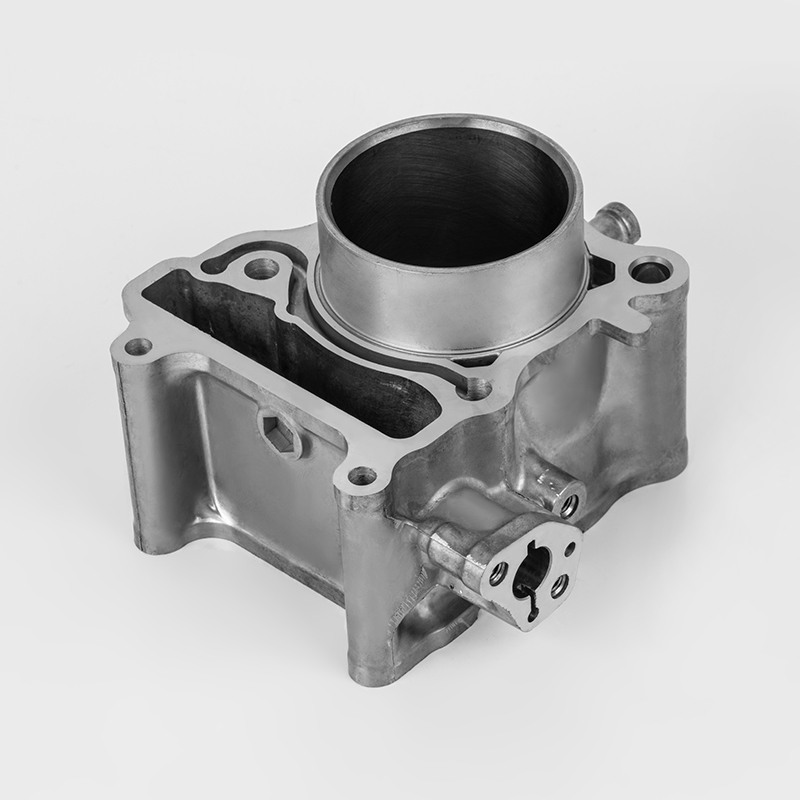
The cylinder is the physical heart of displacement. CC comes directly from bore and stroke, but the cylinder’s material, finish, and cooling design determine whether the engine can hold its performance under load without excessive wear.
Aluminium vs Cast Iron Cylinders
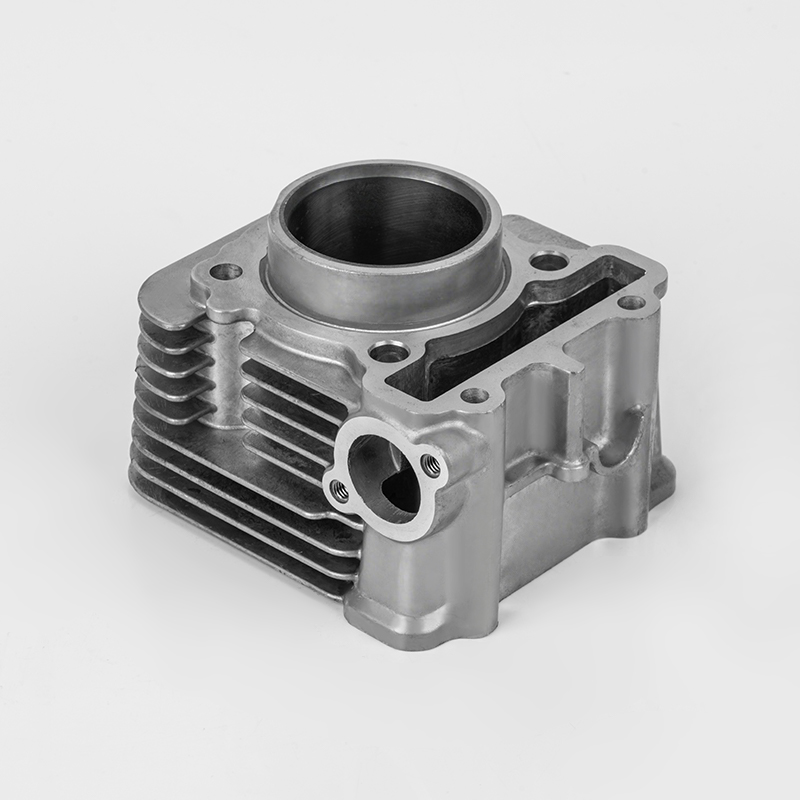
Aluminium alloy cylinders are lighter and dissipate heat faster, which makes them the standard for modern sports and commuter engines. Many small high-revving engines use aluminium with a durable coating or a cast-iron sleeve. The aluminium motorcycle cylinder series shows how common this approach is across 50–400 cc models. Cast iron, on the other hand, offers excellent wear resistance, lower material cost, and better vibration damping, which is why it remains popular in heavy-duty single-cylinder applications. Buyers comparing replacement parts can check the cast iron motorcycle cylinder buyer guide for a deeper technical breakdown.
Bore and Stroke Shape the Power Character
- Oversquare (bore larger than stroke): revs freely, reaches peak power at higher rpm, typical of sport bikes.
- Undersquare (stroke larger than bore): produces more torque at low rpm, easier in traffic and off-road, typical of adventure and commuter engines.
Cooling Method Matters More Than You Think
Air-cooled engines are simple and light, but they can lose power during prolonged highway rides because heat builds up faster than it can be dissipated. Water-cooled engines hold stable temperatures and consistent performance. A good example is the Yamaha LC135 water-cooled aluminium cylinder; despite its relatively small 135 cc displacement, the water-cooled aluminium construction lets it sustain high rpm without heat soak, which is exactly why small water-cooled bikes can feel stronger than similar air-cooled models of the same CC.
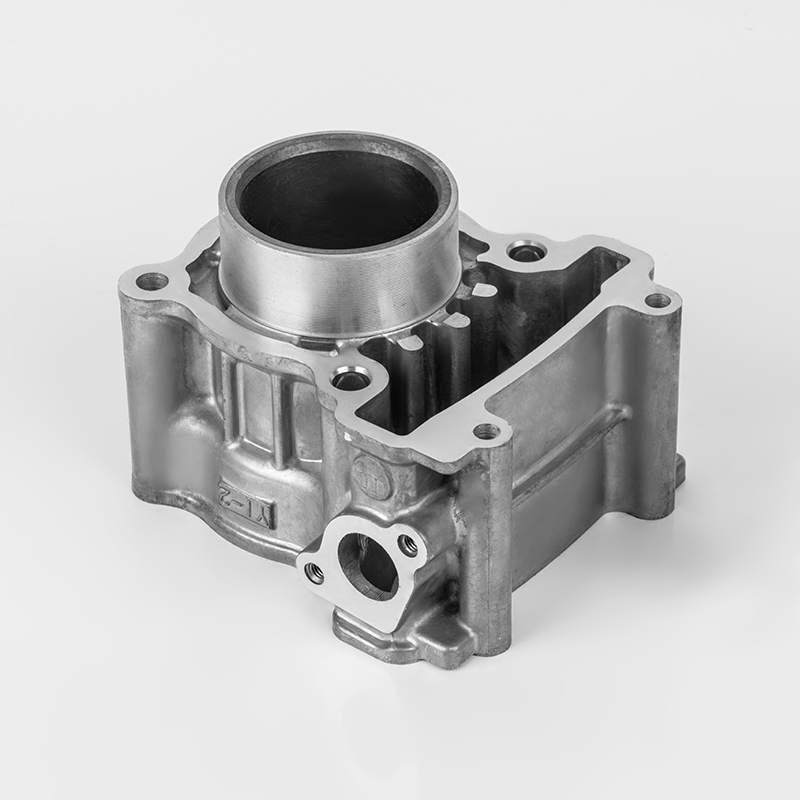 LC135 (Φ54/57) Yamaha water-cooled aluminum engine cylinder Suppliers, WholesaleNingbo Daxie Development Tianshan Cylinder Block Co., Ltd is China wholesale LC135 (Φ54/57) Yamaha water-cooled aluminum engine cylinder ...View Product →
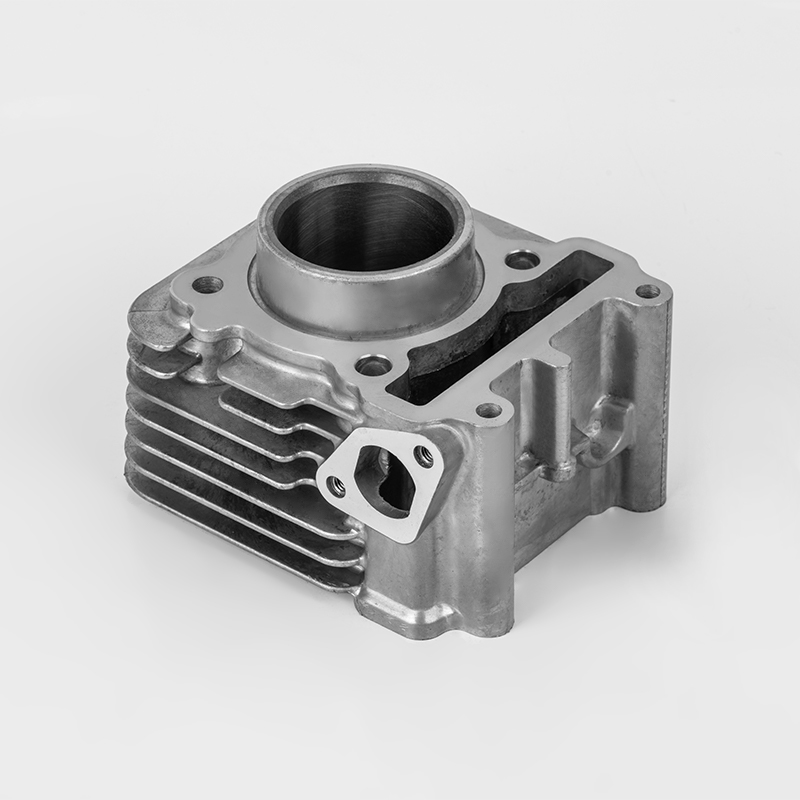
On the heavier end, water-cooled cast-iron cylinders are common in larger single-cylinder engines where durability under continuous load is the priority. The water-cooled 400 cc cast iron wear-resistant cylinder is a typical example of that engineering trade-off: it adds weight but delivers long service life and stable torque in demanding conditions.
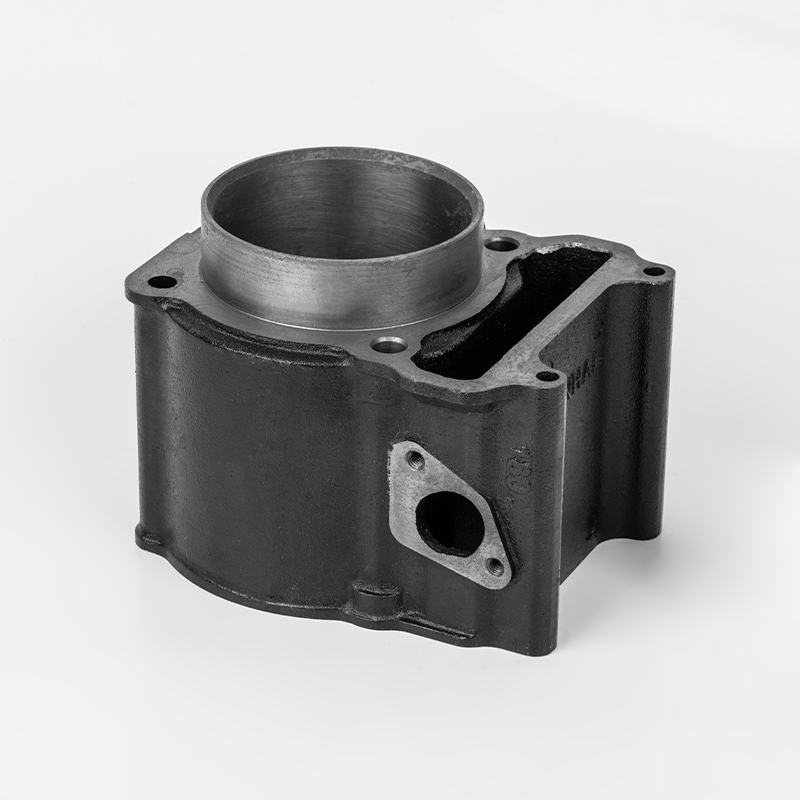 Water-cooled 400 (Φ80/82) cast iron wear-resistant cylinder accessories SupplierNingbo Daxie Development Tianshan Cylinder Block Co., Ltd is China wholesale Water-cooled 400 (Φ80/82) cast iron wear-resistant cylinder ...View Product →
Upgrading Your Way to a Bigger CC
Many riders ask whether they can turn a smaller bike into a bigger one by changing the cylinder. The honest answer is: yes, but the outcome depends on how well the rest of the engine and fuel system are matched to the new displacement.
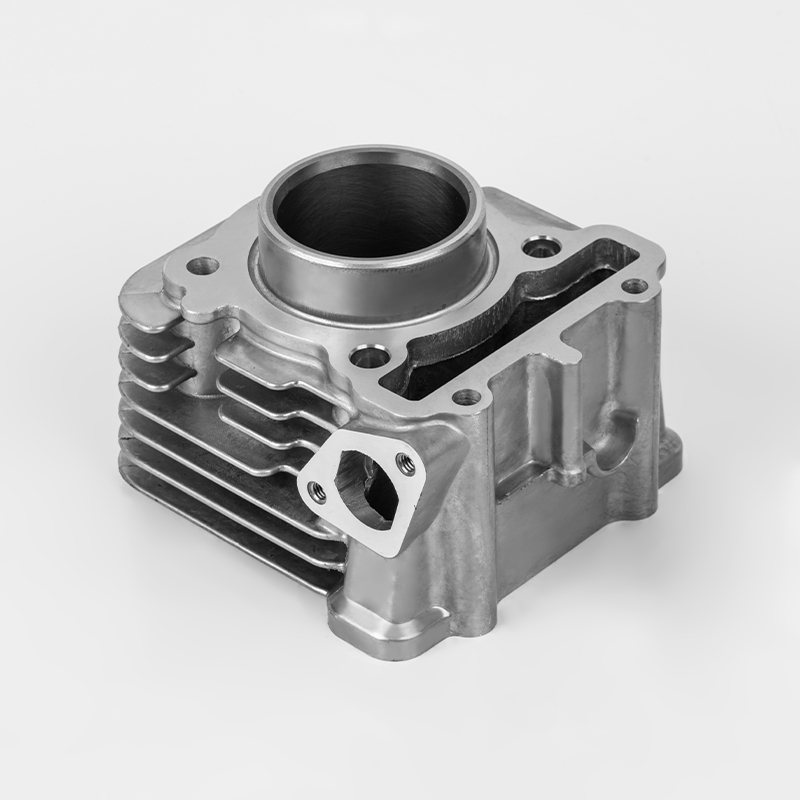
Replacing a worn cylinder with an oversized one is a common practice when a piston scuffs or the bore becomes worn. The new cylinder may have a slightly larger bore, which increases both displacement and compression. If you raise displacement by 10–15%, you also need to confirm that the carburettor or fuel injector, air filter, exhaust, and ignition timing can supply the extra fuel and air the engine now wants. Otherwise, the bike can run too lean, overheat, and destroy the new parts.
A representative example from the 125 cc class is the Honda CG125 56.5 mm die-cast cylinder assembly. Its 56.5 mm bore puts it right in the 125–150 cc output zone depending on stroke, and it is often used as a direct replacement when the original aluminium cylinder wears out. The die-cast construction keeps weight low and fin area consistent, which helps the engine keep its temperature within a safe range after the rebuild.
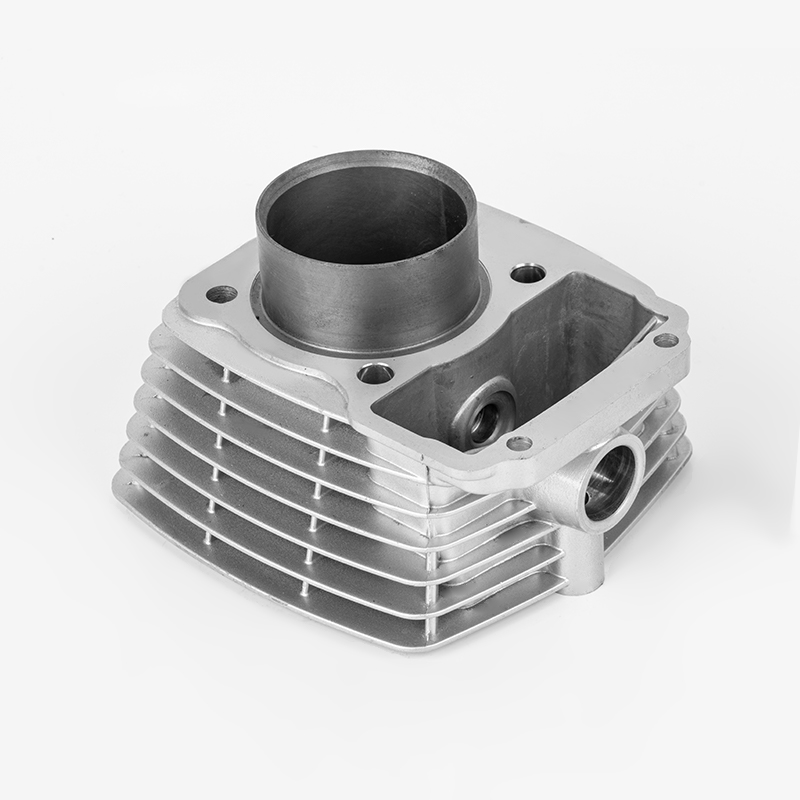 CG125 (Φ56.5) Honda die casting engine cylinder assembly Suppliers, Wholesale FaNingbo Daxie Development Tianshan Cylinder Block Co., Ltd is China wholesale CG125 (Φ56.5) Honda die casting engine cylinder assembly sup...View Product →
If you plan to do this yourself, follow a proper procedure. A guide on how to replace a motorcycle cylinder explains the disassembly, cleaning, torquing, and break-in steps you should not skip.
How to Decide if a Higher CC Engine Is Better for You
Instead of asking “is higher CC better?”, ask “which CC is better for my specific weekly routine?”. Run through this practical checklist:
- Estimate your weekly mileage and road type. If more than 50% of your kilometres are on highways, a 300–500 cc engine will feel noticeably more relaxed than a 125–200 cc one.
- Add your real payload. A 75 kg rider plus a 20 kg passenger and 10 kg luggage can reduce a small bike’s effective power-to-weight ratio by more than 30%.
- Calculate your running cost budget. Fuel difference between a 250 cc and a 750 cc can easily reach 2–3 L/100 km. On a yearly 10,000 km ride, that is roughly 200–300 litres of extra fuel before you even consider tyres and maintenance.
- Check the ergonomics, not just the engine. A high-cc bike often has a taller seat, wider tank, and heavier steering. Sit on it, lift it off the side stand, and move it around a parking lot.
- Test ride both distances. A short dealer test around the block tells you little. If possible, ride the exact route you commute so you can feel the engine at your usual cruising speed.
Also check the condition of the cylinder and top-end before you commit. A bike with a worn cylinder needs a replacement even if the overall mileage is low. Knowing what to look for will save you an expensive surprise.
Frequently Asked Questions
Is a higher CC engine always better for a beginner?
Not at all. Beginners are generally better off with a 125–250 cc bike that is light, forgiving, and cheap to repair. A bigger engine gives more power but also more risk because brake, throttle, and cornering errors are amplified by the extra speed and weight.
What CC is good for daily commuting?
For pure city commuting, 125–250 cc is usually ideal. If your commute includes regular highway stretches at 100 km/h or faster, a 300–500 cc motorcycle offers a much more comfortable safety margin without the fuel bill of a 750 cc bike.
Does a higher CC bike always use more fuel?
Generally yes, but not always. A 600 cc bike ridden aggressively can use more fuel than a 1,000 cc bike ridden gently. Still, in comparable riding styles, a larger engine burns more fuel because it pumps a larger volume of air and fuel per revolution, and it also carries more weight.
Can I increase my bike’s CC by changing the cylinder?
Yes. Replacing the cylinder with a larger-bore version increases displacement and usually raises power and torque. However, fuel delivery, ignition timing, cooling, and clutch load all need to be evaluated. A larger cylinder without proper fuel calibration can cause overheating and engine damage.
Is a 250 cc motorcycle enough for the highway?
A 250 cc can maintain 100–120 km/h on flat roads, but overtaking power is limited and headwinds or uphill sections require downshifting. If you ride on the highway daily, a 300–450 cc bike is a safer and more comfortable choice. For occasional short highway use, 250 cc remains acceptable.
What matters more: CC or torque?
For everyday riding, torque matters more than peak horsepower. Torque is what you feel when you twist the throttle at cruising speed. Larger CC engines naturally make more torque, but design choices like stroke length and variable valve timing can give a smaller engine a very useful low-end torque curve.
Final Verdict
A higher-cc engine is better when your riding demands torque, passenger capacity, and relaxed high-speed cruising. It is worse when you ride mainly in town, value running costs, or are still building your riding skills.
The most reliable advice is to compare the whole package: displacement, power delivery, weight, ergonomics, and cylinder quality. Don’t let one big number decide for you. Read the actual specifications, check the cylinder type and cooling system, and take a test ride that includes the road you ride most often. The best engine is the one that disappears beneath you—so you stop thinking about CC and start enjoying the ride.